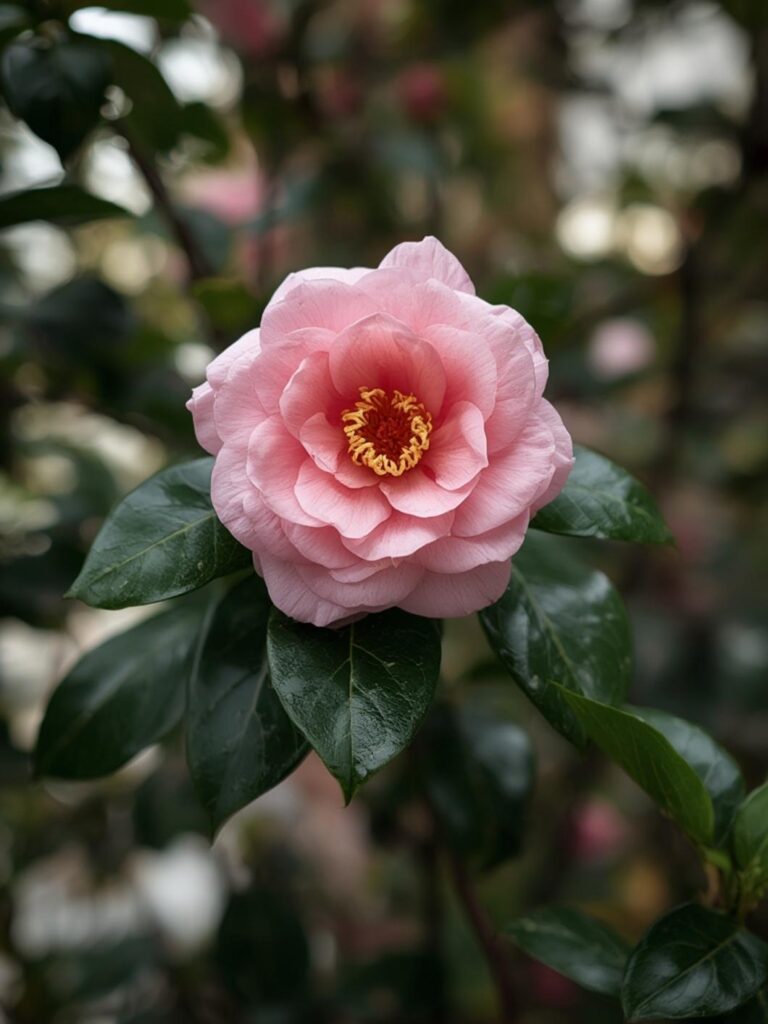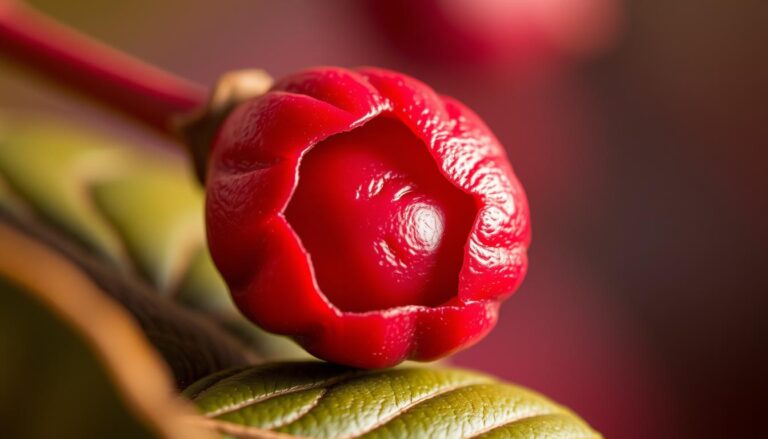
How to make camellia sinensis plant tea in 3 steps
Table of Contents
How to Grow Your Own Camellia Sinensis Plant: A Complete Guide
Have you ever dreamed of brewing tea from leaves you’ve grown yourself? The camellia sinensis plant, commonly known as the tea plant, can transform your garden into a personal tea factory. This remarkable evergreen shrub is the source of all true teas—black, green, white, and oolong—making it both practical and rewarding to cultivate. Growing your own camellia sinensis plant allows you to experience the entire tea-making process, from leaf to cup, while enjoying a beautiful addition to your landscape.
Thank you for reading this post, don't forget to subscribe!Materials & Supplies
To successfully grow your own tea at home, you’ll need:
- Seeds or young plants: Starting with a 2-3 year old plant is recommended for beginners
- Acidic potting soil: Look for soil with a pH between 5.5-6.5, similar to what’s used for azaleas
- Large container or garden space: A minimum 5-gallon container with drainage holes or a semi-shaded garden area
- Organic fertilizer: Slow-release, acid-loving plant fertilizer
- Watering can or irrigation system: For consistent moisture delivery
- Pruning shears: For harvesting and shaping
- Mulch: Pine needles or bark work well for maintaining soil acidity
- pH testing kit: Optional but helpful for monitoring soil conditions
- Shade cloth: For protecting young plants in extreme heat
Timing / Growing Schedule
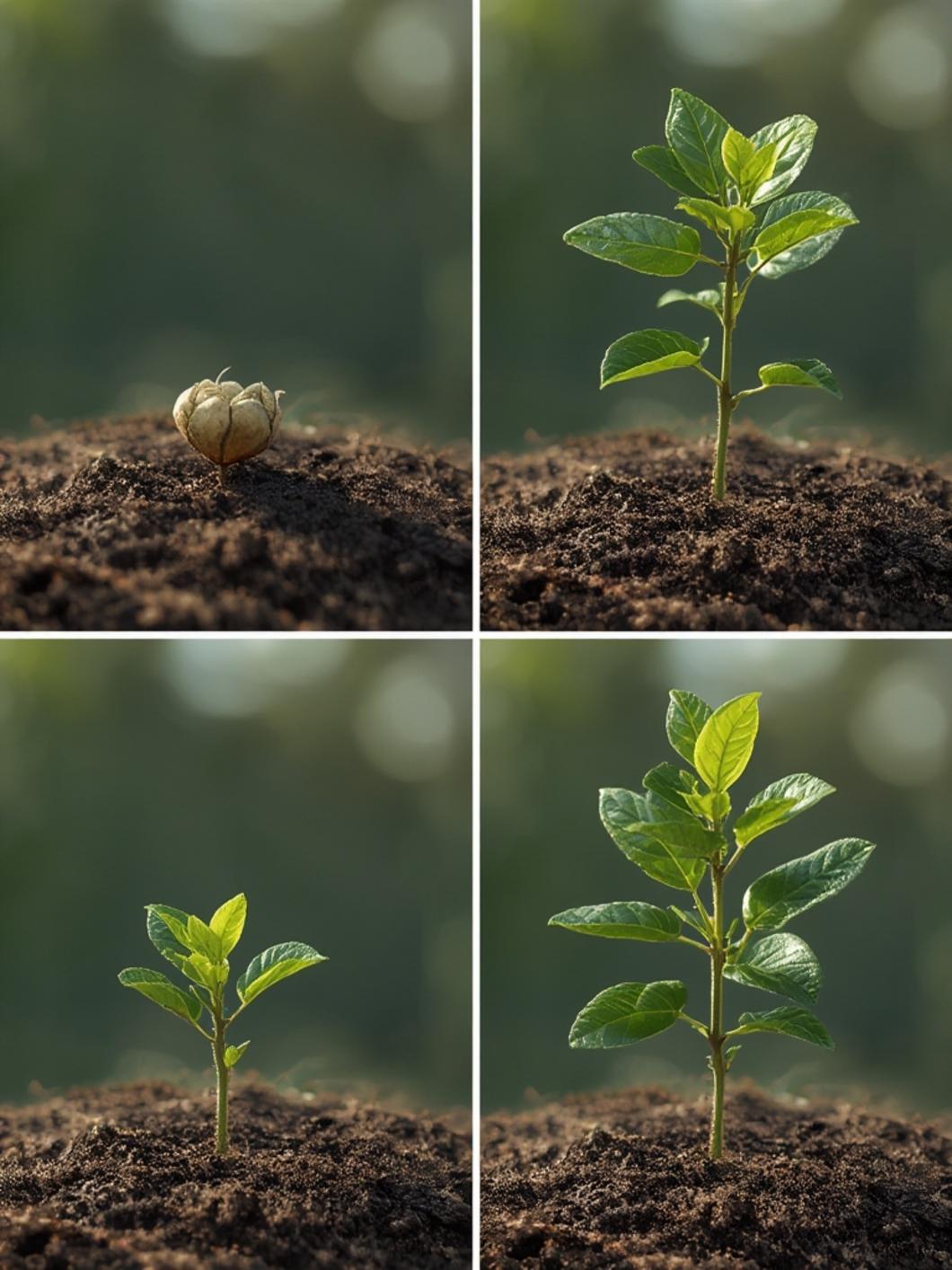
The camellia sinensis follows a specific growth timeline:
- Planting: Early spring or fall is ideal when temperatures are mild
- Establishment period: 2-3 years before first significant harvest
- Growth rate: Slow to moderate, adding 6-12 inches per year
- First harvest: Small harvests possible in year 2, full harvests from year 3 onward
- Seasonal activity: New growth flushes in spring and early summer
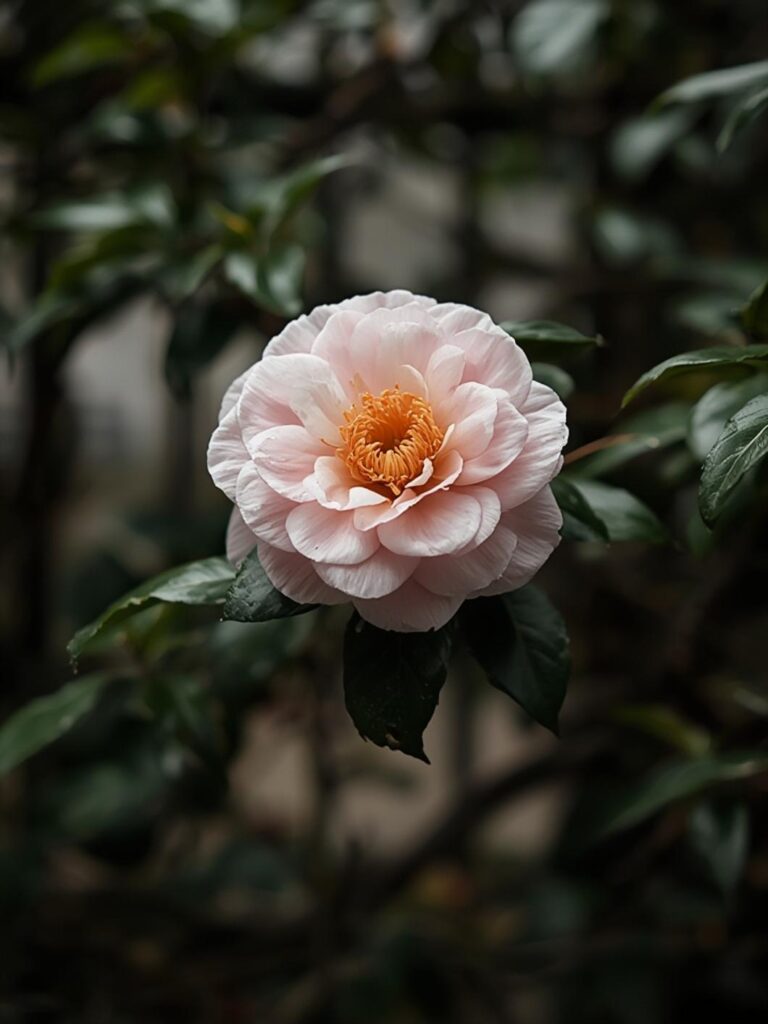
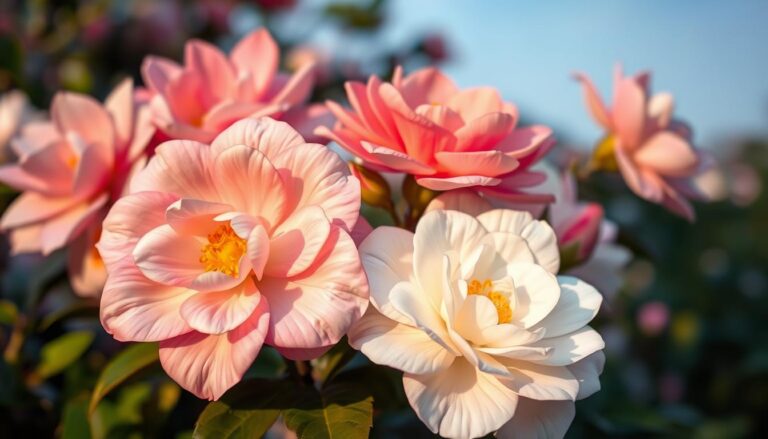
- Flowering: Small white flowers appear in fall, though many growers remove them to focus plant energy on leaf production
- Longevity: Plants can produce leaves for 50-100 years when properly maintained
Step-by-Step Instructions
1. Select your location: Choose a spot with dappled sunlight or morning sun with afternoon shade. The camellia sinensis plant thrives in locations protected from harsh afternoon sun and strong winds.
2. Prepare your soil: Create a slightly acidic environment by mixing in peat moss or pine bark. Test your soil pH and aim for 5.5-6.5.
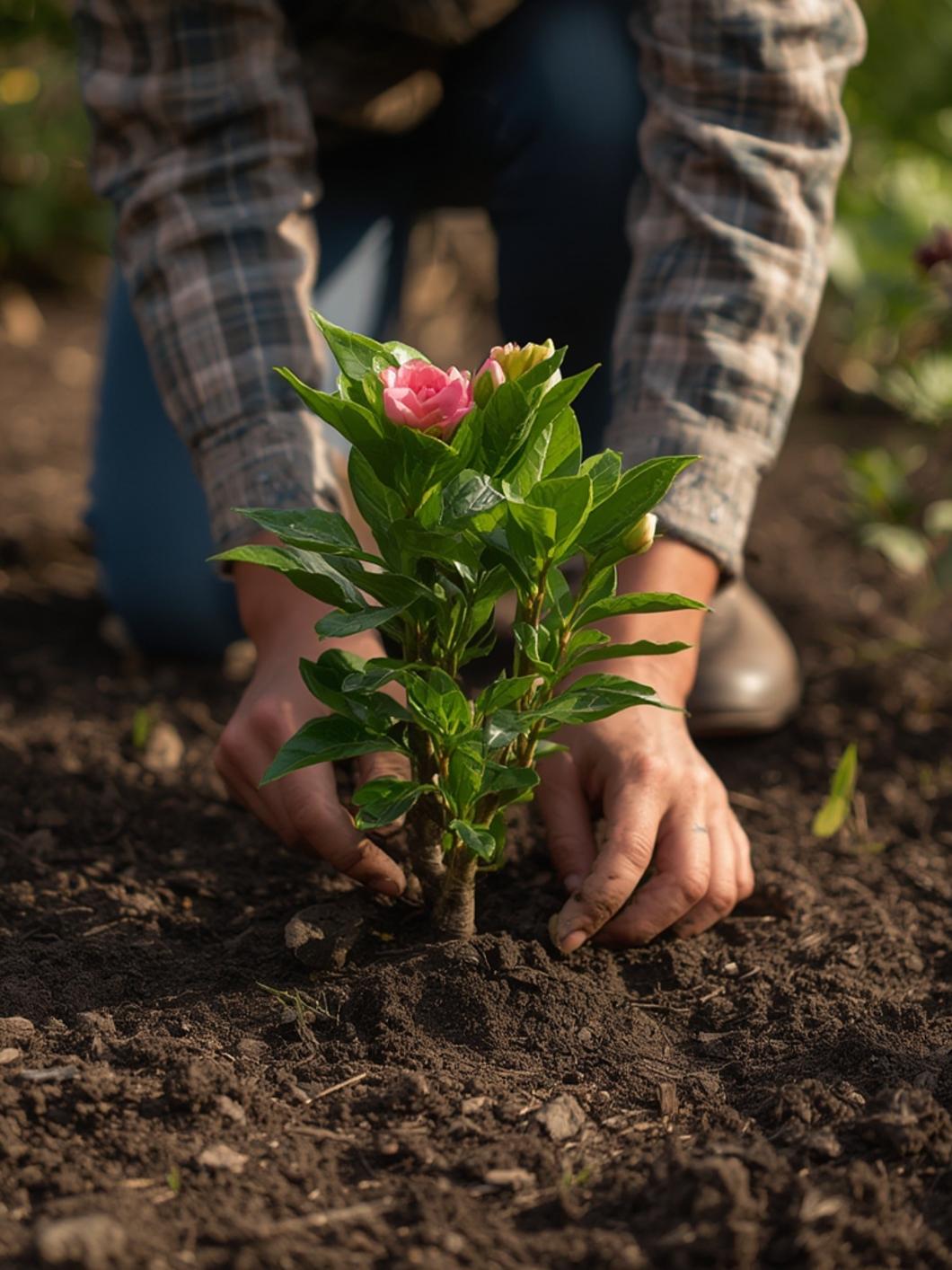
3. Planting technique: Dig a hole twice the width of the root ball but at the same depth. Place your tea plant, backfill with soil, and water thoroughly.
4. Establish a watering routine: Keep soil consistently moist but not waterlogged. Water deeply when the top inch of soil feels dry.
5. Apply mulch: Add a 2-3 inch layer of mulch around the base, keeping it away from the stem.
6. Fertilize appropriately: Apply acid-loving plant fertilizer in early spring and again after harvesting, following package directions.
7. Prune for shape: After the first year, prune to maintain a bushy form at a convenient harvesting height of 3-4 feet.
8. Harvest properly: Pick the youngest leaves and leaf buds—two leaves and a bud is the traditional harvest.
Nutritional Benefits / Advantages
Growing your own tea offers numerous benefits:
- Fresh antioxidants: Home-grown tea contains maximum levels of catechins and polyphenols
- Control over processing: Determine whether to make black, green, or white tea based on oxidation levels
- No pesticides: Grow organically without harmful chemicals
- Environmental impact: Reduce packaging waste and transportation emissions
- Biodiversity: Tea plants attract beneficial insects and birds to your garden
- Therapeutic value: The process of tending plants and preparing tea has proven stress-reduction benefits
Tips, Alternative Methods, or Gardening Advice
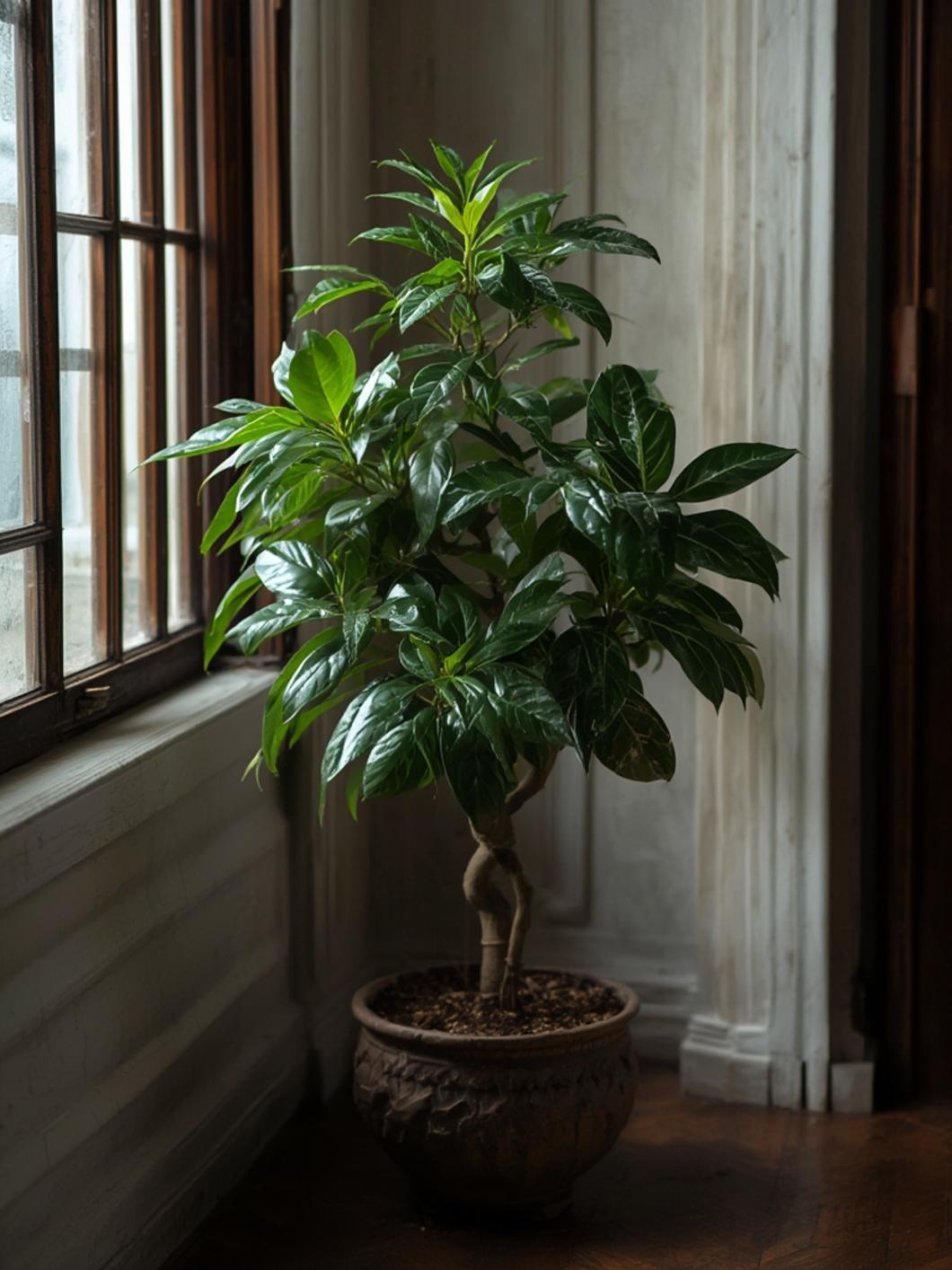
- Container growing: Use large containers with excellent drainage for patio or balcony growing
- Indoor cultivation: Place near south-facing windows with supplemental grow lights
- Cold climate solutions: Move potted plants indoors during winter or provide heavy mulching for garden plants
- Companion planting: Pair with other acid-loving plants like blueberries or azaleas
- Propagation: Take semi-hardwood cuttings in late summer to expand your tea garden
- Water quality: Use rainwater when possible as tea plants dislike chlorinated water
Common Mistakes to Avoid
- Overwatering: Causes root rot; ensure containers have drainage holes
- Incorrect pH: Using alkaline soil or water leads to yellowing leaves and poor growth
- Impatience with harvests: Harvesting too much too early weakens young plants
- Inadequate protection: Failing to protect from cold winds or frost damages growth
- Poor pruning timing: Pruning in late fall stimulates growth vulnerable to winter damage
- Inconsistent watering: Causes stress that affects leaf quality and quantity
Storage / Maintenance Tips
- Regular maintenance: Keep soil consistently moist and apply fertilizer twice yearly
- Pest monitoring: Watch for scale insects, spider mites, and aphids; treat with insecticidal soap if needed
- Winter protection: Apply extra mulch before winter in cooler climates
- Leaf storage: Store processed tea leaves in airtight containers away from light, heat, and moisture
- Long-term care: Repot container plants every 3-4 years or when roots become crowded
- Rejuvenation: Hard prune older plants to stimulate fresh growth every 4-5 years
Conclusion
Growing your own camellia sinensis plant offers the unique satisfaction of producing tea from garden to teacup. While it requires patience and attention to specific growing conditions, the reward of harvesting and processing your own tea plant leaves is truly incomparable. With proper care, your tea plants can become a lifelong source of enjoyment, connecting you to an ancient tradition while providing fresh, organic tea for decades to come. Why not start your tea garden journey today? Share your experiences or questions in the comments below, or explore our other gardening guides for more inspiration.
FAQs
How long before I can harvest leaves from my tea plant?
While you might be able to take a small harvest in the second year, it’s best to wait until the third year for regular harvesting to allow the plant to establish a strong root system.
Can camellia sinensis grow in cold climates?
Tea plants can survive in USDA zones 7-9 outdoors, though they may need protection during harsh winters. In colder regions (zones 4-6), they can be grown in containers and brought indoors during winter.
How much tea can I harvest from one plant?
A mature tea plant (5+ years) can produce 1-2 pounds of fresh leaves annually, which translates to approximately 1/4 to 1/2 pound of dried tea.
Is it difficult to process my own tea leaves?
Basic processing is quite accessible for home gardeners. Green tea is simplest (requiring steaming and drying), while black tea needs additional oxidation steps. Many online resources provide detailed instructions for home processing.
How tall will my tea plant grow?
If left unpruned, camellia sinensis can reach 10-15 feet tall. However, for ease of harvesting and to promote bushier growth with more leaf production, most home gardeners keep their plants pruned to 3-4 feet.