How to Grow 3 Stunning Japanese Camellia Varieties
Table of Contents
How to Grow and Care for Japanese Camellia: A Complete Guide
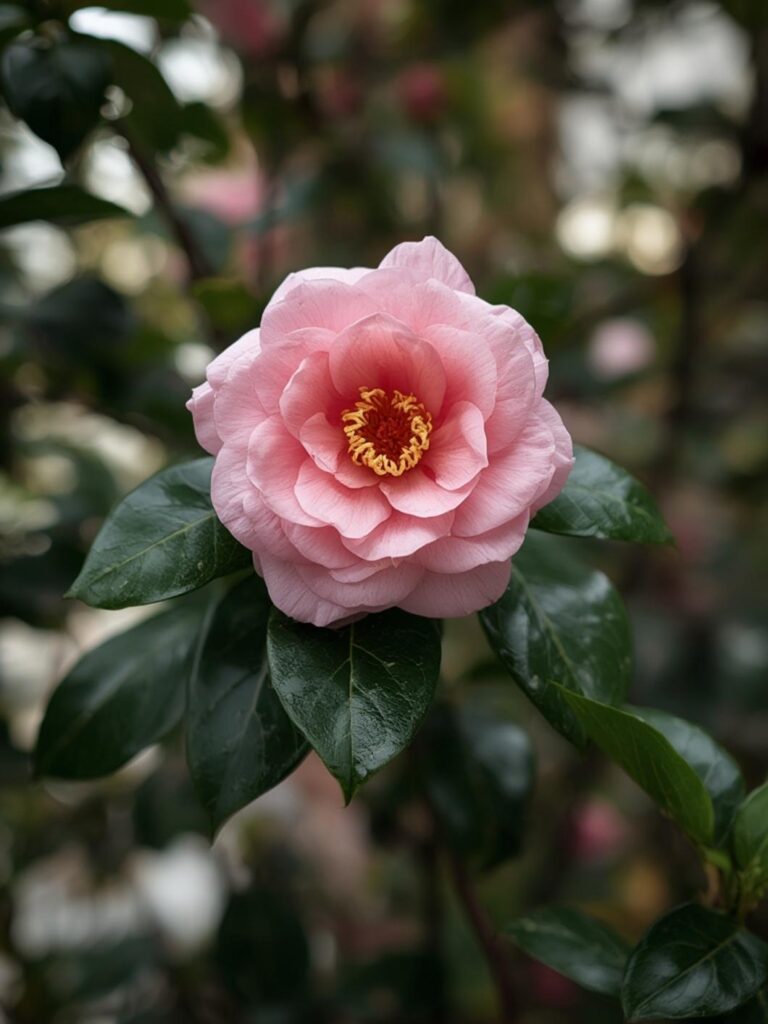
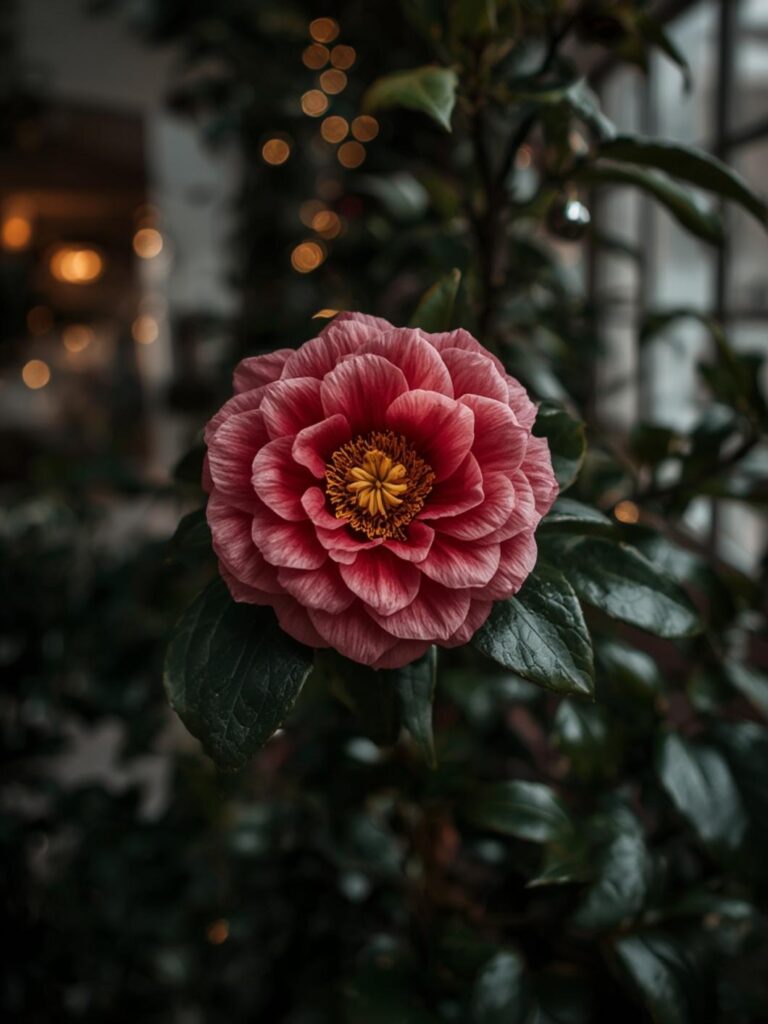
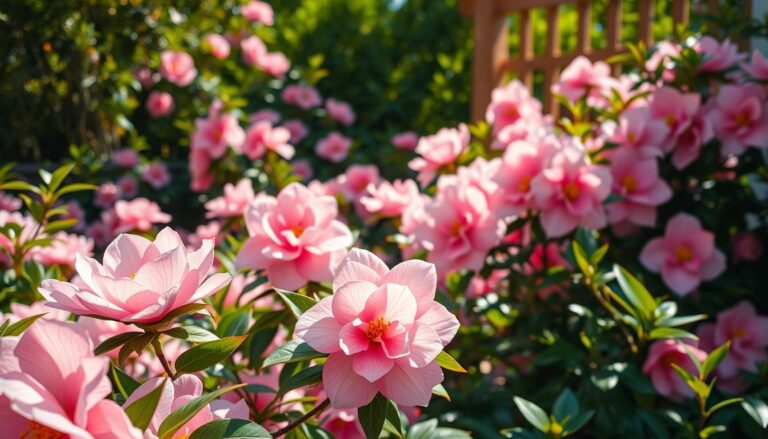
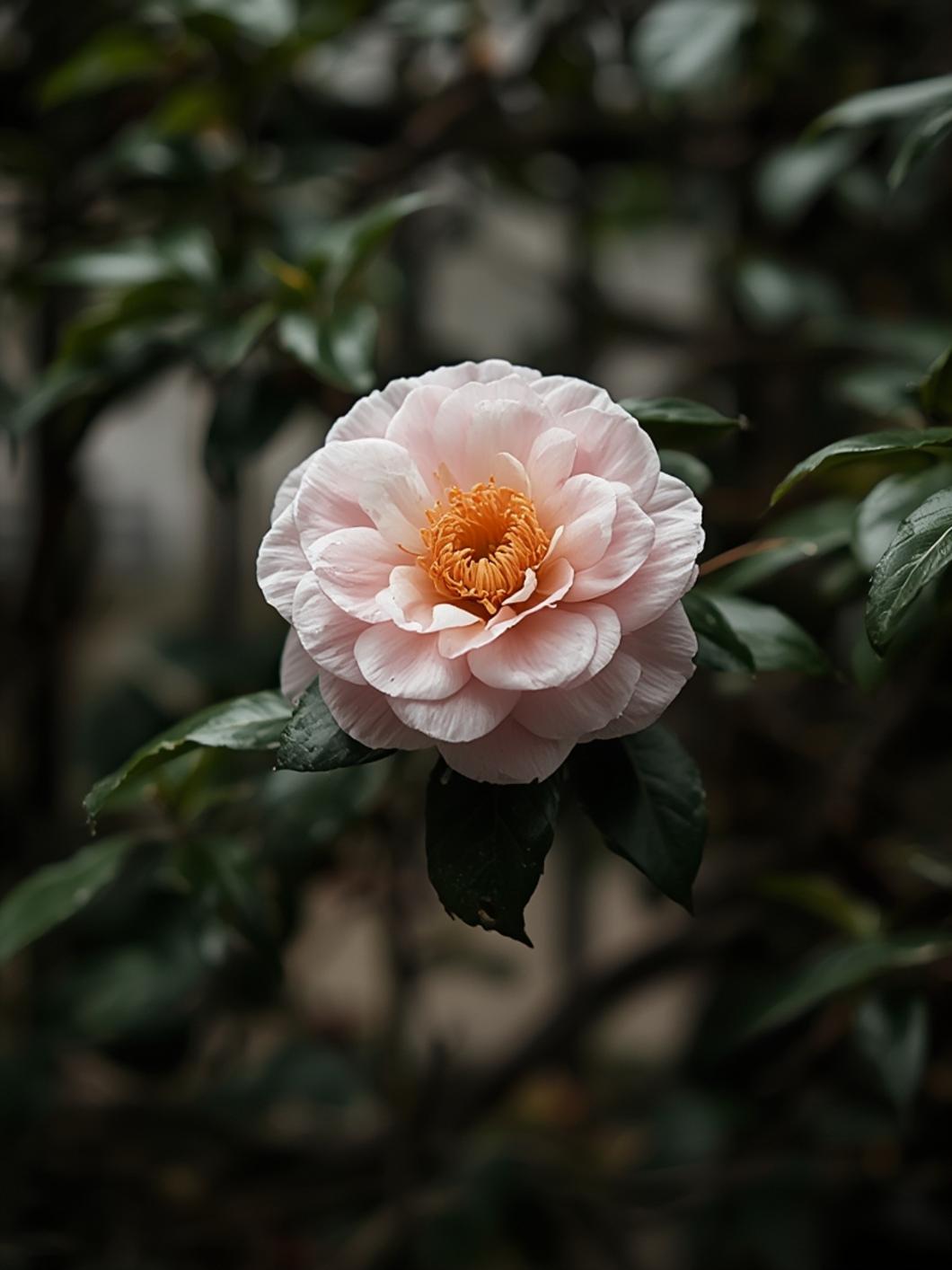
Have you ever admired the stunning, rose-like blooms of the japanese camellia and wondered if you could grow this elegant shrub in your own garden? With its glossy evergreen leaves and spectacular winter-to-spring flowers, the Camellia japonica makes a breathtaking addition to any landscape. Growing these ornamental beauties at home allows you to enjoy their magnificent blooms when most other garden plants are dormant, bringing color and life to winter gardens. With proper care and attention, these long-lived shrubs can thrive for decades, becoming more beautiful with age.
Thank you for reading this post, don't forget to subscribe!Materials & Supplies
To successfully grow and care for camellias, you’ll need:
- Acidic potting soil – Look for soil specifically formulated for acid-loving plants or azalea/camellia mix
- Camellia plants or seeds – Young plants from nurseries establish faster than growing from seeds
- Large container (if planting in pots) – At least 12-16 inches wide with drainage holes
- Garden shovel and trowel – For digging and planting
- Pruning shears – For maintenance and shaping
- Acid-based fertilizer – Specially formulated for camellias or acid-loving plants
- Mulch – Pine straw or bark mulch work well
- Watering can or hose with gentle spray – For controlled watering
- pH testing kit – To monitor soil acidity
- Shade cloth (optional) – For protecting young plants in hot, sunny areas
Timing / Growing Schedule
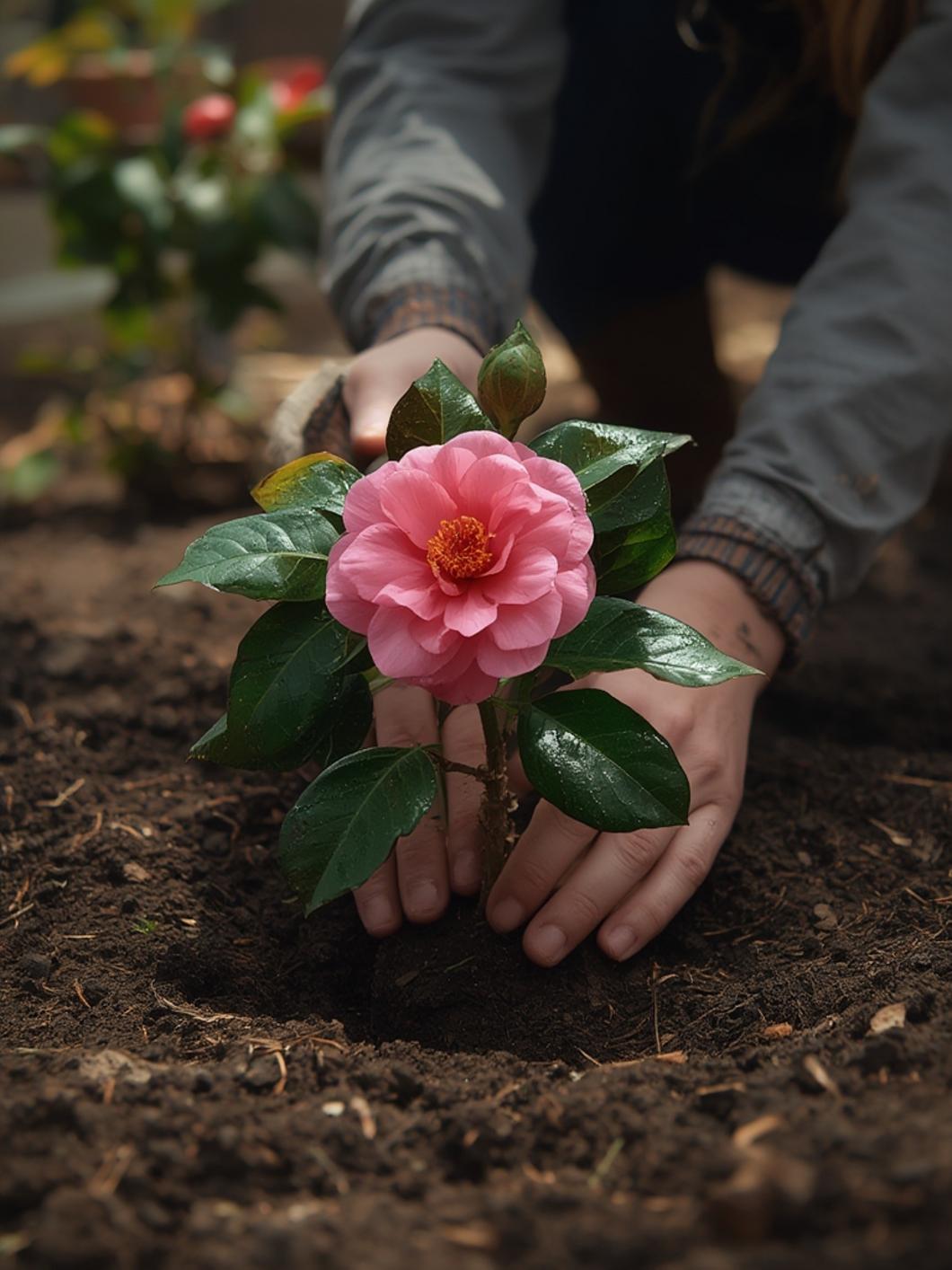
Camellias have a distinct growing cycle that gardeners should understand for optimal results:
- Planting time: Fall is ideal (September to November), allowing roots to establish before summer heat
- Growth period: Slow but steady growth occurs in spring and summer
- Flowering period: Varies by variety, typically from late fall through early spring
- Establishment time: Expect 2-3 years for plants to become fully established
- Maturity: Reaches full maturity in 10-15 years, though flowering begins much earlier
Unlike many flowering shrubs that bloom in spring and summer, camellias provide winter interest when most gardens lack color.
Step-by-Step Instructions
1. Select the right location: Choose a spot with partial shade, protected from harsh afternoon sun and strong winds. The japanese camellia prefers dappled sunlight beneath tall trees.
2. Test and prepare soil: Ensure soil pH between 5.5-6.5. Amend alkaline soils with sulfur or peat moss to increase acidity. Camellia japonica will struggle in heavy clay soils, so add organic matter to improve drainage.
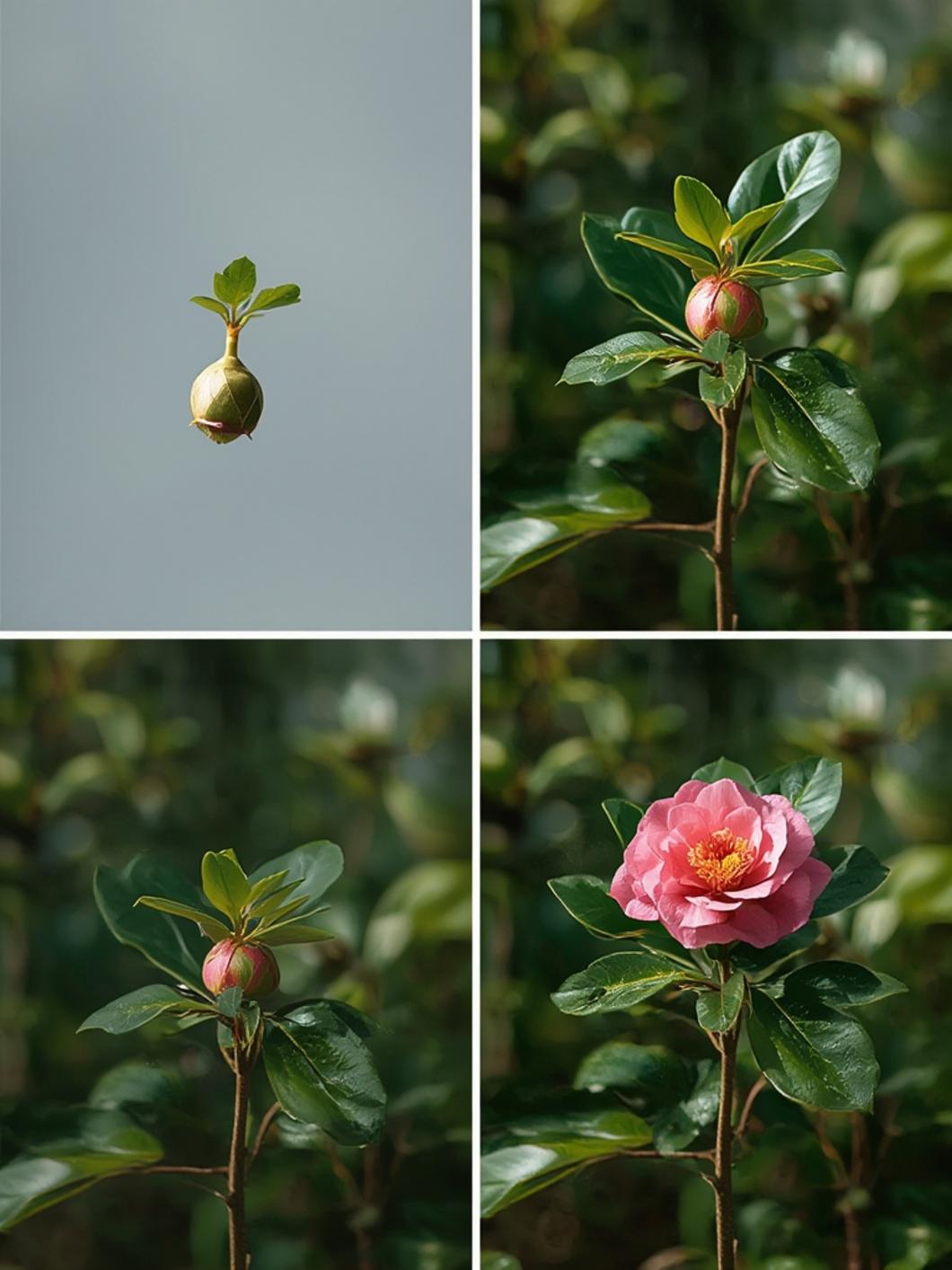
3. Dig an appropriate hole: Make it twice as wide as the root ball but no deeper. This encourages horizontal root growth.
4. Plant carefully: Position the plant so the top of the root ball is slightly above soil level. Backfill with amended soil, tamping gently to eliminate air pockets.
5. Water thoroughly: Create a basin around the plant and water deeply. Apply a 2-3 inch layer of mulch to retain moisture.
6. Establish a watering routine: Water deeply but infrequently during the first year (about once weekly). Once established, water during dry periods.
7. Fertilize appropriately: Apply specialized camellia fertilizer in spring after flowering, following package directions.
Nutritional Benefits / Advantages
While camellias are primarily ornamental, they offer several benefits:
- Camellia leaves contain antioxidants and have been used in traditional medicine
- The plants improve air quality by filtering pollutants
- Their dense evergreen foliage provides habitat for birds and wildlife
- As long-lived plants, they sequester carbon and contribute to environmental sustainability
- Camellia oil (from seeds) is used in cosmetics and cooking in some cultures
Tips, Alternative Methods, or Gardening Advice
- Container growing: Choose a pot at least 16 inches wide with excellent drainage. Use a high-quality potting mix for acid-loving plants.
- Indoor cultivation: Select compact varieties for indoor growing. Place near east-facing windows and maintain humidity.
- Cold climate considerations: In zones 6 and below, plant on the east side of buildings for protection from winter winds.
- Companion planting: Pair with azaleas, ferns, and hostas for complementary textures and similar growing requirements.
- Propagation methods: Try air-layering in spring for reliable reproduction of favorite varieties.
Common Mistakes to Avoid
- Planting too deeply: This is the most common cause of camellia failure. Keep the root crown slightly above soil level.
- Overwatering: Camellias hate soggy roots. Ensure good drainage and avoid frequent shallow watering.
- Incorrect pH: Using alkaline soils or hard tap water can cause yellowing leaves and poor growth.
- Improper pruning timing: Pruning after July removes next year’s flower buds. Prune only after flowering.
- Sudden exposure changes: Don’t suddenly move container plants from shade to sun, which can cause leaf scorch.
Storage / Maintenance Tips
- Watering: Consistent moisture is key, especially during bud formation. Water deeply when the top inch of soil feels dry.
- Pruning: Shape plants after flowering ends. Remove dead or crossing branches and thin interior growth for better air circulation.
- Fertilizing: Apply acid-based fertilizer in spring after flowering and again in early summer. Avoid late-season fertilizing.
- Pest control: Monitor for scale insects, aphids, and spider mites. Treat with horticultural oil or insecticidal soap as needed.
- Winter protection: In colder regions, protect plants with burlap screens or anti-desiccant sprays.
Conclusion
Growing the japanese camellia rewards gardeners with spectacular blooms during the coldest months when gardens typically lack color. While these shrubs require specific conditions and some specialized care, their longevity and beauty make them well worth the effort. Whether you’re adding them to your landscape beds or growing them in containers, the Camellia japonica offers decades of enjoyment with relatively modest maintenance once established. Try your hand at growing these elegant flowering shrubs and discover why they’ve been treasured in gardens worldwide for centuries. Share your camellia growing success stories in the comments below!
FAQs
How long does it take for a camellia to bloom after planting?
Young plants typically take 2-3 years to establish before producing significant blooms. Grafted plants may flower sooner than those grown from seeds.
Can camellias grow in full sun?
Most camellias prefer partial shade, especially protection from hot afternoon sun. In cooler climates, they can tolerate more sun as long as they receive adequate moisture.
Why are the buds on my camellia turning brown and falling off?
Bud drop can result from extreme temperature fluctuations, drought stress, or excess moisture. Consistent watering and protection from freezing temperatures can prevent this issue.
How often should I fertilize my camellia?
Fertilize twice yearly: once after flowering ends (usually spring) and again lightly in early summer. Use acid-forming fertilizers specifically formulated for camellias or acid-loving plants.
Can I grow camellias from cuttings?
Yes, semi-hardwood cuttings taken in early summer can be rooted, though the process requires patience. Use rooting hormone and maintain high humidity for best results.