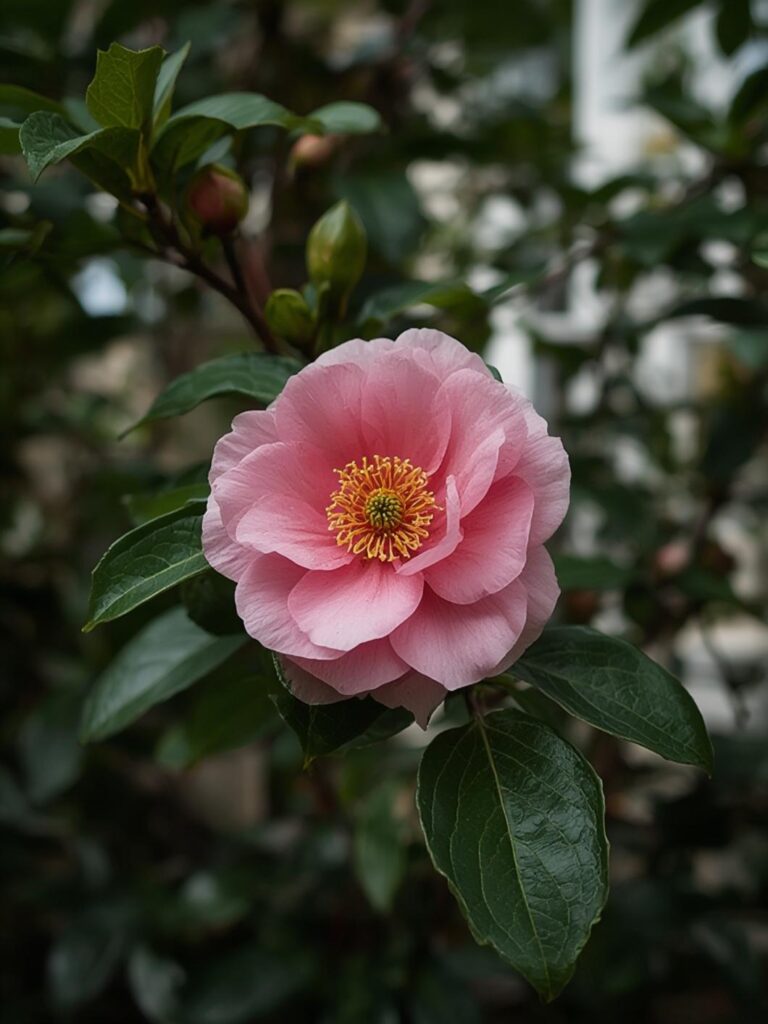
Quick way to make 5 sasanqua camellias thrive
Table of Contents
How to Grow and Care for Sasanqua Camellia: A Complete Guide
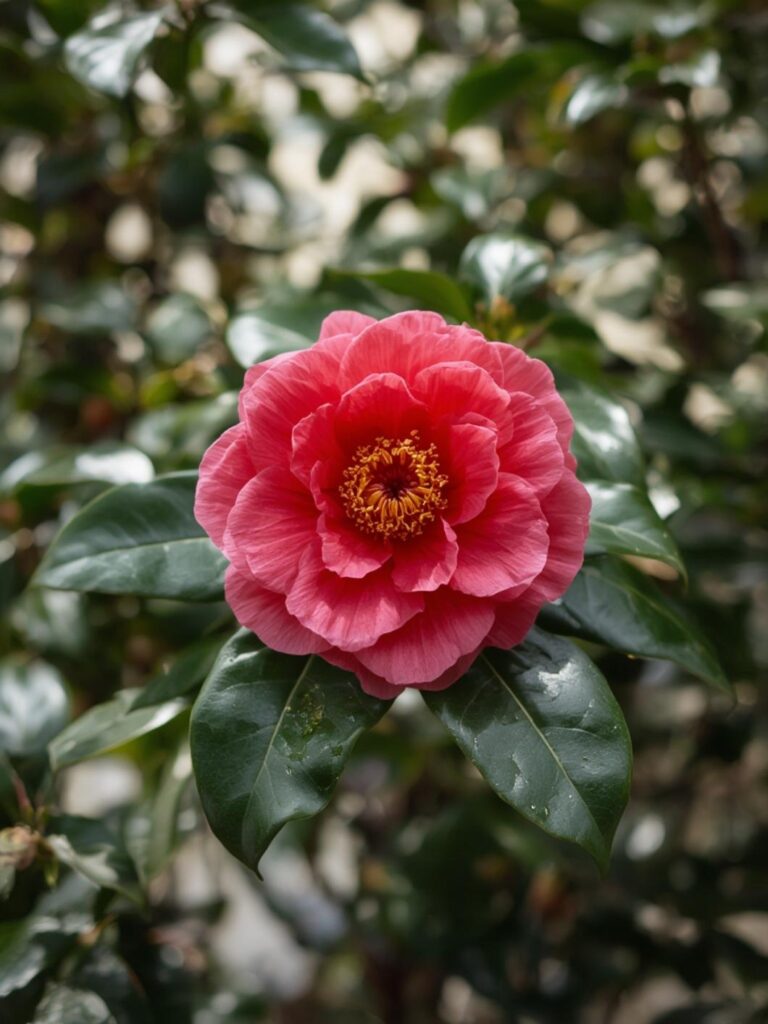
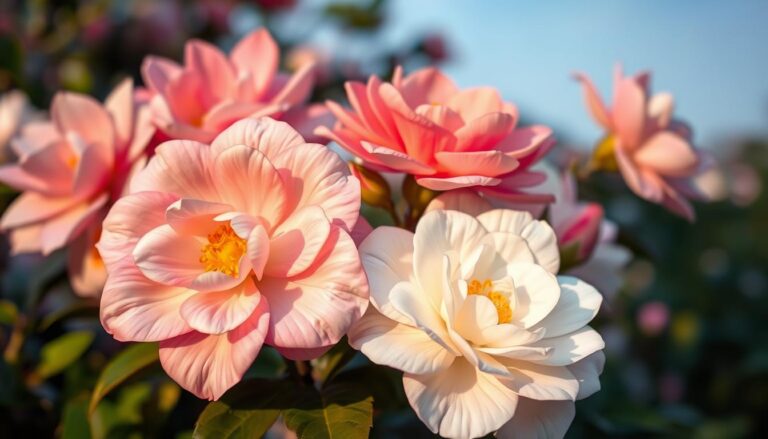
Have you ever admired the elegant winter blooms of a sasanqua camellia and wondered if you could grow this stunning evergreen shrub in your own garden? With their glossy foliage and beautiful flowers that bloom when most other plants have gone dormant, these Asian beauties add remarkable color and structure to winter landscapes. The sasanqua camellia varieties offer gardeners a wonderful opportunity to enjoy flowers during the colder months, with options ranging from pure white to deep pink and red. This comprehensive guide will walk you through everything you need to know about cultivating these exquisite plants at home.
Thank you for reading this post, don't forget to subscribe!Materials & Supplies
To successfully grow sasanqua camellias, you’ll need:
- Healthy camellia plant or seeds (1-3 gallon size plants recommended for beginners)
- Acidic potting soil or garden soil with pH between 5.5-6.5
- Peat moss or pine bark for soil amendment
- Slow-release acidic fertilizer specifically for camellias or acid-loving plants
- Mulch (pine straw or bark works best)
- Watering can or garden hose with gentle spray attachment
- Pruning shears for maintenance
- pH testing kit to monitor soil acidity
- Shade cloth (for plants in intense afternoon sun locations)
- Large container with drainage holes (if container planting)
Timing / Growing Schedule
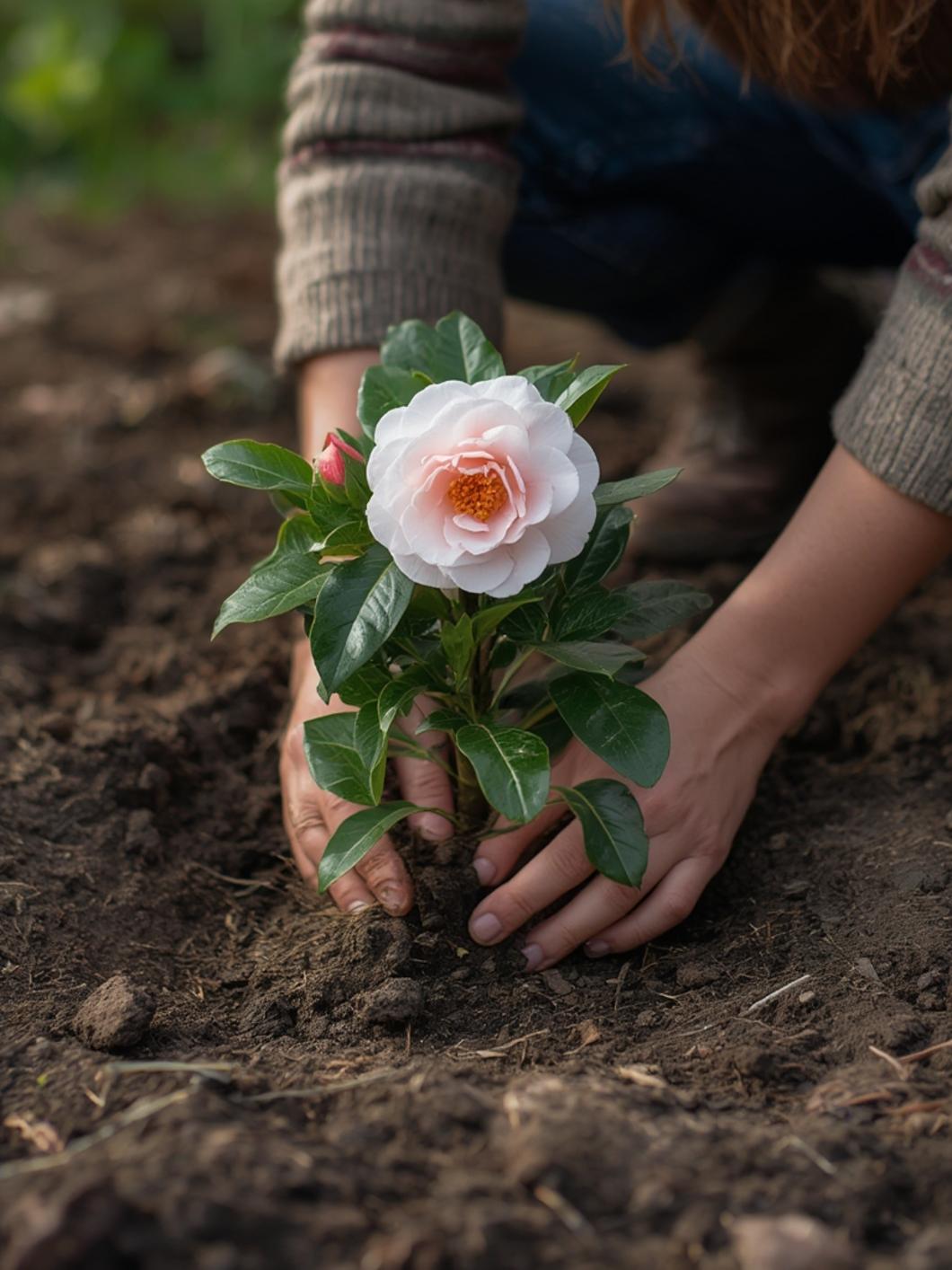
Sasanqua camellias follow a specific growing schedule that gardeners should understand:
- Planting time: Fall is ideal (September to November in most regions), giving roots time to establish before summer heat.
- Growth period: These are slow-growing shrubs that add about 6-12 inches annually.
- Blooming season: Unlike their spring-blooming cousins (Camellia japonica), sasanquas flower from early fall through winter (October to January).
- Establishment period: Expect 2-3 years for plants to become fully established.
- Maturity: Reaches full size in approximately 10-15 years, eventually growing 6-10 feet tall depending on variety.
Step-by-Step Instructions
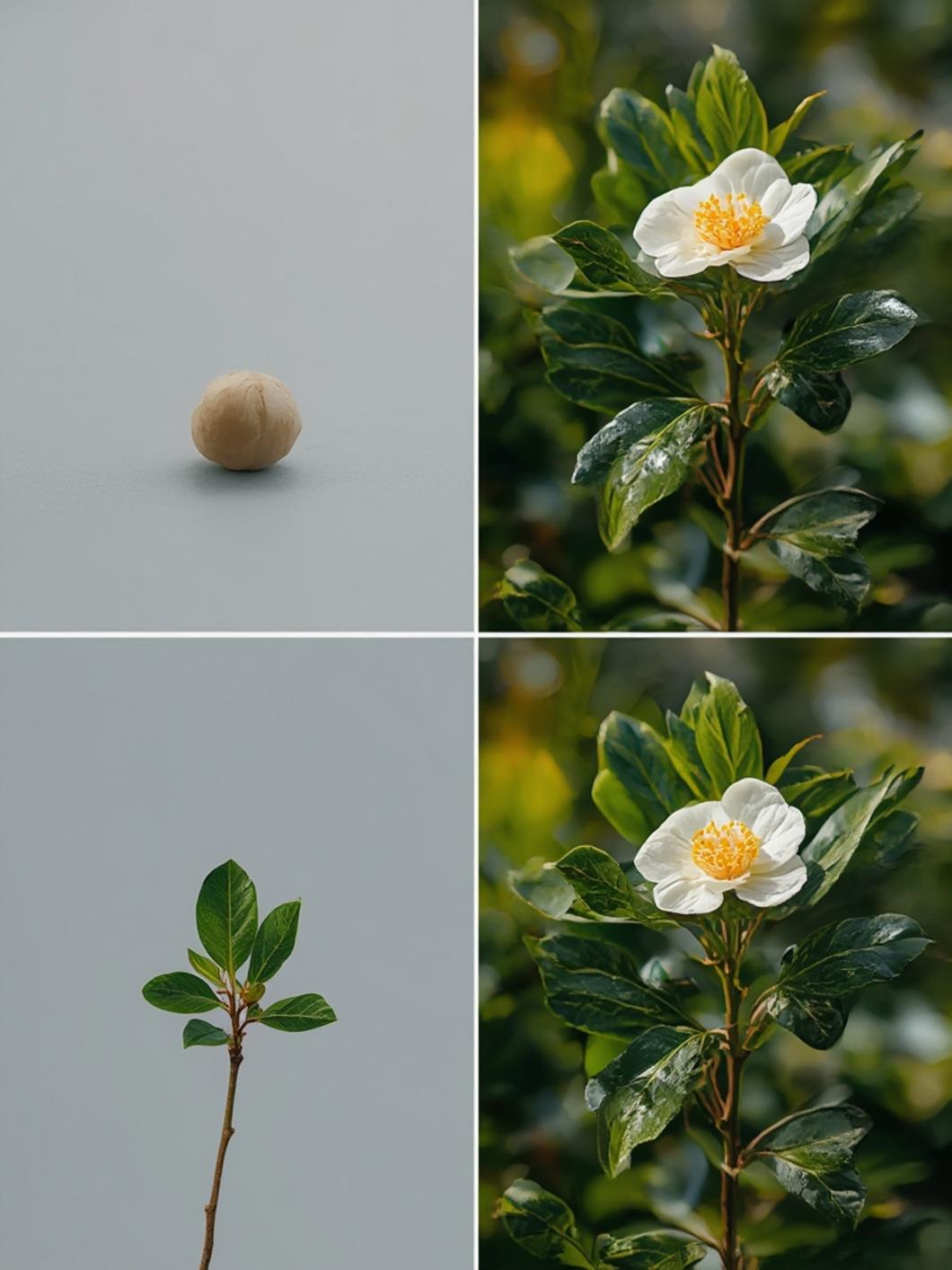
1. Select the perfect location: Choose a spot with morning sun and afternoon shade. The sasanqua camellia appreciates protection from hot afternoon sun but needs more light than its japonica cousins. Eastern exposures work beautifully.
2. Test and prepare soil: Ensure soil pH is between 5.5-6.5. If your soil is alkaline, amend with sulfur or peat moss to increase acidity. Work in organic matter to improve drainage.
3. Dig the planting hole: Create a hole twice as wide as the root ball but only as deep as the container height. The top of the root ball should sit slightly above soil level.
4. Plant carefully: Remove the plant from its container, gently loosen outer roots, and place in the hole. Backfill with soil mixed with compost, creating a slight mound.
5. Water thoroughly: After planting, water deeply to eliminate air pockets. Various sasanqua camellia varieties need consistent moisture during establishment.
6. Apply mulch: Add 2-3 inches of mulch around the plant, keeping it away from the trunk to prevent rot.
Nutritional Benefits / Advantages
While not typically grown for consumption, sasanqua camellias offer numerous garden benefits:
- Year-round visual interest with glossy evergreen foliage
- Provide critical winter food sources for pollinators
- Excellent for hedges, privacy screens, and foundation plantings
- More sun-tolerant and typically more drought-resistant than japonica camellias
- Can be used for bonsai and container gardens
- Flowers can be floated in water bowls for elegant indoor displays
Tips, Alternative Methods, or Gardening Advice
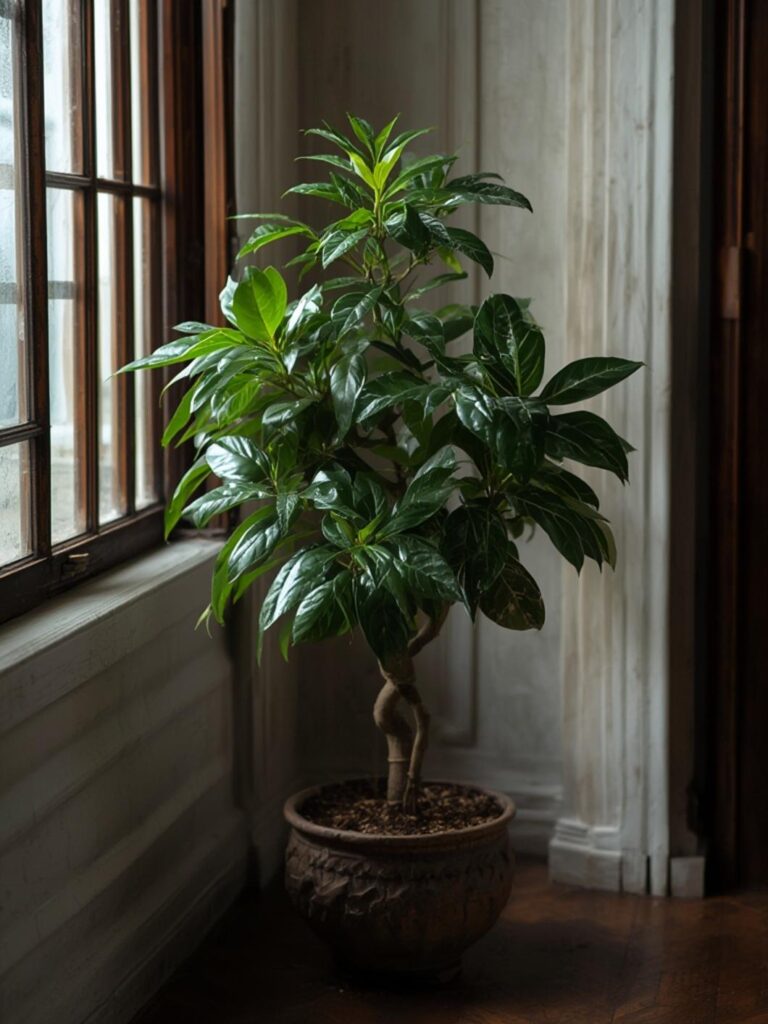
- Container growing: Select a pot at least 18 inches in diameter with excellent drainage. Use acidic potting mix designed for camellias or azaleas.
- Espalier technique: These camellias can be trained against walls or fences in formal patterns.
- Pruning for shape: Unlike many flowering shrubs, sasanquas respond well to pruning for hedges or formal shapes.
- Companion planting: Pair with ferns, azaleas, and other acid-loving plants for complementary garden design.
- Microclimates: In colder regions, plant near buildings or walls that offer winter protection.
Common Mistakes to Avoid
1. Planting too deep: This can cause root rot and slow death. Ensure the top of the root ball remains slightly above soil level.
2. Improper watering: Both overwatering and underwatering stress plants. Aim for consistent moisture, especially during establishment and bloom time.
3. Wrong soil pH: Yellowing leaves often indicate alkaline soil conditions. Regular soil testing helps maintain proper acidity.
4. Heavy pruning at the wrong time: Prune immediately after flowering ends to avoid removing next season’s flower buds.
5. Fertilizing at the wrong time: Never fertilize after midsummer as this can stimulate tender growth vulnerable to winter damage.
Storage / Maintenance Tips
- Watering: Provide deep, infrequent watering rather than frequent shallow irrigation.
- Fertilization: Apply camellia/azalea fertilizer in spring after flowering and again in early summer.
- Pruning: Shape and thin after flowering finishes but before new growth begins.
- Winter care: Provide protection from harsh winds in colder regions.
- Pest management: Monitor for scale insects, spider mites, and aphids; treat with horticultural oil if needed.
- Leaf litter: Remove fallen flowers and leaves to prevent disease spread.
Conclusion
Growing a sasanqua camellia rewards gardeners with spectacular winter blooms when the garden needs color most. With proper site selection, soil preparation, and ongoing care, these elegant shrubs will thrive for decades, becoming more beautiful with age. Whether you’re drawn to the simple elegance of ‘Setsugekka’ or the vibrant hues of ‘Yuletide,’ the diverse sasanqua camellia varieties offer options for nearly every landscape. Why not add one to your garden this season and enjoy the winter beauty these remarkable plants provide?
FAQs
How much sun can sasanqua camellias tolerate?
Sasanqua camellias can handle more sun than japonica varieties, preferring morning sun and afternoon shade. In cooler climates, they may tolerate more sun, while in hot regions, they benefit from protection during intense afternoon heat.
When is the best time to transplant a sasanqua camellia?
Late fall or winter during dormancy is ideal for transplanting. Avoid moving them during summer heat or when they’re actively flowering.
Why are my camellia buds dropping before opening?
Bud drop often results from environmental stress, including drought, sudden temperature changes, or extreme cold. Consistent moisture and protection from harsh conditions can prevent this issue.
Can sasanqua camellias be grown in containers long-term?
Yes, they adapt well to container culture with proper care. Use large containers with excellent drainage, appropriate acidic soil, and regular watering. They’ll need repotting every 3-5 years as they grow.
How do I distinguish between sasanqua and japonica camellias?
Sasanquas typically have smaller leaves and flowers than japonicas, bloom in fall/early winter rather than late winter/spring, have a more open growth habit, and are generally more sun and drought tolerant.