Best Way to Make Camellia SAS Bloom in 5 Steps
Table of Contents
How to Grow Beautiful Camellia Sasanqua at Home: A Complete Guide
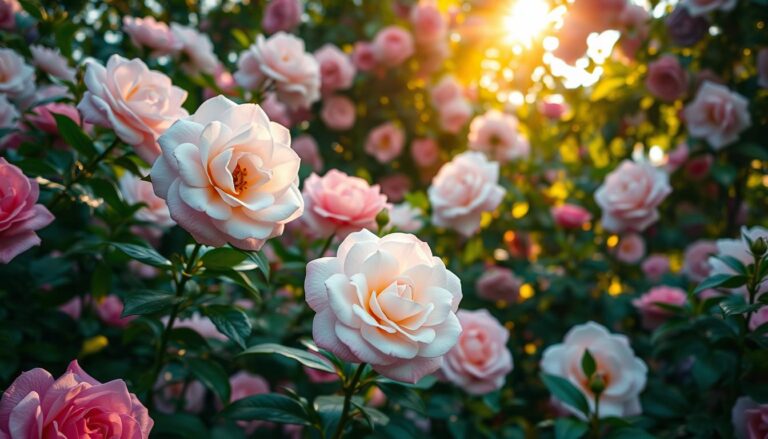
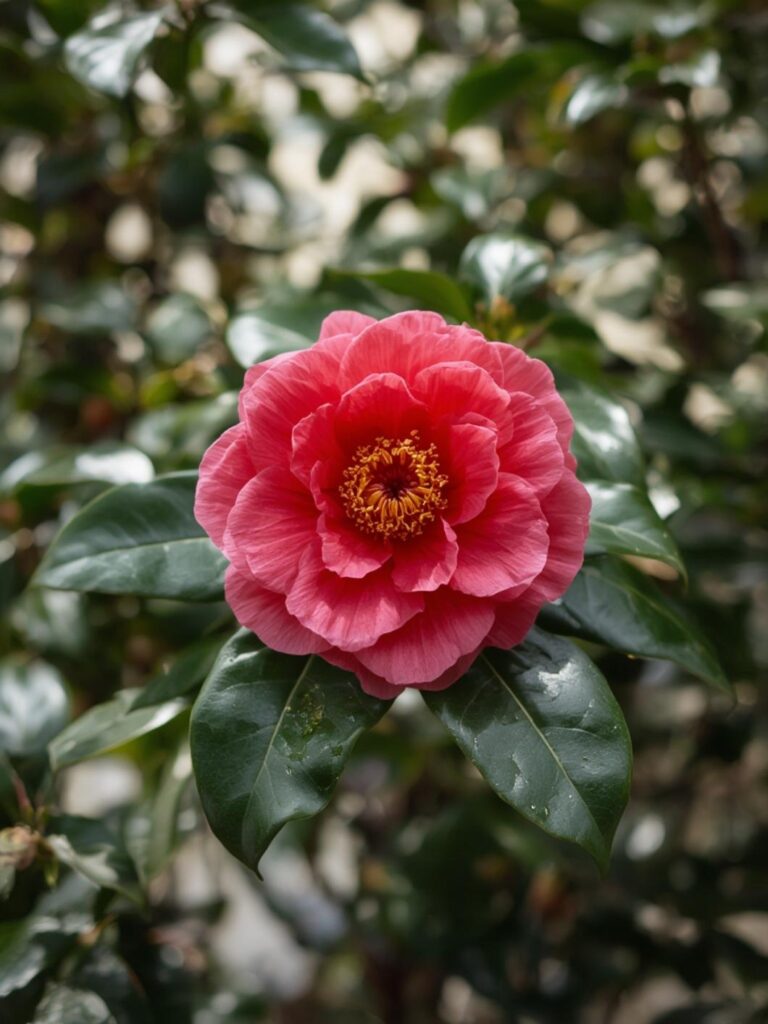
Have you ever admired the stunning blooms of camellia sas (Camellia sasanqua) in gardens and wondered if you could grow them in your own space? These elegant flowering shrubs are not only ornamental showstoppers but also the source of delightful camellia sas tea varieties. Growing your own camellia sasanqua offers the dual rewards of breathtaking blooms and the potential to harvest your own tea leaves. With their glossy evergreen foliage and fall-to-winter blooms, these plants can transform any garden into a picturesque retreat during seasons when other plants have gone dormant.
Thank you for reading this post, don't forget to subscribe!Materials & Supplies
To successfully grow camellia sasanqua at home, you’ll need:
1. Camellia sasanqua plants or seeds: Choose varieties suited to your climate zone (most thrive in USDA zones 7-9)
2. Acidic potting mix: Look for soil with a pH between 5.5-6.5, or amend regular potting soil with peat moss
3. Large containers (if growing in pots): Minimum 16-18 inches in diameter with drainage holes
4. Acid-loving plant fertilizer: Slow-release formulations work best
5. Watering can or drip irrigation system: For consistent moisture
6. Pruning shears: For shaping and removing dead wood
7. Mulch: Pine needles or bark to retain soil moisture
8. Shade cloth: For protection in areas with intense afternoon sun
9. pH testing kit: To monitor soil acidity levels
10. Neem oil or insecticidal soap: For pest management
Timing / Growing Schedule
Camellias have a distinct growing schedule that gardeners should understand:
Planting time: Early fall is ideal (September-October in Northern Hemisphere), giving roots time to establish before flowering. Spring planting (March-April) is the second-best option.
Growth phases:
- Establishment period: 1-2 years for plants to become well-rooted
- Growth spurt: Years 3-5 see significant foliage development
- Maturity: Full flowering potential reached around year 5-7
Blooming schedule: Unlike their spring-blooming cousins (Camellia japonica), sasanqua varieties flower from fall through early winter (October to January), providing color when gardens typically lack blooms.
Harvest time (for tea leaves): Young leaves can be harvested in spring, with the first flush offering the most delicate flavor.
Step-by-Step Instructions
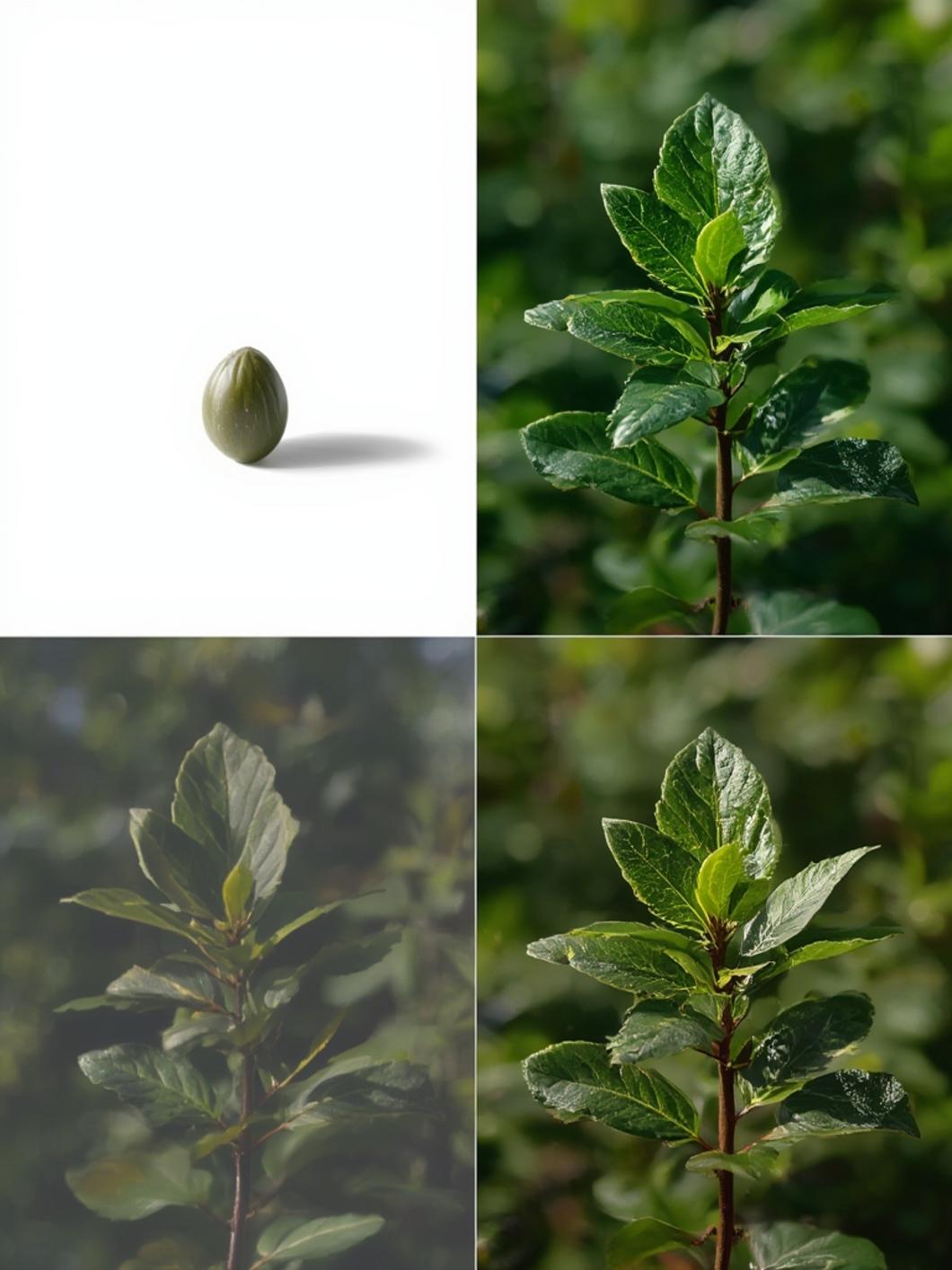
1. Select the perfect location: Choose a spot with filtered sunlight or morning sun with afternoon shade. camellia sas plants appreciate protection from harsh afternoon rays. North or east-facing locations often work best.
2. Prepare the soil: Create a well-draining, acidic soil environment. Mix existing garden soil with ample organic matter such as compost and peat moss. For container growing, use a high-quality acidic potting mix.
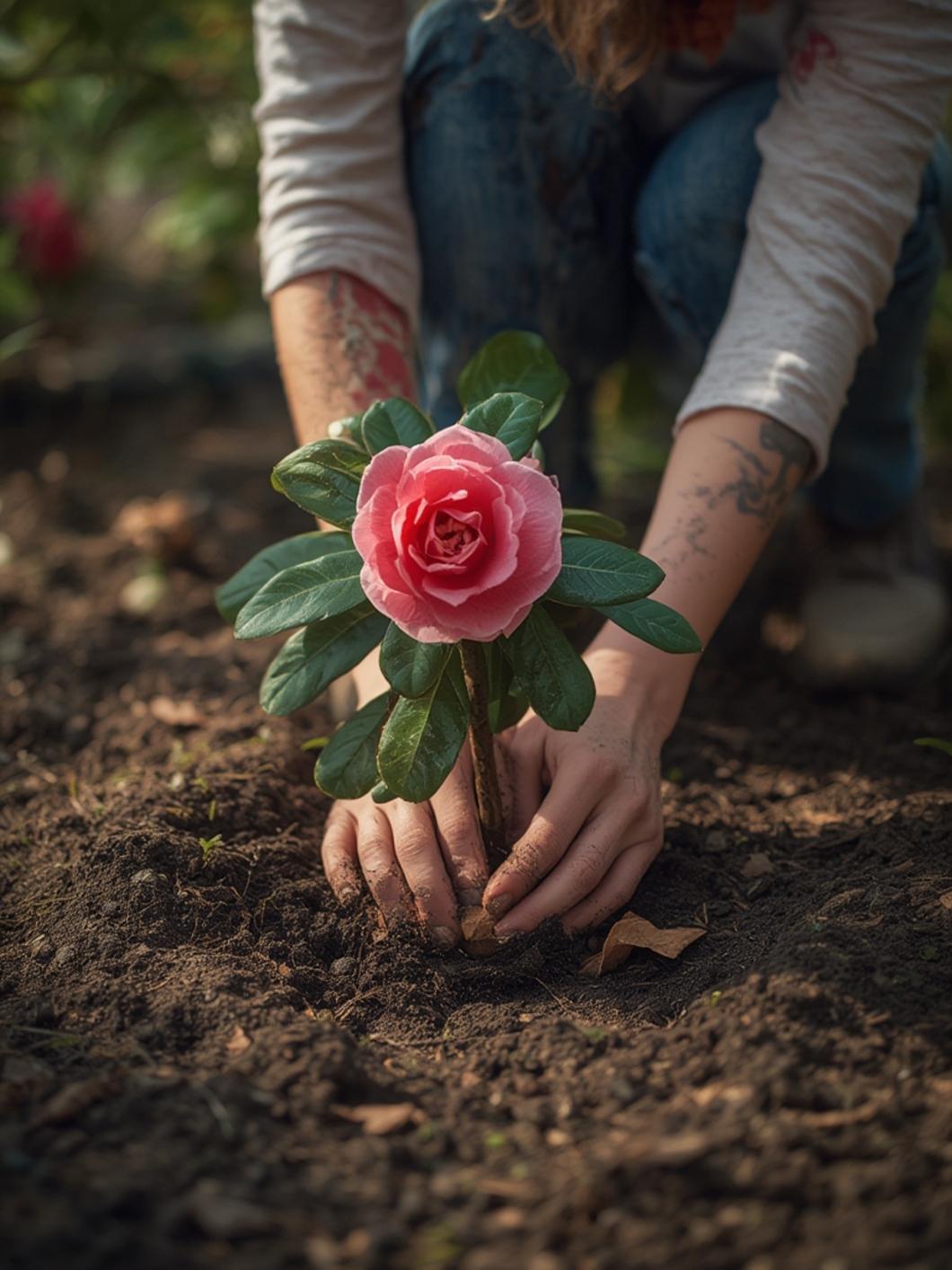
3. Plant properly: Dig a hole twice as wide as the root ball but only as deep. Place the plant so the top of the root ball sits slightly above soil level. This prevents water from collecting around the trunk.
4. Mulch thoroughly: Apply a 2-3 inch layer of mulch around the plant, keeping it a few inches away from the stem. Pine straw or pine bark works exceptionally well for maintaining soil acidity.
5. Water consistently: Keep soil moist but not soggy during the first year. Once established, water deeply once weekly unless there’s rainfall. Using collected rainwater is ideal as it won’t alter soil pH.
6. Fertilize appropriately: Apply acid-loving plant fertilizer in spring after flowering has finished. Avoid high-nitrogen formulations which promote foliage at the expense of blooms.
7. Prune strategically: Shape and thin your camellia sas tea plants right after flowering ends. Remove any crossing, damaged, or diseased branches to improve air circulation.
8. Protect from extreme conditions: Shield young plants from harsh winter winds with burlap screens and provide temporary shade during summer heat waves.
Nutritional Benefits / Advantages
Camellia sasanqua offers multiple benefits:
- Tea production: Leaves contain antioxidants including catechins and polyphenols
- Air purification: Dense evergreen foliage filters air pollutants
- Erosion control: Extensive root systems help stabilize slopes
- Wildlife support: Flowers provide nectar for late-season pollinators
- Therapeutic value: Camellia tea contains L-theanine, which promotes relaxation
- Cosmetic applications: Camellia oil extracted from seeds benefits skin and hair
Tips, Alternative Methods, or Gardening Advice
- Container growing: Use large, deep pots with ample drainage holes. These plants can thrive in containers for many years with proper care.
- Espalier technique: Train camellias against walls to save space and create stunning flowering displays in small gardens.
- Companion planting: Pair with other acid-loving plants like azaleas, rhododendrons, and blueberries.
- Indoor cultivation: Compact varieties can be grown indoors in bright rooms with cool temperatures (55-65°F) and high humidity.
- Regional adaptations: In warmer zones (9+), provide additional afternoon shade; in cooler zones (6-7), choose protected locations and cold-hardy varieties.
Common Mistakes to Avoid
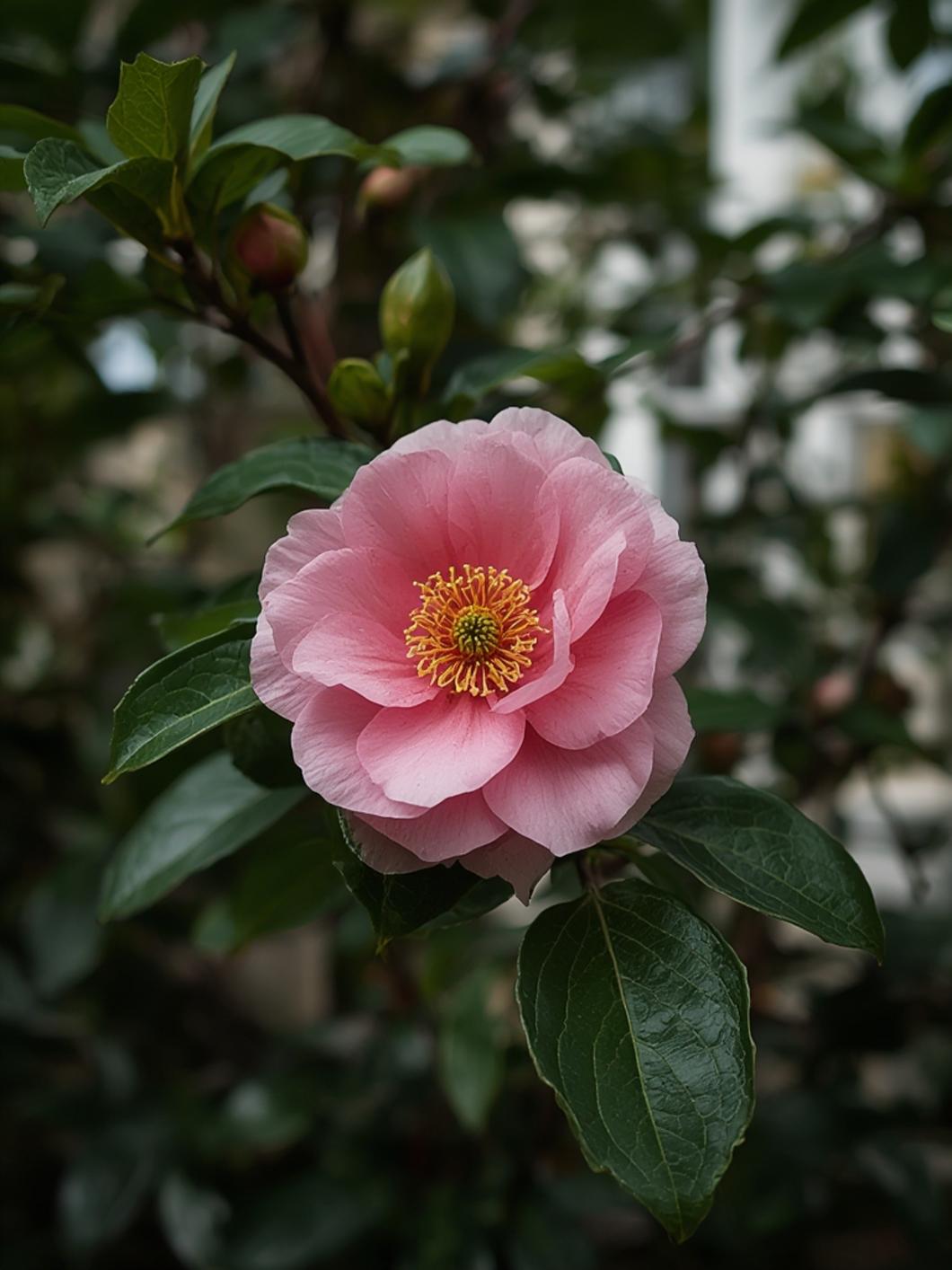
1. Planting too deeply: This common error leads to trunk rot and eventual plant death. Always keep the top of the root ball slightly above ground level.
2. Improper watering: Both drought and waterlogging stress camellias. Establish a consistent watering schedule based on weather conditions and soil moisture.
3. Using alkaline water: Tap water in hard water areas can gradually raise soil pH. Use collected rainwater when possible or acidify irrigation water.
4. Excessive fertilization: Over-fertilizing produces lush foliage at the expense of flowers and makes plants more susceptible to pests.
5. Untimely pruning: Pruning after bud formation removes next season’s flowers. Always prune immediately after flowering ends.
Storage / Maintenance Tips
- Ongoing care: Apply fresh mulch annually in spring after fertilizing.
- Pest management: Monitor for scale insects, spider mites, and aphids. Treat promptly with horticultural oil or insecticidal soap.
- Disease prevention: Maintain good air circulation to prevent fungal issues. Remove and destroy any diseased leaves or branches.
- Seasonal adjustments: Increase watering during dry spells and reduce during rainy periods.
- Winter protection: In zone 7, provide wind protection and mulch heavily around roots.
- Tea leaf storage: Harvest young leaves, wither them in shade for 1-2 days, then dry completely before storing in airtight containers.
Conclusion
Growing camellia sas rewards gardeners with stunning blooms during the cooler months and the opportunity to harvest camellia sas tea leaves for homemade beverages. While they require some specific conditions, the beauty and benefits these plants provide make them well worth the effort. Their low-maintenance nature once established means you’ll enjoy their elegant presence for decades with minimal intervention. Why not add these magnificent flowering shrubs to your landscape this season and enjoy both their ornamental and practical benefits?
FAQs
How long does it take for camellia sasanqua to bloom after planting?
Newly planted camellias may bloom lightly in their first season, but expect full flowering to develop over 2-3 years as the plant establishes its root system.
Can camellia sasanqua survive freezing temperatures?
Most varieties can tolerate brief periods down to about 10°F (-12°C), but flower buds may be damaged at these temperatures. Choose cold-hardy varieties for zones 6-7.
How do I know if my soil is acidic enough for camellias?
Test your soil pH with a home testing kit. Camellia sasanqua prefers soil with pH 5.5-6.5. If your soil is more alkaline, amend with sulfur, peat moss, or use acidic fertilizers.
Why are my camellia leaves turning yellow?
Yellowing leaves often indicate chlorosis from insufficient soil acidity. Other causes include overwatering, poor drainage, or nutrient deficiencies. Check soil pH and drainage first.
How do I harvest and process camellia leaves for tea?
Harvest young, light green leaves and leaf buds in spring. Wither them in shade for 1-2 days, then dry completely in a dehydrator or oven at very low temperature (150°F/65°C) until crisp. Store in airtight containers away from light.