Quick way to make 5-Ingredient Chicken Gravy Recipe
Table of Contents
Perfect Homemade Chicken Gravy
There’s something uniquely comforting about a warm, rich gravy ladled over mashed potatoes or tender chicken. Creating your own homemade gravy elevates any meal from ordinary to extraordinary with minimal effort.
Thank you for reading this post, don't forget to subscribe!This chicken gravy recipe delivers deep, savory flavors that store-bought versions simply can’t match. Whether you’re preparing a weeknight dinner or hosting a holiday feast, mastering how to thicken gravy properly ensures you’ll achieve that perfect silky texture every time. With just a handful of ingredients and about 15 minutes, you’ll create a versatile sauce that transforms even the simplest meals into something special.
Ingredients List
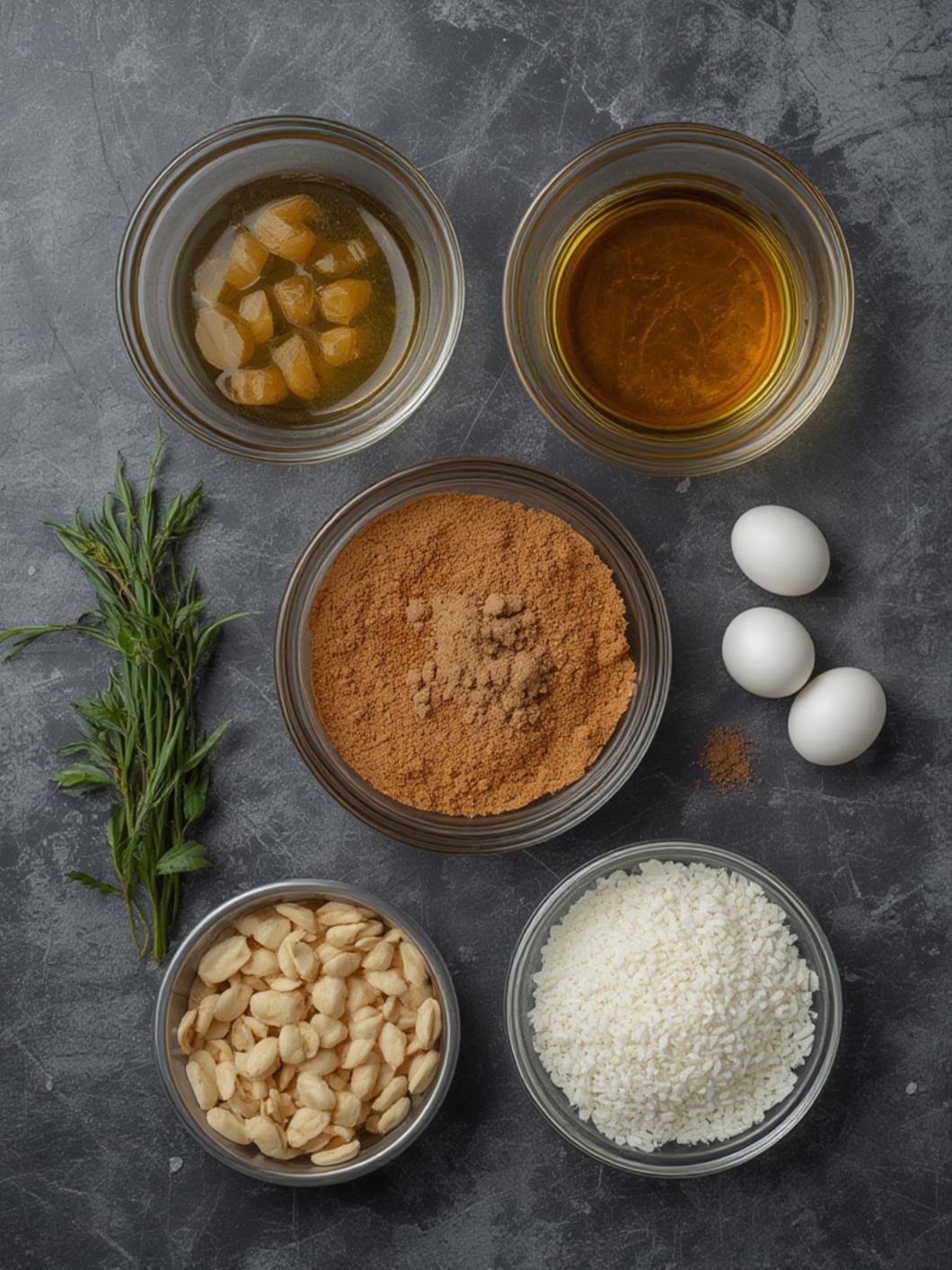
– 2 tablespoons unsalted butter
– 2 tablespoons all-purpose flour
– 2 cups chicken broth (homemade or low-sodium)
– 1/4 cup pan drippings from roasted chicken (optional but recommended)
– 1/2 teaspoon garlic powder
– 1/2 teaspoon onion powder
– 1/4 teaspoon dried thyme
– 1/4 teaspoon black pepper
– Salt to taste
– 2 tablespoons heavy cream (optional, for richness)
– 1 teaspoon soy sauce (optional, for color and depth)
Step-by-Step Instructions
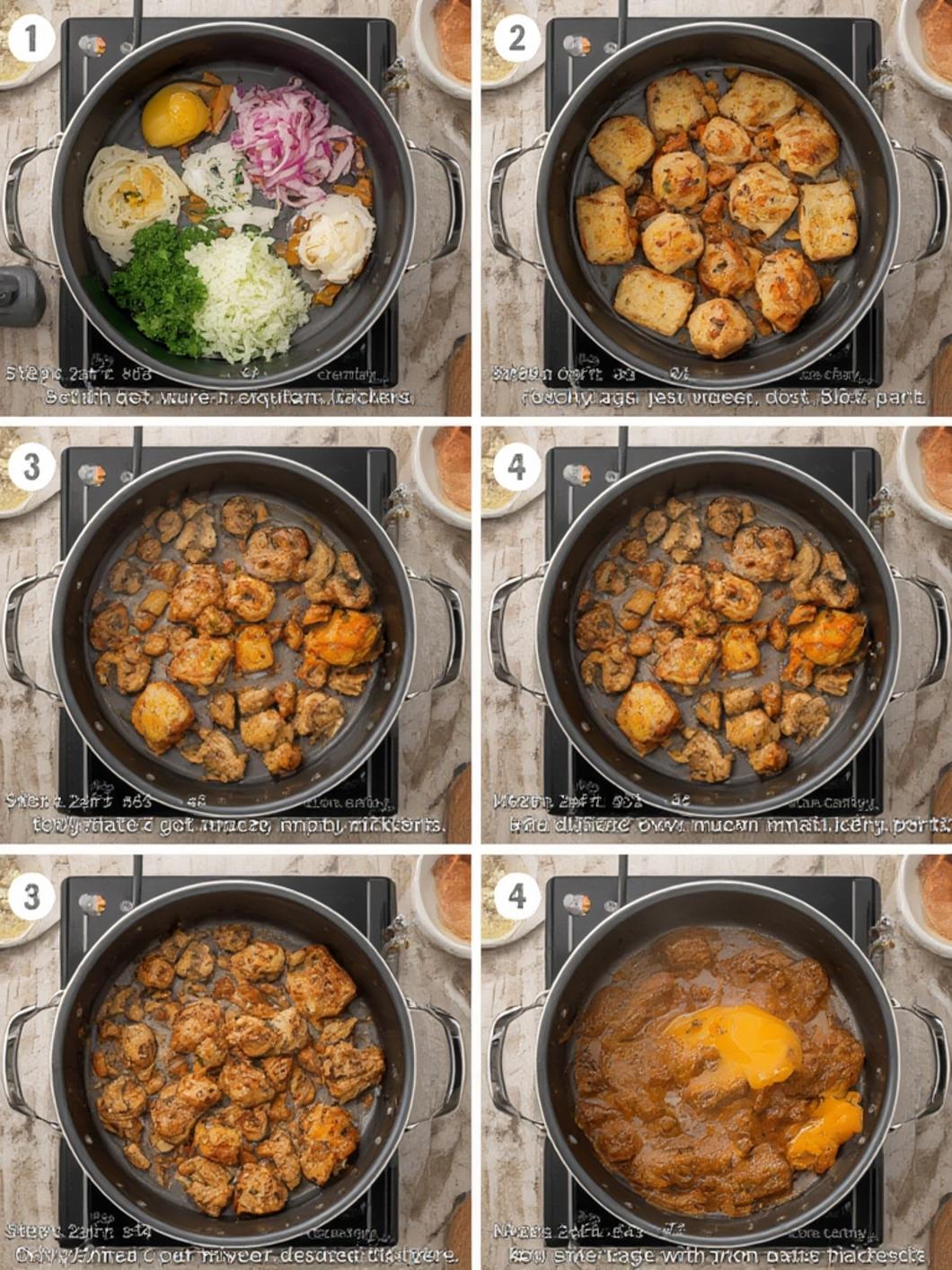
1. Melt butter in a medium saucepan over medium heat. Watch carefully to prevent burning.
2. Once the butter is melted and slightly bubbling, add the flour to create a roux. Whisk constantly for 2-3 minutes until it turns a light golden color. This cooking process eliminates the raw flour taste.
3. Slowly pour in about 1/4 of the chicken broth, whisking vigorously to prevent lumps from forming. Once smooth, gradually add the remaining broth and pan drippings (if using).
4. Add garlic powder, onion powder, thyme, and black pepper. Continue whisking while the mixture comes to a gentle simmer.
5. Reduce heat to medium-low and let the gravy simmer for 5-7 minutes, stirring occasionally. This is the critical stage in this chicken gravy recipe where you’ll monitor consistency and learn how to thicken gravy to your preferred texture.
6. If the gravy seems too thin, let it simmer longer to reduce. If it’s too thick, add a little more broth or water, about a tablespoon at a time.
7. For added richness, stir in heavy cream (if using) and soy sauce for color and umami flavor.
8. Taste and adjust seasonings as needed, adding salt gradually as the broth already contains sodium.
9. Remove from heat and serve immediately, or keep warm until ready to serve.
Preparation & Cooking Time

– Preparation time: 5 minutes
– Cooking time: 10-15 minutes
– Total time: 15-20 minutes
– Yield: Approximately 2 cups (serves 4-6)
Tips & Variations
Flavor Enhancements:
– Add 1/2 teaspoon of Worcestershire sauce for deeper flavor
– Include 1 tablespoon of finely minced fresh herbs (parsley, rosemary, or sage) in the final minute of cooking
– For a richer gravy, substitute 1/4 cup of the broth with dry white wine or dry sherry
Ingredient Substitutions:
– Use olive oil or chicken fat instead of butter for dairy-free options
– Substitute cornstarch slurry (1 tablespoon cornstarch mixed with 2 tablespoons cold water) for flour to make gluten-free gravy
– Replace heavy cream with coconut cream for a dairy-free alternative
– Use vegetable broth instead of chicken broth for a vegetarian version
Dietary Adaptations:
– Gluten-free: Use cornstarch, arrowroot powder, or gluten-free flour blend
– Dairy-free: Use olive oil instead of butter and omit cream
– Low-sodium: Use unsalted broth and add herbs for flavor instead of salt
Common Mistakes to Avoid
1. Lumpy Gravy: Always whisk the flour thoroughly into the fat before adding liquid, and add liquid gradually while whisking constantly.
2. Bland Flavor: Don’t skip the step of cooking the roux. Browning it slightly develops a nutty flavor. Also, taste before serving and adjust seasonings as needed.
3. Too Thin or Too Thick: Remember that gravy thickens as it cools. If it’s too thin, simmer longer or add a small amount of cornstarch slurry. If too thick, thin with additional broth.
4. Greasy Surface: If a layer of fat forms on top, skim it off with a spoon or blot gently with a paper towel.
5. Burning the Roux: Use medium heat and stir constantly when making the roux. Burned flour will ruin your gravy.
Storage & Reheating Tips
– Refrigeration: Store cooled gravy in an airtight container for up to 3 days in the refrigerator.
– Freezing: Gravy can be frozen for up to 3 months. Pour cooled gravy into ice cube trays or freezer-safe containers. Leave space for expansion.
– Thawing: Thaw frozen gravy overnight in the refrigerator before reheating.
– Reheating: Warm gravy in a saucepan over low heat, stirring frequently. Add a splash of broth or water to reach desired consistency, as gravy thickens when stored.
– Revitalizing: If the gravy separates after storage, whisk vigorously while reheating to recombine ingredients.
Conclusion
Mastering this chicken gravy recipe will forever change your home-cooked meals. The deep savory flavors and silky texture elevate everything from roasted chicken to open-faced sandwiches. Understanding how to thicken gravy properly is a culinary skill that pays dividends in creating consistent, restaurant-quality results. This versatile sauce can be adapted countless ways to complement different meals and dietary needs. With practice, you’ll develop an intuitive sense for the perfect consistency and seasoning balance. We encourage you to experiment with different herbs and flavor additions to make this recipe uniquely yours. Your family and guests will taste the difference that homemade care brings to the table!
FAQs
Can I make this gravy ahead of time?
Yes! This gravy can be made 1-2 days ahead and stored in the refrigerator. Reheat gently on the stove, adding a splash of broth if needed to thin it back to the desired consistency.
My gravy is too thin. What should I do?
Continue simmering to reduce and thicken naturally, or make a slurry with 1 teaspoon cornstarch mixed with 2 teaspoons cold water. Add this to the simmering gravy and cook for another minute until thickened.
Can I use chicken bouillon instead of broth?
Absolutely. Dissolve chicken bouillon cubes or paste according to package directions to create the equivalent amount of broth. Be mindful of the salt content, as bouillon can be saltier than broth.
How can I make a darker, richer gravy?
For darker gravy, cook the roux longer until it’s a medium brown color. You can also add a small amount of kitchen bouquet, soy sauce, or a touch of instant coffee granules for color and depth.
Is there a way to rescue a lumpy gravy?
If your gravy develops lumps, strain it through a fine-mesh sieve or blend it with an immersion blender until smooth. For future batches, remember to whisk constantly when adding liquid to the roux.