How to make the perfect 5-ingredient steak tartare recipe
Table of Contents
Classic Steak Tartare: A Delicious Raw Beef Delicacy
Raw beef dishes have long been cherished in culinary traditions around the world, from Ethiopia’s kitfo to Italy’s carpaccio. Among these prized preparations, classic steak tartare recipe stands out as perhaps the most refined and celebrated. This elegant dish transforms premium raw beef into a velvety, flavor-packed experience that balances rich meat with bright, zesty accompaniments.
Thank you for reading this post, don't forget to subscribe!While many diners only encounter this delicacy at high-end restaurants, creating a restaurant-quality beef tartare recipe at home is surprisingly simple, requiring quality ingredients and proper technique rather than complex cooking methods. The result is a sophisticated appetizer that will impress even the most discerning food enthusiasts.
Ingredients List
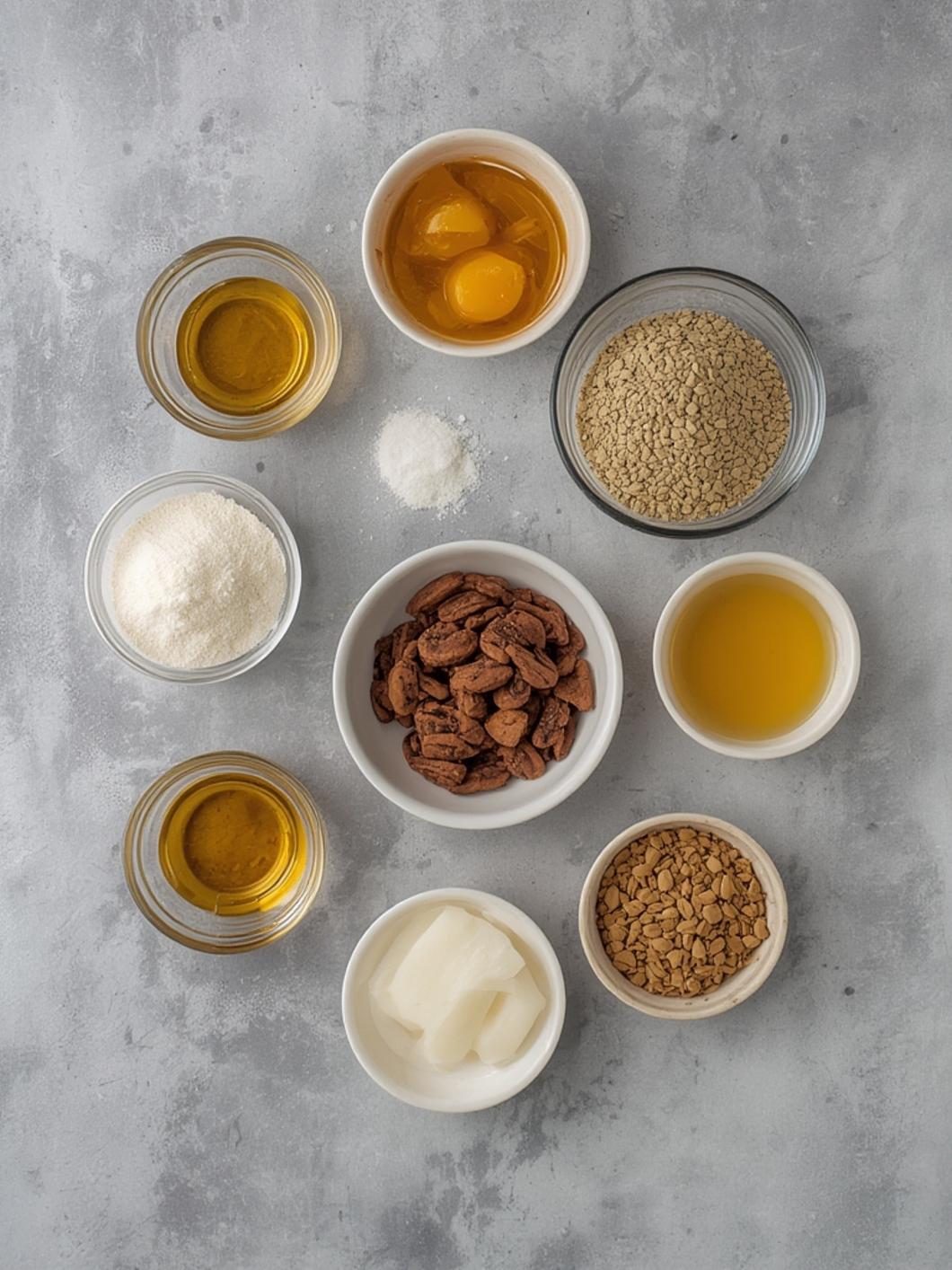
For the Tartare:
– 1 pound (450g) fresh beef tenderloin (filet mignon), highest quality
– 3 tablespoons shallots, very finely minced
– 2 tablespoons capers, drained and finely chopped
– 2 tablespoons cornichons (small pickles), finely diced
– 2 tablespoons fresh parsley, finely chopped
– 1 tablespoon Dijon mustard
– 2 teaspoons Worcestershire sauce
– 2 egg yolks, from fresh, high-quality eggs
– 1 tablespoon extra virgin olive oil
– 1 teaspoon lemon zest
– 1 tablespoon fresh lemon juice
– ¼ teaspoon sea salt (or to taste)
– ¼ teaspoon freshly ground black pepper
For Serving:
– 1 tablespoon capers, whole, for garnish
– 2 tablespoons minced chives, for garnish
– Toasted baguette slices or quality crackers
– Micro greens (optional)
– Lemon wedges
Step-by-Step Instructions
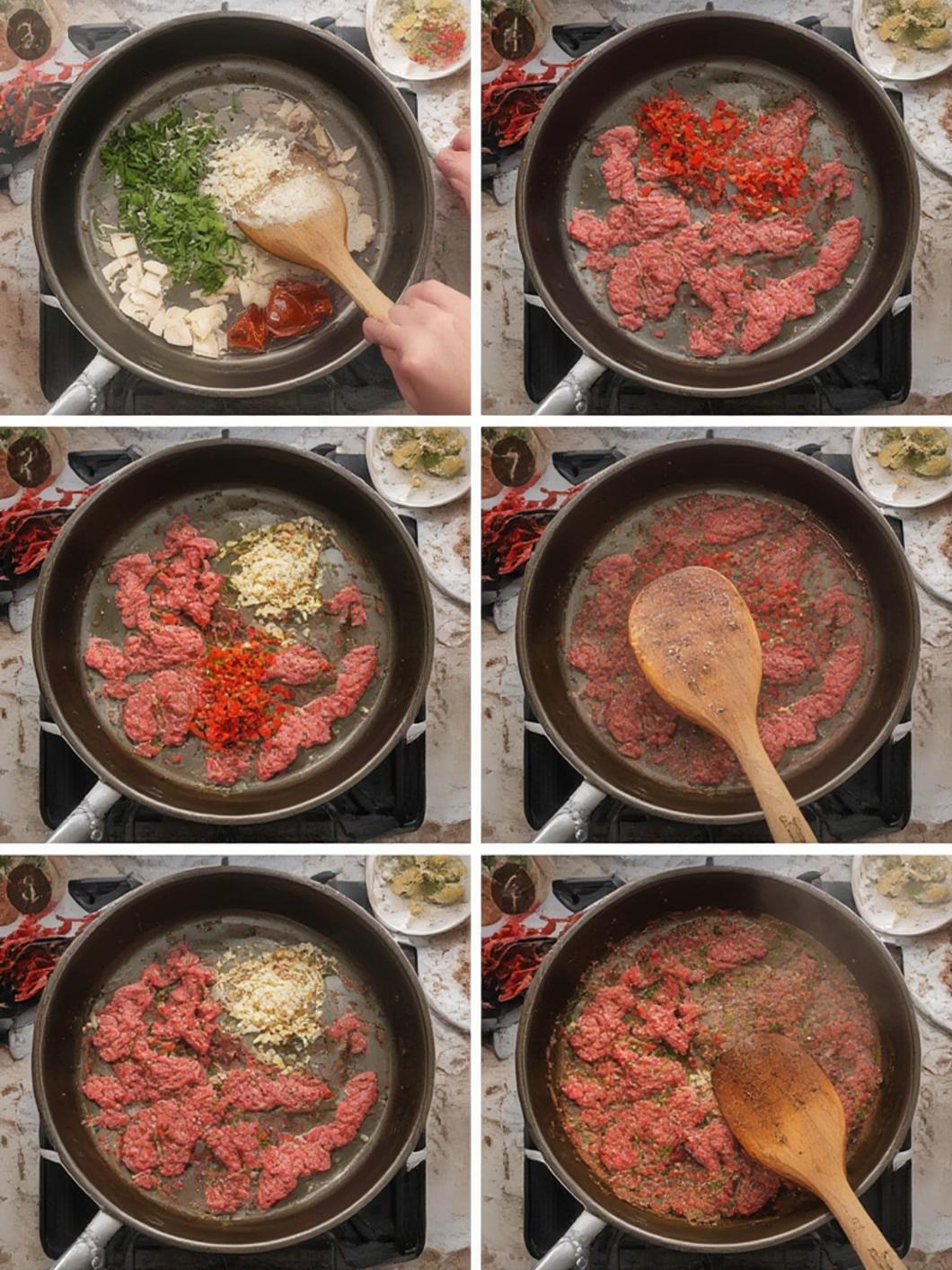
1. Prepare the beef: Place the tenderloin in the freezer for 15-20 minutes to firm up (not freeze) for easier cutting. This is a crucial first step for any steak tartare recipe, ensuring clean cuts.
2. Finely chop the beef: After chilling, remove any visible silver skin or fat. Using a very sharp knife, carefully dice the beef into small cubes (about ¼ inch). For an even finer texture typical of traditional beef tartare recipe preparations, you can chop the beef further until it reaches your desired consistency.
3. Chill the chopped beef: Place the diced beef in a bowl over ice or in the refrigerator while preparing the remaining ingredients.
4. Prepare the aromatics: Ensure all shallots, capers, cornichons, and herbs are very finely minced to distribute flavors evenly throughout the tartare.
5. Mix the seasoning base: In a small bowl, whisk together the Dijon mustard, Worcestershire sauce, olive oil, lemon zest, lemon juice, salt, and pepper.
6. Combine all ingredients: In a chilled mixing bowl, gently combine the chopped beef with the minced shallots, capers, cornichons, and parsley. Pour the seasoning mixture over the beef and mix gently but thoroughly.
7. Incorporate egg yolks: Add the egg yolks to the mixture and fold in delicately until fully incorporated. Be careful not to overmix, which can make the texture pasty rather than light.
8. Taste and adjust: Carefully taste a small amount and adjust seasoning if necessary, adding more salt, pepper, or lemon juice according to preference.
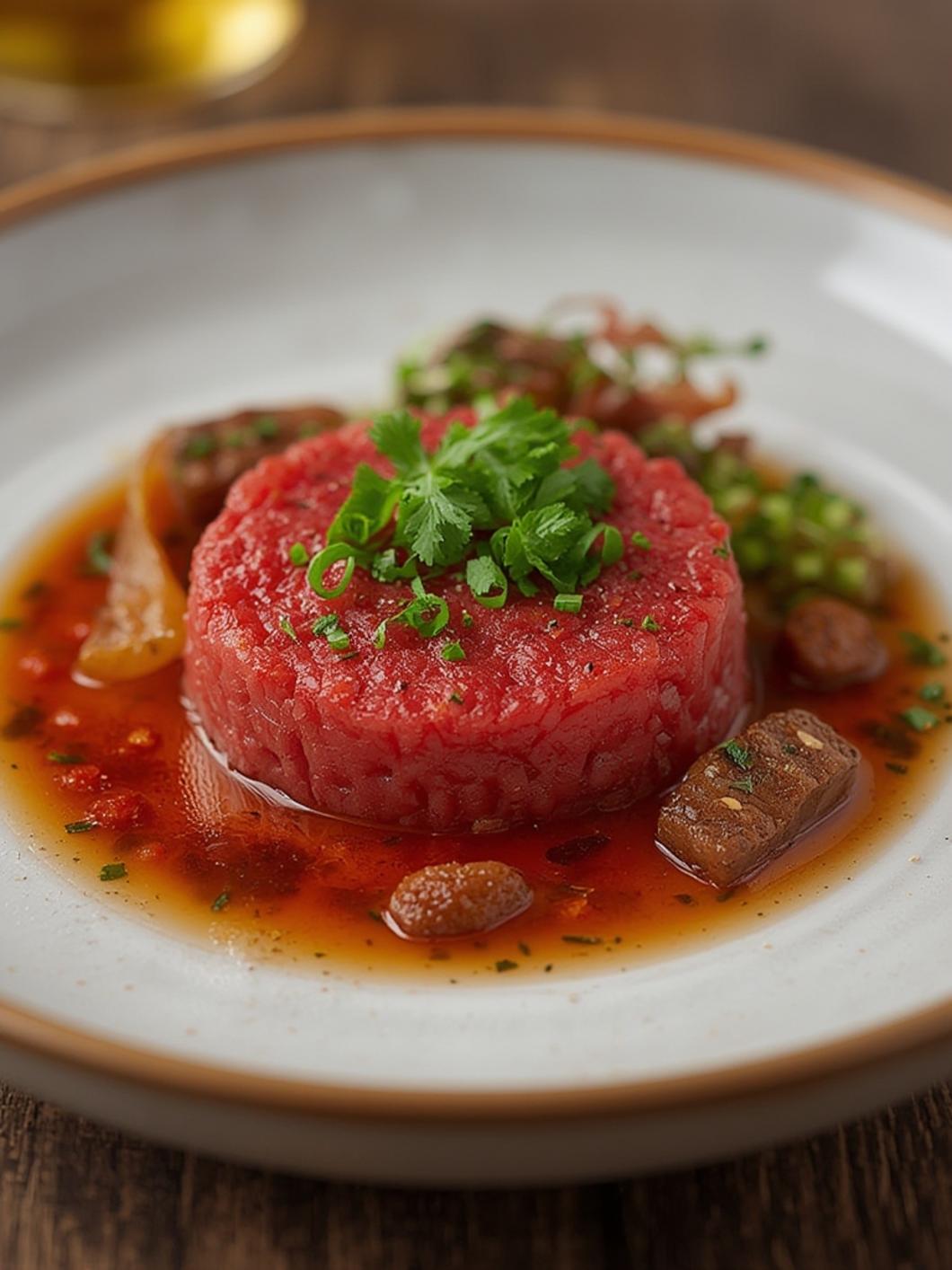
9. Plate and serve: Using a ring mold or by hand, shape the tartare into neat rounds on chilled plates. Garnish with whole capers, minced chives, and optional micro greens. Serve immediately with toasted baguette slices and lemon wedges.
Preparation & Cooking Time
– Prep Time: 25 minutes
– Cooking Time: None (raw preparation)
– Chilling Time: 15-20 minutes
– Total Time: 40-45 minutes
– Servings: 4 appetizer portions
Tips & Variations
– Quality matters immensely: Purchase meat from a trusted butcher who understands you’ll be eating it raw. Explain you’re making tartare.
– For a spicy variation: Add a dash of hot sauce or finely minced jalapeño to the mix.
– Alternative seasonings: Try incorporating a small amount of truffle oil or minced anchovy for depth of flavor.
– Presentation options: Serve in small individual portions with quail eggs on top, or as a larger shared plate for the table.
– Wine pairing: This dish pairs beautifully with a crisp white wine like Sancerre or a light-bodied red such as Pinot Noir.
– For those who prefer a less traditional version: Lightly sear the exterior of the beef before chilling and chopping for a slightly different flavor profile.
Common Mistakes to Avoid
1. Using improper beef: Never use ground beef from the supermarket. Only whole cuts of fresh, high-quality beef are appropriate for tartare.
2. Overmixing the ingredients: This compacts the meat and creates a dense, less pleasant texture. Fold ingredients together gently.
3. Inadequate chilling: Keeping the meat cold throughout preparation is essential for food safety and optimal texture.
4. Cutting too far in advance: Prepare tartare shortly before serving to maintain freshness and vibrant color.
5. Overwhelming the beef: The accompaniments should complement the meat, not mask it. Balance is key.
6. Neglecting food safety: Always use impeccably fresh ingredients and clean equipment to minimize any risks associated with raw preparations.
Storage & Reheating Tips
– Immediate consumption recommended: Steak tartare is best enjoyed immediately after preparation.
– Limited storage: If absolutely necessary, you can refrigerate leftover tartare for up to 24 hours in an airtight container, though quality will diminish significantly.
– Not suitable for freezing: Due to its raw nature and delicate texture, tartare should never be frozen.
– Not meant for reheating: As a raw preparation, tartare is not designed to be reheated. If you cannot consume leftovers raw, consider cooking them thoroughly in a pan as a hamburger patty, though this creates an entirely different dish.
– Safety first: If tartare has been at room temperature for more than one hour, it should be discarded rather than stored.
Conclusion
Mastering this steak tartare recipe allows you to create a truly special culinary experience at home that rivals fine dining establishments. The contrast between the buttery tenderness of quality beef and the bright, acidic notes of the seasonings creates a perfectly balanced dish that delights the palate.
While it may seem intimidating at first, following proper techniques and using quality ingredients ensures success with this classic beef tartare recipe. Whether served as an elegant starter for a dinner party or as the centerpiece of a romantic meal, this sophisticated yet approachable dish is sure to impress. We’d love to hear about your experience making tartare at home – share your results and any personal variations in the comments below!
FAQs
Can I use any cut of beef for tartare?
No, only specific high-quality cuts are appropriate. Beef tenderloin (filet mignon) is ideal due to its tenderness and minimal connective tissue. Sirloin can work but may have a slightly firmer texture. Always purchase from a reputable butcher and specify it’s for tartare.
Is it safe to eat raw beef?
When proper precautions are taken, steak tartare can be safely enjoyed. Use only fresh, high-quality beef from a trusted source, maintain proper temperature during preparation, and practice excellent hygiene. Those with compromised immune systems, the elderly, pregnant women, and young children should avoid raw meat dishes.
Can I prepare tartare in advance for a dinner party?
You can prepare the seasoning mixture and chop the aromatics a few hours ahead, but the beef should be diced and mixed just before serving for optimal freshness, texture, and food safety.
What can I substitute for raw egg yolks if I’m concerned about using them?
If you’re uncomfortable using raw eggs, you can omit them, though this will change the traditional creamy texture. Alternatively, use pasteurized egg yolks, which have been treated to eliminate bacteria while maintaining their raw properties.
Can I create a vegetarian version of this dish?
While not traditional tartare, you can create a similar textured dish using finely diced beets, mushrooms, or avocado with the same seasonings for a vegetarian alternative that captures the spirit of the dish.