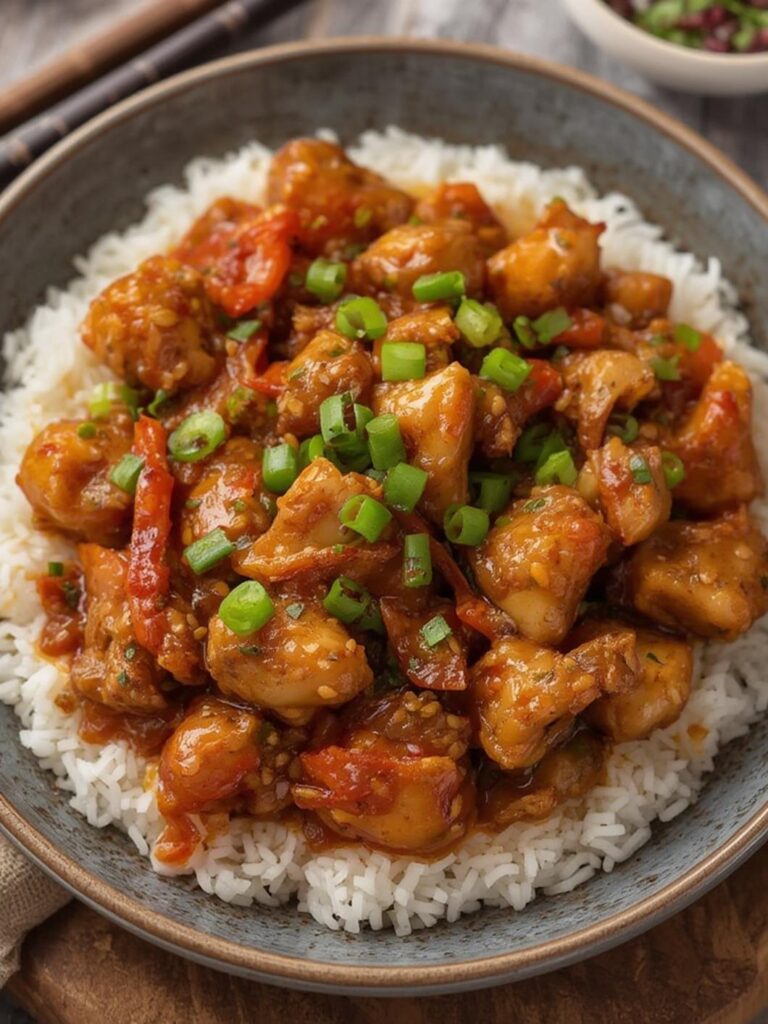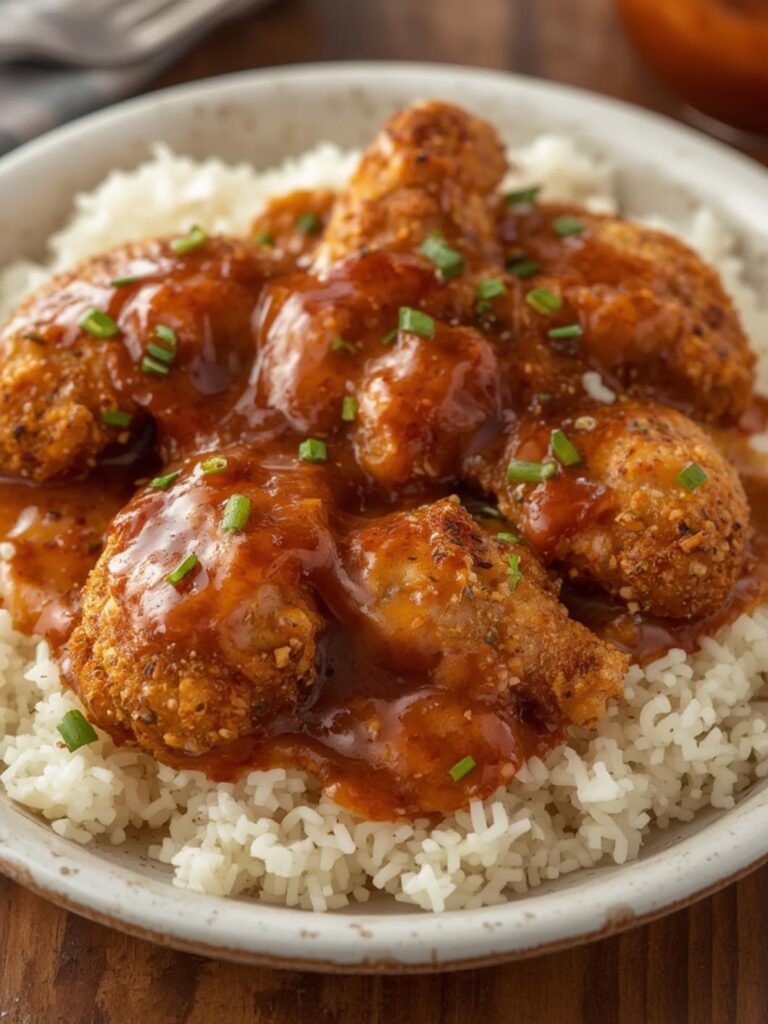
Quick way to make Hibachi Chicken Recipe in 20 minutes
Table of Contents
Authentic Japanese-Inspired Restaurant-Style Chicken at Home
Have you ever craved that distinctive restaurant-style teppanyaki flavor at home? Learning to make an authentic hibachi chicken recipe transforms ordinary weeknight dinners into exciting culinary experiences. The secret lies in mastering the right technique and creating that signature hibachi chicken sauce that perfectly balances savory, sweet, and umami flavors.
Thank you for reading this post, don't forget to subscribe!What makes this dish so appealing is its simplicity despite the impressive results – tender chicken with caramelized edges, fresh vegetables, and that irresistible flavor that normally requires a professional teppanyaki chef. Let’s bring the Japanese steakhouse experience to your kitchen with this approachable recipe.
Ingredients List
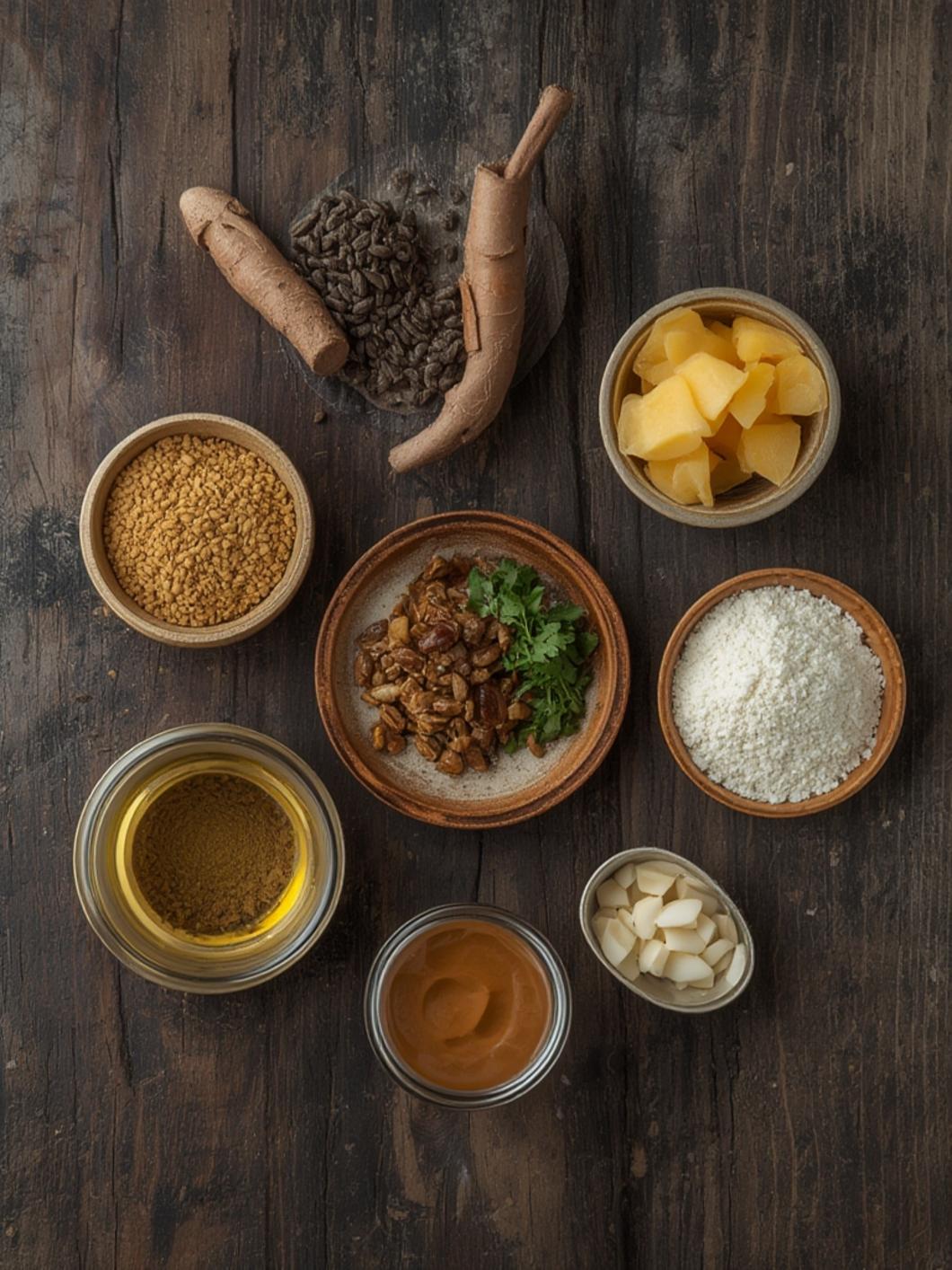
For the Chicken:
– 1½ pounds boneless, skinless chicken breasts or thighs, cut into 1-inch cubes
– 2 tablespoons vegetable oil
– 2 tablespoons unsalted butter
– 3 cloves garlic, minced
– 1 medium onion, diced
– 1 zucchini, sliced into half-moons
– 8 ounces mushrooms, sliced
– 2 tablespoons soy sauce
– 1 tablespoon mirin (Japanese sweet rice wine)
– 1 teaspoon sesame oil
– ½ teaspoon ground ginger (or 1 teaspoon fresh grated ginger)
– Salt and pepper to taste
– 2 green onions, thinly sliced for garnish
– 1 tablespoon toasted sesame seeds for garnish
For the Sauce:
– ¼ cup soy sauce
– 2 tablespoons rice vinegar
– 1 tablespoon honey or brown sugar
– 1 tablespoon grated ginger
– 2 cloves garlic, minced
– 1 tablespoon toasted sesame oil
– 1 teaspoon sriracha (optional, for heat)
– 1 tablespoon cornstarch mixed with 2 tablespoons water (slurry)
Step-by-Step Instructions
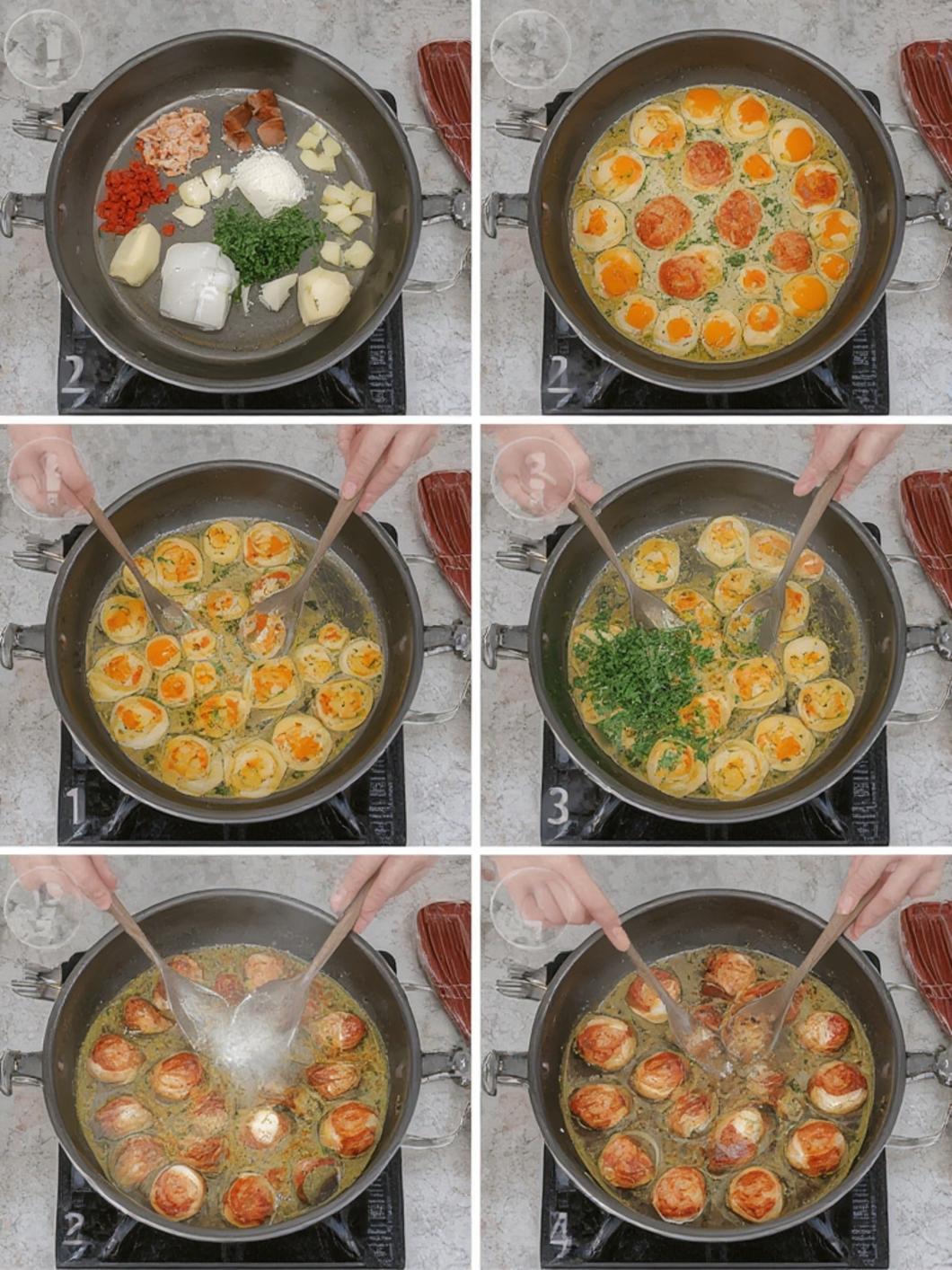
1. Prepare the sauce: In a small bowl, whisk together all sauce ingredients except the cornstarch slurry. This hibachi chicken sauce is the foundation of authentic flavor for your hibachi chicken recipe, so take your time to blend everything thoroughly.
2. Prepare the chicken: Pat the chicken pieces dry with paper towels. Season with salt and pepper. This ensures good browning and prevents steaming.
3. Heat your cooking surface: Use a large cast iron skillet, wok, or griddle over high heat until it’s very hot. Add 1 tablespoon of vegetable oil and swirl to coat the surface.
4. Cook the chicken: Add chicken pieces in a single layer without overcrowding (cook in batches if necessary). Let them sear undisturbed for 2-3 minutes until golden brown, then flip and cook another 2-3 minutes. Transfer to a plate.
5. Cook the vegetables: Add remaining oil to the pan. Add onions and cook for 1 minute, then add mushrooms and zucchini. Stir-fry for 3-4 minutes until vegetables begin to soften but still retain some crispness.
6. Combine and season: Return chicken to the pan with the vegetables. Add butter, garlic, soy sauce, mirin, sesame oil, and ginger. Toss everything together for 1-2 minutes.
7. Finish with sauce: Pour in half of your prepared sauce and toss to coat everything. Cook for 1-2 minutes until chicken and vegetables are glossy with sauce.
8. Thicken remaining sauce: In a small saucepan, bring the remaining sauce to a simmer. Add the cornstarch slurry and whisk until thickened, about 1-2 minutes.
9. Serve: Transfer the chicken and vegetables to serving plates, drizzle with the thickened sauce, and garnish with sliced green onions and sesame seeds.
Preparation & Cooking Time
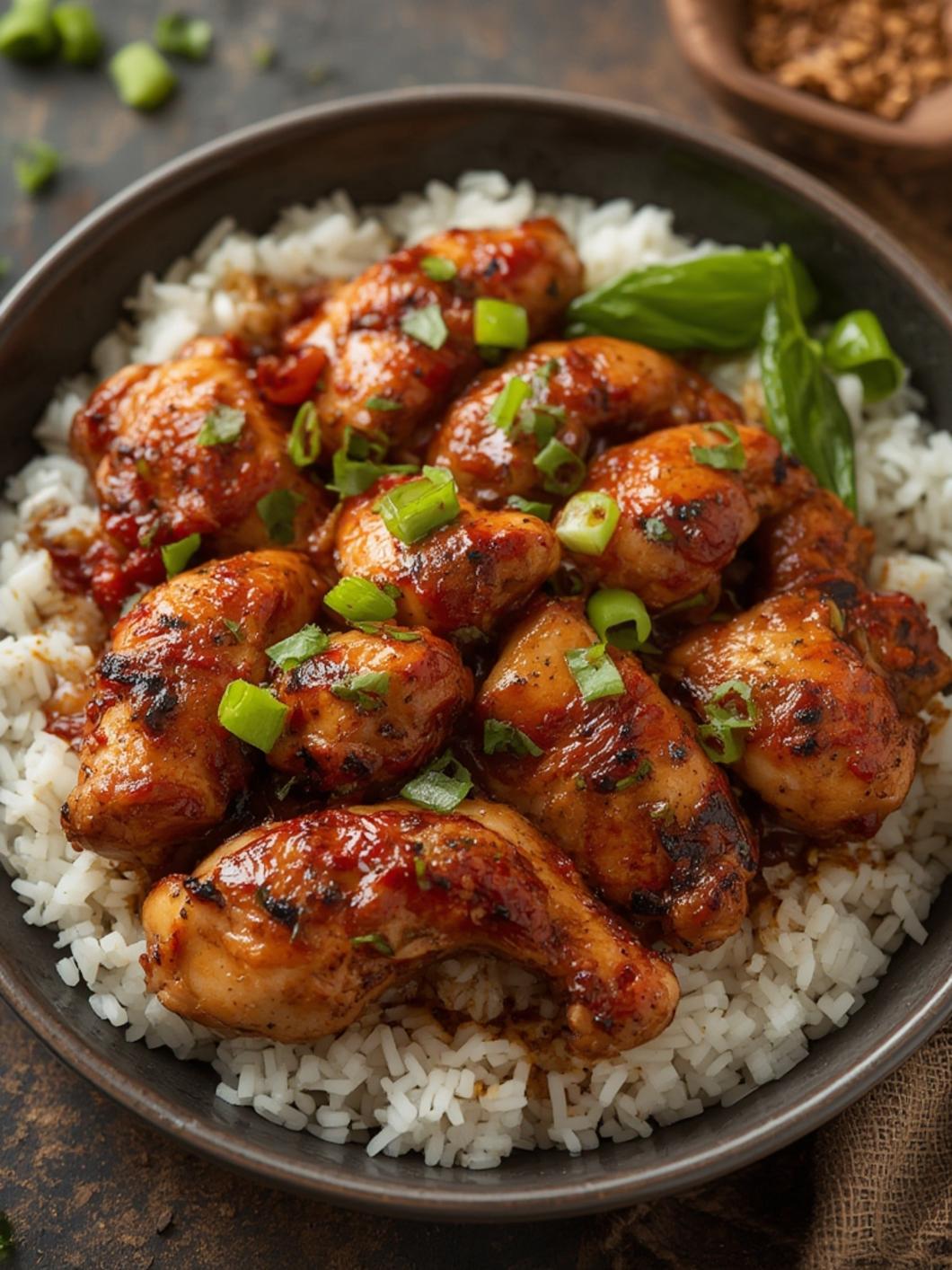
– Preparation time: 15 minutes
– Cooking time: 20 minutes
– Total time: 35 minutes
– Servings: 4
Tips & Variations
Flavor Enhancements:
– Add a splash of Japanese sake to the sauce for additional depth of flavor
– Include a teaspoon of white miso paste in the sauce for umami richness
– Squeeze fresh lemon juice over the finished dish for brightness
Ingredient Substitutions:
– Replace chicken with thinly sliced beef, shrimp, or tofu
– Use any quick-cooking vegetables like bell peppers, snap peas, or broccoli florets
– Substitute coconut aminos for soy sauce to make it soy-free
– Replace mirin with 1 tablespoon of rice vinegar plus ½ teaspoon of sugar
Dietary Adaptations:
– For gluten-free: Use tamari or coconut aminos instead of soy sauce
– For low-carb: Skip the sugar/honey in the sauce and serve with cauliflower rice
– For dairy-free: Replace butter with additional oil or plant-based butter
Alternative Cooking Methods:
– Use an electric griddle set to 375°F for authentic teppanyaki-style cooking
– In a pinch, a regular non-stick pan works, though you’ll get less charring
– For meal prep, cook vegetables and protein separately and store in containers with sauce on the side
Common Mistakes to Avoid
1. Overcrowding the pan: Cook in batches if necessary to ensure proper browning rather than steaming.
2. Not getting the pan hot enough: Hibachi cooking requires high heat for proper caramelization and that signature charred flavor.
3. Cutting chicken pieces unevenly: Ensure uniform sizing for even cooking.
4. Overmarinating the chicken: This isn’t necessary and can make the meat mushy. The flavor comes from the cooking process and sauce.
5. Overcooking the vegetables: They should retain some crispness for authentic texture.
6. Using low-quality soy sauce: The flavor difference is noticeable, so use Japanese or Chinese brands when possible.
Storage & Reheating Tips
Refrigeration:
– Store leftovers in airtight containers for up to 3 days in the refrigerator
– Keep sauce separate from protein and vegetables if possible to prevent sogginess
Freezing:
– Freeze in portion-sized containers for up to 2 months
– Thaw overnight in the refrigerator before reheating
Reheating Methods:
– Stovetop: The best method—reheat in a hot skillet with a splash of water or oil
– Microwave: Use 70% power and stir halfway through to prevent rubbery chicken
– Air fryer: 3-4 minutes at 350°F for crispy results without drying out the chicken
Conclusion
Mastering this hibachi chicken recipe gives you the power to recreate restaurant-quality Japanese teppanyaki at home whenever the craving strikes. The combination of tender chicken, perfectly cooked vegetables, and that irresistible hibachi chicken sauce makes this dish a guaranteed crowd-pleaser for family dinners or entertaining guests.
Beyond being economical compared to restaurant prices, making it yourself allows you to control ingredients and customize flavors to your preference. Give this recipe a try and share your experience in the comments—we’d love to hear how your homemade hibachi adventure turned out!
FAQs
Can I make this recipe without a special griddle?
Yes, any large skillet will work, especially cast iron which retains heat well. The key is getting your pan very hot before cooking and not overcrowding it.
How can I make this spicier?
Add sriracha or sambal oelek to the sauce, or include a thinly sliced fresh chili pepper when cooking the vegetables.
Can I prepare the sauce ahead of time?
Absolutely! The sauce can be made up to a week in advance and stored in an airtight container in the refrigerator.
What’s the best side dish to serve with hibachi chicken?
Traditional accompaniments include steamed white rice, fried rice, or noodles. For a lower-carb option, try cauliflower rice or extra vegetables.
Is mirin essential for authentic flavor?
While mirin adds authentic sweetness and flavor, you can substitute a mixture of 1 tablespoon rice vinegar plus ½ teaspoon sugar if needed.