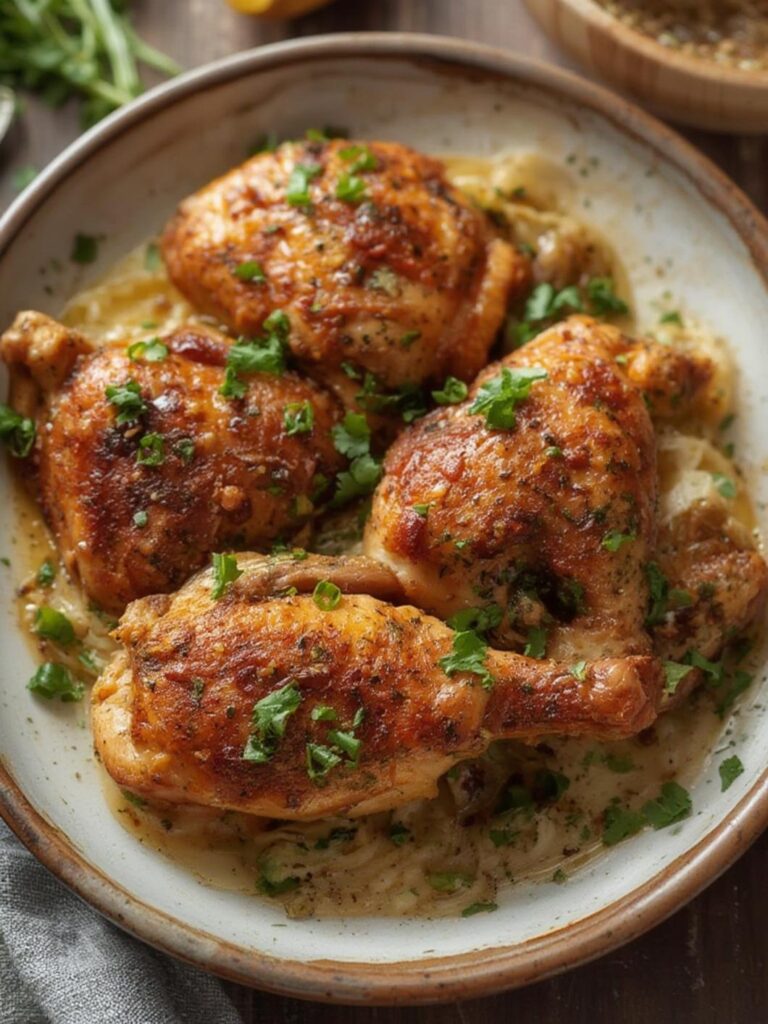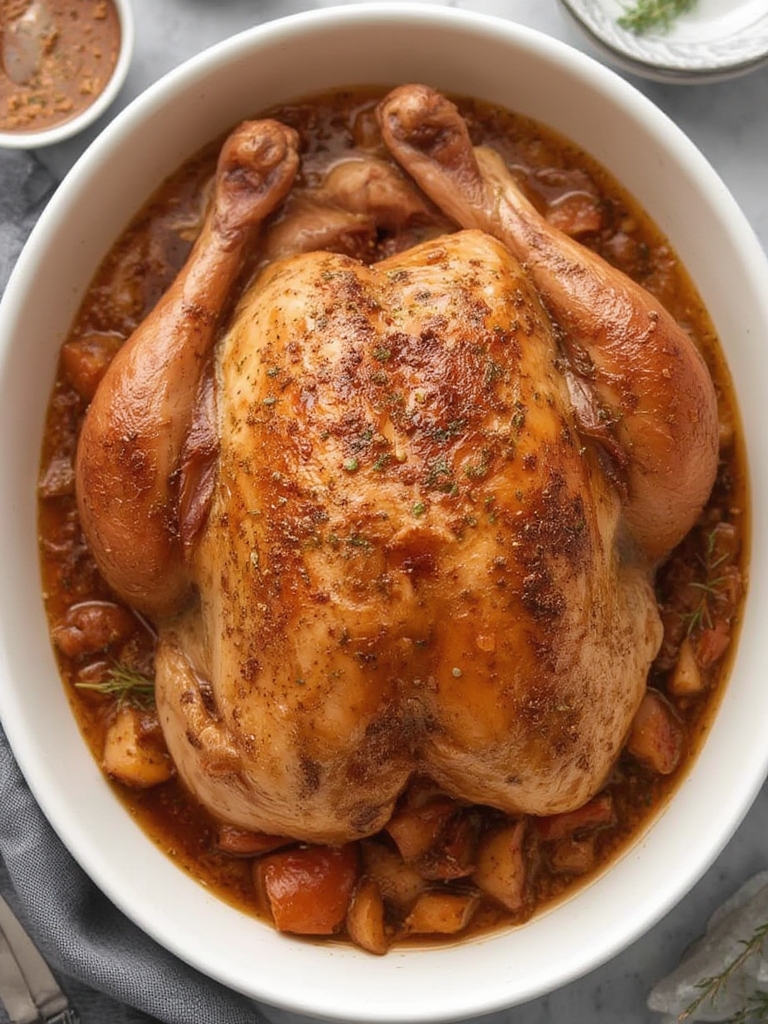
Quick 20-Minute Kung Pao Chicken Recipe
Table of Contents
Spicy and Satisfying Kung Pao Chicken
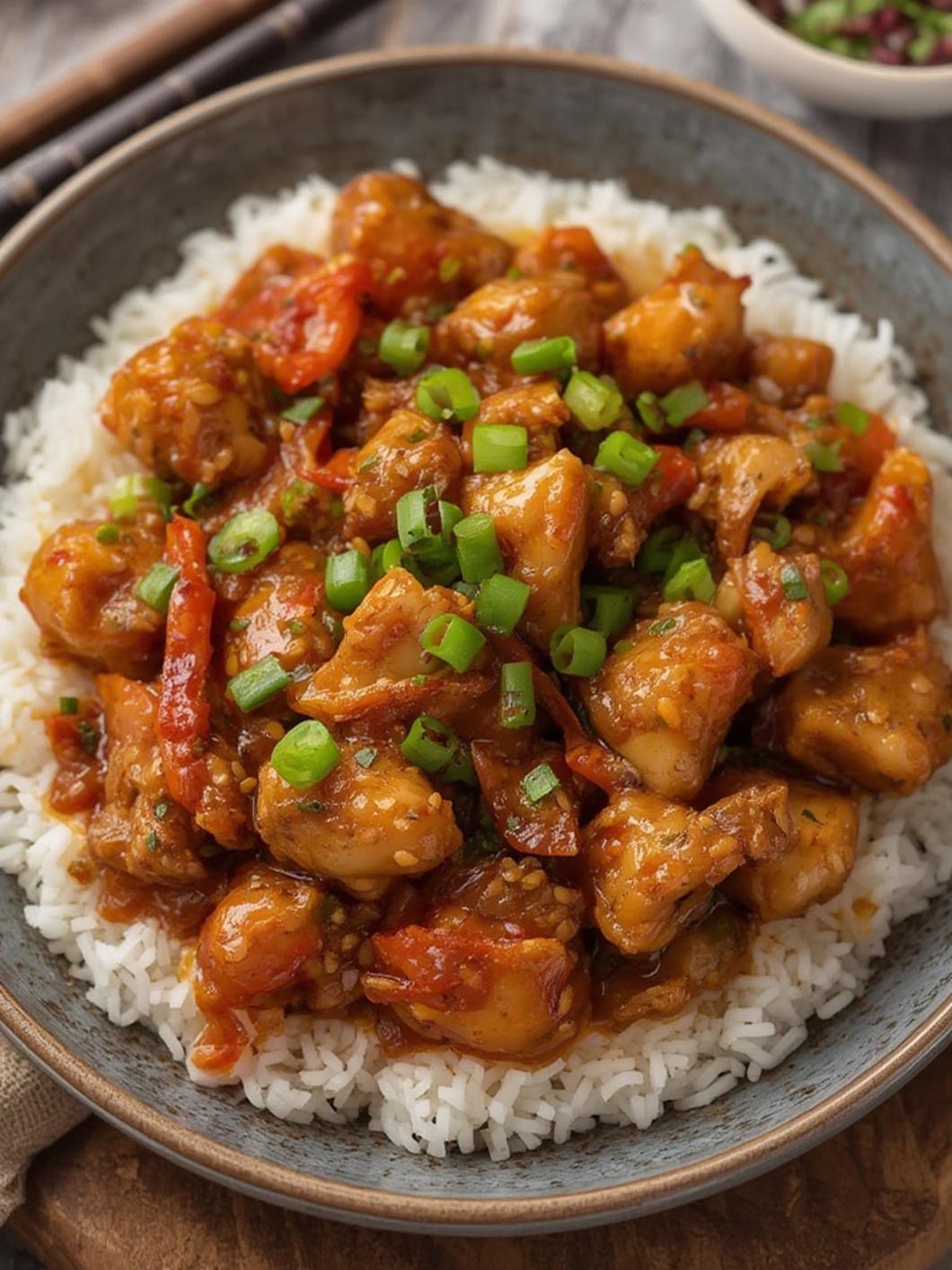
If you’re craving a dish that perfectly balances sweet, savory, spicy, and tangy flavors, look no further than this mouthwatering kung pao chicken recipe. Originating from China’s Sichuan province, this popular stir-fry has won hearts worldwide with its bold flavors and delightful textural contrast between tender chicken, crunchy peanuts, and colorful vegetables. Making authentic kung pao chicken at home allows you to control the spice level while ensuring fresh, quality ingredients. Beyond being incredibly delicious, this dish comes together in under 30 minutes, making it perfect for busy weeknights when you want something impressive without spending hours in the kitchen.
Thank you for reading this post, don't forget to subscribe!Ingredients List
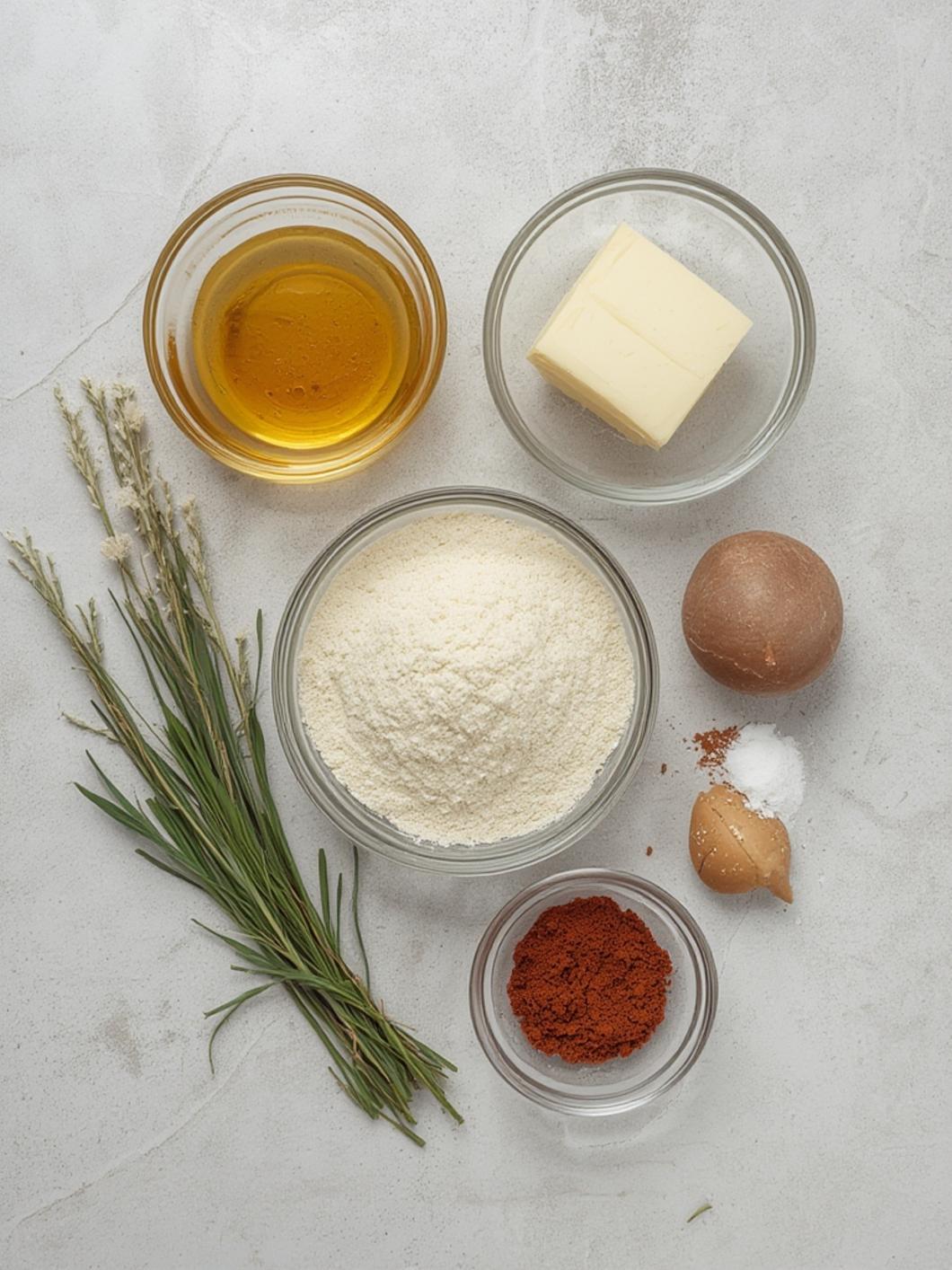
For the chicken and marinade:
– 1.5 pounds (680g) boneless, skinless chicken thighs, cut into 1-inch cubes
– 1 tablespoon soy sauce
– 1 tablespoon Chinese rice wine (or dry sherry)
– 1 tablespoon cornstarch
– 1/2 teaspoon white pepper
For the sauce:
– 3 tablespoons Chinese black vinegar (or substitute with balsamic vinegar)
– 2 tablespoons soy sauce
– 1 tablespoon hoisin sauce
– 1 tablespoon brown sugar
– 1 teaspoon cornstarch
– 2 tablespoons water
For stir-frying:
– 3 tablespoons vegetable oil, divided
– 6-8 dried red chili peppers (adjust to taste)
– 1/2 teaspoon Sichuan peppercorns (optional for authentic flavor)
– 4 cloves garlic, minced
– 1-inch piece ginger, minced
– 1 red bell pepper, cut into 1-inch chunks
– 1 green bell pepper, cut into 1-inch chunks
– 3 green onions, cut into 1-inch pieces
– 1/2 cup unsalted roasted peanuts
– 2 teaspoons sesame oil, for finishing
Step-by-Step Instructions
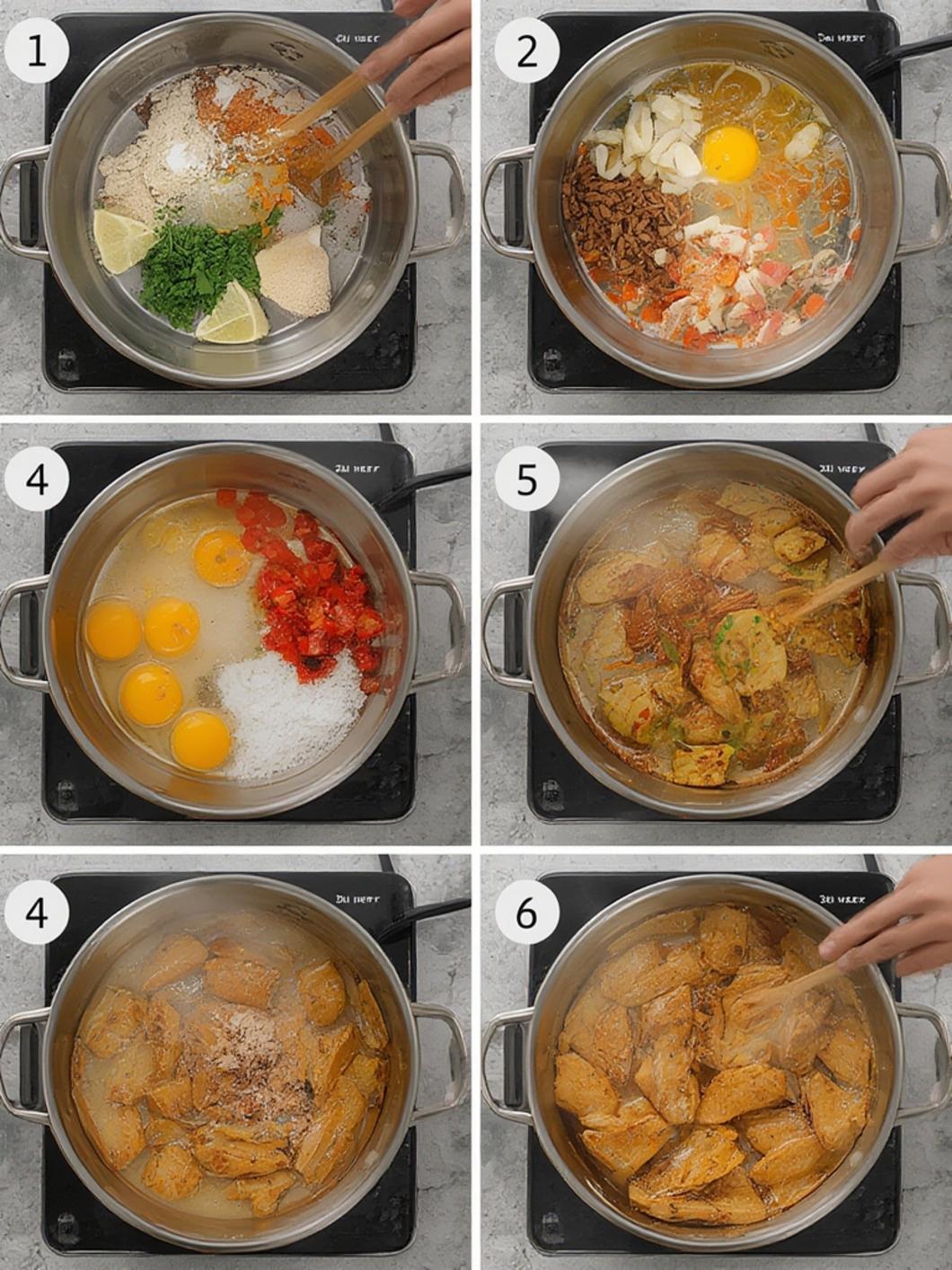
1. Prepare the chicken marinade: In a medium bowl, combine the chicken pieces with soy sauce, Chinese rice wine, cornstarch, and white pepper. Stir well to coat each piece evenly. Let marinate for at least 15 minutes (or up to 2 hours in the refrigerator).
2. Mix the sauce: In a small bowl, whisk together black vinegar, soy sauce, hoisin sauce, brown sugar, cornstarch, and water until smooth. Set aside.
3. Prepare your ingredients: Arrange all your cut vegetables, minced garlic, ginger, dried chilies, and peanuts in separate piles near your cooking area. This kung pao chicken recipe moves quickly once cooking begins, so having everything prepared is essential for making authentic kung pao chicken.
4. Cook the chicken: Heat 2 tablespoons of oil in a large wok or skillet over high heat until shimmering. Add the marinated chicken in a single layer (work in batches if necessary). Let it cook undisturbed for 1 minute to sear, then stir-fry for 3-4 minutes until golden brown and nearly cooked through. Remove chicken to a plate.
5. Flavor the oil: In the same wok, add the remaining 1 tablespoon of oil. Reduce heat to medium and add dried chilies and Sichuan peppercorns (if using). Stir-fry for 30 seconds until fragrant but not burnt.
6. Add aromatics: Add minced garlic and ginger to the flavored oil, stir-frying for 30 seconds until fragrant.
7. Cook the vegetables: Increase heat to high and add bell peppers. Stir-fry for 1-2 minutes until slightly softened but still crisp.
8. Combine everything: Return the chicken to the wok. Add the green onions and peanuts. Give your prepared sauce a quick stir (as the cornstarch may have settled) and pour it into the wok.
9. Finish cooking: Stir everything together for 1-2 minutes until the sauce thickens and coats everything evenly. Drizzle with sesame oil, give a final toss, and remove from heat.
10. Serve immediately: Transfer to a serving dish and enjoy with steamed rice.
Preparation & Cooking Time
– Preparation time: 15 minutes
– Marinating time: 15 minutes (minimum)
– Cooking time: 12 minutes
– Total time: 42 minutes
– Servings: 4
Tips & Variations
Flavor Enhancement Tips:
– Toast the peanuts in a dry pan before adding them to intensify their flavor.
– For a more complex taste, add 1 tablespoon of Chinese doubanjiang (fermented chili bean paste) to the sauce.
– A dash of five-spice powder in the marinade adds wonderful depth.
Ingredient Substitutions:
– Chicken breast can replace thighs for a leaner option (reduce cooking time slightly).
– No peanuts? Use cashews or skip for nut allergies.
– Bell peppers can be swapped with zucchini, carrots, or celery for different textures.
– No black vinegar? Use 2 tablespoons balsamic vinegar mixed with 1 tablespoon rice vinegar.
Dietary Adaptations:
– For gluten-free: Use tamari instead of soy sauce and check that your hoisin sauce is gluten-free.
– Vegetarian version: Substitute chicken with extra-firm tofu (pressed and cubed) or tempeh.
– Low-carb option: Serve over cauliflower rice instead of regular rice.
Alternative Cooking Methods:
– Sheet pan method: Marinate chicken, toss with vegetables, and roast at 425°F (220°C) for 20 minutes, then toss with the heated sauce.
– Air fryer: Cook marinated chicken at 380°F (190°C) for 10 minutes, prepare sauce and vegetables on stovetop, then combine.
Common Mistakes to Avoid
1. Overcrowding the pan: This causes steaming rather than searing. Cook in batches if needed for better texture and flavor.
2. Burning the dried chilies: They should flavor the oil, not become charred. Lower the heat and watch carefully.
3. Overcooking the vegetables: The peppers should remain slightly crisp for textural contrast. Add them later in the cooking process.
4. Not preparing all ingredients before starting: This dish cooks quickly, so having everything chopped, mixed, and ready prevents burning or overcooking.
5. Using cold chicken straight from the refrigerator: Allow chicken to come to room temperature for 15 minutes before cooking for more even results.
Storage & Reheating Tips
Refrigerator Storage:
– Store leftover kung pao chicken in an airtight container in the refrigerator for up to 3 days.
– Keep rice stored separately from the chicken for best quality.
Freezer Storage:
– Freeze in a freezer-safe container for up to 2 months.
– The texture of the vegetables may change slightly upon thawing.
Reheating Methods:
– Stovetop: Reheat in a skillet over medium heat with a splash of water or chicken broth to refresh the sauce.
– Microwave: Heat in 30-second intervals, stirring between each until warmed through.
– For best texture when reheating, consider adding a few fresh peanuts or a drizzle of sesame oil before serving.
Conclusion
This kung pao chicken recipe brings restaurant-quality Chinese cuisine directly to your dinner table with minimal effort and maximum flavor. The beauty of making authentic kung pao chicken at home is that you can customize the spice level and ingredients to suit your family’s preferences while still enjoying all the traditional flavors that make this dish so beloved worldwide. Whether you’re cooking for a special occasion or just want to elevate your weeknight dinner routine, this versatile recipe is sure to become a regular favorite. We’d love to hear how your version turned out—share your experience or any personal adaptations you made in the comments below!
FAQs
Can I make kung pao chicken less spicy?
You can easily reduce the heat by using fewer dried chilies or removing the seeds before cooking. For a very mild version, skip the chilies entirely and just use bell peppers.
Is there a substitute for Chinese black vinegar?
Yes! A good substitute is to