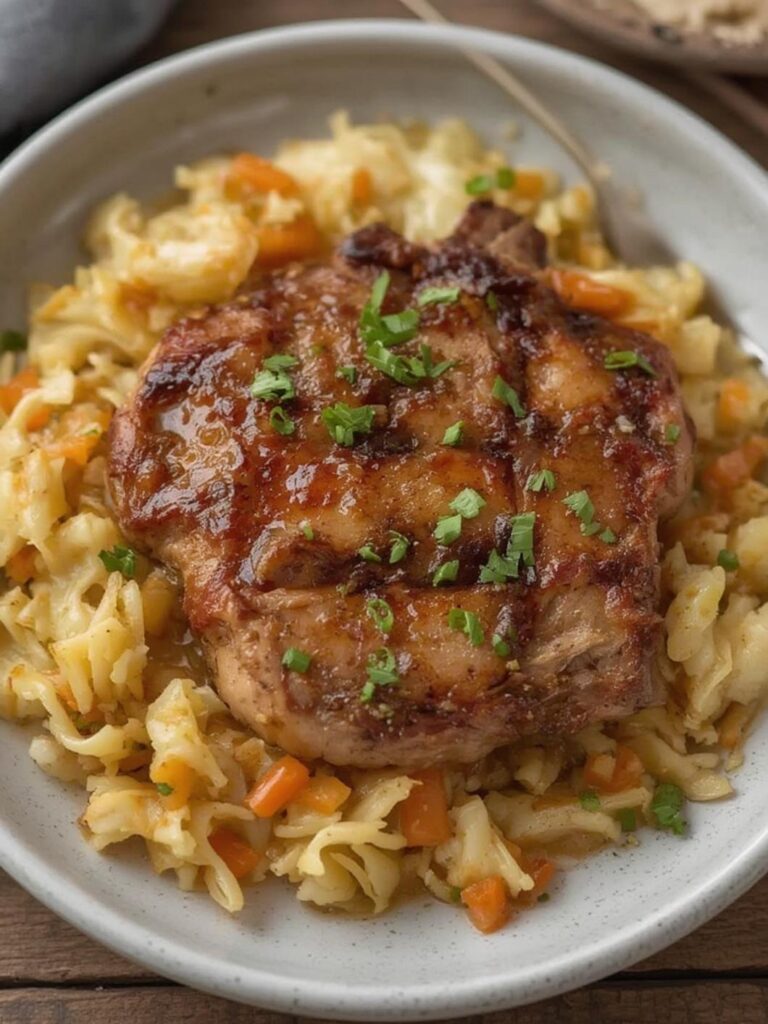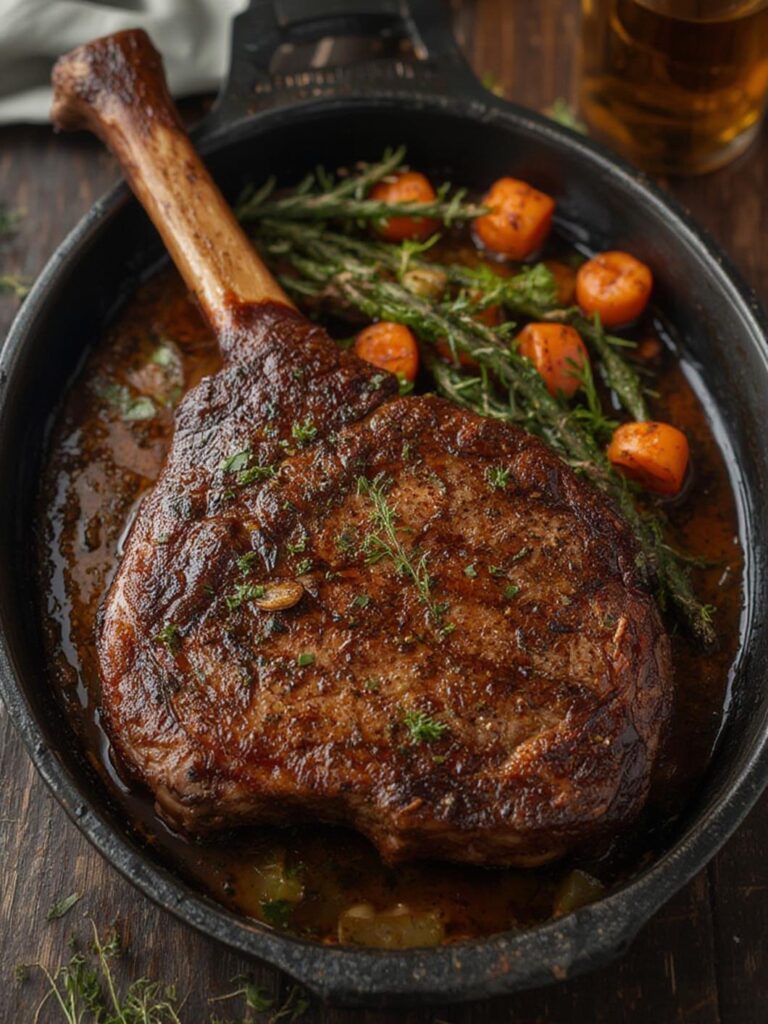
Best Way to Make Cooking Steak in Cast Iron in 5 Minutes
Table of Contents
Perfect Cast Iron Steak Recipe: Restaurant-Quality Results at Home
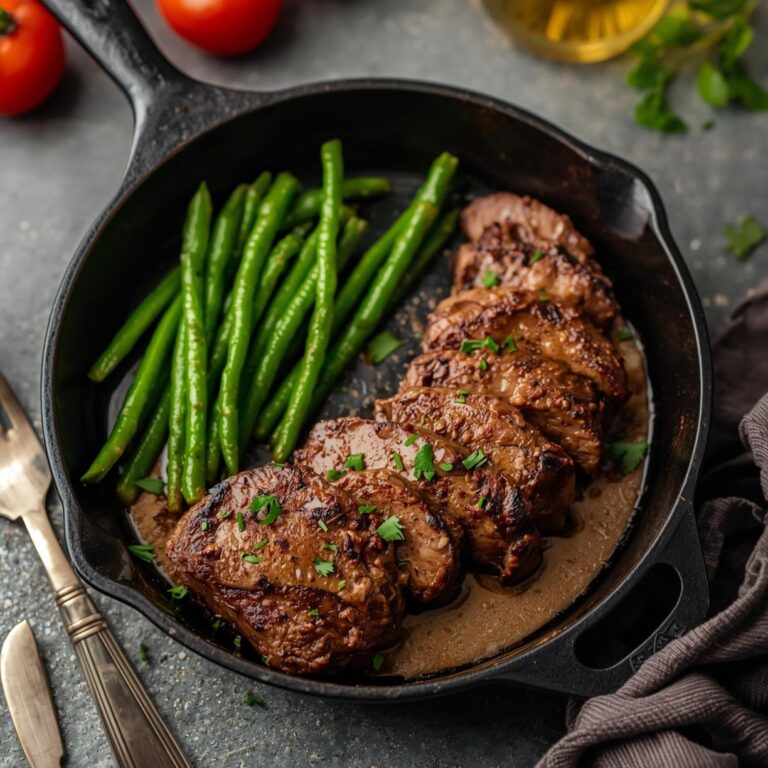
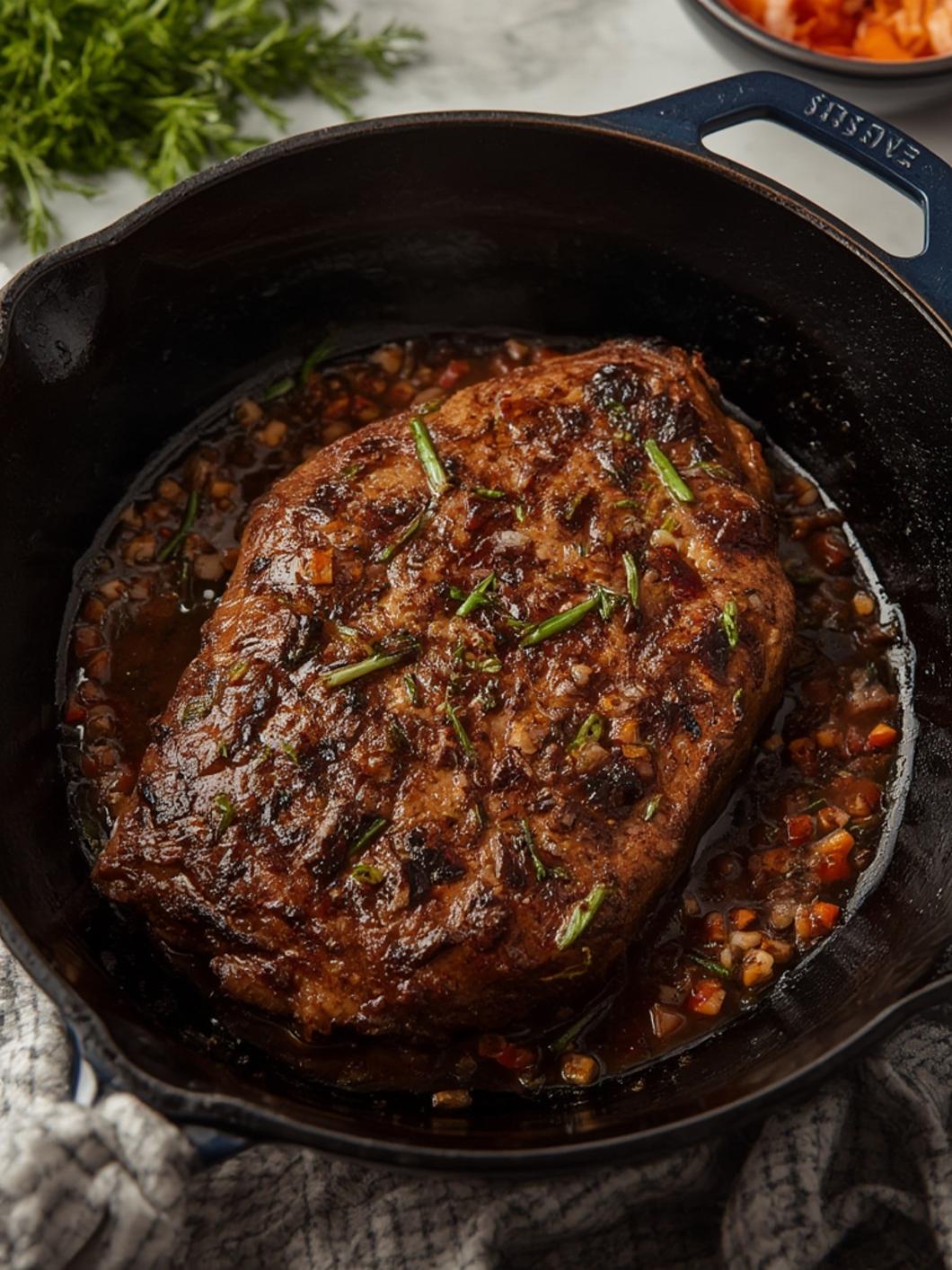
There’s nothing quite like the satisfaction of cooking a perfectly seared steak in your own kitchen. When it comes to achieving that coveted restaurant-quality crust while maintaining a juicy, tender interior, cooking steak in cast iron skillets is unmatched in home cooking. The exceptional heat retention and distribution of cast iron create the ideal environment for developing a delicious, caramelized exterior.
Thank you for reading this post, don't forget to subscribe!With the right technique, that cast iron steak sear can transform an ordinary cut into something extraordinary. This method works beautifully with various cuts, from ribeye to New York strip, and requires minimal ingredients to let the natural flavors of the beef shine through.
Ingredients List
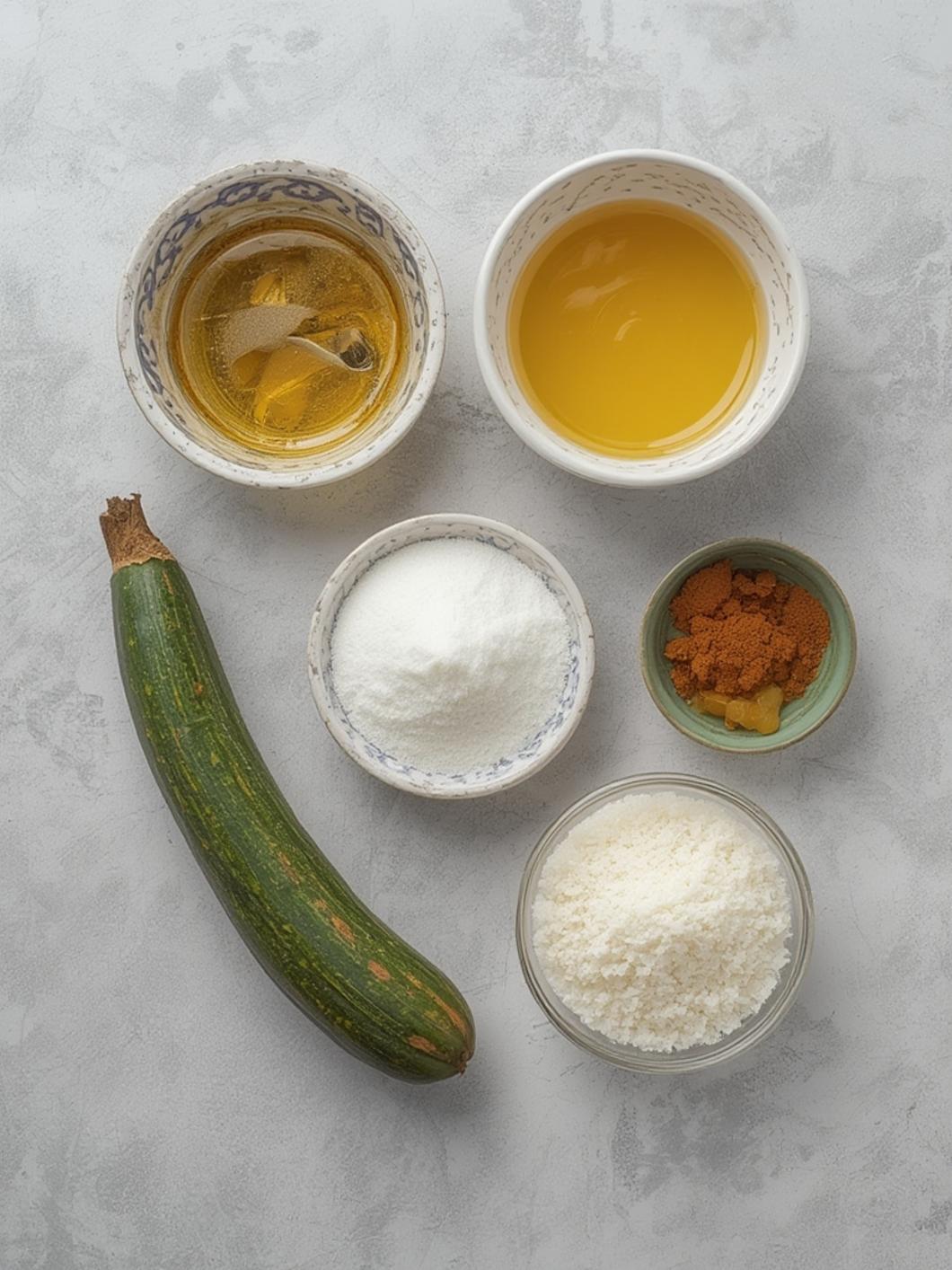
– 2 steaks (ribeye, NY strip, or sirloin), 1-1.5 inches thick
– 2 tablespoons high-smoke-point oil (avocado, grapeseed, or canola)
– 2 tablespoons unsalted butter
– 4 garlic cloves, peeled and smashed
– 2-3 sprigs fresh rosemary or thyme
– 2 teaspoons kosher salt
– 1 teaspoon freshly ground black pepper
– Optional: 1/2 teaspoon garlic powder
– Optional: 1/4 teaspoon smoked paprika
Step-by-Step Instructions
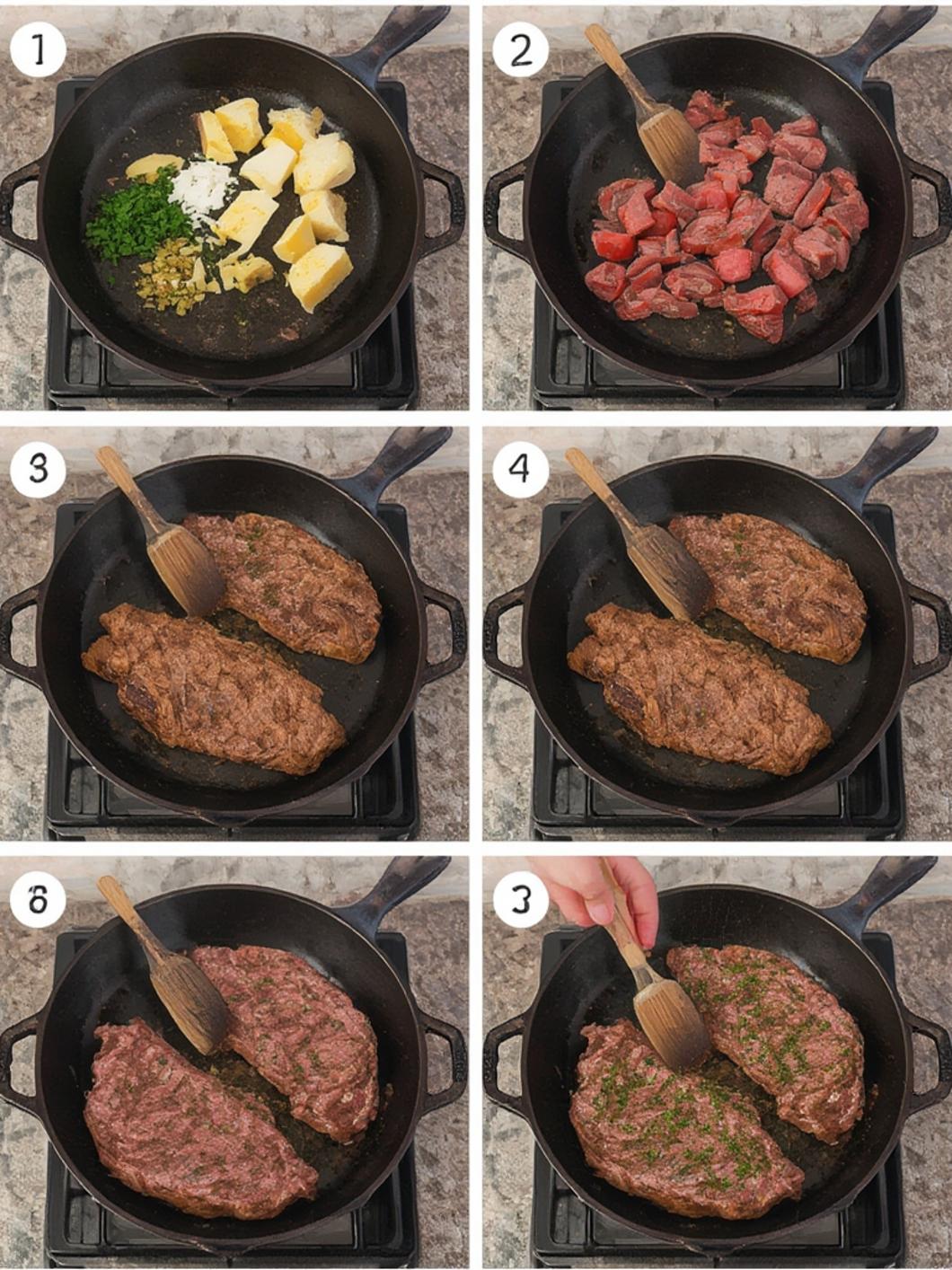
1. Prepare the steaks: Remove steaks from refrigerator 30-45 minutes before cooking to bring them to room temperature. Pat them completely dry with paper towels (this is crucial for a proper sear).
2. Season generously: Season both sides of the steaks with salt and pepper. For enhanced flavor, you can add garlic powder and smoked paprika if desired.
3. Preheat your skillet: Place your cast iron skillet on medium-high heat and allow it to become thoroughly hot (about 5-7 minutes). A properly preheated skillet is essential for cooking steak in cast iron properly, as it ensures you’ll achieve that perfect cast iron steak sear right from the start.
4. Add oil: When the pan is hot, add the oil and swirl to coat the bottom evenly. The oil should shimmer but not smoke excessively.
5. Sear the steaks: Carefully place the steaks in the skillet, ensuring they don’t touch each other. For medium-rare, cook for 3-4 minutes without moving them.
6. Flip and add aromatics: Flip the steaks and add butter, garlic cloves, and herb sprigs to the pan. As the butter melts, tilt the pan slightly and use a spoon to baste the steaks with the aromatic butter for 2-3 minutes.
7. Check temperature: For medium-rare, cook until the internal temperature reaches 130-135°F (54-57°C). For medium, aim for 135-145°F (57-63°C).
8. Rest before serving: Transfer steaks to a cutting board and let them rest for 5-10 minutes to allow juices to redistribute throughout the meat.
Preparation & Cooking Time
– Prep time: 45 minutes (including bringing steaks to room temperature)
– Cooking time: 10-12 minutes
– Resting time: 5-10 minutes
– Total time: About 1 hour
– Servings: 2
Tips & Variations
Flavor Enhancements:
– Try compound butter: Mix softened butter with herbs, garlic, and a touch of lemon zest
– Deglaze the pan with red wine or beef stock to create a quick sauce
– Top with blue cheese or herb butter during the resting period
Ingredient Substitutions:
– No fresh herbs? Use 1/2 teaspoon dried herbs instead
– Substitute olive oil for the high-smoke-point oil if necessary (but watch carefully as it burns more easily)
– Try different steak cuts like filet mignon, T-bone, or flank steak (adjusting cooking times accordingly)
Dietary Adaptations:
– For a dairy-free version, replace butter with additional oil or ghee
– Use salt-free seasoning blends for low-sodium diets
– Pair with roasted vegetables instead of starchy sides for a lower-carb meal
Alternative Cooking Methods:
– Finish thick steaks in a 375°F oven for 5-7 minutes after searing
– For thinner cuts, reduce cooking time by 1-2 minutes per side
– Try the reverse sear method: bake at 275°F until 115°F internal temperature, then sear quickly
Common Mistakes to Avoid
1. Cooking cold steak: Always bring steaks to room temperature for even cooking.
2. Not patting steaks dry: Moisture on the surface creates steam, preventing proper searing.
3. Overcrowding the pan: This lowers the temperature and leads to steaming rather than searing.
4. Flipping too frequently: Allow a proper crust to form before flipping.
5. Slicing immediately: Not resting the steak results in juice loss and drier meat.
6. Using low heat: Cast iron requires proper preheating for that perfect sear.
Storage & Reheating Tips
Refrigerator Storage:
– Store cooled leftovers in an airtight container for up to 3 days
– Wrap tightly in aluminum foil or plastic wrap to prevent air exposure
Freezer Storage:
– Wrap portions in freezer paper, then foil, and place in freezer bags
– Label with date and use within 2-3 months for best quality
Reheating Methods:
– Oven: Wrap in foil and heat at 275°F until warmed through (about 15-20 minutes)
– Stovetop: Slice thinly and quickly warm in a pan with a splash of beef broth
– Avoid microwave reheating when possible, as it can toughen the meat
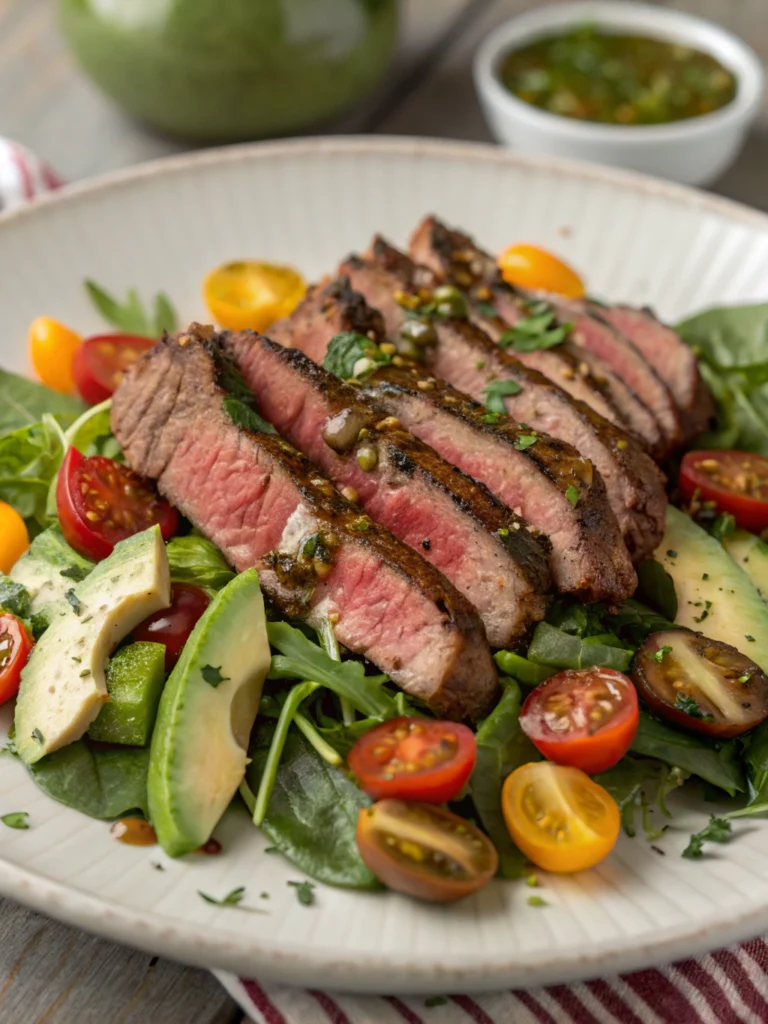
– Consider serving cold in salads or sandwiches to maintain texture
Conclusion
Mastering the art of cooking steak in cast iron skillets opens up a world of restaurant-quality meals without leaving your kitchen. The unbeatable cast iron steak sear creates that perfect contrast between the flavorful crust and juicy interior that steak lovers crave. Whether you’re preparing a special dinner for two or simply treating yourself to an elevated weeknight meal, this technique delivers consistent, impressive results.
Don’t be surprised if this becomes your go-to method, saving you money on restaurant steaks while impressing family and friends with your culinary skills. We’d love to hear how your cast iron steak turns out – share your results in the comments below!
FAQs
Q: Can I use frozen steak with this method?
A: It’s best to fully thaw your steak first. Cooking from frozen will result in uneven cooking and makes it difficult to achieve a proper sear. Thaw in the refrigerator overnight for best results.
Q: What’s the best thickness for steak when using a cast iron skillet?
A: Steaks between 1 and 1.5 inches thick work best. Thinner steaks cook too quickly and may become overdone, while very thick steaks might char on the outside before cooking through.
Q: My cast iron skillet is smoking too much. What should I do?
A: Some smoke is normal, but excessive smoke suggests the heat is too high. Lower the temperature slightly and ensure you’re using a high smoke point oil like avocado or grapeseed oil rather than olive oil.
Q: Do I need to season my cast iron skillet before cooking steak?
A: If your skillet is already well-seasoned (has a dark, non-stick surface), no additional seasoning is needed. If it’s new or recently restored, follow the manufacturer’s instructions to season it before cooking your first steak.
Q: Can I marinate my steak before cooking it in cast iron?
A: While you can marinate for flavor, be sure to pat the steak very dry before cooking. Oil-based marinades are better than acidic ones, which can make it difficult to achieve a good sear. For best results with this method, simple salt and pepper often work perfectly.