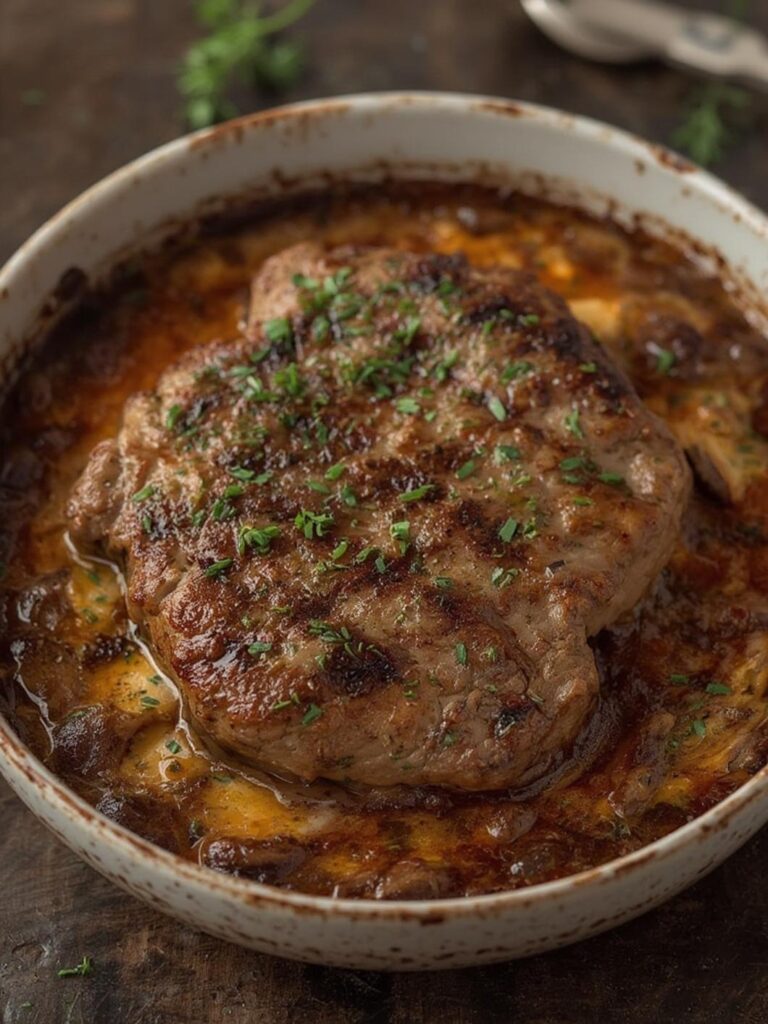
Proven way to make 5 amazing strip steak recipes
Table of Contents
Perfect Seared Strip Steak with Garlic Butter
There’s something undeniably satisfying about a perfectly cooked steak at home. When done right, it rivals any steakhouse experience—at a fraction of the cost. With the right technique, anyone can master delicious strip steak recipes that deliver incredible flavor and tenderness.
Thank you for reading this post, don't forget to subscribe!This recipe focuses on achieving a beautiful crust while maintaining a juicy, pink center. Whether you’re celebrating a special occasion or simply elevating your weeknight dinner, this grilled strip steak with garlic butter is sure to impress even the most discerning palates. The combination of simple ingredients and proper technique creates a restaurant-quality meal that’s surprisingly easy to prepare.
Ingredients List
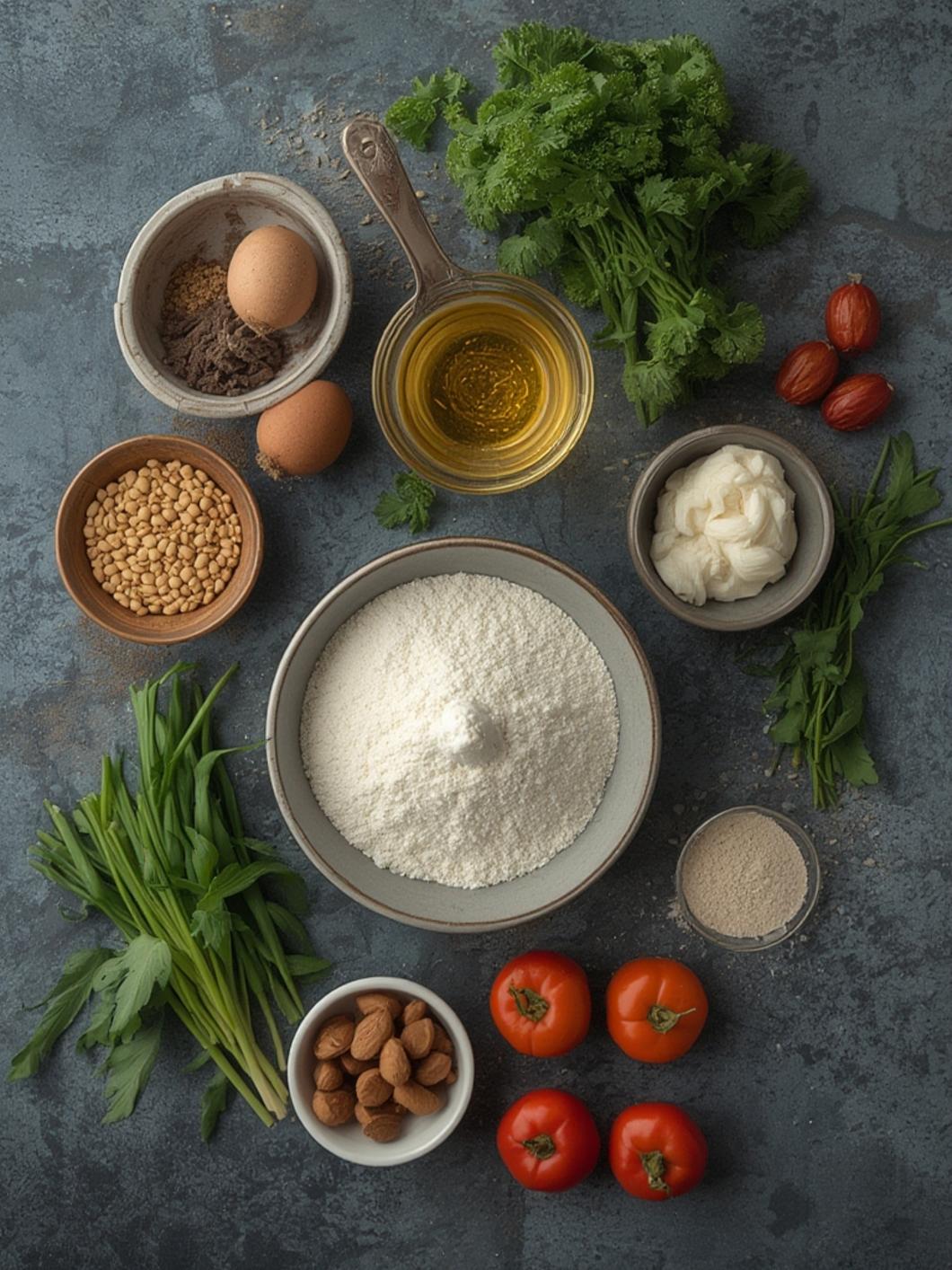
For the Steak:
– 2 New York strip steaks (1½ inches thick, about 12 oz each)
– 2 teaspoons kosher salt
– 1 teaspoon freshly ground black pepper
– 2 tablespoons vegetable or canola oil (for cooking)
– 2 sprigs fresh rosemary
– 4 garlic cloves, peeled and lightly crushed
For the Garlic Butter:
– 4 tablespoons unsalted butter, softened
– 2 garlic cloves, minced
– 1 tablespoon fresh parsley, finely chopped
– 1 teaspoon fresh thyme leaves
– ¼ teaspoon sea salt
– ¼ teaspoon freshly ground black pepper
– ½ teaspoon Worcestershire sauce (optional)
Step-by-Step Instructions
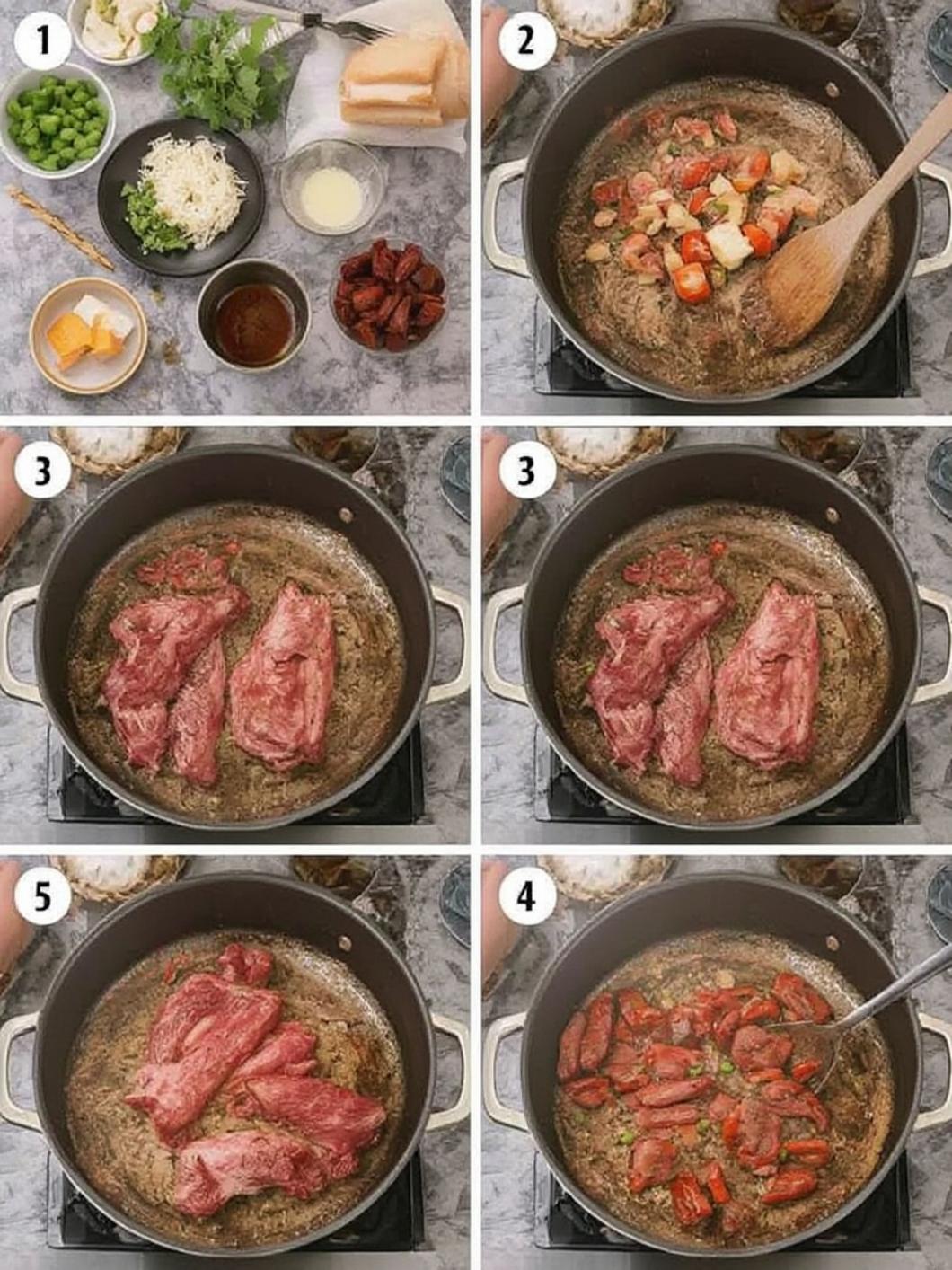
1. Remove the steaks from the refrigerator 30-45 minutes before cooking to bring them to room temperature. This ensures even cooking.
2. Pat the steaks dry with paper towels. This is crucial for achieving a proper sear.
3. Season both sides of the steaks generously with kosher salt and black pepper, pressing the seasonings into the meat.
4. Make the garlic butter by combining softened butter, minced garlic, chopped parsley, thyme leaves, sea salt, black pepper, and Worcestershire sauce (if using) in a small bowl. Mix until well combined and set aside.
5. Heat a large cast-iron skillet over high heat until it begins to smoke slightly. Cast iron is ideal for these strip steak recipes as it maintains consistent heat for the perfect sear.
6. Add the oil to the hot skillet, then carefully place the steaks in the pan, ensuring they don’t touch each other.
7. Sear the steaks for 3-4 minutes without moving them to develop a rich, brown crust. Add the rosemary sprigs and crushed garlic cloves to the pan during this time.
8. Using tongs, flip the steaks and continue cooking for another 3-4 minutes for medium-rare, or adjust timing based on your preferred doneness. Tilt the pan slightly and use a spoon to baste the steaks with the hot oil and aromatics.
9. For a perfect grilled strip steak texture, reduce heat to medium and cook for an additional 1-2 minutes if needed until the internal temperature reaches 130-135°F for medium-rare.
10. Remove steaks from the pan and let them rest on a cutting board for 5-10 minutes. Top each steak with a generous dollop of the prepared garlic butter, allowing it to melt over the hot steak.
Preparation & Cooking Time
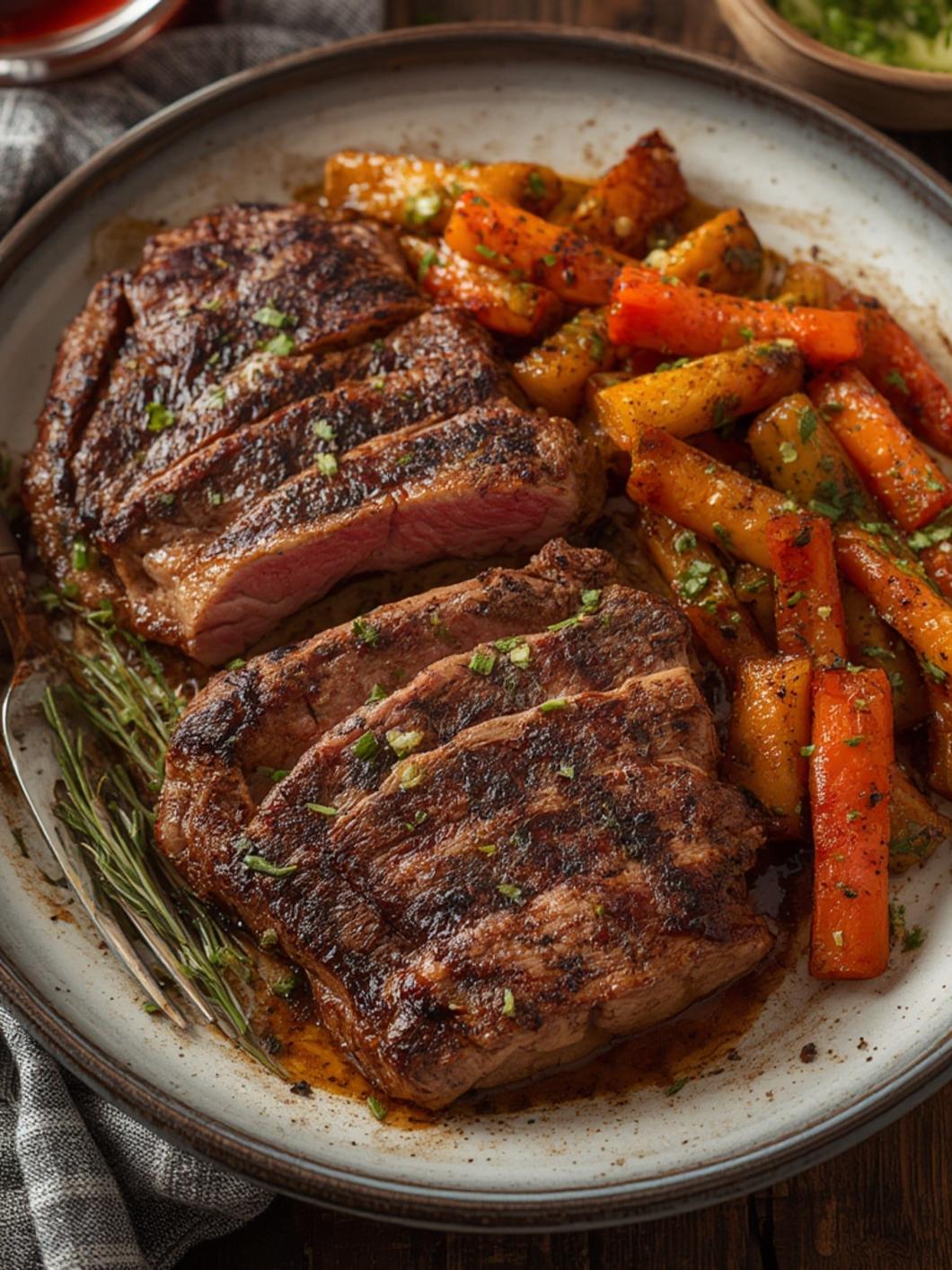
– Preparation Time: 15 minutes (plus 30-45 minutes for bringing steaks to room temperature)
– Cooking Time: 10-12 minutes
– Resting Time: 5-10 minutes
– Total Time: 30-37 minutes (active cooking time)
– Servings: 2 people
Tips & Variations
For the Perfect Steak:
– Use a meat thermometer to achieve precise doneness: 125°F for rare, 130-135°F for medium-rare, 140-145°F for medium, 150-155°F for medium-well, and 160°F+ for well-done.
– Let your steaks come to room temperature before cooking for even heat distribution.
– A very hot pan is essential for developing that coveted crust.
Flavor Variations:
– Try a blue cheese butter instead of garlic butter by mixing 2 tablespoons of crumbled blue cheese into the butter mixture.
– Add a splash of bourbon or red wine to the pan after cooking, scraping up the flavorful bits to create a quick sauce.
– For a spicy kick, add ¼ teaspoon of red pepper flakes to the garlic butter.
– Create a peppercorn crust by coating the steaks in crushed black peppercorns before searing.
Serving Suggestions:
– Pair with roasted garlic mashed potatoes, grilled asparagus, or a simple arugula salad.
– Slice the steak thinly across the grain for more tender bites, especially when serving at a dinner party.
Common Mistakes to Avoid
1. Overcrowding the pan: This causes steaming rather than searing. Cook one or two steaks at a time, depending on your pan size.
2. Flipping the steak too frequently: This prevents proper crust development. Flip only once if possible.
3. Cooking cold steak: Taking the steak directly from refrigerator to pan leads to uneven cooking—gray edges and an undercooked center.
4. Cutting into the steak immediately after cooking: This releases the juices, resulting in a drier steak. Always allow proper resting time.
5. Improper seasoning: Season generously before cooking, as much of it falls off during the cooking process.
6. Using the wrong oil: Choose oils with high smoke points like vegetable, canola, or grapeseed oil, not olive oil which can burn at high temperatures.
Storage & Reheating Tips
Storage:
– Refrigerate leftover steak within 2 hours of cooking.
– Wrap tightly in plastic wrap or place in an airtight container.
– Properly stored cooked steak will last 3-4 days in the refrigerator.
– For freezing, wrap in heavy-duty aluminum foil or freezer paper and place in a freezer bag. Frozen steak will maintain best quality for about 2-3 months.
Reheating:
– For the best texture, slice leftover steak thinly before reheating.
– Reheat in a skillet over medium-low heat with a splash of beef broth for moisture.
– Alternatively, wrap in foil and warm in a 275°F oven until just heated through (about 15-20 minutes).
– Avoid microwave reheating if possible, as it can make the meat tough and rubbery.
– Consider enjoying leftover steak cold in salads or sandwiches to preserve its texture.
Conclusion
Mastering these strip steak recipes allows you to create restaurant-quality meals in the comfort of your own kitchen. The combination of a perfectly seared exterior, juicy interior, and flavorful garlic butter creates a memorable dining experience that’s surprisingly simple to achieve. Once you’ve mastered the basic technique, you can experiment with different seasonings and accompaniments to suit your taste preferences.
There’s something deeply satisfying about cutting into a perfectly cooked grilled strip steak that you’ve prepared yourself. We encourage you to try this recipe for your next special dinner—your family and guests will be impressed by your culinary skills, and you’ll save a significant amount compared to steakhouse prices.
FAQs
Can I use this method for different cuts of steak?
Yes, this method works well for ribeye, T-bone, and sirloin steaks as well. Just adjust the cooking time based on the thickness of the steak and your preferred doneness.
What should I do if I don’t have a cast-iron skillet?
A heavy-bottomed stainless steel pan can work as an alternative, though cast iron provides the best heat retention and searing capabilities. Avoid non-stick pans as they typically cannot handle the high heat needed for proper searing.
How can I tell if my steak is done without a meat thermometer?
Use the finger test: Touch your thumb to your index finger and feel the base of your thumb—that firmness resembles rare steak. Middle finger equals medium-rare, ring finger equals medium, and pinky equals well-done. Compare this to how your steak feels when pressed.
Can I prepare the garlic butter in advance?
Absolutely! The compound butter can be made up to a week in advance. Shape it into a log using plastic wrap and refrigerate. You can even freeze it for up to three months.
What’s the best wine to pair with this steak?
A bold red wine like Cabernet Sauvignon, Malbec, or Syrah pairs wonderfully with strip steak. The tannins in these wines complement the richness of the meat and help cut through the fat.