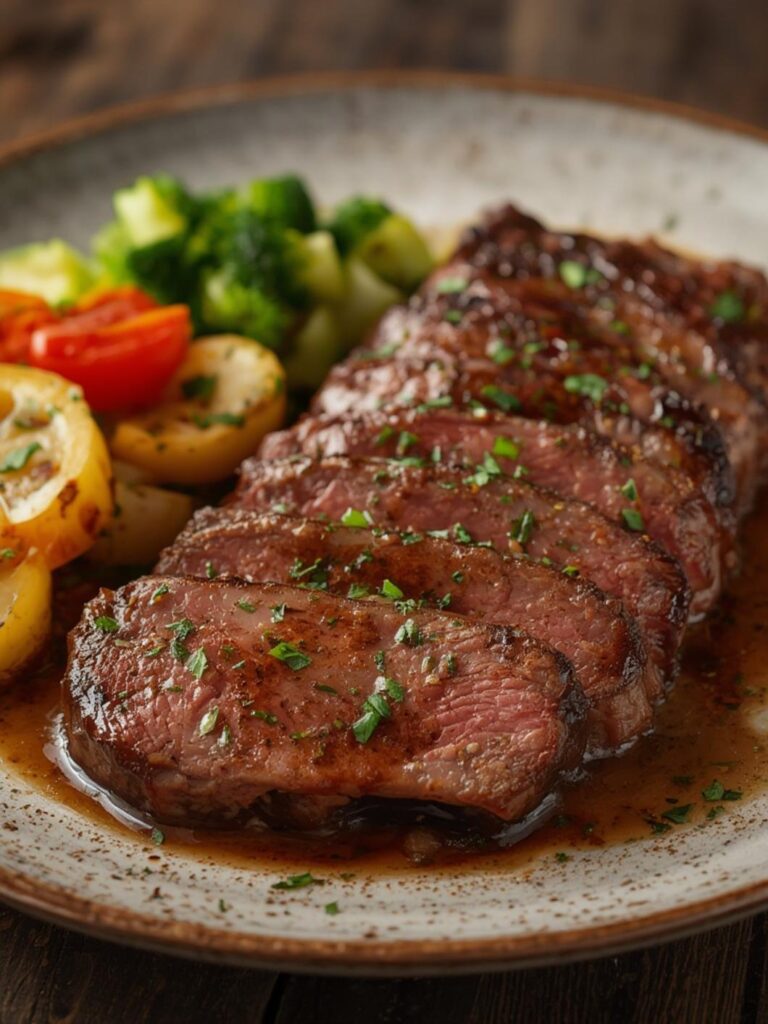
How to Make Cast Iron Skillet Steak in 3 Steps
Table of Contents
How to Cook the Perfect Cast Iron Skillet Steak Every Time
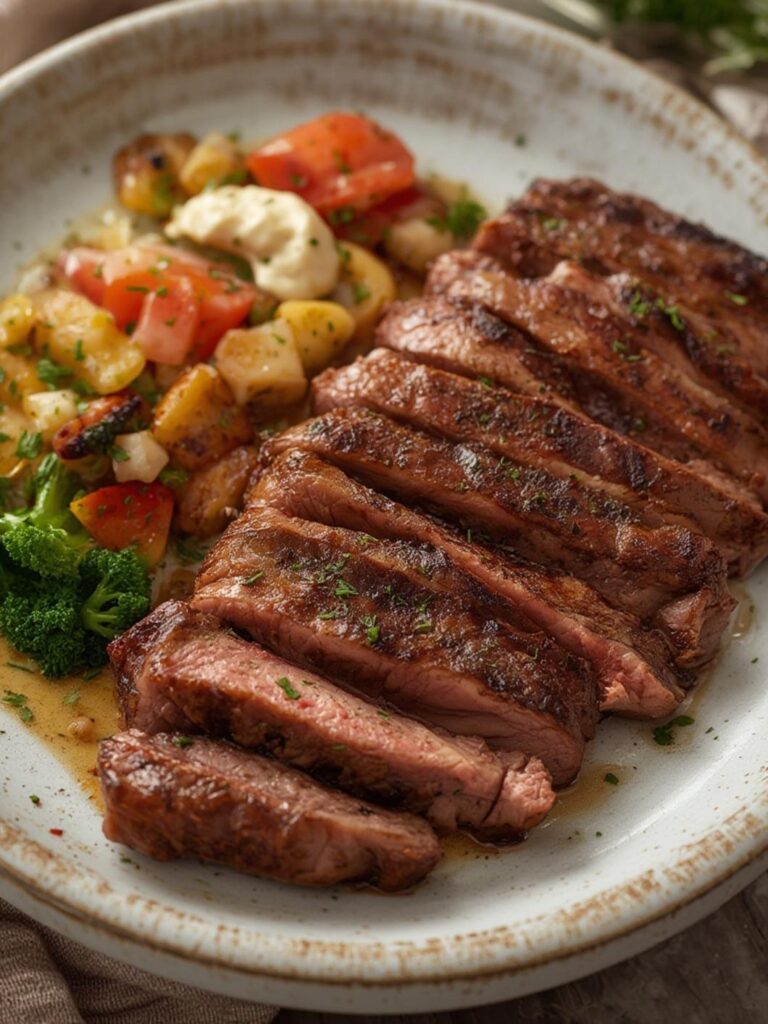
Have you ever wondered how steakhouses achieve that perfect crust on the outside while maintaining a juicy interior? The secret lies in mastering the cast iron skillet steak technique. There’s something incredibly satisfying about preparing a restaurant-quality steak in your own kitchen and achieving that coveted medium rare doneness that’s pink and juicy in the center. With the right techniques and tools, you can elevate your home cooking and impress family and friends with a perfectly cooked steak that rivals expensive steakhouse offerings.
Thank you for reading this post, don't forget to subscribe!Ingredients List
– 2 ribeye or New York strip steaks (1.5-inch thick, about 12-16 oz each)
– 2 tablespoons high-smoke-point oil (avocado, grapeseed, or vegetable)
– 3 tablespoons unsalted butter
– 4 garlic cloves, smashed
– 2-3 sprigs fresh rosemary or thyme
– 2 tablespoons coarse kosher salt
– 1 tablespoon freshly ground black pepper
– 1 teaspoon garlic powder (optional)
Timing / Cooking Schedule
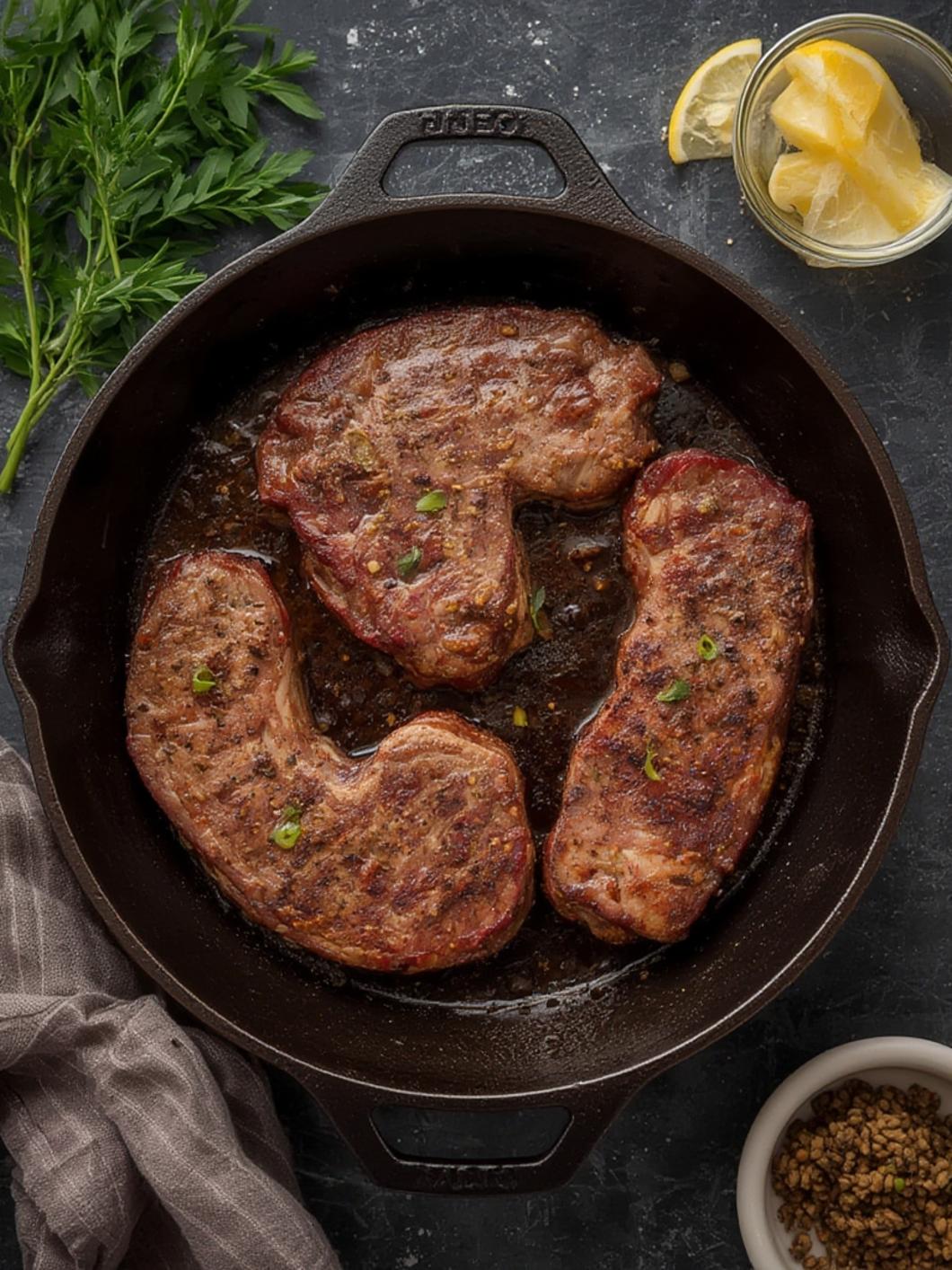
– Prep time: 30 minutes (including bringing steaks to room temperature)
– Active cooking time: 10-12 minutes
– Resting time: 10 minutes
– Total time: 50-52 minutes
Step-by-Step Instructions
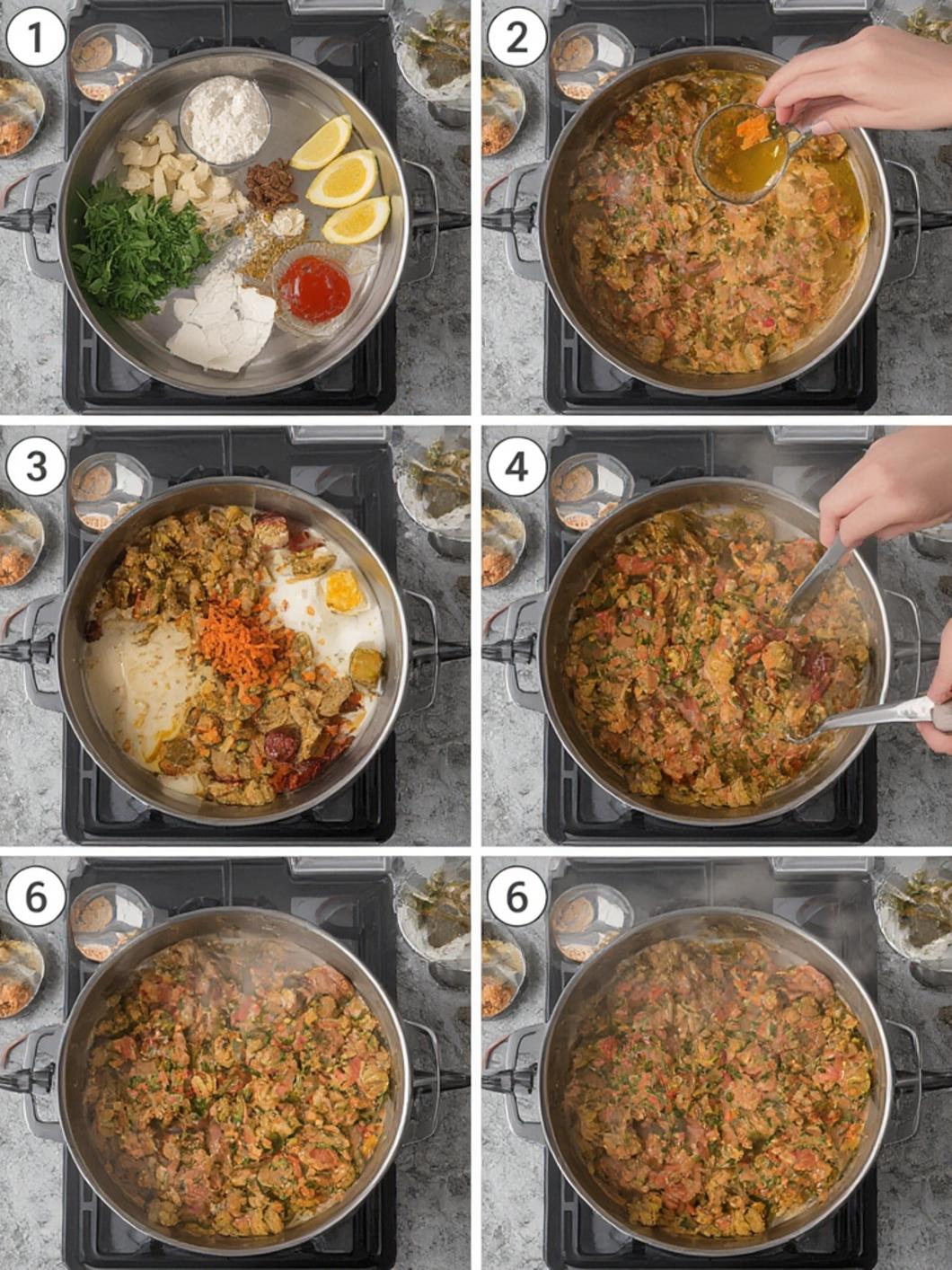
1. Remove steaks from refrigerator: Take your steaks out 30 minutes before cooking to reach room temperature for even cooking.
2. Prepare your steaks: Pat the steaks completely dry with paper towels. Moisture is the enemy of a good sear. Season generously with kosher salt and freshly ground pepper on all sides.
3. Preheat your cast iron skillet: Place your cast iron skillet over high heat for 5-7 minutes until it’s smoking hot. A properly preheated cast iron skillet steak method ensures that perfect sear.
4. Add oil and sear: Add oil to the hot skillet (it should shimmer immediately). Carefully place steaks in the pan, allowing at least 1 inch between them. Press down gently to ensure complete contact with the pan.
5. Time your cook: For a perfect medium rare doneness, sear for 3-4 minutes without moving the steak. Flip once and cook the other side for 3-4 minutes.
6. Add flavor enhancers: Reduce heat to medium. Add butter, garlic, and herbs to the pan. Tilt the pan slightly and use a spoon to baste the steaks with the butter mixture for 1-2 minutes.
7. Check temperature: For medium-rare, remove steaks when they reach an internal temperature of 130-135°F (54-57°C).
8. Rest before serving: Transfer to a cutting board and rest for 10 minutes before slicing against the grain.
Nutritional Benefits / Advantages
A 6 oz portion of steak provides approximately:
– Calories: 350-420 (depending on cut and fat content)
– Protein: 40-45g
– Iron: 15% of daily value
– Zinc: 40% of daily value
– B vitamins: Significant amounts of B12, B6, and niacin
– Creatine: Natural compound supporting muscle energy
Tips, Alternative Methods, or Cooking Advice
– For thicker steaks: Use the reverse sear method – start in a 275°F oven until internal temp reaches 90-95°F, then finish in a hot skillet.
– For leaner cuts: Consider marinating overnight to enhance tenderness.
– Alternative cooking methods: Grill over high heat or finish in a 400°F oven after searing.
– For bone-in steaks: Add 1-2 minutes to cooking time per side.
– Flavor variations: Try compound butters with blue cheese, chipotle, or herb mixtures.
Common Mistakes to Avoid
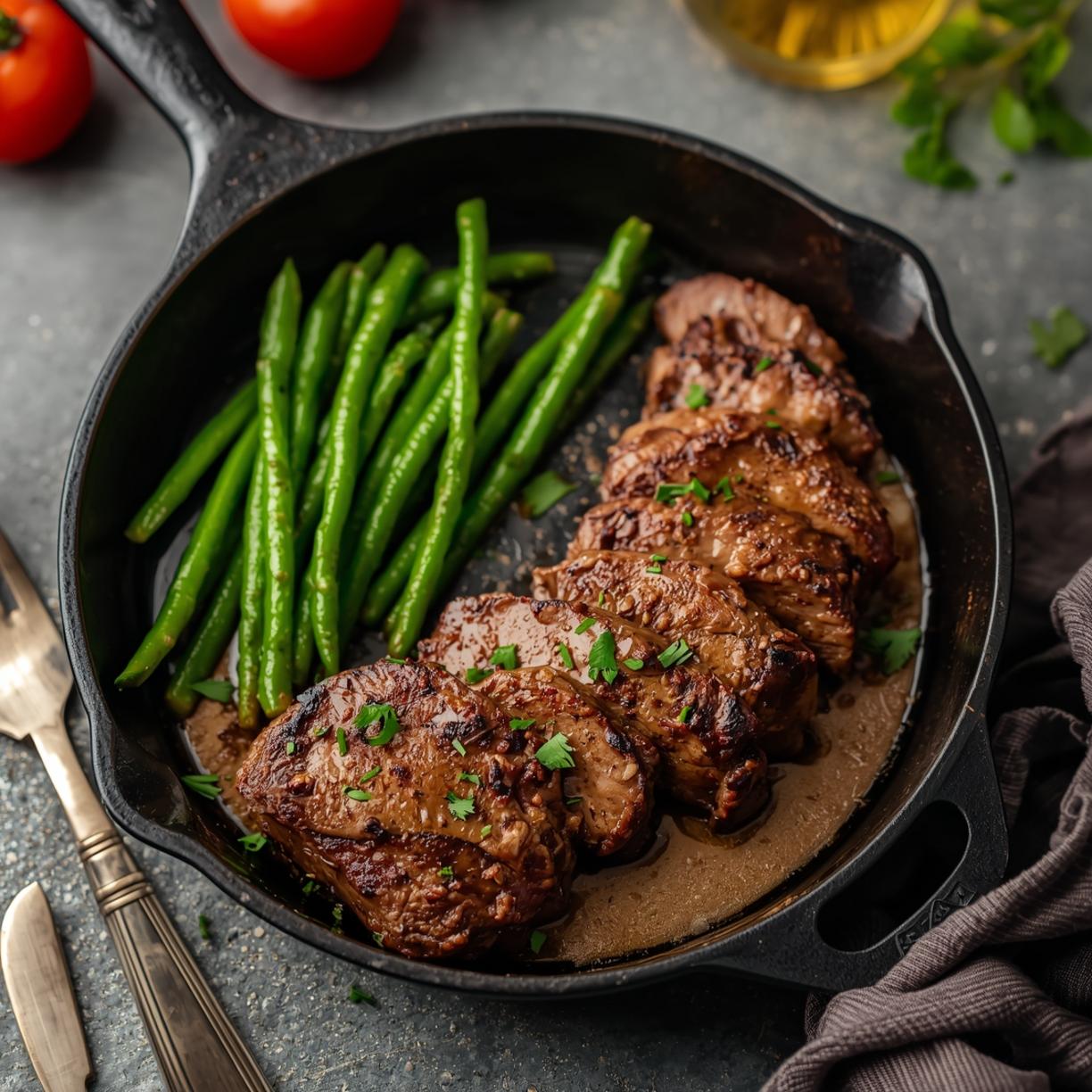
1. Cooking cold steak: Always bring your steak to room temperature before cooking.
2. Flipping too often: Resist the urge to constantly check and flip; once per side is ideal.
3. Skipping the rest period: Cutting immediately releases juices, resulting in dry steak.
4. Under-seasoning: Steaks need more salt than you might think; season generously.
5. Overcrowded pan: Cook in batches if needed; crowding creates steam instead of sear.
Storage / Maintenance Tips
– Refrigeration: Store leftover steak in an airtight container for up to 3 days.
– Freezing: Wrap tightly in plastic wrap then foil and freeze for up to 3 months.
– Reheating: For best results, slice thinly and warm briefly in a pan with a splash of beef broth to maintain moisture. Avoid microwaving, which can toughen the meat.
– Repurposing leftovers: Use in sandwiches, salads, or stir-fries for delicious next-day meals.
Conclusion
Mastering the cast iron skillet steak technique transforms an ordinary dinner into a remarkable culinary experience. With practice, you’ll develop an intuitive sense for achieving that perfect medium rare doneness every time. The beauty of cooking steak at home lies in the customization and pride that comes from crafting something truly delicious. Why not try this method this weekend? I’d love to hear about your steak-cooking adventures in the comments below!
FAQs
How can I tell when my steak is medium-rare without a thermometer?
Use the finger test: Press the steak with your finger and compare the firmness to the base of your thumb when touching your index finger – it should have slight resistance but feel soft and yielding.
Can I use frozen steak directly in a cast iron skillet?
It’s not recommended. Always thaw completely and bring to room temperature for even cooking and proper searing.
Why is my steak tough despite cooking to medium-rare?
This could be due to the cut of meat, not slicing against the grain, or not allowing proper rest time after cooking.
What’s the best oil to use for high-heat searing?
Avocado, grapeseed, or refined safflower oils are ideal due to their high smoke points above 450°F.
How do I maintain my cast iron skillet after cooking steak?
Clean while still warm (not hot) with hot water and a stiff brush (no soap), dry thoroughly, and apply a thin layer of oil before storing.