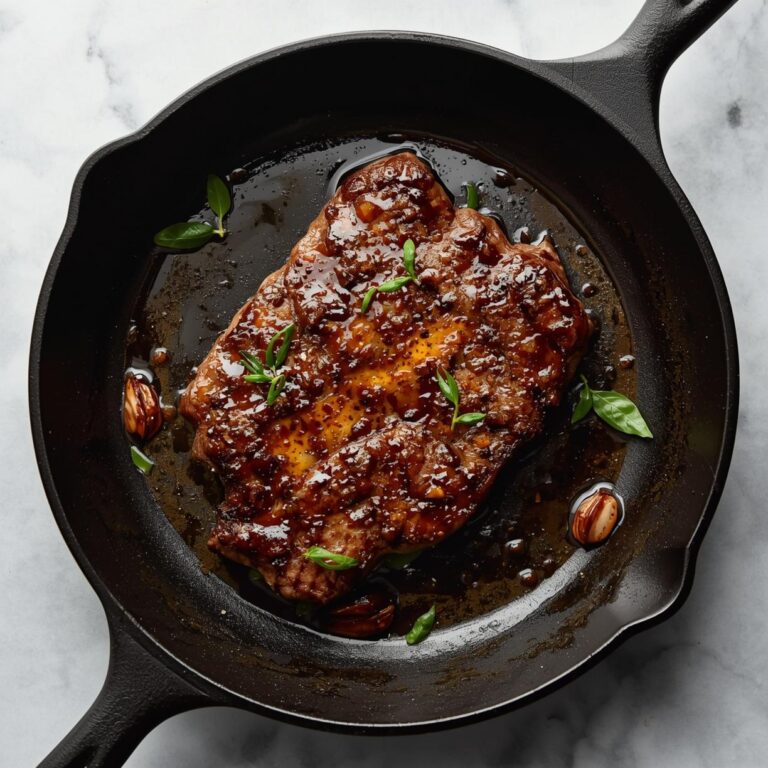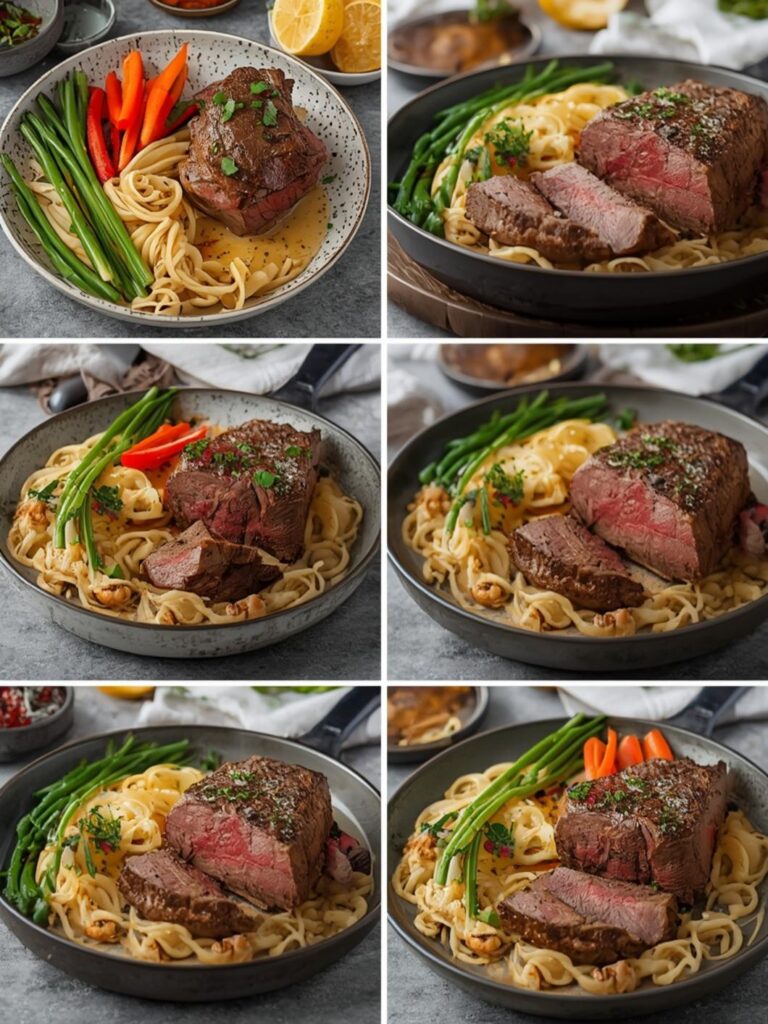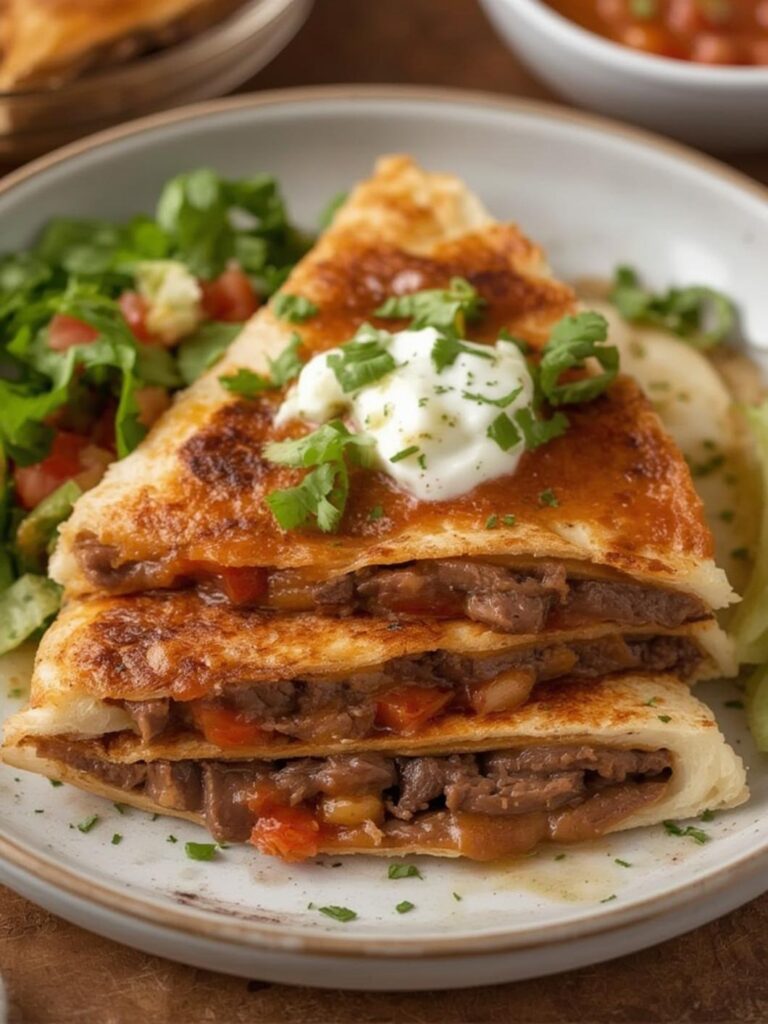
Best way to make New York Strip Steak recipe in 3 steps new york strip steak recipe
Table of Contents
The Ultimate Guide to Cooking a Perfect New York Strip Steak
Have you ever wondered why steakhouses charge premium prices for something you could potentially make at home? Creating a restaurant-quality new york strip steak recipe in your own kitchen isn’t just possible—it’s surprisingly achievable with the right techniques. The satisfying sizzle of a grilled new york strip steak hitting a hot surface and that mouthwatering aroma can transform an ordinary dinner into a special occasion. Let’s dive into mastering this classic cut that combines tenderness with robust beef flavor.
Thank you for reading this post, don't forget to subscribe!Ingredients List
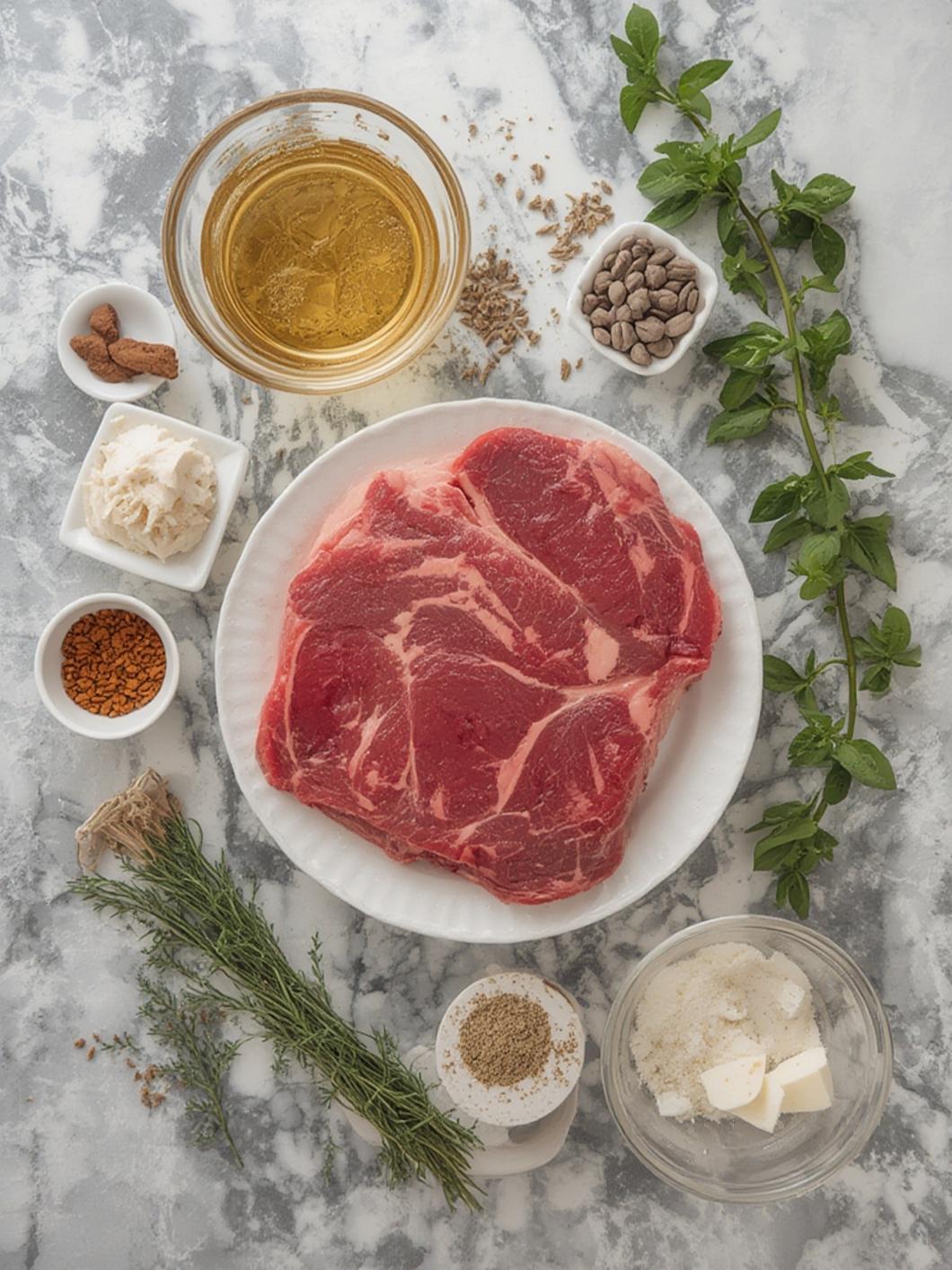
– 2 New York strip steaks (1½-inch thick, about 12-16 oz each)
– 2 tablespoons olive oil
– 2 tablespoons unsalted butter
– 3-4 garlic cloves, smashed
– 2-3 sprigs fresh rosemary
– 2-3 sprigs fresh thyme
– 2 teaspoons kosher salt
– 1 teaspoon freshly ground black pepper
– Optional: 1 teaspoon crushed red pepper flakes for heat
Timing / Cooking Schedule
– Preparation Time: 30 minutes (includes bringing steaks to room temperature)
– Active Cooking Time: 10-12 minutes
– Resting Time: 10 minutes
– Total Time: 50-52 minutes
Step-by-Step Instructions
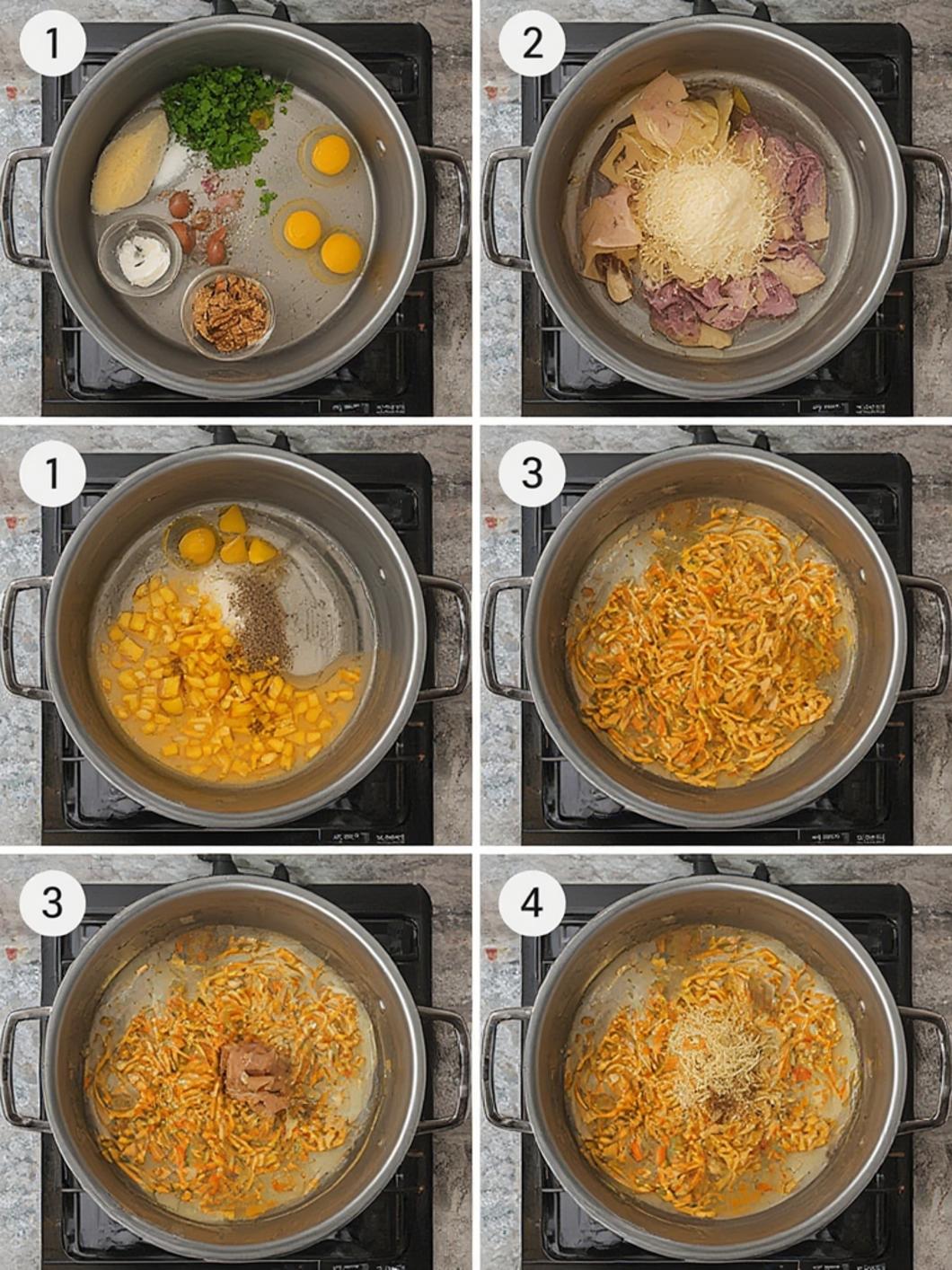
1. Prepare the steaks: Remove your new york strip steak recipe from refrigeration 30 minutes before cooking. This crucial step ensures even cooking. Pat the steaks dry with paper towels to remove excess moisture—this is essential for achieving that perfect sear.
2. Season generously: Season both sides with salt and pepper. Press the seasonings into the meat rather than just sprinkling them on for better adhesion.
3. Heat your cooking surface: For a grilled new york strip steak, preheat your grill to high heat (about 450-500°F). If using a cast-iron skillet, heat it over high heat until smoking.
4. Oil the steaks: Lightly brush the steaks with olive oil rather than adding oil to the pan. This prevents smoking and helps seasonings adhere better.
5. Cook with precision: For medium-rare (the chef-recommended doneness), cook for 4-5 minutes on the first side without moving the steak. Flip once and cook for another 3-4 minutes.
6. Add aromatics: If using a skillet, add butter, garlic, and herbs during the last 2 minutes. Tilt the pan slightly and spoon the aromatic butter over the steaks repeatedly.
7. Check temperature: Use an instant-read thermometer to verify doneness: 125°F for rare, 135°F for medium-rare, 145°F for medium.
8. Rest properly: Transfer to a cutting board and rest for 10 minutes. This allows juices to redistribute throughout the meat for maximum tenderness.
Nutritional Benefits / Advantages
A 6-ounce portion of New York strip steak provides approximately:
– 320 calories
– 42g protein
– 0g carbohydrates
– 18g fat
– High in B vitamins, especially B12 (essential for nerve function)
– Excellent source of zinc, iron, and phosphorus
– Contains all nine essential amino acids
Tips, Alternative Methods, or Cooking Advice
– Pan-seared method: A cast-iron skillet produces a beautiful crust while maintaining juiciness.
– Sous vide option: For foolproof results, cook sealed steaks at 129°F for 1-2 hours, then finish with a quick sear.
– Oven finish: After searing, finish thicker steaks in a 400°F oven until desired doneness.
– Flavor variations: Try compound butters with herbs, blue cheese crumbles, or a red wine reduction.
– For leaner diets: Trim excess fat before cooking and serve with roasted vegetables.
Common Mistakes to Avoid
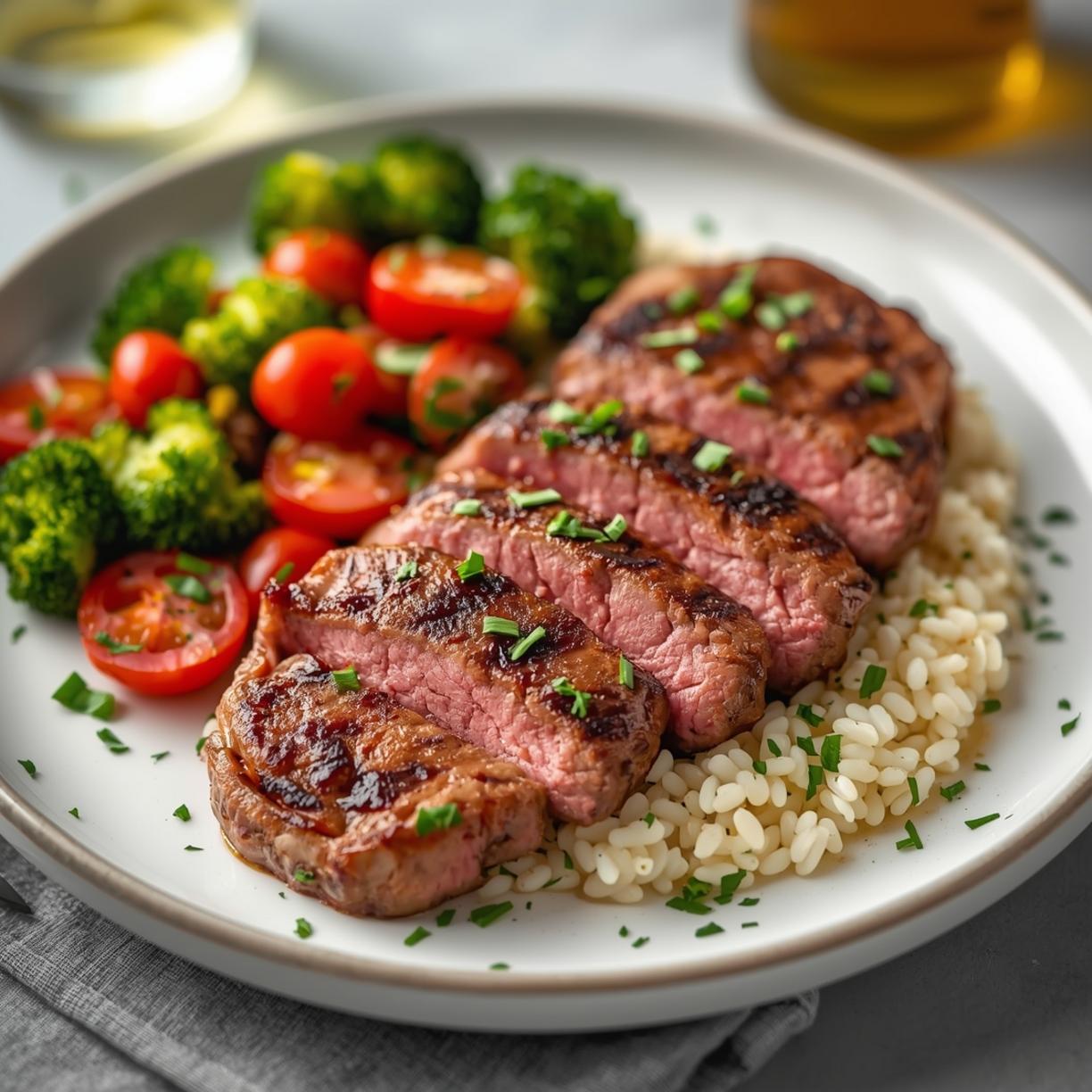
1. Frequent flipping: Resist the urge to repeatedly flip the steak. One flip is ideal for developing a proper crust.
2. Cooking cold steaks: Always bring to room temperature first to ensure even cooking.
3. Under-seasoning: Beef needs generous seasoning. Salt penetrates while pepper adds flavor.
4. Cutting too soon: Slicing immediately after cooking results in juice loss and a drier steak.
5. Overcooking: Use a thermometer rather than guessing doneness by appearance.
Storage / Maintenance Tips
– Refrigerate leftover steak within 2 hours of cooking
– Store in an airtight container for up to 3 days
– For best reheating results, warm in a 275°F oven until reaching 110°F internally (about 20 minutes)
– Slice cold leftover steak thinly for steak salads or sandwiches
– Freeze properly wrapped steak for up to 3 months
Conclusion
Mastering a new york strip steak recipe at home gives you control over quality, doneness, and flavor profiles that even expensive restaurants can’t customize to your preferences. The techniques you’ve learned here—from proper temperature management to the perfect sear—transfer to other cuts as well. Whether you prefer a grilled new york strip steak with those distinctive char marks or a butter-basted pan-seared version, you now have the knowledge to create steakhouse-quality results in your own kitchen. We’d love to hear about your steak adventures in the comments below!
FAQs
How can I tell when my steak is done without a thermometer?
Use the finger test: Press the steak with your finger and compare the resistance to different parts of your hand. The fleshy part below your thumb when relaxed feels like rare, when touching thumb to index finger feels like medium-rare, to middle finger like medium, to ring finger like medium-well, and to pinky like well-done.
Should I use oil or butter when cooking steak?
Use both for best results. Start with oil for its higher smoke point, then add butter toward the end of cooking for flavor. The butter browns and creates nutty notes that complement the beef beautifully.
Can I cook frozen New York strip steak without thawing?
Yes, though results won’t be optimal. Add about 50% more cooking time and expect less even cooking. For best results, always thaw completely and bring to room temperature before cooking.
What’s the best wine to pair with New York strip steak?
Cabernet Sauvignon, Malbec, or Syrah/Shiraz pairs wonderfully with New York strip. These full-bodied reds have tannins that complement the steak’s richness while cutting through the fat.
Is it necessary to rest steak after cooking?
Absolutely. Resting for 5-10 minutes allows ju