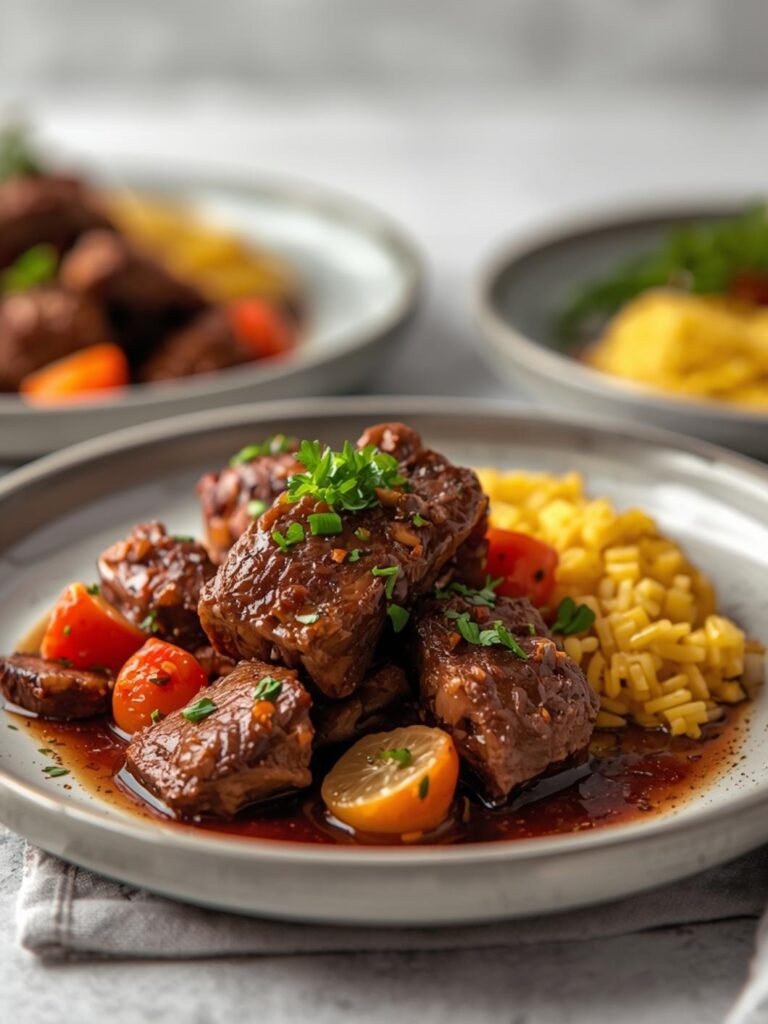
Best way to make bone in ribeye in 12 mins
Table of Contents
Mastering the Perfect Bone-In Ribeye Steak at Home
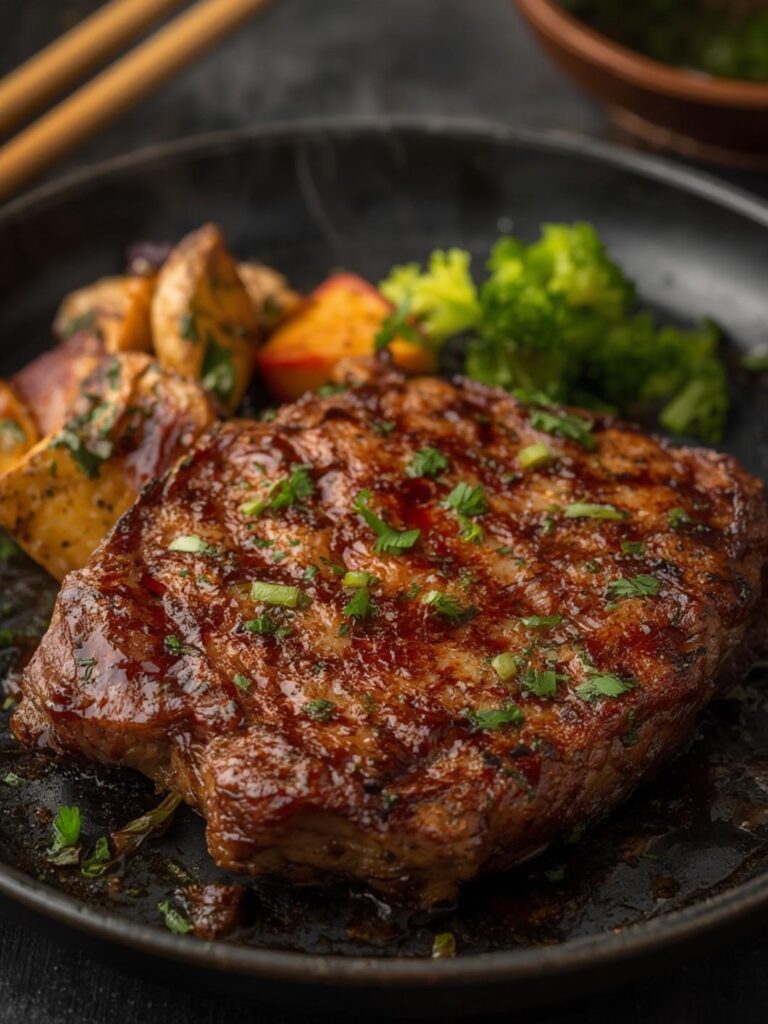
Have you ever wondered how to achieve that mouthwatering, restaurant-quality steak in your own kitchen? There’s something truly special about the rich, buttery flavor and impressive presentation of a bone in ribeye that has been perfectly grilled to your desired doneness. Learning to cook this premium cut at home not only saves you money on expensive steakhouse meals but also gives you complete control over the quality and preparation. Let’s explore how to create this culinary masterpiece in your own kitchen.
Thank you for reading this post, don't forget to subscribe!Ingredients List
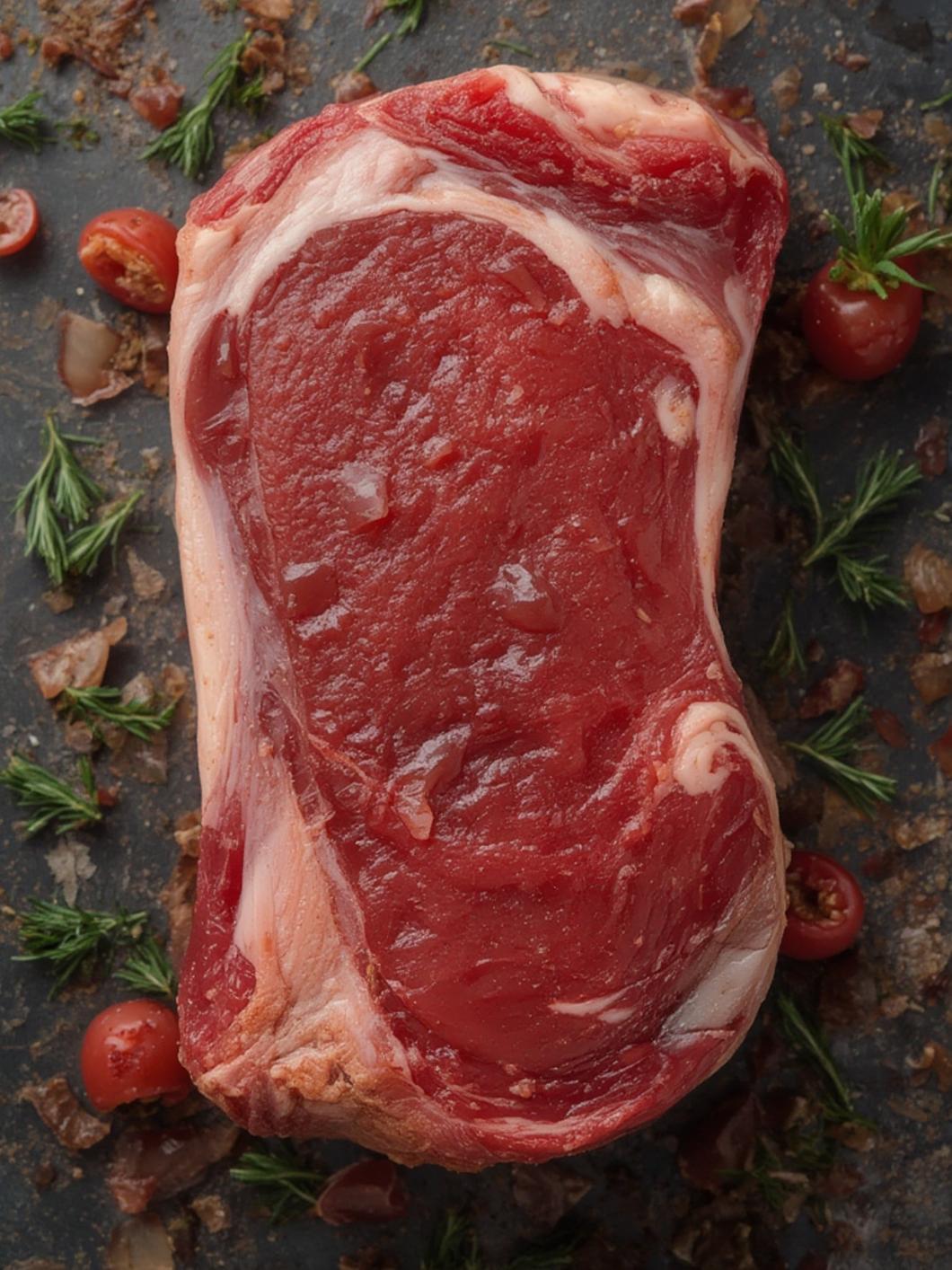
– 1.5-2 inch thick bone in ribeye steak (room temperature)
– 2 tablespoons high-quality olive oil
– 2 tablespoons unsalted butter
– 3-4 garlic cloves, smashed
– 2-3 sprigs fresh rosemary or thyme
– 1 tablespoon coarse kosher salt
– 2 teaspoons freshly ground black pepper
– 1 teaspoon garlic powder (optional)
– 1 teaspoon onion powder (optional)
Timing / Cooking Schedule
– Preparation Time: 30 minutes (including bringing steak to room temperature)
– Seasoning Time: 15 minutes
– Cooking Time: 12-15 minutes (depending on thickness and desired doneness)
– Resting Time: 10 minutes
– Total Time: Approximately 1 hour
Step-by-Step Instructions
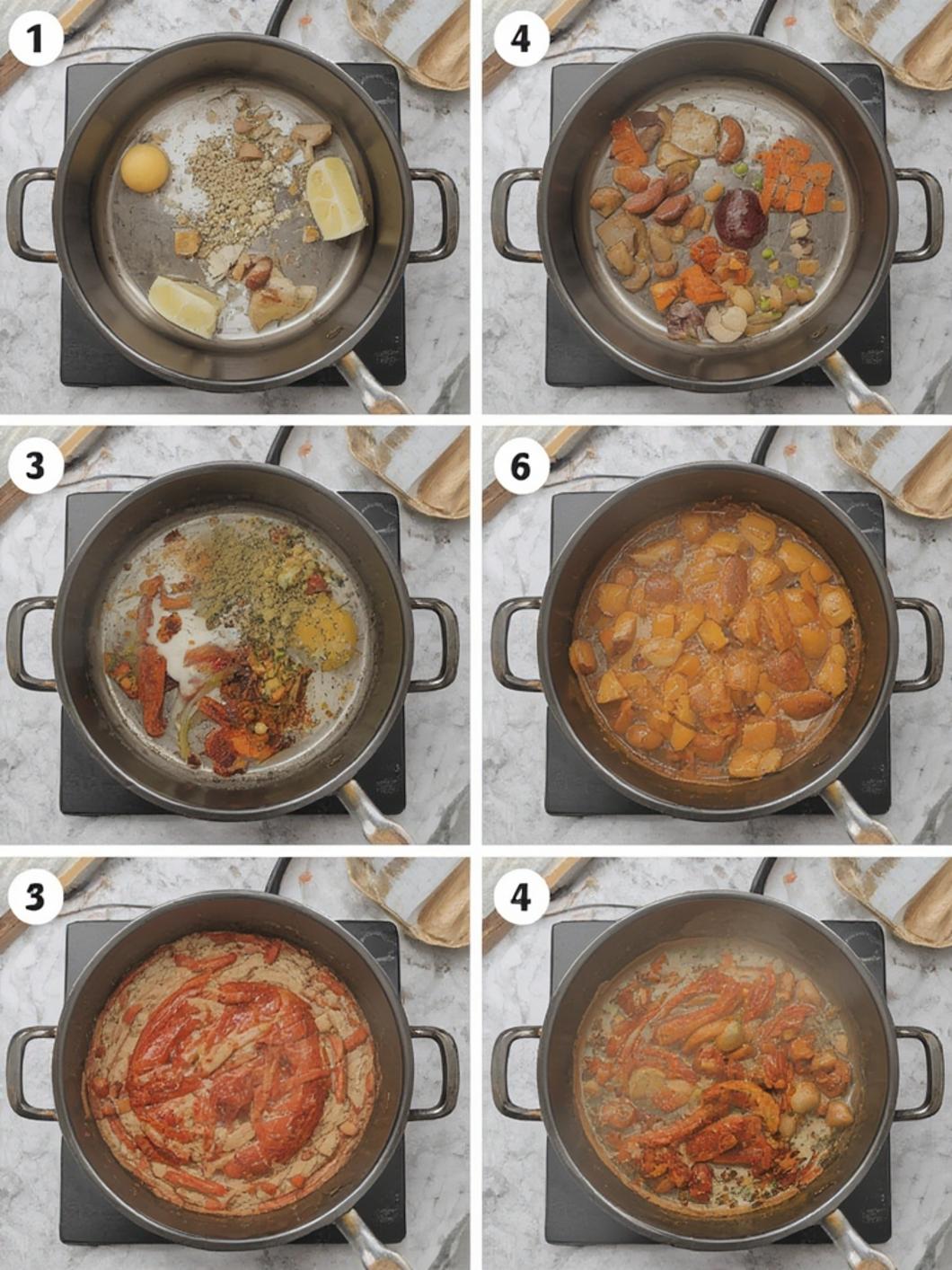
1. Prepare the Steak: Remove your bone in ribeye from the refrigerator 30-45 minutes before cooking to bring it to room temperature. This ensures even cooking throughout.
2. Season Generously: Pat the steak dry with paper towels. Apply olive oil to both sides, then season liberally with salt and pepper. For extra flavor, add garlic and onion powder if desired.
3. Preheat Your Cooking Surface: Whether using a grill, cast iron skillet, or grill pan, ensure it’s extremely hot before adding the steak. For grilled preparation, preheat to high heat (450-500°F).
4. Sear the Steak: Place the steak on the hot surface and sear for 4-5 minutes without moving it. This creates that beautiful crust everyone loves.
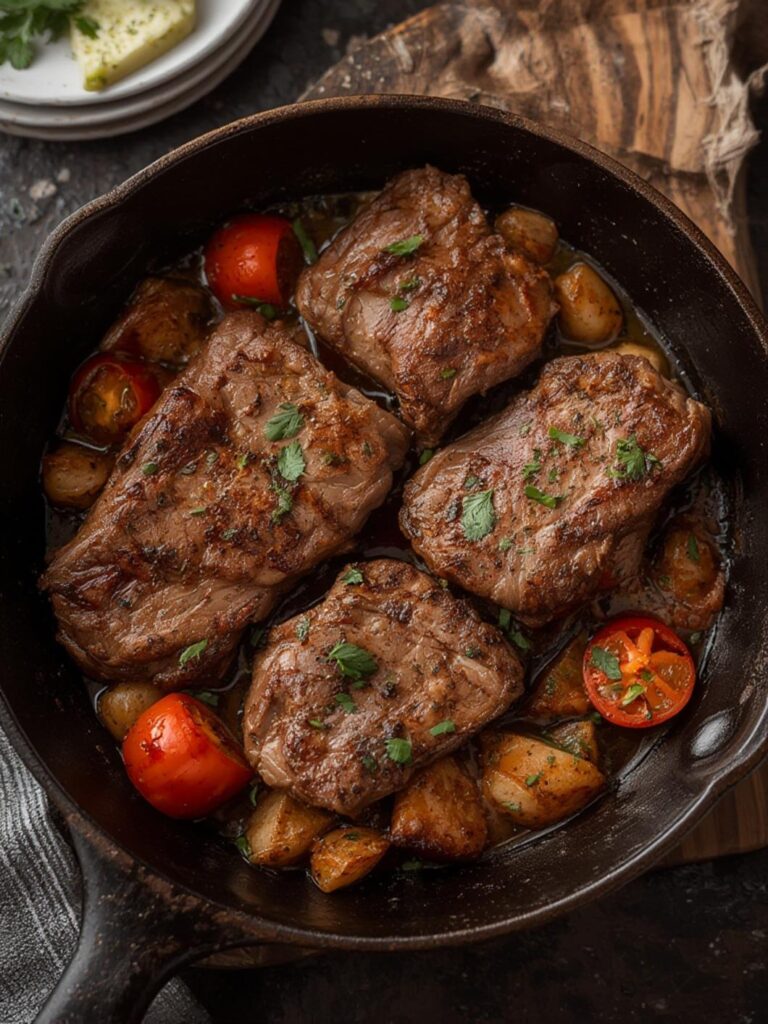
5. Flip and Continue: Flip once and cook for another 4-5 minutes for medium-rare. Add butter, garlic cloves, and herb sprigs during the last 2 minutes, basting the steak with the melted butter.
6. Check Temperature: Use a meat thermometer to check doneness: 125°F for rare, 135°F for medium-rare, 145°F for medium.
7. Rest: Remove the steak and let it rest on a cutting board for at least 10 minutes. This allows juices to redistribute throughout the meat.
Nutritional Benefits / Advantages
– High-quality protein (approximately 50g per 8oz serving)
– Rich source of B vitamins, especially B12 for nerve and blood cell health
– Contains zinc and selenium for immune system support
– Provides iron in a highly absorbable form
– Contains conjugated linoleic acid (CLA), which may have heart health benefits
Tips, Alternative Methods, or Cooking Advice
– Oven Finish Method: For thick cuts, sear on high heat for 3 minutes per side, then finish in a 375°F oven until desired doneness.
– Sous Vide Option: For foolproof doneness, sous vide the steak at your target temperature for 1-2 hours before a quick sear.
– Flavor Variations: Try compound butters with different herbs like cilantro, chives, or tarragon for unique flavor profiles.
– Wine Pairing: Serve with a bold red wine like Cabernet Sauvignon or Malbec to complement the rich flavor.
Common Mistakes to Avoid
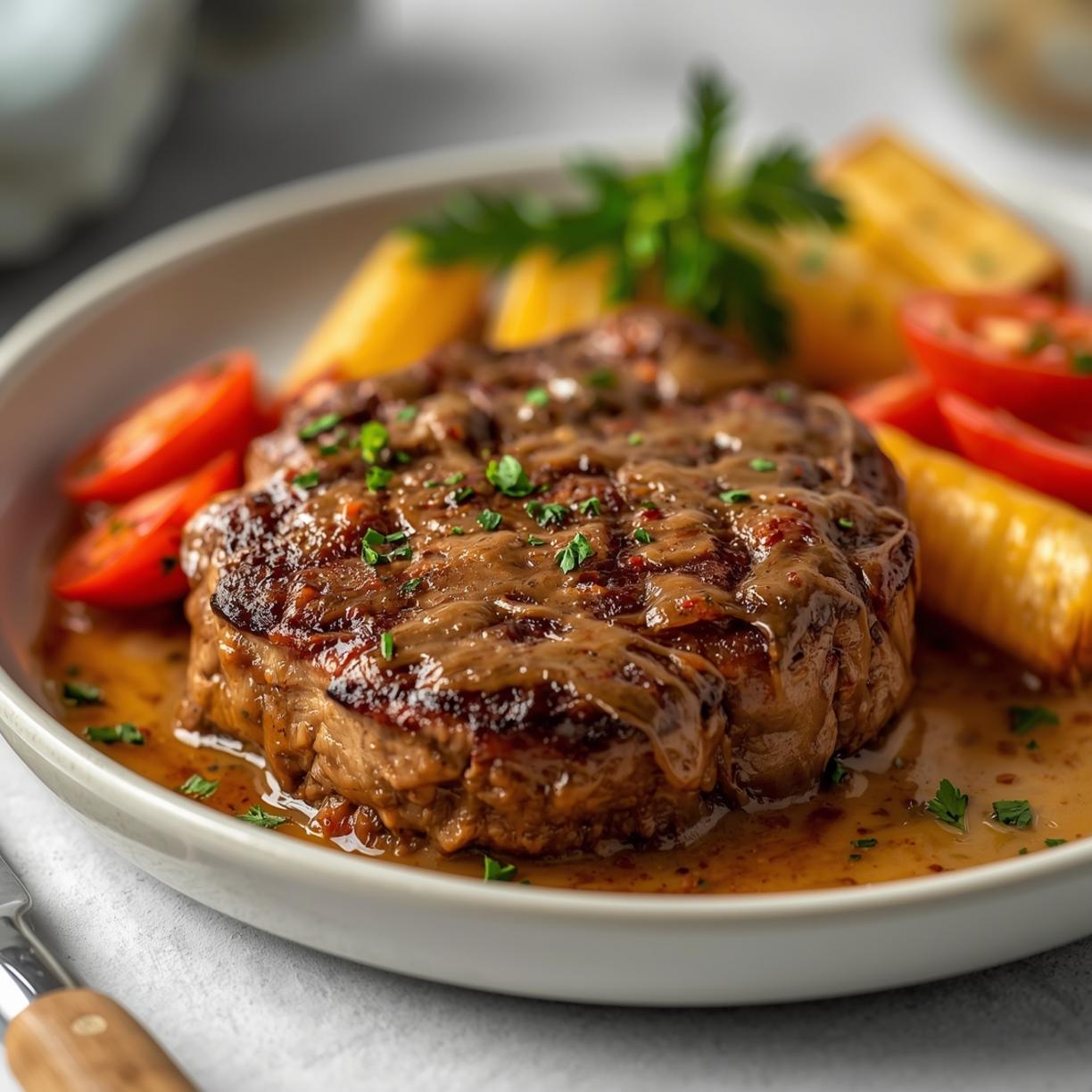
– Not resting the steak: Cutting into the steak immediately releases all the juices, resulting in a dry steak.
– Cooking cold steak: Always bring your steak to room temperature before cooking.
– Flipping too often: Let the steak develop a crust before flipping; multiple flips prevent proper searing.
– Improper seasoning timing: Season just before cooking to prevent drawing moisture out of the meat.
Storage / Maintenance Tips
– Refrigeration: Store leftover steak wrapped tightly in the refrigerator for up to 3 days.
– Freezing: For longer storage, wrap portions in freezer paper, then plastic wrap, and freeze for up to 2 months.
– Reheating: To avoid overcooking, reheat slowly in a 275°F oven until the internal temperature reaches 110-120°F.
– Repurposing: Use leftover steak in salads, sandwiches, or breakfast hash for delicious next-day meals.
Conclusion
Mastering the art of cooking a perfectly grilled bone in ribeye at home is a culinary skill worth developing. With the right techniques and attention to detail, you can create a steakhouse-quality meal that impresses family and friends while satisfying your carnivorous cravings. Remember that practice makes perfect—each time you prepare this magnificent cut, you’ll refine your technique and discover your personal preferences for seasoning, doneness, and serving styles. We’d love to hear about your steak-cooking adventures in the comments below!
FAQs
Q: How can I tell doneness without a meat thermometer?
A: Use the finger test: Touch your thumb to your index finger and press the base of your thumb—that firmness resembles rare steak. Middle finger is medium-rare, ring finger is medium, and pinky is well-done.
Q: Can I use the same technique for boneless ribeye?
A: Yes, but boneless ribeyes typically cook slightly faster, so reduce cooking time by 1-2 minutes per side.
Q: What’s the best way to season a ribeye steak?
A: Simple is best—kosher salt and freshly ground black pepper allow the steak’s natural flavor to shine. Add garlic powder or herbs for subtle flavor enhancement.
Q: Why is my steak tough despite cooking to the right temperature?
A: You may be slicing with rather than against the grain. Always cut perpendicular to the muscle fibers for maximum tenderness.
Q: Is it worth spending extra on prime grade ribeye versus choice?
A: Prime offers more marbling, resulting in a more tender, flavorful steak. For special occasions, it’s worth the splurge, but properly cooked choice grade can still be excellent.