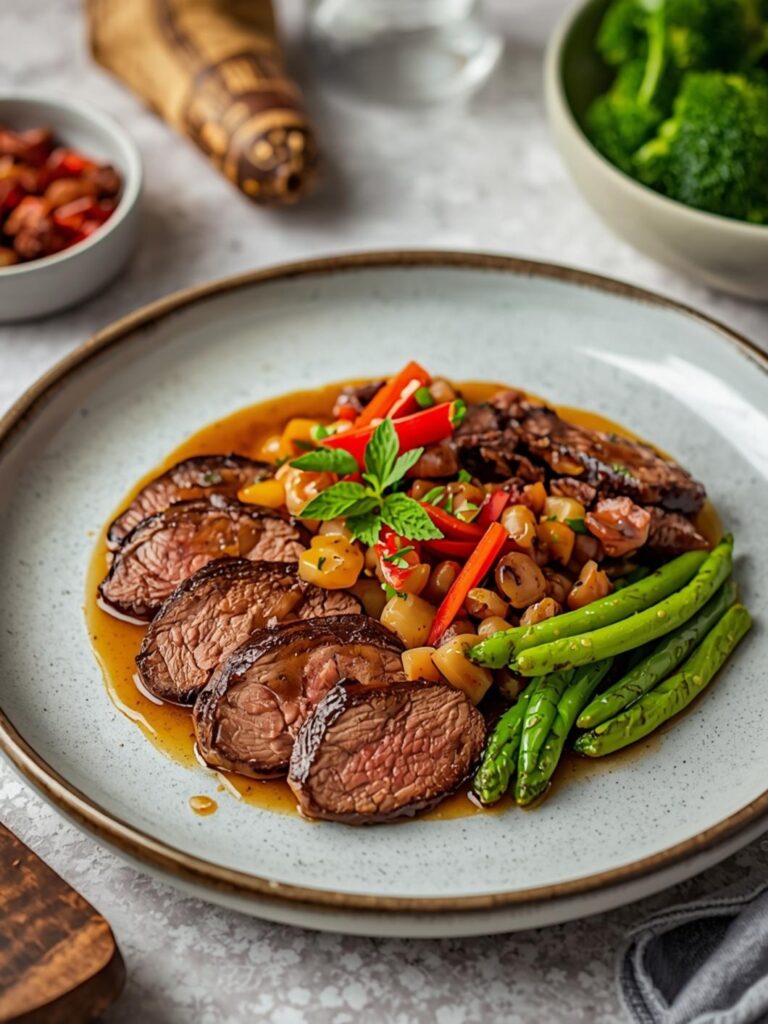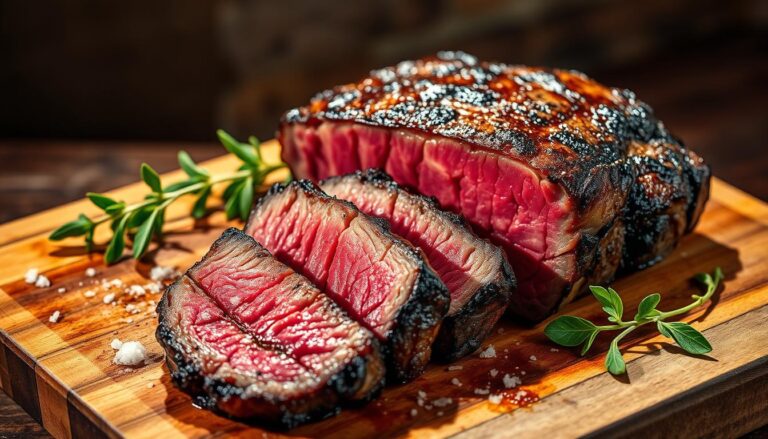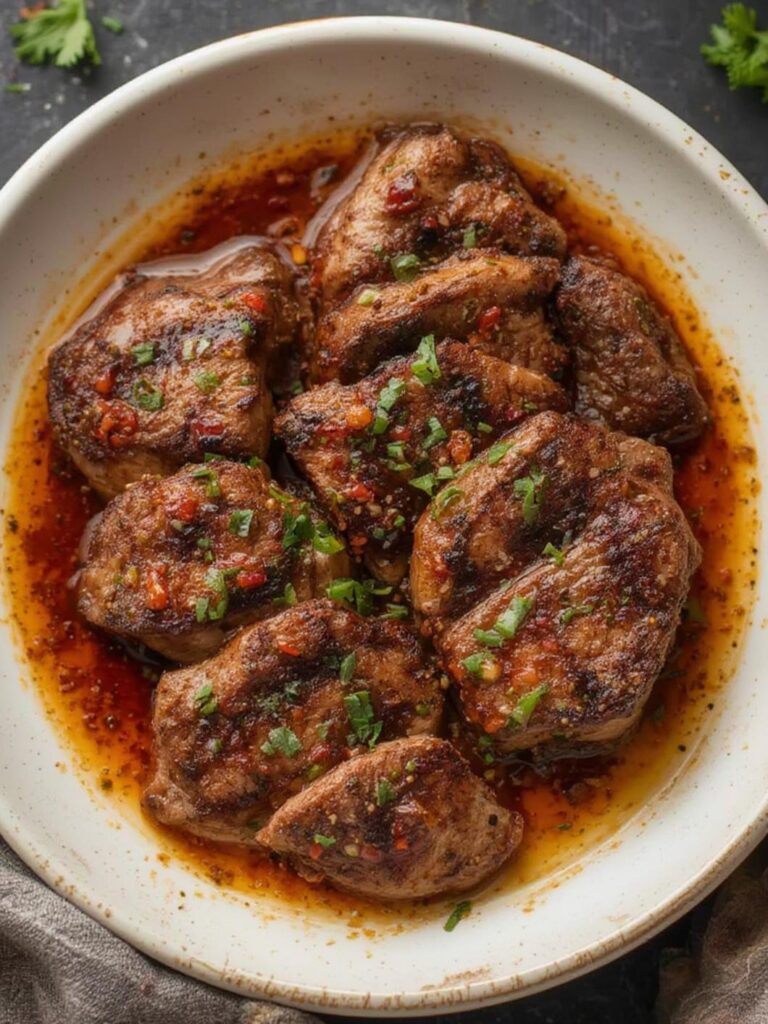
Quick way to make 3-step how to cook steak in pan
Table of Contents
Perfect Pan-Seared Steak: The Ultimate Guide for Home Cooks
There’s something incredibly satisfying about a perfectly cooked steak—with its caramelized crust, tender interior, and rich flavor that makes any meal feel special. While steakhouses have their charm, mastering how to cook steak in pan at home gives you complete control over quality, doneness, and seasoning.
Thank you for reading this post, don't forget to subscribe!The beauty of a pan-seared steak is its simplicity—you need minimal equipment and ingredients to create restaurant-quality results. Even beginners can achieve a perfect crust and juicy interior with the right technique. Plus, cooking at home allows you to use better quality meat at a fraction of restaurant prices, making this skill both economical and impressive when entertaining guests.
Ingredients List
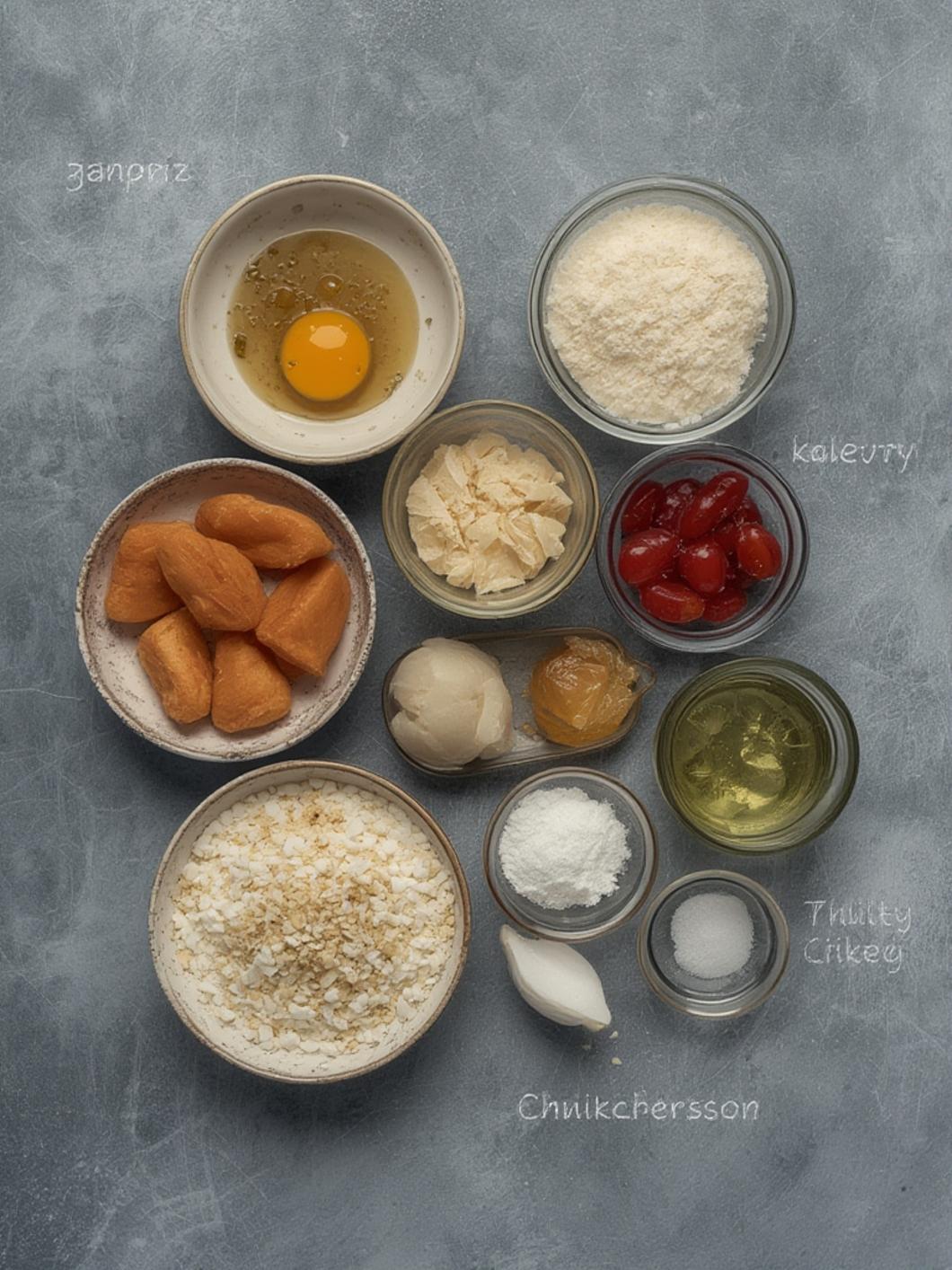
- 2 boneless ribeye or New York strip steaks (1 to 1½ inches thick)
- 2 tablespoons high-heat cooking oil (avocado, grapeseed, or canola)
- 2 tablespoons unsalted butter
- 3-4 garlic cloves, peeled and smashed
- 2-3 sprigs fresh rosemary or thyme
- 1½ tablespoons kosher salt
- 1 tablespoon freshly ground black pepper
- ½ teaspoon garlic powder (optional)
Optional garnishes:
- Flaky sea salt
- Fresh chopped parsley
- Compound butter
Step-by-Step Instructions
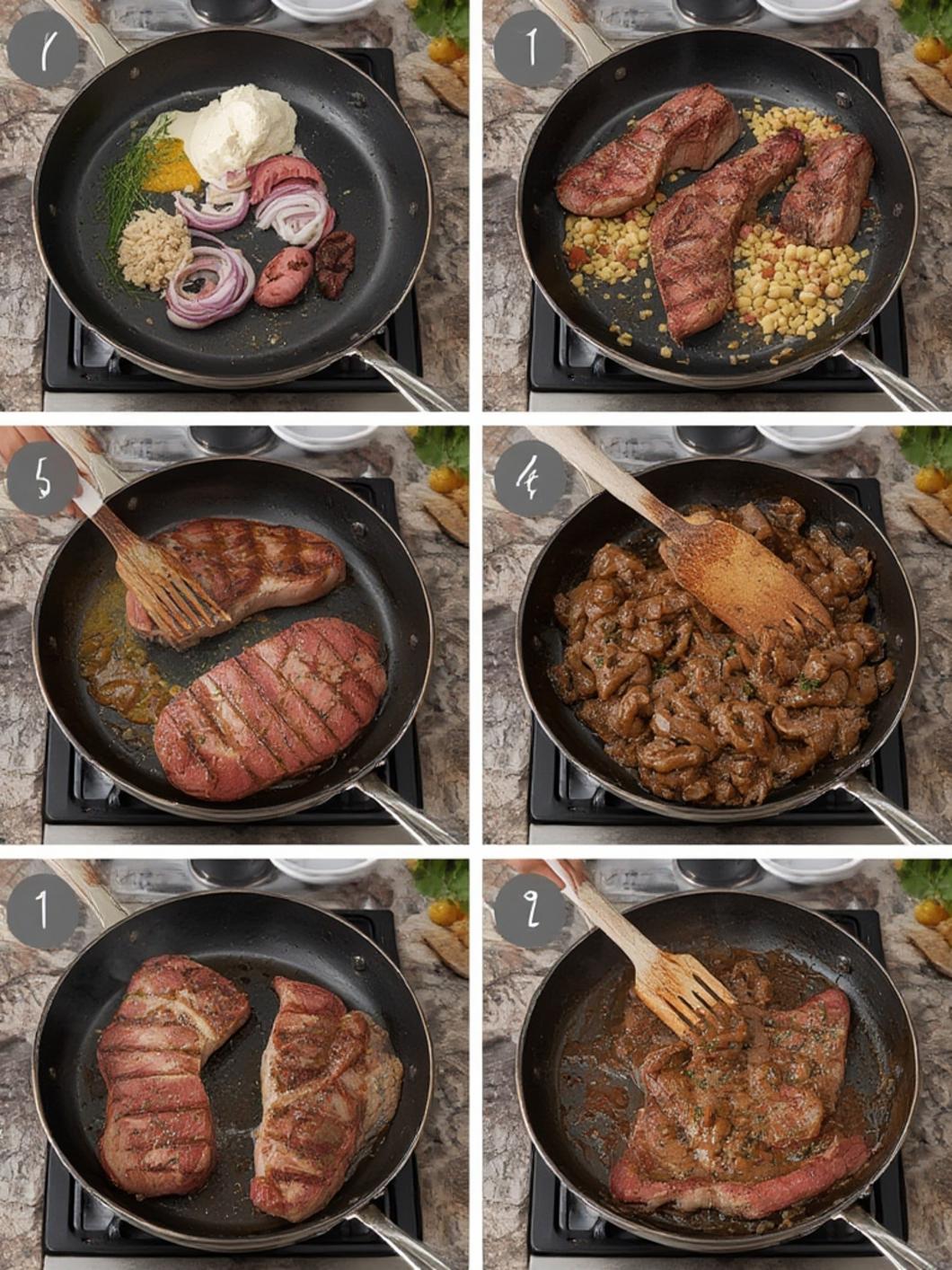
1. Bring steaks to room temperature: Remove your steaks from the refrigerator 30-45 minutes before cooking. This ensures even cooking from edge to center.
2. Prepare your steaks: Pat the steaks completely dry with paper towels. Moisture is the enemy of a good crust, so don’t skip this step!
3. Season generously: Season both sides of your steaks with kosher salt, pepper, and garlic powder (if using). Press the seasonings into the meat to help them adhere.
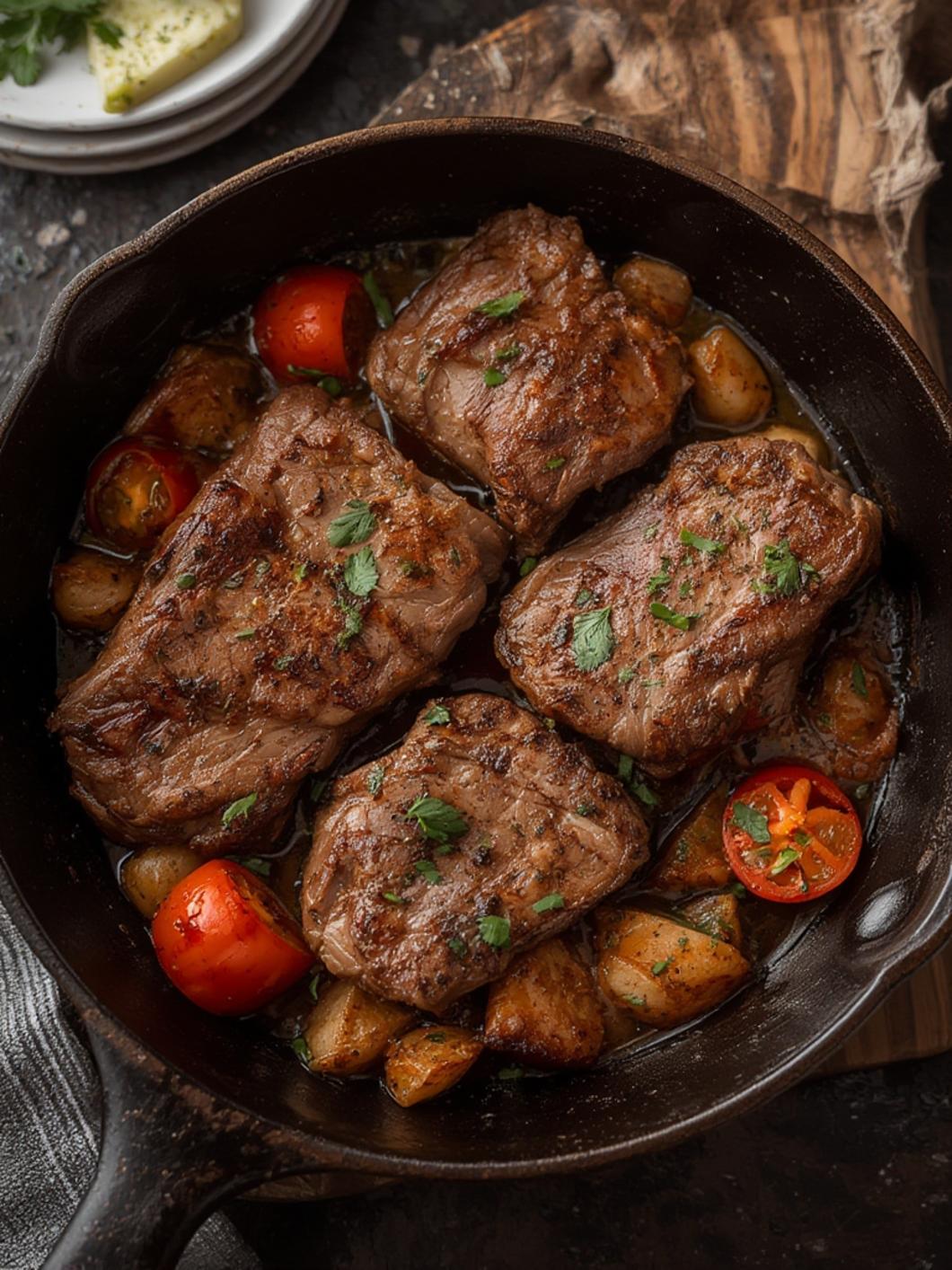
4. Heat your pan: Place a heavy cast-iron skillet or stainless steel pan over high heat and let it get smoking hot. The perfect how to cook steak in pan technique starts with a properly heated surface—this is crucial for achieving that beautiful pan-seared steak crust.
5. Add oil and sear: Add the oil to the hot pan (it should shimmer immediately), then carefully place your steaks in the pan. Don’t move them for at least 3-4 minutes to develop a proper crust.
6. Flip and continue cooking: Flip the steaks once and sear the other side for 3-4 minutes for medium-rare (adjust time based on thickness and desired doneness).
7. Add aromatics and butter: Reduce heat to medium. Add butter, garlic cloves, and herb sprigs to the pan. As the butter melts, tilt the pan slightly and use a spoon to baste the steaks with the flavored butter for 1-2 minutes.
8. Check temperature: For medium-rare, aim for 130-135°F (54-57°C) internal temperature using a meat thermometer. Remember that temperature will rise about 5°F during rest.
9. Rest before slicing: Transfer steaks to a cutting board and let rest for 5-10 minutes under loose foil. This allows juices to redistribute throughout the meat.
10. Slice and serve: Slice against the grain and serve with additional flavored butter or a sprinkle of flaky sea salt.
Preparation & Cooking Time
- Preparation time: 10 minutes
- Resting time before cooking: 30-45 minutes
- Cooking time: 10-12 minutes
- Resting time after cooking: 5-10 minutes
- Total time: 55-77 minutes
- Servings: 2 people
Tips & Variations
Flavor Enhancements:
- Try different compound butters: blue cheese, herb, or chipotle butter
- Deglaze the pan with red wine or beef stock after cooking for an easy pan sauce
- Add a splash of Worcestershire sauce during basting for deeper flavor
Ingredient Substitutions:
- Replace ribeye with sirloin, filet mignon, or flat iron steak
- Use dried herbs if fresh aren’t available (reduce quantity by half)
- Olive oil can substitute for other oils, but be careful as it has a lower smoke point
Alternative Cooking Methods:
- Reverse sear: Start in a 275°F oven until steaks reach 90-95°F internally, then finish in a hot pan
- Sous vide then sear: Cook to perfect temperature in a water bath, then quickly sear for the crust
- Grill-to-pan: Start on the grill for smokiness, finish in the pan with butter basting
Common Mistakes to Avoid
Using a cold pan or cold steaks:
- Solution: Preheat your pan thoroughly and bring steaks to room temperature before cooking
Overcrowding the pan:
- Solution: Cook steaks one at a time if necessary; overcrowding causes steaming instead of searing
Flipping too frequently:
- Solution: Allow proper searing time (3-4 minutes) before the first flip
Cutting into the steak immediately:
- Solution: Rest steaks for 5-10 minutes to retain juices
Under-seasoning:
- Solution: Use more salt than you think you need; much falls off during cooking
Using the wrong pan:
- Solution: Use cast iron or heavy stainless steel for best heat retention and crust formation
Storage & Reheating Tips
Refrigerator storage:
- Store leftover steak in an airtight container for up to 3 days
- For best quality, wrap tightly in plastic wrap first, then place in a container
Freezer storage:
- Wrap cooled steaks individually in plastic wrap, then aluminum foil
- Place in freezer bags with air removed
- Store up to 2-3 months
Best reheating methods:
- Low and slow oven method: Reheat at 275°F until warmed through
- Sous vide: Reheat sealed steaks in 130°F water bath for 30 minutes
- Avoid microwaving if possible, as it toughens the meat
- For thin slices: Quickly warm in a pan with a splash of beef broth
Conclusion
Mastering how to cook steak in pan is truly a game-changing skill that elevates home cooking to restaurant quality. The beauty of this technique lies in its accessibility—with just a few quality ingredients and proper timing, anyone can create a perfect pan-seared steak with that mouthwatering contrast between crispy exterior and juicy interior.
Whether you’re cooking for a special occasion or simply treating yourself to a luxurious weeknight dinner, this method delivers consistent, impressive results. We’d love to hear how your steaks turn out—share your experiences, modifications, and photos in the comments below!
FAQs
What’s the best cut of steak for pan searing?
Ribeye and New York strip are ideal for pan searing due to their marbling and thickness. However, sirloin, filet mignon, and flat iron steaks also work well. Look for steaks at least 1-inch thick for best results.
How can I tell when my steak is done without a thermometer?
Use the finger test: Touch your thumb to your index finger and feel the base of your thumb—that firmness resembles rare steak. Middle finger is medium-rare, ring finger is medium, and pinky is well-done. Compare this to how your steak feels when pressed.
Why does my steak smoke so much when cooking?
Smoking is normal with high-heat cooking. Ensure proper ventilation, use oils with high smoke points, and thoroughly dry your steak before cooking. If it’s excessive, your pan might be too hot—adjust as needed.
Can I use butter instead of oil for the initial searing?
Not recommended. Butter has a lower smoke point and will burn at the high temperatures needed for a good sear. Use high-heat oil for searing, then add butter later for flavor.
What should I serve with pan-seared steak?
Classic pairings include roasted potatoes, creamy mashed potatoes, grilled asparagus, sautéed mushrooms, or a simple green salad. A bold red wine like Cabernet Sauvignon or Malbec complements the rich flavors perfectly.