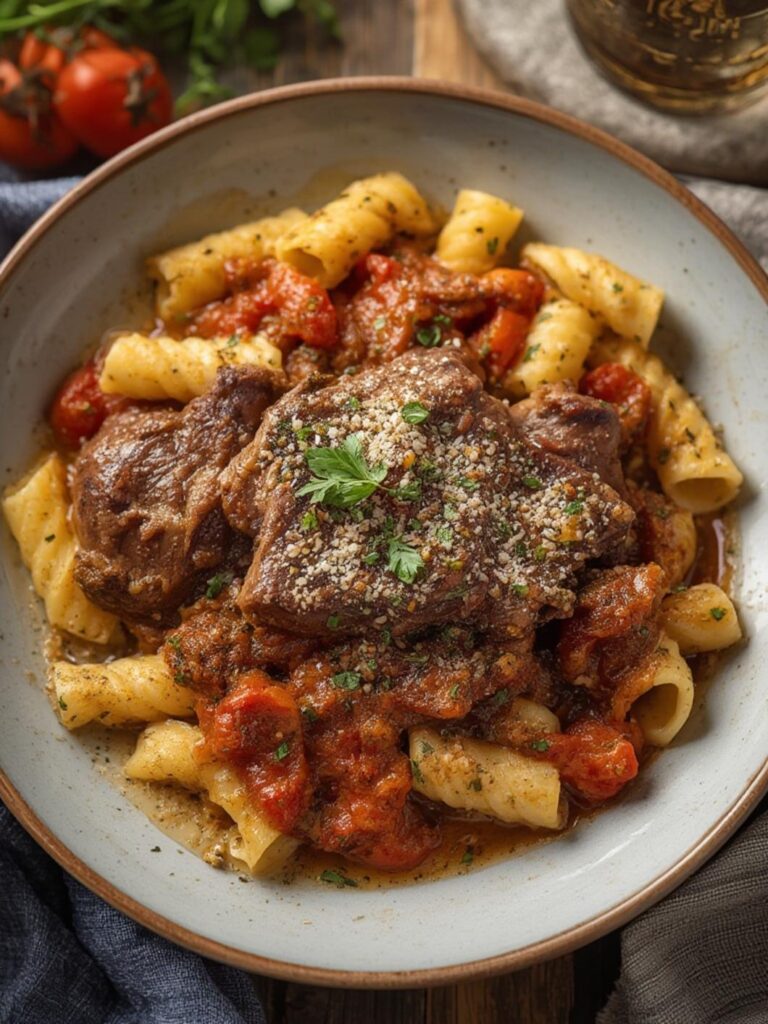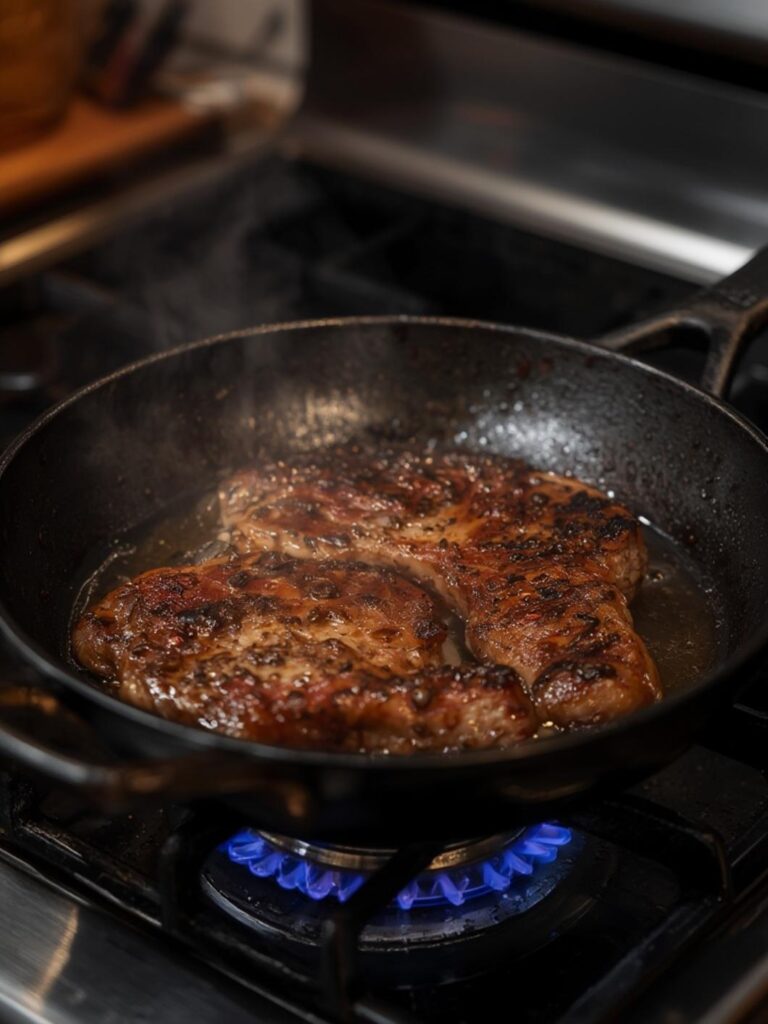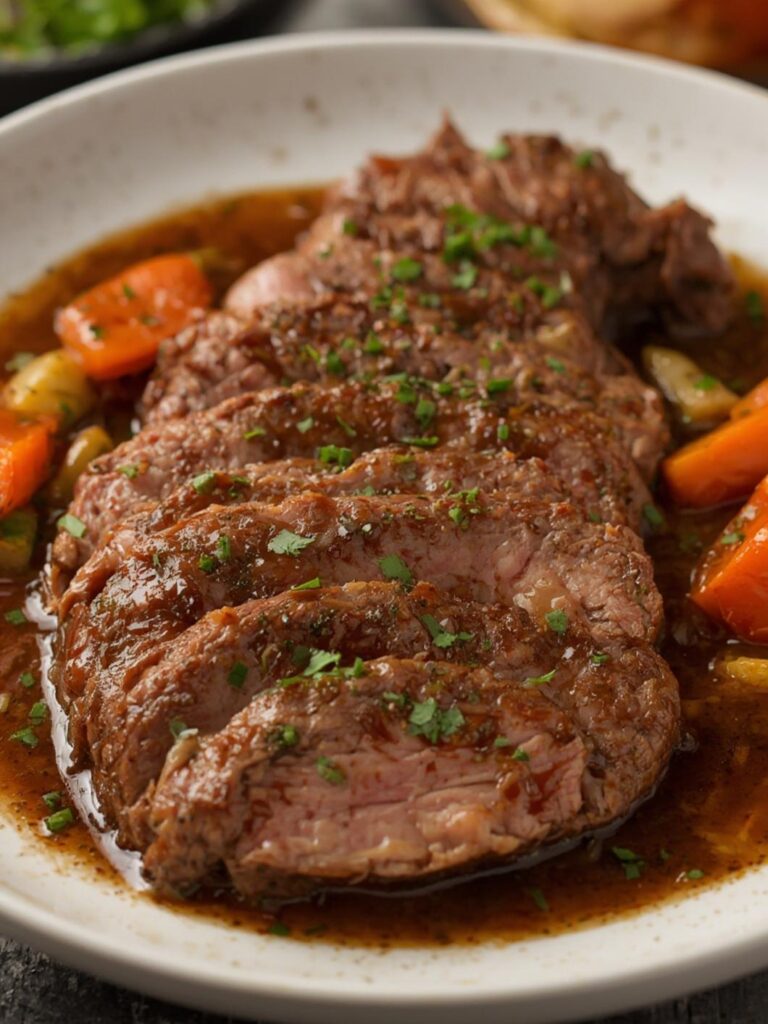
Beef Tongue Recipe – Tender & Traditional Dish
Table of Contents
Unlocking the Secret to Perfect Slow-Cooked Delicacy: A Traditional Culinary Adventure
There’s something magical about transforming overlooked cuts of meat into sumptuous delicacies that surprise and delight dinner guests. Among the most underappreciated yet remarkably flavorful options in traditional cuisine is a slow-cooked delicacy that has graced tables across cultures for centuries.
Thank you for reading this post, don't forget to subscribe!beef tongue recipe,This organ meat dish offers a tender, melt-in-your-mouth texture and absorbs flavors beautifully, making it a hidden gem in the culinary world. Whether you’re an adventurous eater looking to expand your palate or someone interested in traditional cooking methods that honor the whole animal, this recipe promises a rewarding culinary experience that celebrates both heritage cooking and flavor innovation.
Ingredients

For the main dish:
- 1 fresh beef tongue (approximately 3-4 pounds)
- 2 large onions, quartered
- 4 carrots, roughly chopped
- 4 celery stalks, roughly chopped
- 6 cloves of garlic, crushed
- 2 bay leaves
- 1 tablespoon black peppercorns
- 2 tablespoons sea salt
For the finishing sauce:
- 3 tablespoons olive oil
- 1 onion, finely diced
- 3 cloves garlic, minced
- 1 cup beef broth (reserved from cooking)
- ¼ cup red wine (optional)
- 2 tablespoons tomato paste
- 1 teaspoon paprika
- Fresh parsley for garnish
- Salt and pepper to taste
Instructions

Preparation:
1. Rinse the beef tongue thoroughly under cold water.
2. Fill a large stock pot with enough water to completely submerge the tongue.
3. Add the quartered onions, chopped carrots, celery, crushed garlic, bay leaves, peppercorns, and salt to the pot.
4. Bring the water to a boil, then reduce heat to maintain a gentle simmer.
5. Cover and cook for 3-4 hours until the tongue is fork-tender. The exact cooking time will depend on the size of the tongue.
Peeling and Slicing:
1. Once tender, remove the tongue from the broth and let it cool slightly until you can handle it comfortably.
2. While still warm, make a small incision in the thick outer skin.
3. Peel away the skin completely – it should slide off relatively easily when the tongue is properly cooked.
4. Slice the peeled tongue into ½-inch thick pieces.
Preparing the Sauce:
1. Reserve 1 cup of the cooking broth and strain it.
2. In a large skillet, heat olive oil over medium heat.
3. Sauté the diced onion until translucent (about 5 minutes).
4. Add minced garlic and cook for an additional minute.
5. Pour in the reserved broth and red wine (if using).
6. Stir in tomato paste and paprika, then simmer for 5-7 minutes until slightly thickened.
7. Season with salt and pepper to taste.
Final Assembly:
1. Add the sliced tongue to the sauce.
2. Simmer gently for 5-10 minutes, allowing the meat to absorb the flavors.
3. Sprinkle with fresh parsley before serving.
If you’re looking to expand your repertoire of unique dishes and traditional recipes, you might enjoy the Heritage Cooking Collection that features numerous other organ meat preparations and slow-cooking techniques.
Time & Servings
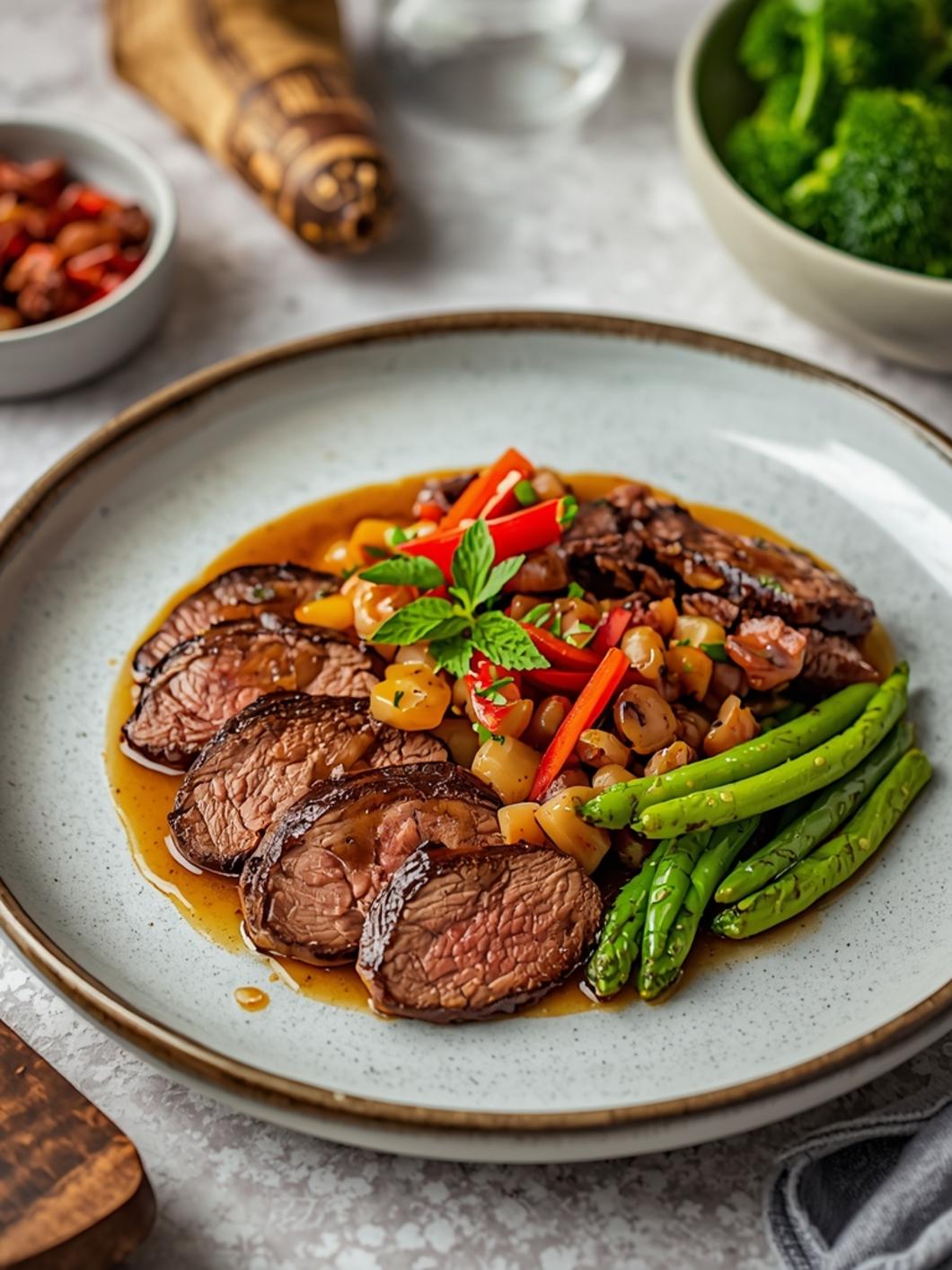
- Preparation time: 15 minutes
- Cooking time: 3-4 hours
- Resting time: 15 minutes
- Total time: Approximately 4.5 hours
- Servings: 6-8 people
Tips & Variations
- Fresh is best: Try to source your beef tongue from a reputable butcher who specializes in sustainable meat practices.
- Mexican variation: For a delicious lengua taco, dice the cooked tongue and sauté with cumin, oregano, and a splash of lime juice. Serve in warm tortillas with chopped onions, cilantro, and salsa.
- Eastern European style: After cooking and slicing, serve cold with horseradish sauce, pickles, and rye bread.
- Asian fusion: Braise the sliced tongue in soy sauce, ginger, star anise, and a touch of brown sugar for a sweet-savory dish that pairs wonderfully with rice.
- Pressure cooker shortcut: This unique dish can be prepared in about 60-90 minutes in a pressure cooker instead of the traditional slow-cooking method.
- Aromatics: Feel free to customize the aromatics in the cooking liquid with herbs like thyme, rosemary, or spices such as cloves or cinnamon stick for different flavor profiles.
Common Mistakes
1. Insufficient cooking time: The most common error is not cooking the tongue long enough. It needs ample time to become tender – if it’s tough, it simply needs more cooking.
2. Peeling when cold: Always peel the tongue while it’s still warm. Once it cools completely, the skin becomes much more difficult to remove.
3. Skipping the skimming: During the initial boiling process, be sure to skim off any foam that rises to the surface for a cleaner-tasting final dish.
4. Slicing too thick: For the best texture, slice the tongue thinly, about ½-inch thick or less, especially if serving in sandwiches or tacos.
5. Rushing the sauce: Allow proper time for the sauce to reduce and develop flavor. This slow-cooked beef deserves a rich, flavorful accompaniment.
According to research from the [Journal of Food Science](https://ift.onlinelibrary.wiley.com/journal/17503841), organ meats like beef tongue are particularly rich in nutrients including B vitamins, zinc, and iron, making them not just flavorful but nutritionally valuable components of traditional diets.
Storage
- Refrigeration: Cooked beef tongue can be stored in an airtight container in the refrigerator for up to 4 days. For best results, store the meat in some of its cooking liquid to maintain moisture.
- Freezing: You can freeze cooked and sliced beef tongue for up to 3 months. Wrap tightly in plastic wrap and then aluminum foil or place in freezer bags with the air pressed out.
- Reheating: The best way to reheat this delicacy is gently in a skillet with a small amount of broth or sauce to prevent drying out. Microwaving tends to toughen the meat.
- Meal prep: Consider preparing extra portions to use throughout the week in sandwiches, salads, or quick stir-fries.
Why This Recipe Stands the Test of Time
This beef tongue recipe represents culinary wisdom passed down through generations. While it might seem unfamiliar to some modern cooks, it showcases the value of slow food preparation and utilizing the whole animal – practices our ancestors understood well. The remarkable transformation from an unusual-looking cut to a delectable, tender meat demonstrates why traditional recipes often deliver unexpected pleasures.
The National Culinary Heritage Register notes that dishes utilizing organ meats like this have been documented in American cookbooks [since the 1700s](https://www.foodhistory.com/american-traditional-cooking), highlighting their important place in our culinary history.
FAQs
Is beef tongue difficult to prepare?
While it requires time, the actual hands-on preparation is quite simple. The extended cooking process is passive, making it perfect for a weekend when you’re at home but busy with other tasks.
Where can I purchase beef tongue?
Specialized butcher shops typically carry it, as do many Hispanic or Asian markets. You can also request it from farmers at local farmers’ markets who raise and sell grass-fed beef.
Can I make this recipe ahead of time?
Absolutely! In fact, many chefs prefer making it a day ahead as the flavors continue to develop overnight in the refrigerator.
What side dishes pair well with this recipe?
Traditional pairings include roasted root vegetables, mashed potatoes, sauerkraut, or a simple green salad with a bright vinaigrette to balance the richness of the meat.
Is this recipe suitable for special diets?
The core recipe is naturally gluten-free and fits well with paleo and keto dietary approaches. It’s also an excellent option for those following nutrient-dense, traditional food principles.
—
SEO Title: Tender Beef Tongue Recipe: Traditional Slow-Cooked Delicacy | Easy Steps
Meta Description: Discover our authentic beef tongue recipe with step-by-step instructions for perfectly tender results. A traditional slow-cooked delicacy worth mastering!