Proven Way to Make Steak 3 Steps: Cast Iron Skillet for Searing Steak
Table of Contents
Perfect Ribeye Steak: Mastering the Art of Steakhouse-Quality Beef at Home
Introduction
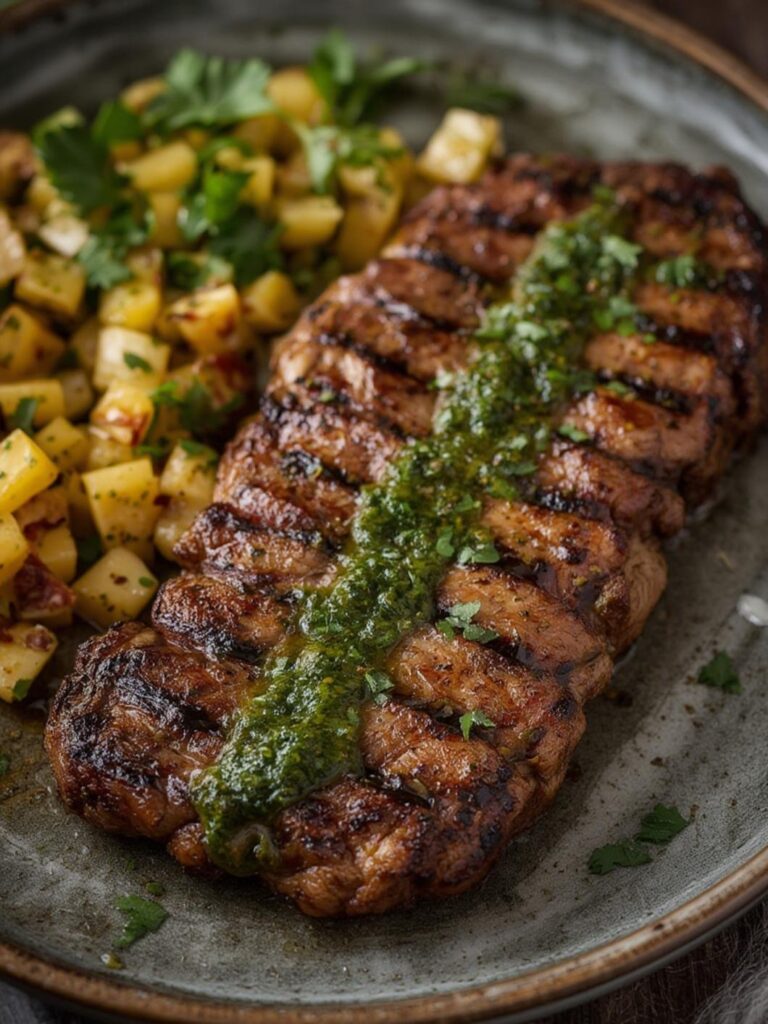
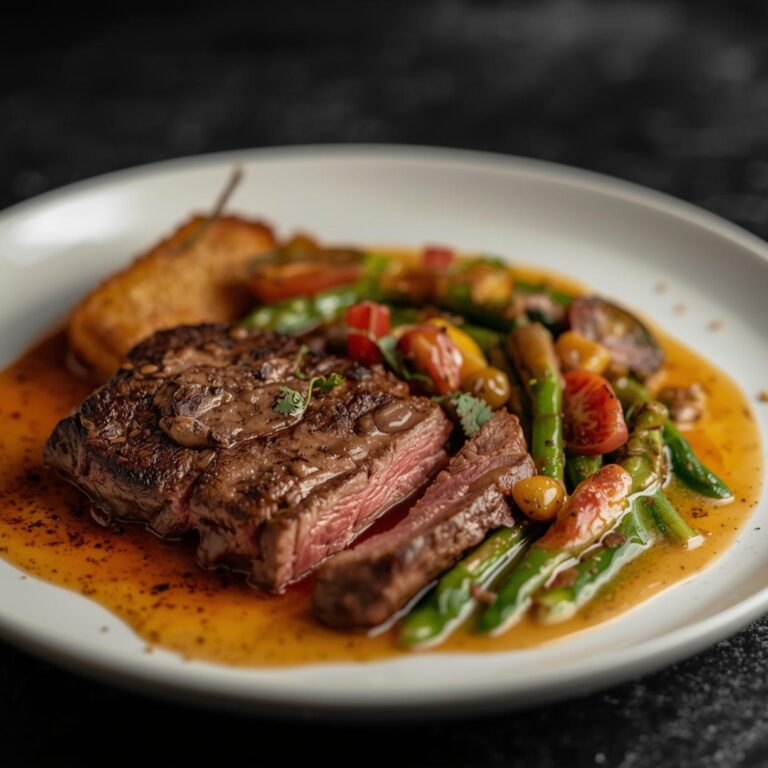
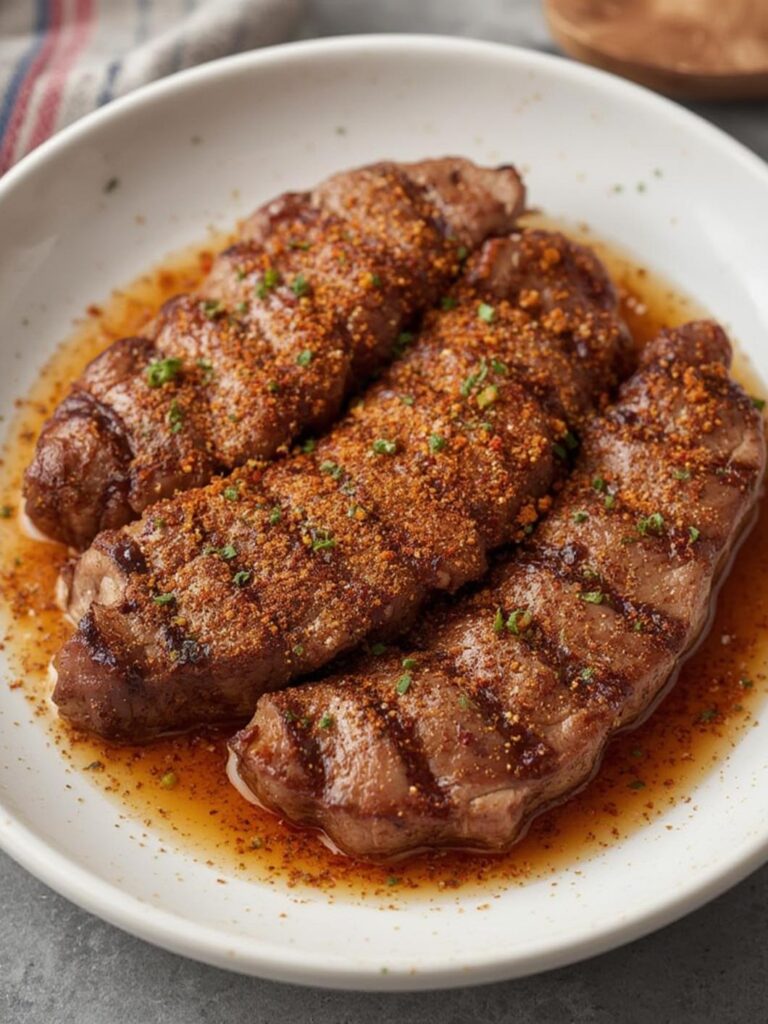
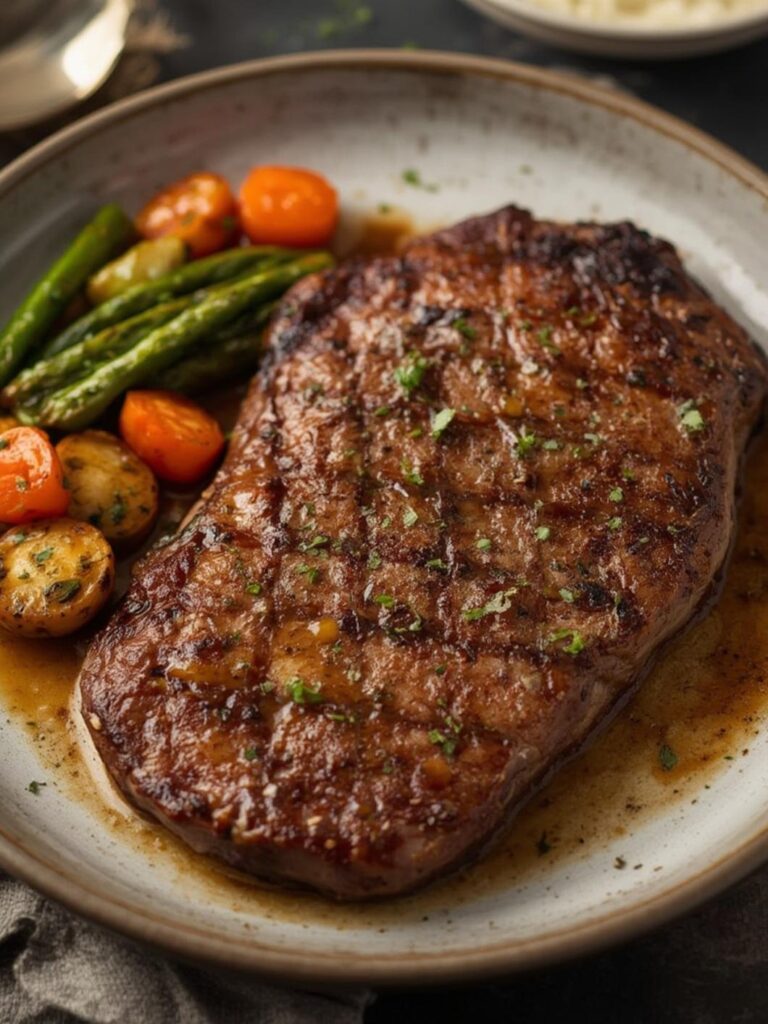
There’s nothing quite as satisfying as a perfectly cooked ribeye steak with its rich marbling, tender texture, and robust flavor. Learning to create restaurant-quality steaks at home is a culinary skill worth mastering, saving you money while impressing family and friends. The secret to achieving that perfect crust and juicy interior lies in proper technique and the right equipment. Using a cast iron skillet for searing steak creates unmatched heat retention that produces that coveted caramelized exterior. Before cooking, it’s essential to preheat cast iron skillet properly to ensure your steak cooks evenly and develops that beautiful golden-brown crust. With the right preparation, you’ll create steakhouse-quality results from your own kitchen.
Thank you for reading this post, don't forget to subscribe!Ingredients List
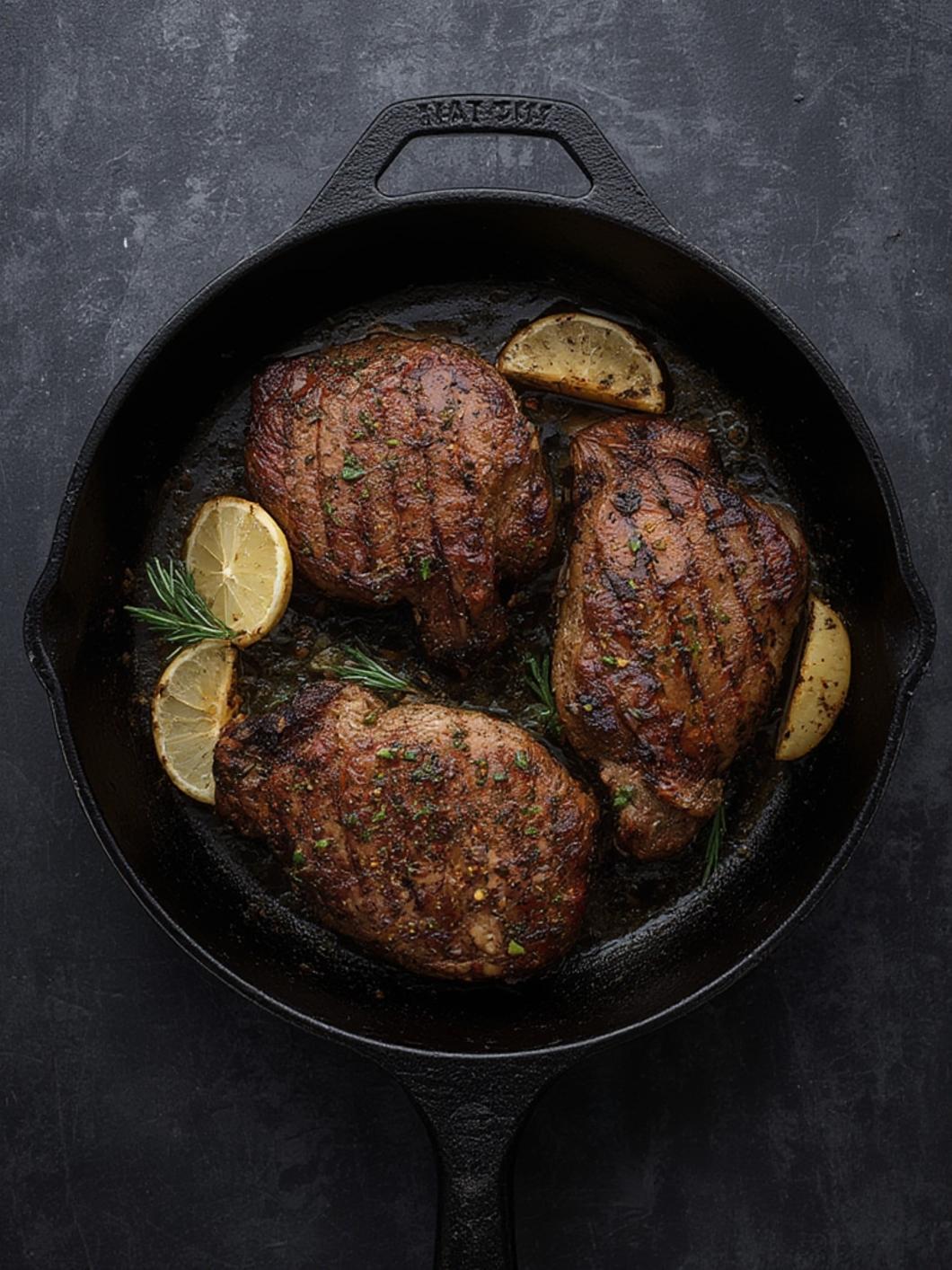
– 2 ribeye steaks (1½ inches thick, about 1 pound each)
– 2 tablespoons high-heat cooking oil (avocado, grapeseed, or clarified butter)
– 2 tablespoons unsalted butter
– 4 garlic cloves, peeled and smashed
– 2-3 sprigs fresh rosemary
– 2-3 sprigs fresh thyme
– 2 tablespoons kosher salt (for dry brining)
– 1 tablespoon freshly ground black pepper
– Optional: 1 tablespoon compound butter for finishing
Step-by-Step Instructions
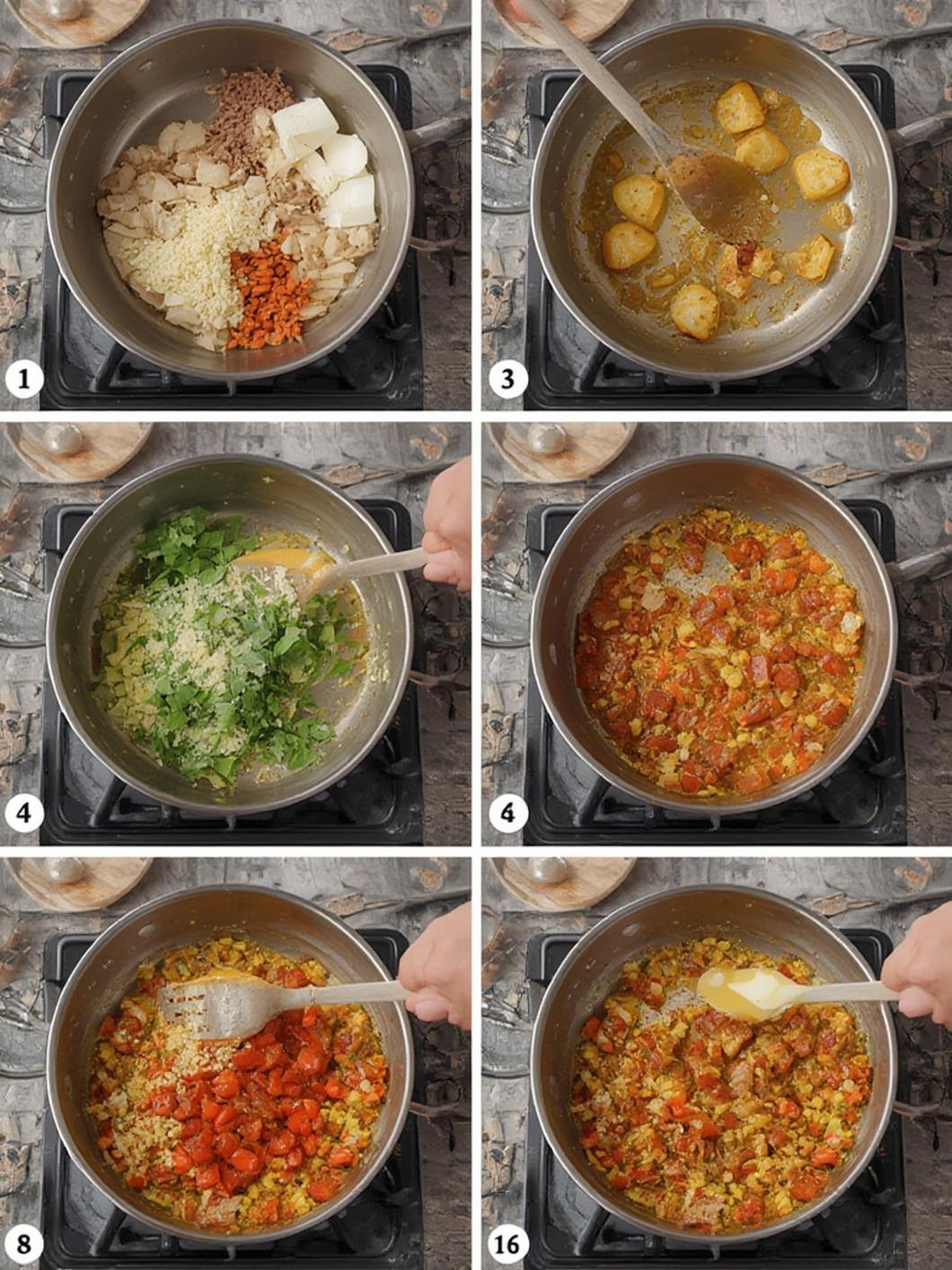
1. Dry brine the steak: Pat steaks completely dry with paper towels. Sprinkle kosher salt generously on all sides of the steaks and place them on a wire rack over a baking sheet. Refrigerate uncovered for at least 2 hours, preferably overnight. This draws moisture to the surface, which gets reabsorbed, seasoning the meat throughout.
2. Bring to room temperature: Remove steaks from the refrigerator 45-60 minutes before cooking to allow them to come to room temperature, ensuring even cooking.
3. Season the meat: Pat steaks dry again and season generously with freshly ground black pepper on all sides.
4. Prepare your skillet: To achieve the perfect sear, you must preheat cast iron skillet for 5-7 minutes over high heat until it’s smoking hot. This is the ideal time to use a cast iron skillet for searing steak as it maintains consistent heat throughout the cooking process.
5. Add cooking oil: Add high-heat oil to the skillet and swirl to coat the surface evenly.
6. Sear the steaks: Place steaks in the hot skillet, being careful not to crowd the pan. Sear undisturbed for 3-4 minutes until a dark golden-brown crust forms.
7. Flip and add aromatics: Flip the steaks once and add butter, garlic cloves, rosemary, and thyme to the skillet. Tilt the pan slightly and use a spoon to baste the steaks with the aromatic butter mixture for about 2-3 minutes.
8. Check temperature: Use an instant-read thermometer to check for doneness. For medium-rare, aim for 130-135°F (54-57°C).
9. Rest the steaks: Transfer steaks to a cutting board and allow them to rest for 5-10 minutes before slicing. This allows juices to redistribute throughout the meat.
10. Slice and serve: Cut steaks against the grain and serve with the pan juices drizzled on top.
Preparation & Cooking Time
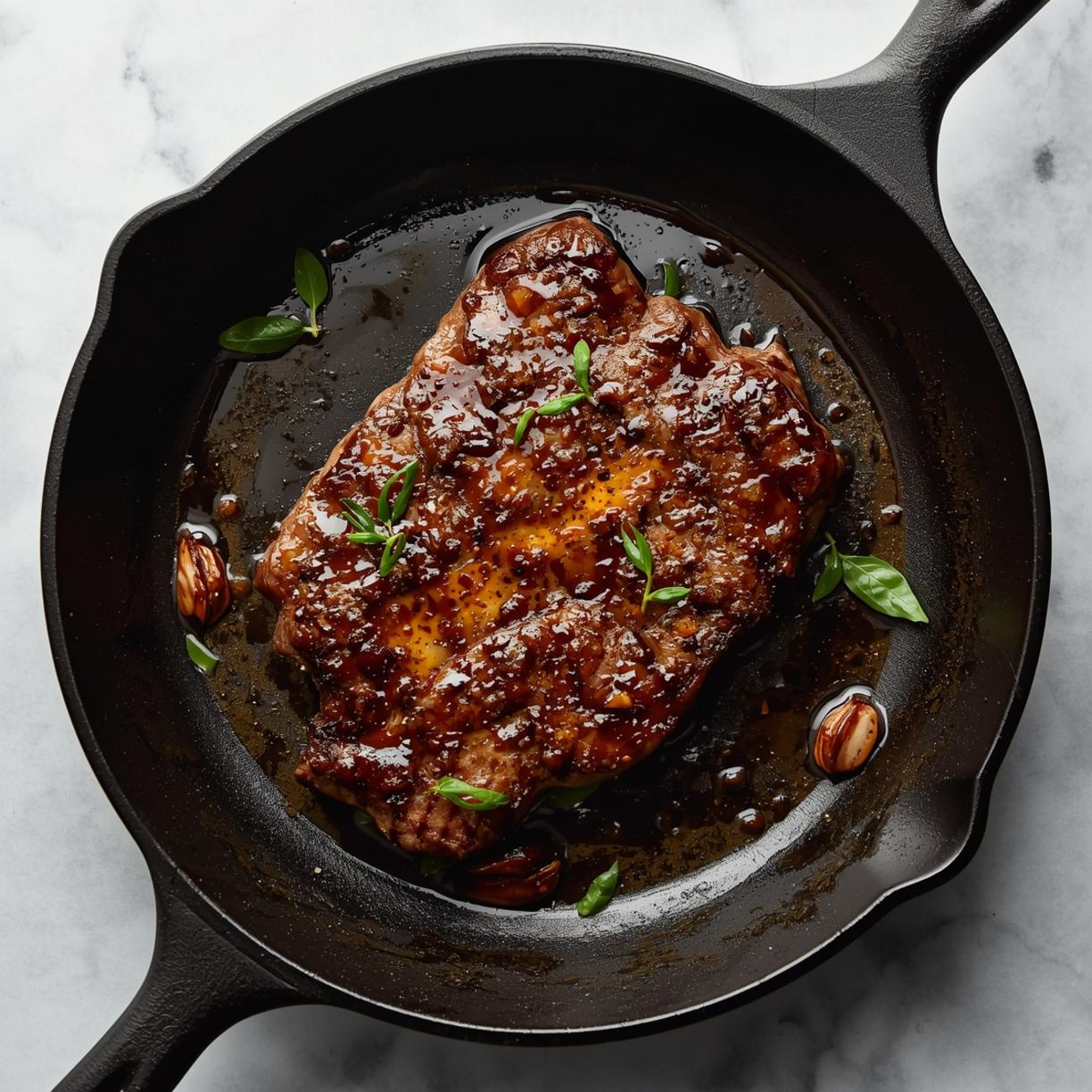
– Prep time: 10 minutes (plus 2-24 hours for dry brining)
– Active cooking time: 10-12 minutes
– Resting time: 5-10 minutes
– Total time: 25-30 minutes (plus brining time)
– Servings: 4 portions
Tips & Variations
Flavor Enhancements:
– Add a compound butter with blue cheese or herbs to melt on top of the rested steak
– Try a splash of bourbon or red wine in the pan before adding butter for a quick pan sauce
– Finish with flaky sea salt for added texture and flavor bursts
Ingredient Substitutions:
– New York strip or T-bone can be substituted for ribeye
– Use dried herbs if fresh aren’t available (reduce amount by half)
– Ghee or refined coconut oil can replace regular cooking oils for high-heat cooking
Cooking Method Variations:
– Reverse sear method: Start in a 225°F oven until internal temperature reaches 110-115°F, then finish with a quick sear
– For thicker cuts, finish in a 400°F oven after searing
– Sous vide cooking followed by a quick sear provides exceptional edge-to-edge doneness
Common Mistakes to Avoid
1. Not preheating the skillet properly: A lukewarm skillet won’t create the flavorful crust that makes steaks delicious. Always wait until your pan is properly heated.
2. Overcrowding the pan: Cook steaks one or two at a time, giving them plenty of space. Overcrowding causes steaming instead of searing.
3. Constantly flipping the steak: Resist the urge to repeatedly flip the steak. Allow it to develop a crust before turning just once or twice.
4. Cooking straight from the refrigerator: Cold steaks cook unevenly. Always bring them to room temperature before cooking.
5. Skipping the resting period: Cutting into steak immediately after cooking causes juices to run out. Always let it rest to reabsorb those flavorful juices.
Storage & Reheating Tips
Refrigerator Storage:
– Store leftover steak in an airtight container for up to 3 days.
– Wrap tightly in plastic wrap then aluminum foil for best results.
Freezer Storage:
– For longer storage, wrap cooled steaks tightly in plastic wrap, then aluminum foil.
– Label with date and use within 2-3 months for best quality.
Reheating Methods:
– Low and slow is best: Reheat in a 275°F oven until it reaches 110°F internally.
– For quick reheating, slice thinly and warm briefly in a skillet with a splash of beef broth.
– Avoid microwave reheating as it toughens the meat.
Conclusion
Mastering the perfect ribeye steak at home is truly an achievable culinary triumph. The combination of proper technique, quality ingredients, and the right equipment makes all the difference. Using a cast iron skillet for searing steak gives you that restaurant-quality crust that’s hard to achieve with other cookware. Remember to always preheat cast iron skillet thoroughly before cooking for optimal results. We hope this guide has demystified the process and empowered you to create steakhouse-worthy meals in your own kitchen. Share your results and questions in the comments below—we’d love to hear about your steak-cooking adventures!
FAQs
Q: Can I use frozen steaks for this recipe?
A: While fresh is best, you can use frozen steaks. Thaw completely in the refrigerator (never at room temperature), and make sure to pat them very dry before cooking, as previously frozen meat often releases more moisture.
Q: What’s the best thickness for a ribeye steak?
A: For best results, choose steaks that are 1¼ to 1½ inches thick. Thinner steaks cook too quickly and may become overcooked before developing a good crust, while extremely thick cuts can be challenging to cook evenly.
Q: How do I know when my steak is done without a thermometer?
A: The finger test can help: Touch your thumb to your index finger—the firmness of the pad at the base of your thumb resembles rare steak. Moving to your middle finger gives medium-rare, ring finger for medium, and pinky for well-done. Compare this to how your steak feels when pressed.
Q: Can I add wine or other liquids to the pan while cooking?
A: Wait until after searing both sides before adding any liquids. Adding liquids too early prevents proper crust formation and creates steam, which works against the searing process.
Q: Why did my steak trigger the smoke alarm?
A: High-heat searing naturally creates some smoke. Ensure good kitchen ventilation, use a higher smoke-point oil, and make sure your pan isn’t overheated beyond what’s necessary for a good sear.