Proven way to make 3 camellia cookie recipes
Table of Contents
How to Grow Camellia Plants at Home: A Complete Guide
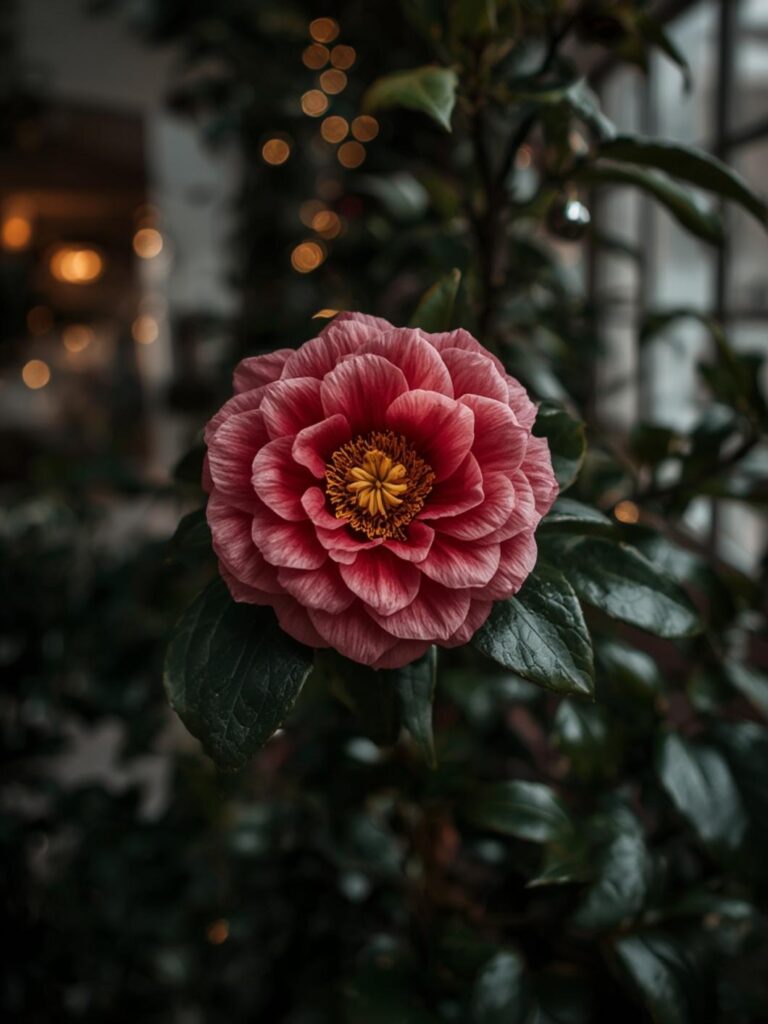
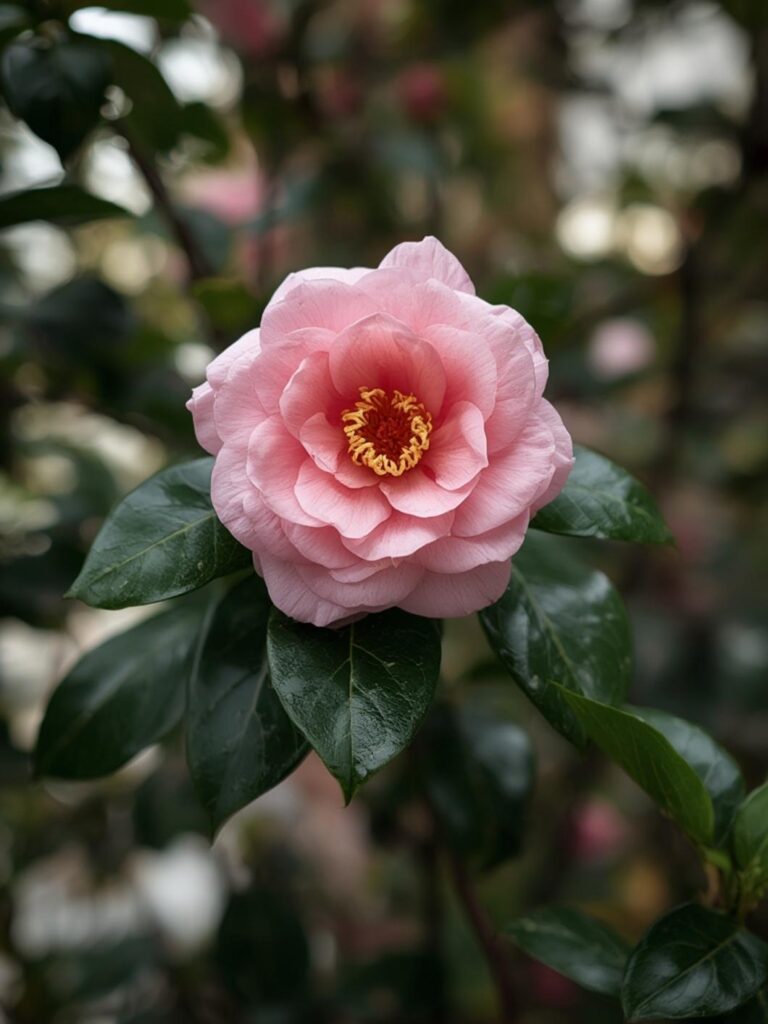
Have you ever admired the stunning blooms of camellias in botanical gardens and wished you could grow them in your own space? Growing these elegant flowering shrubs at home is not only possible but incredibly rewarding. The camellia cookie variety is particularly popular among home gardeners for its distinctive patterned blooms and manageable size. Like the dark cacao cookie camellia, these plants offer year-round beauty with their glossy evergreen foliage and spectacular flowering periods. Let’s discover how you can successfully cultivate these magnificent plants in your garden or patio.
Thank you for reading this post, don't forget to subscribe!Materials & Supplies
To start growing camellias at home, you’ll need:
- Camellia Plants or Seeds: Choose established young plants for quicker results or seeds if you enjoy the growing process from scratch
- Acidic Potting Mix: Camellias thrive in soil with a pH between 5.5-6.5
- Large Containers: At least 16 inches in diameter with good drainage holes
- Slow-Release Fertilizer: Specifically formulated for acid-loving plants
- Watering Can: For controlled watering
- Pruning Shears: Clean, sharp tools for maintenance
- Mulch: Pine bark or similar acidic mulch
- pH Tester: To monitor soil acidity levels (optional)
- Shade Cloth: For protection during extreme weather conditions (optional)
Timing / Growing Schedule
Camellias have a specific growing timeline to keep in mind:
- Planting: Ideal time is fall or early spring
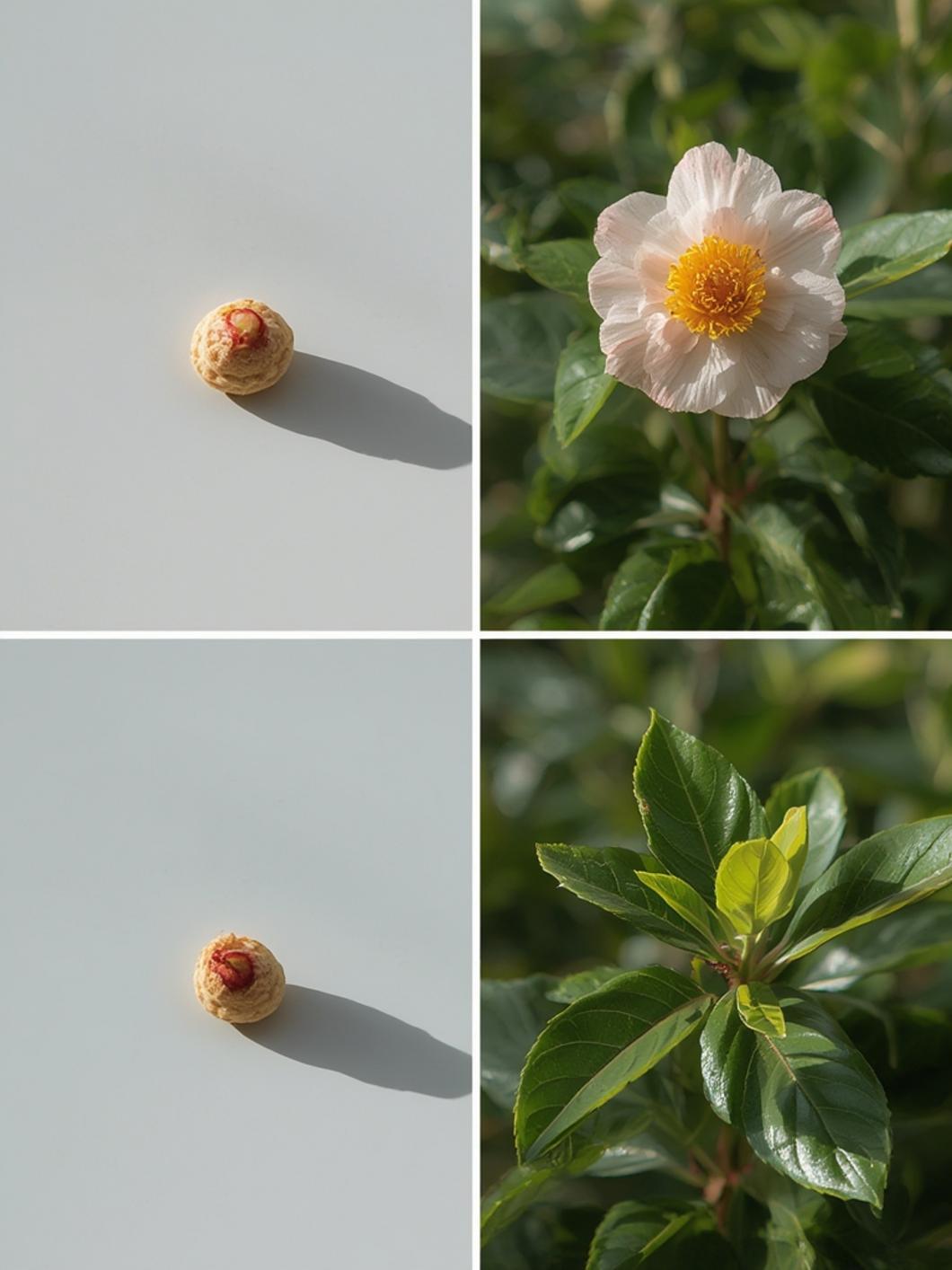
- Growth Period: Establishment takes 2-3 years before optimal flowering
- Flowering Season: Varies by variety, typically fall through spring
- Dormancy Period: Summer months focus on foliage growth
- Maturity: Full maturity reached at 5-7 years
Unlike many flowering plants that bloom quickly, camellias require patience. However, their long lifespan (potentially 100+ years) makes them an excellent investment for your garden.
Step-by-Step Instructions
1. Select the Right Location: Choose a spot with filtered sunlight or morning sun with afternoon shade. The camellia cookie variety appreciates protection from harsh afternoon sun, while the dark cacao cookie can tolerate slightly more light.
2. Prepare the Soil: Mix equal parts quality potting soil, peat moss, and perlite to create a well-draining acidic environment.
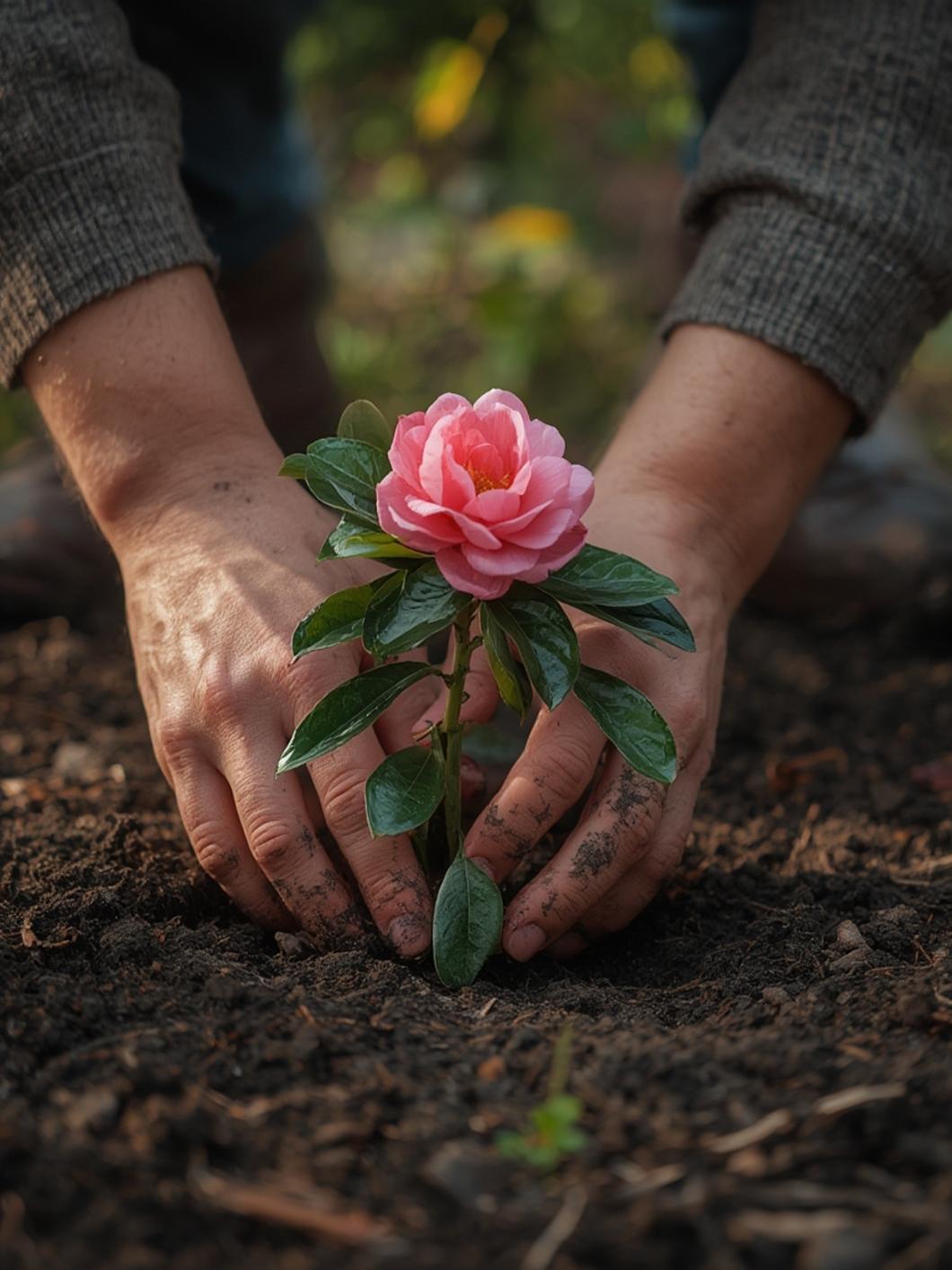
3. Plant Properly: Dig a hole twice as wide as the root ball but at the same depth. Place the plant so the top of the root ball sits slightly above soil level.
4. Water Thoroughly: After planting, water deeply and add a 2-3 inch layer of mulch around the base, keeping it away from the stem.
5. Establish a Watering Schedule: Provide consistent moisture, especially during the first two years. Water deeply when the top inch of soil feels dry.
6. Fertilize Appropriately: Apply a slow-release fertilizer formulated for acid-loving plants in early spring after flowering ends.
Nutritional Benefits / Advantages
Camellia plants offer several benefits:
- Camellias improve air quality by filtering pollutants
- They provide year-round visual interest with evergreen foliage
- Growing camellias can boost property value due to their longevity
- Camellia flowers can be used to make tea with antioxidant properties
- They create wildlife habitat for birds and beneficial insects
Tips, Alternative Methods, or Gardening Advice
- Container Growing: Perfect for patios or regions with unsuitable soil
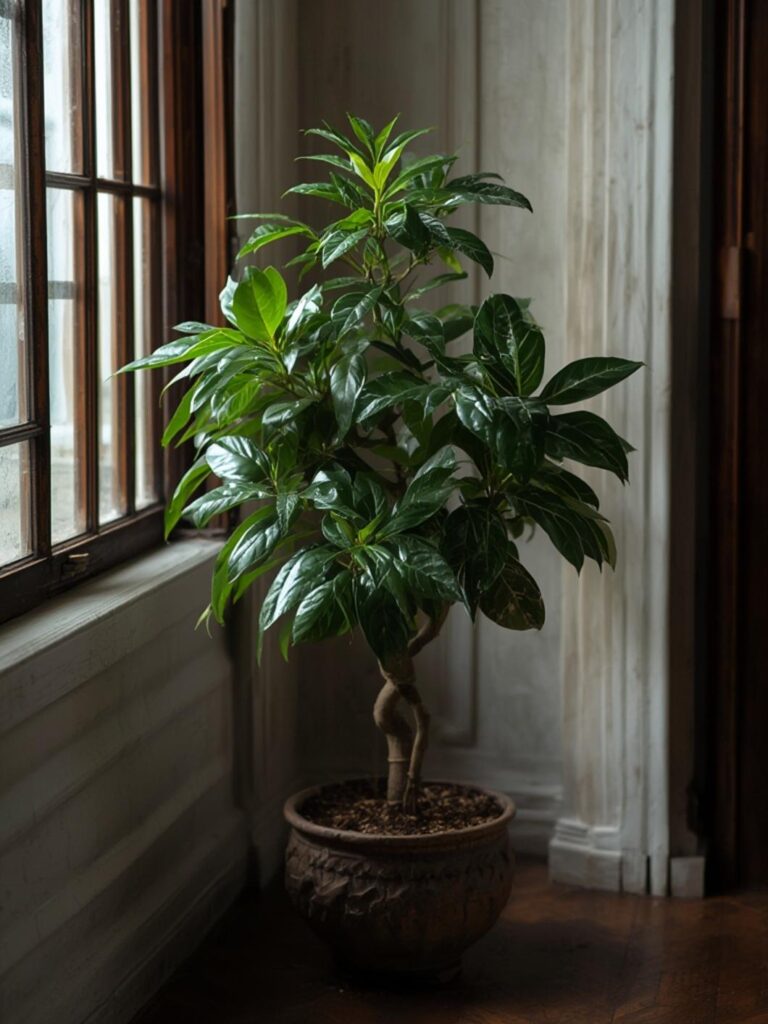
- Indoor Cultivation: Smaller varieties can thrive indoors in bright, indirect light
- Companion Planting: Pair with azaleas, ferns, and hydrangeas for complementary growing conditions
- Winter Protection: In colder regions, consider burlap windbreaks or frost cloths
- Succession Planting: Mix early, mid, and late-blooming varieties for extended flowering seasons
Common Mistakes to Avoid
1. Planting Too Deeply: This can cause root rot and eventual plant death
2. Improper Watering: Avoid both waterlogging and drought conditions
3. Wrong Location: Too much sun causes leaf scorch; too much shade reduces flowering
4. Incorrect Soil pH: Using alkaline soil or water can yellow leaves and reduce plant vigor
5. Untimely Pruning: Pruning after summer bud set removes next season’s flowers
Storage / Maintenance Tips
- Seasonal Pruning: Shape plants right after flowering ends in spring
- Pest Management: Monitor for scale insects and treat promptly with horticultural oil
- Flower Preservation: Cut blooms can last 5-7 days in water if stems are recut under water
- Leaf Cleaning: Wipe dust from leaves occasionally with a damp cloth to maintain glossiness
- Winter Care: Reduce watering frequency but never allow soil to completely dry out
Conclusion
Growing camellias at home brings beauty and elegance to any garden space. With proper care, the camellia cookie and dark cacao cookie varieties reward gardeners with stunning blooms and attractive year-round foliage. Though they require some specific conditions and patience, the spectacular results make them well worth the effort. Why not start your camellia journey today? Share your camellia growing experiences in the comments below, or explore our related posts on acid-loving ornamentals!
FAQs
How long does it take for camellias to bloom after planting?
Young plants typically take 2-3 years to establish before producing significant blooms. Mature transplants may flower in their first or second season.
Can camellias grow in full shade?
While camellias tolerate considerable shade, deep shade inhibits flowering. Dappled sunlight or morning sun with afternoon shade provides optimal conditions.
Why are my camellia buds dropping before opening?
Bud drop often results from inconsistent watering, dramatic temperature fluctuations, or extreme weather conditions. Maintaining steady moisture and protecting plants from harsh elements can help.
How do I change the soil pH for my camellias?
To lower pH, incorporate sulfur, peat moss, or coffee grounds into the soil. Regular applications of an acidifying fertilizer will help maintain proper pH levels.
When is the best time to transplant an established camellia?
Late fall or early spring is ideal for transplanting, when plants are not actively flowering but before summer heat stress occurs.