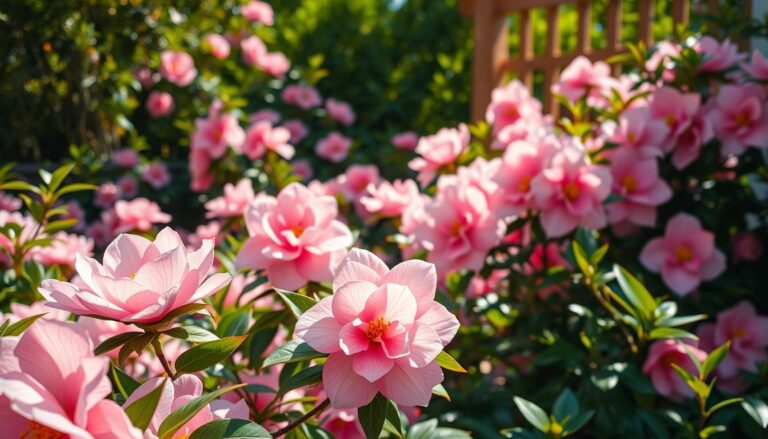
Best way to make camellia sasanqua camellia 3 Tips
Table of Contents
How to Grow and Care for the Stunning Camellia Sasanqua at Home
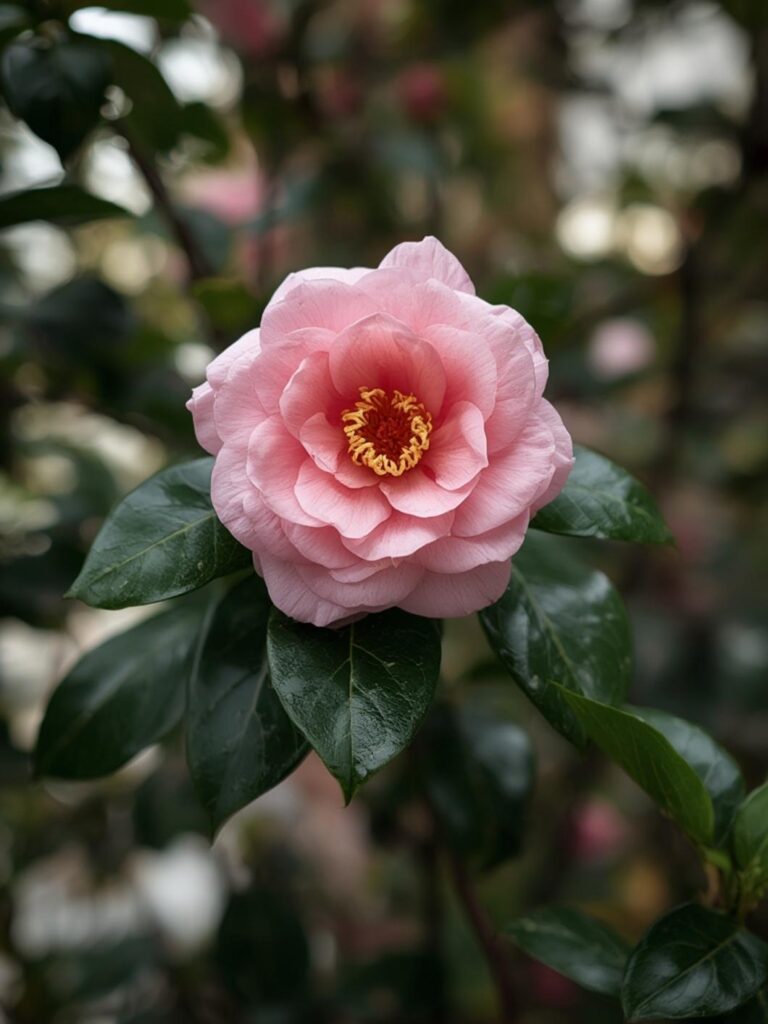
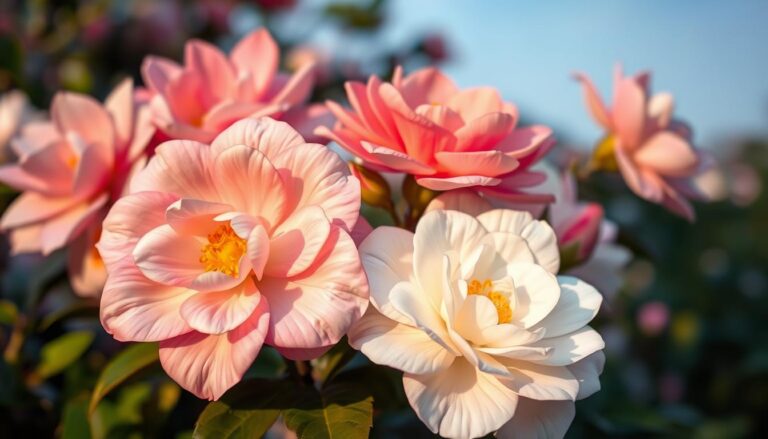
Have you ever wandered through a winter garden and been captivated by the elegant blooms that seem to defy the cold season? The camellia sasanqua camellia is one of nature’s most beautiful contradictions – a plant that reaches its peak beauty when most gardens have gone dormant. During its flowering-season, these graceful shrubs transform ordinary landscapes into extraordinary showcases of color and texture. Growing these remarkable plants at home offers not just visual delight but also the opportunity to enjoy evergreen foliage year-round with the bonus of spectacular fall and winter blooms.
Thank you for reading this post, don't forget to subscribe!Materials & Supplies
To successfully grow camellia sasanquas, you’ll need:
1. Camellia sasanqua plants or seeds – Choose healthy specimens with glossy foliage and no signs of damage
2. Acidic potting soil – Look for soil specifically formulated for acid-loving plants or azalea/camellia mixes
3. Large containers (if not planting in ground) – Minimum 16-20 inches in diameter with drainage holes
4. Organic mulch – Pine straw or bark works exceptionally well
5. Acid fertilizer – Slow-release formulations designed for camellias or azaleas
6. Pruning shears – Sharp, clean shears for shaping and removing damaged branches
7. Watering can or hose with gentle spray attachment – For careful irrigation without disturbing roots
8. pH testing kit – To monitor soil acidity levels
9. Shade cloth (optional) – For protecting young plants in extremely hot climates
Timing / Growing Schedule
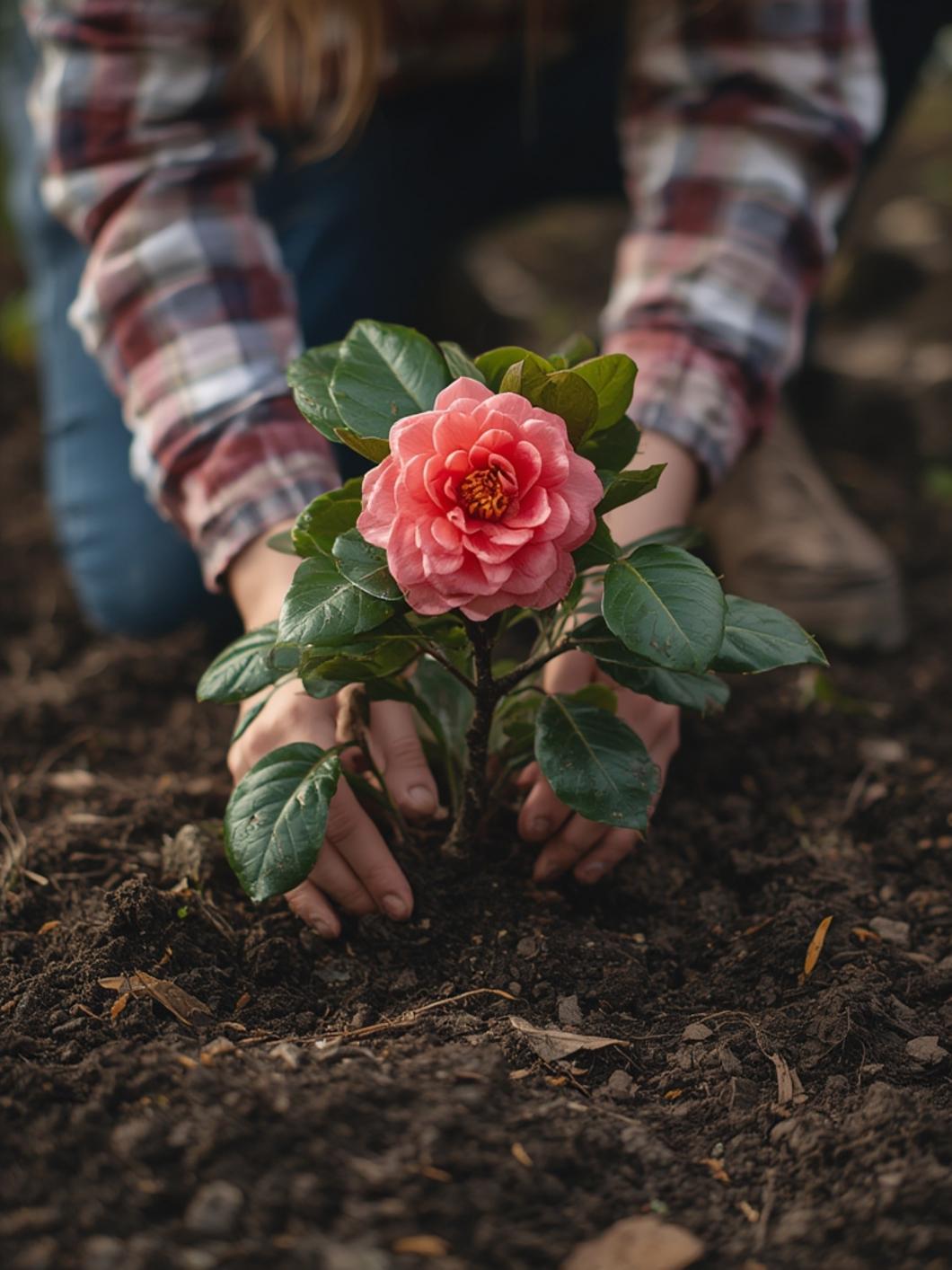
Camellia sasanquas have a unique growth and bloom cycle that differs from many common garden plants:
- Planting time: Early fall or spring is ideal, allowing roots to establish before temperature extremes
- Growth period: Active growth occurs primarily in spring and early summer
- Bud formation: Late summer through early fall
- Bloom time: Unlike spring-flowering camellias, sasanquas bloom from October through January, with most spectacular displays in November and December
- Maturity timeframe: Plants reach mature flowering size in approximately 3-5 years
The extended flowering-season of these camellias provides weeks of color when most other garden plants have finished their show.
Step-by-Step Instructions
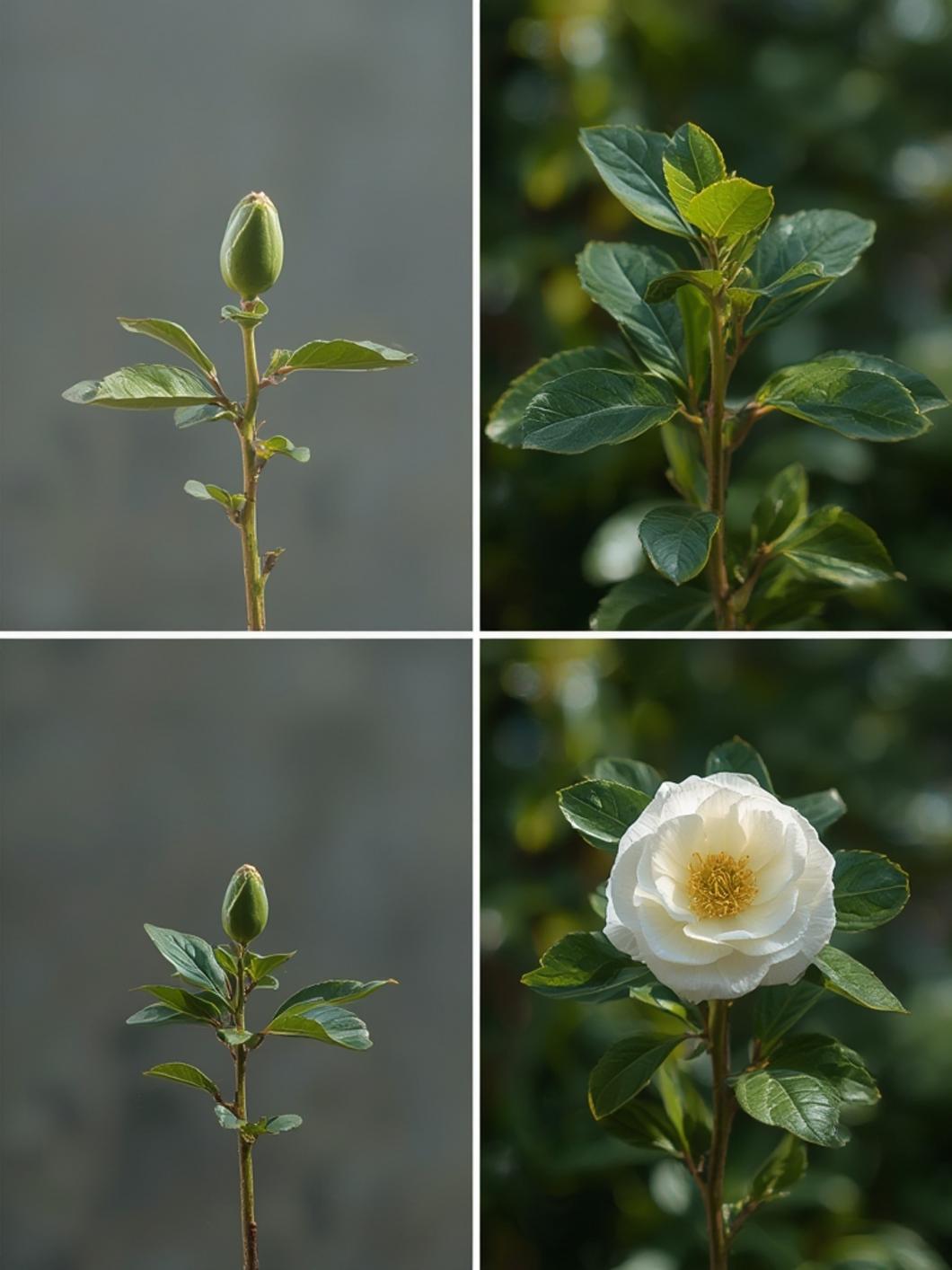
1. Select the right location – Choose a spot with filtered sunlight or morning sun with afternoon shade. The camellia sasanqua camellia tolerates more sun than its japonica cousins but still benefits from protection against harsh afternoon rays.
2. Prepare the soil – Dig a hole twice as wide and just as deep as the root ball. Incorporate organic matter to create well-draining, acidic soil with pH between 5.5-6.5.
3. Plant properly – Position the plant so the top of the root ball sits slightly above soil level. This prevents water collection around the trunk, which can cause rot.
4. Water thoroughly – After planting, water deeply to eliminate air pockets and help establish roots.
5. Apply mulch – Add 2-3 inches of organic mulch around the base, keeping it several inches away from the trunk to prevent moisture-related diseases.
6. Establish a watering schedule – Keep soil consistently moist but not waterlogged for the first year. Once established, water deeply when the top inch of soil feels dry.
Nutritional Benefits / Advantages
Though primarily grown as ornamentals, camellias offer several benefits:
- The leaves contain antioxidants and have been used in traditional medicine
- Their dense evergreen foliage provides habitat for wildlife
- They improve air quality by filtering pollutants
- Their extended blooming period provides essential winter food for pollinators
- They can increase property value as mature specimen plants
Tips, Alternative Methods, or Gardening Advice
- Container growing: Select large pots (at least 16 inches diameter) with excellent drainage and use quality camellia potting mix
- Espalier technique: Train against walls to save space and create striking architectural features
- Companion planting: Pair with ferns, hostas, or other shade-loving perennials for complementary textures
- Climate adaptations: In hot regions, provide more shade; in cold areas, consider wind protection or varieties bred for colder hardiness
Common Mistakes to Avoid
1. Planting too deeply – This leads to poor growth and potential crown rot
2. Improper watering – Both overwatering and underwatering stress plants; aim for consistent moisture
3. Incorrect pruning timing – Prune immediately after flowering to avoid removing next season’s buds
4. Ignoring soil pH – Yellowing leaves often indicate alkaline soil conditions that need correction
5. Sudden relocations – Camellias prefer to be planted and left undisturbed; avoid transplanting mature specimens
Storage / Maintenance Tips
- Seasonal fertilizing: Apply acid-forming fertilizer after flowering ends and again in mid-summer
- Pruning: Shape plants after blooming completes; avoid late summer/fall pruning
- Pest management: Monitor for scale insects and treat with horticultural oil if needed
- Winter protection: In colder regions, consider anti-desiccant sprays and mulching for young plants
- Flower preservation: Cut blooms can last 3-5 days in water when harvested early in the day
Conclusion
The camellia sasanqua camellia offers a unique opportunity to enjoy spectacular blooms during the quieter garden months. Their adaptability to different growing conditions, relatively low maintenance requirements, and stunning winter display make them valuable additions to any landscape. By following the guidelines outlined here, you’ll be well-equipped to enjoy these remarkable plants for many years. The extended flowering-season is just one of the many rewards you’ll receive from these garden treasures. Why not plant one this season and share your experience with fellow gardening enthusiasts?
FAQs
How fast do camellia sasanquas grow?
Sasanquas are moderate growers, typically adding 6-12 inches per year until they reach mature size. Growth rate depends on climate, care, and specific variety.
Can I grow camellia sasanquas in cold climates?
Most sasanquas are hardy in USDA zones 7-9, though some varieties can tolerate zone 6 with protection. In colder regions, consider container growing so plants can be moved to sheltered locations in winter.
Why are the flower buds dropping before opening?
Bud drop typically results from water stress (either too much or too little), dramatic temperature fluctuations, or late-season fertilizing. Maintain consistent moisture and avoid fertilizing after summer.
How do I distinguish between camellia sasanqua and camellia japonica?
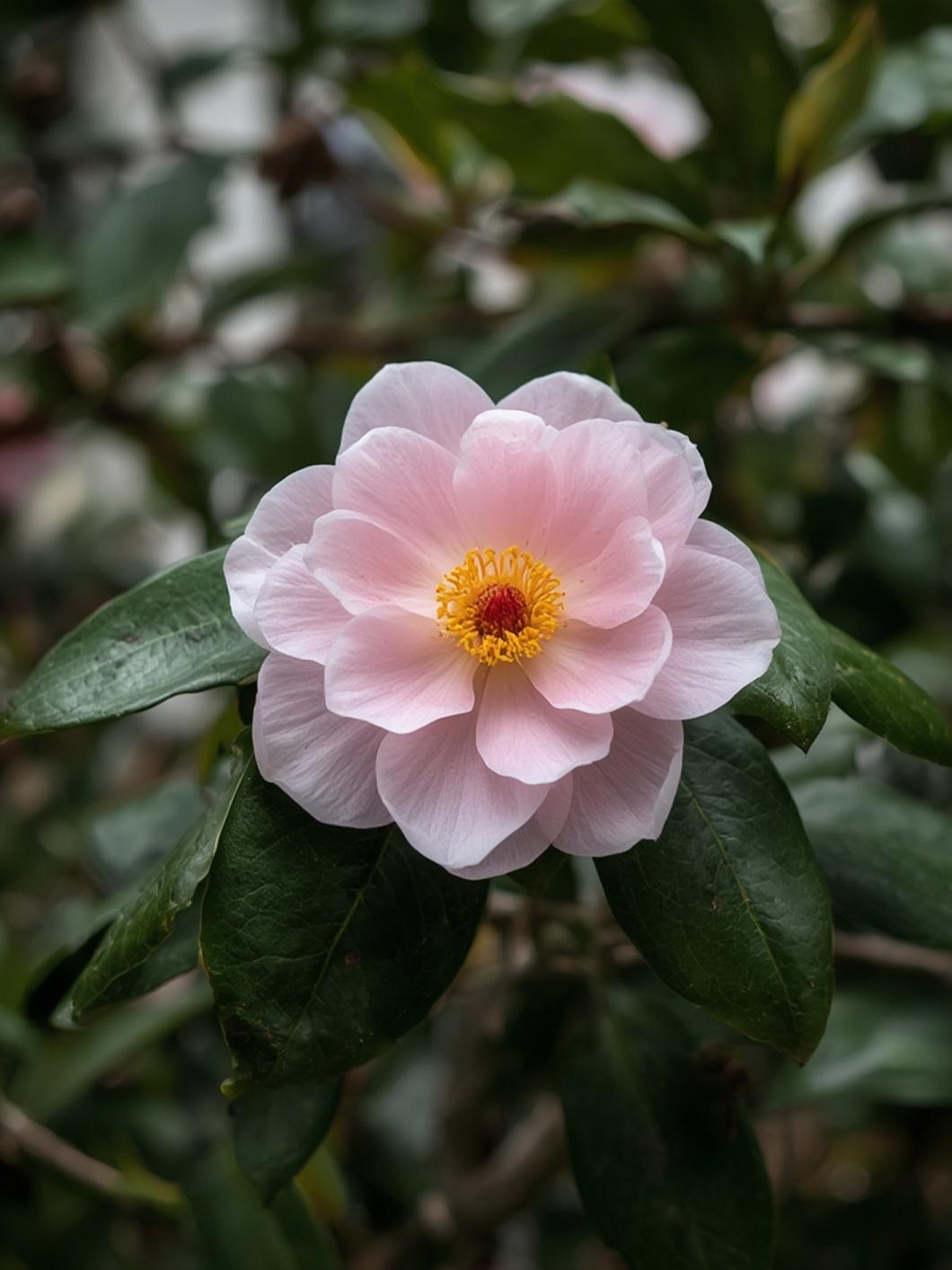
Sasanquas typically have smaller, more delicate flowers and leaves than japonicas, bloom earlier (fall to winter rather than winter to spring), and generally tolerate more sun. Sasanqua leaves also tend to be more serrated along the edges.
What causes yellow leaves on my camellia sasanqua?
Yellowing leaves often indicate either alkaline soil conditions (camellias need acidic soil), nutrient deficiencies (particularly iron), or poor drainage. Test soil pH and adjust as needed with sulfur products designed for acid-loving plants.