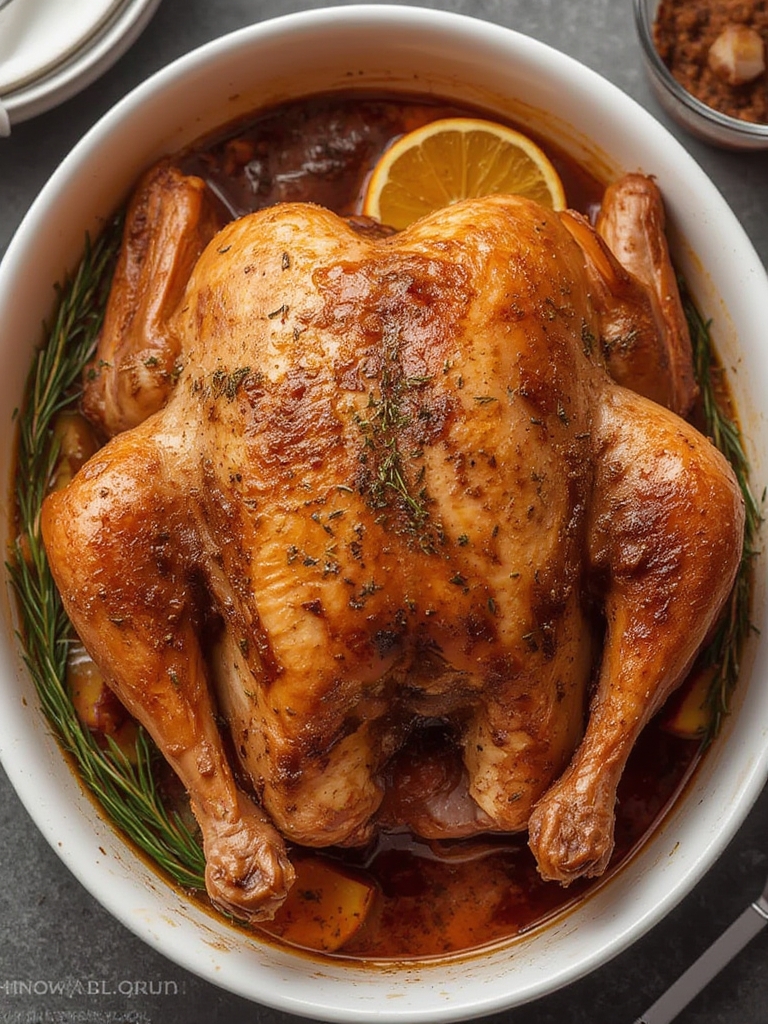
Quick Way to Make 5-Ingredient Turkey Seasoning Recipe
Table of Contents
The Perfect Homemade Turkey Seasoning for Holiday Feasts
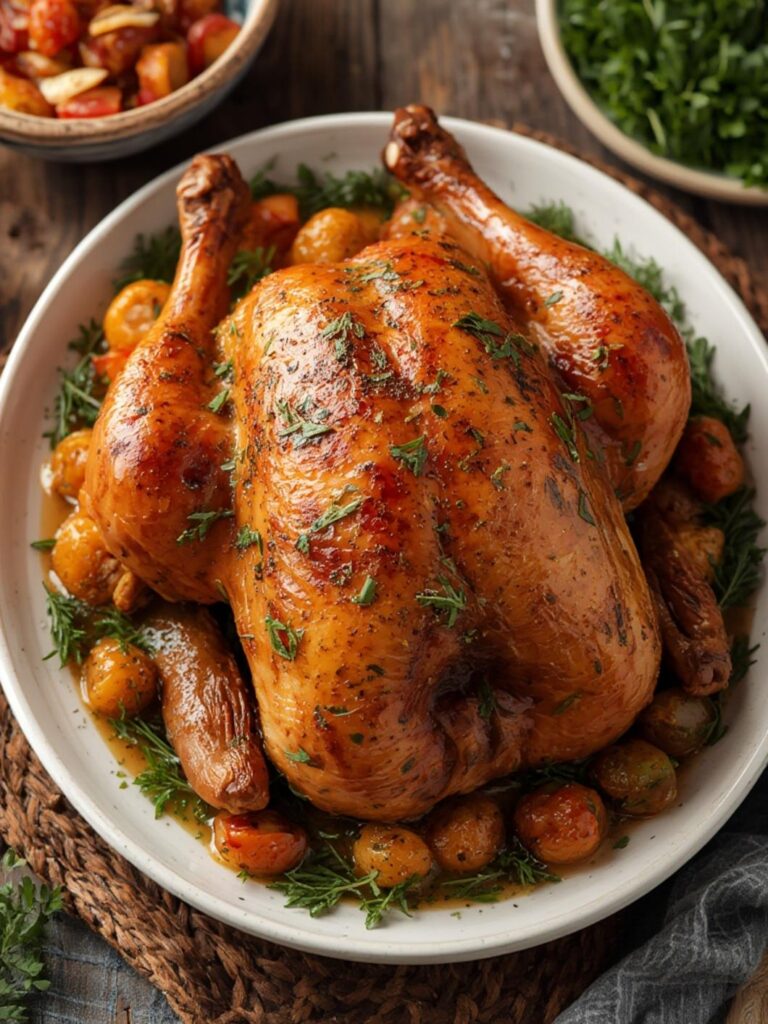
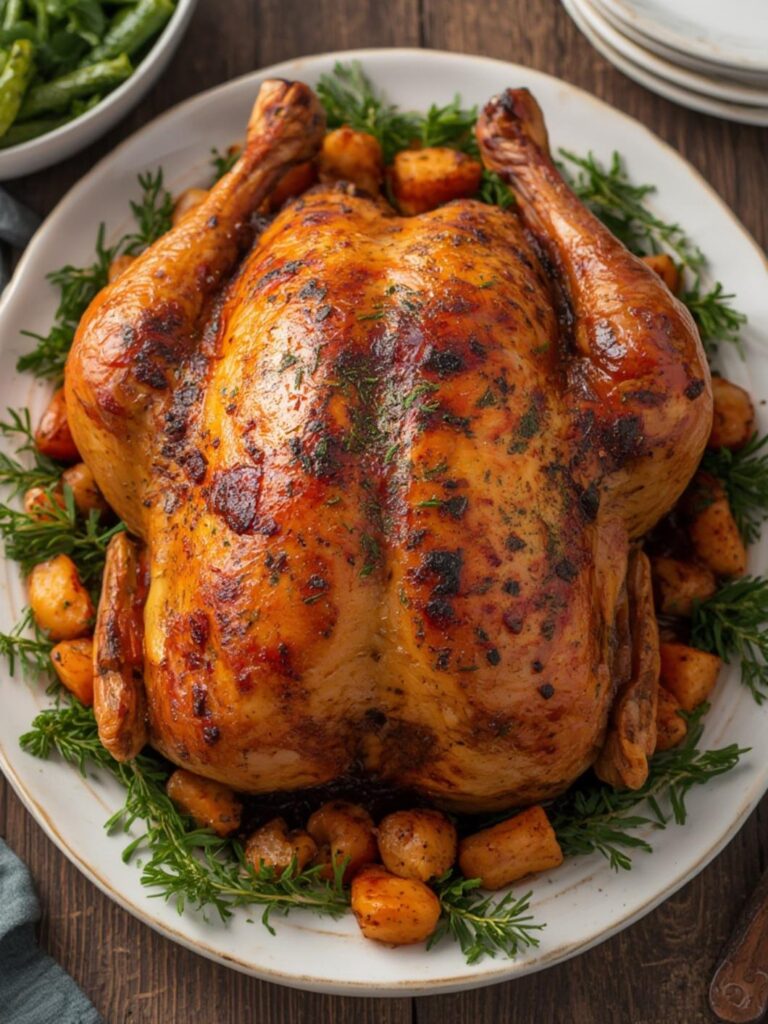
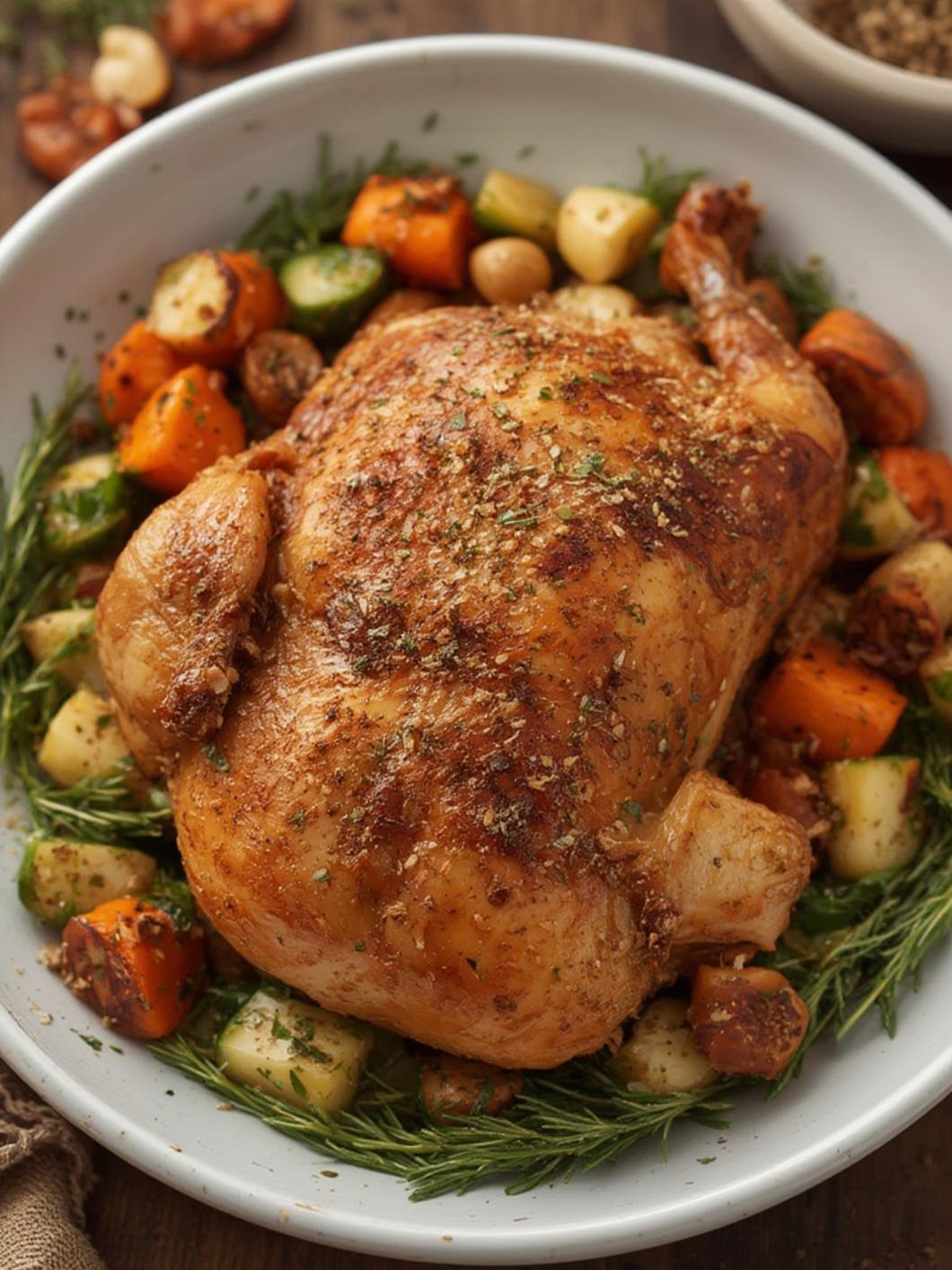
Looking to elevate your holiday bird from ordinary to extraordinary? Creating your own homemade turkey seasoning recipe can make all the difference between a forgettable meal and a memorable feast that has everyone asking for seconds. The right turkey rub recipe combines aromatic herbs and savory spices that penetrate the meat, creating layers of flavor that complement the natural taste of turkey. By preparing these seasonings at home, you’ll avoid preservatives and excess sodium found in store-bought options while customizing the flavor profile to suit your family’s preferences.
Thank you for reading this post, don't forget to subscribe!Ingredients List
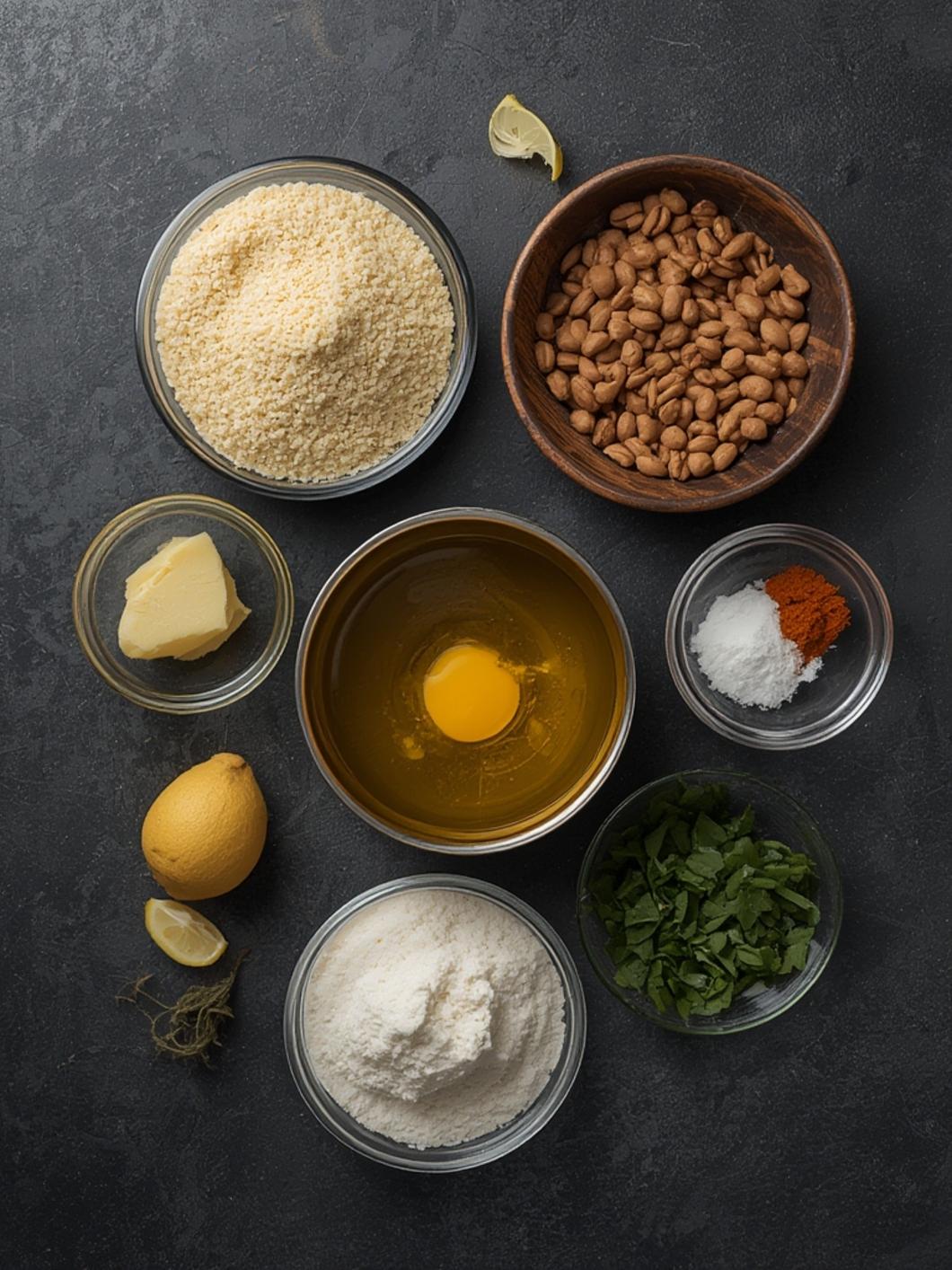
– 3 tablespoons kosher salt
– 2 tablespoons brown sugar
– 2 tablespoons dried thyme
– 2 tablespoons dried rosemary
– 1 tablespoon dried sage
– 1 tablespoon garlic powder
– 1 tablespoon onion powder
– 2 teaspoons black pepper
– 1 teaspoon paprika
– 1 teaspoon dried oregano
– ½ teaspoon cayenne pepper (optional, for heat)
– ½ teaspoon ground nutmeg
– Zest of 1 lemon (optional, for brightness)
Timing / Cooking Schedule
– Prep Time: 10 minutes
– Application Time: 5 minutes
– Resting Time: 12-24 hours (for best flavor penetration)
– Total Time: 12-24 hours and 15 minutes
For best results, prepare your seasoning blend at least a day before you plan to cook your turkey. This allows time to apply the rub and let the flavors properly infuse into the meat.
Step-by-Step Instructions
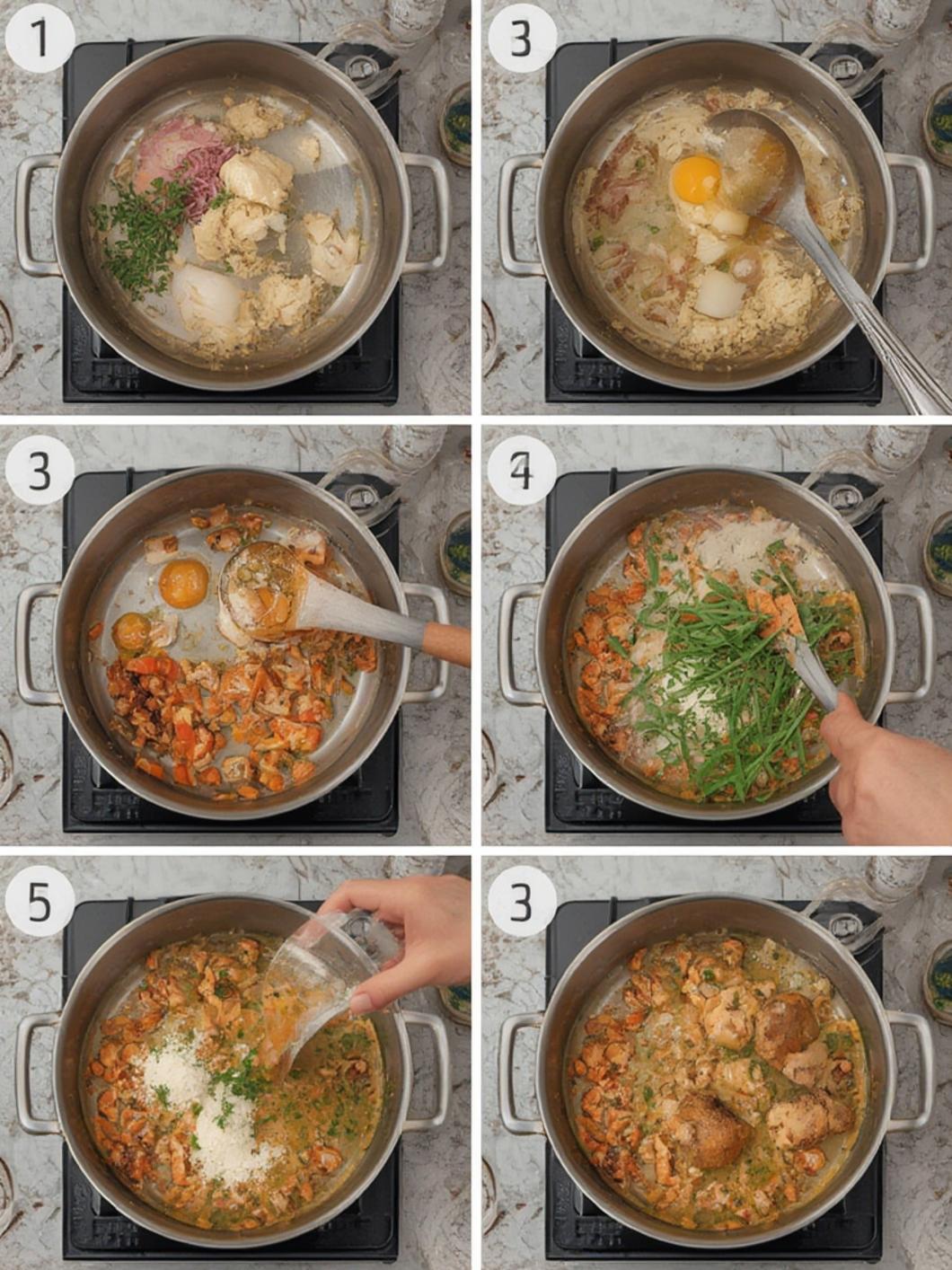
1. Prepare Your Herbs: If using whole dried herbs, crush them slightly in a mortar and pestle or pulse briefly in a spice grinder to release their aromatic oils.
2. Combine Dry Ingredients: In a medium bowl, mix together all the dry ingredients from your turkey seasoning recipe. Ensure even distribution by whisking thoroughly.
3. Add Zest (If Using): If including lemon zest, add it last and mix gently to incorporate. The citrus will brighten the turkey rub recipe and balance the savory components.
4. Transfer to Storage: Place the seasoning mixture in an airtight container or jar. If not using immediately, label with the date.
5. Application Technique: To apply, pat your turkey dry completely with paper towels. Drizzle with a small amount of olive oil, then generously massage the seasoning blend all over the bird, including under the skin for maximum flavor penetration.
6. Rest Before Cooking: Allow the seasoned turkey to rest in the refrigerator for at least 12 hours, ideally 24 hours, before cooking to allow the flavors to fully develop.
Nutritional Benefits / Advantages
This homemade seasoning blend offers several health advantages over commercial alternatives:
– Lower sodium content (you control the salt level)
– No artificial preservatives or additives
– Antioxidant properties from herbs like rosemary and thyme
– Anti-inflammatory benefits from spices like black pepper
– Metabolism-boosting properties from cayenne pepper
– Approximately 5 calories per teaspoon of seasoning blend
Tips, Alternative Methods, or Cooking Advice
– Heat Variation: Adjust cayenne pepper to your family’s spice preference
– Sweet Option: Double the brown sugar for a sweeter, more caramelized exterior
– Herb Substitutions: Fresh herbs can replace dried (use 3× the amount)
– Butter Compound: Mix 4 tablespoons of seasoning with 1 cup of softened butter to create a compound butter for under-skin application
– Brining Option: Add this seasoning blend to a brine solution (2 tablespoons per quart of liquid) for enhanced moisture and flavor
Common Mistakes to Avoid
1. Using Old Spices: Spices lose potency over time. For best results, use herbs and spices less than 6 months old.
2. Applying to Wet Turkey: Always thoroughly dry your turkey before applying seasoning to ensure proper adhesion.
3. Under-Seasoning: Don’t be shy with application – use approximately 1 tablespoon of rub per pound of turkey.
4. Neglecting Under-Skin Application: Flavors penetrate better when seasoning is applied both over and under the skin.
5. Rushing the Rest Time: Skipping the resting period significantly reduces flavor development.
Storage / Maintenance Tips
– Store unused seasoning in an airtight container away from heat and light
– Shelf life: 3-4 months for maximum potency
– Freeze extra seasoning blend for up to 6 months to preserve aromatic qualities
– If making in bulk, consider vacuum sealing portions for longer-term storage
Conclusion
Creating your own turkey seasoning recipe is a simple yet rewarding way to transform your holiday centerpiece into something truly special. The balanced blend of herbs and spices in this turkey rub recipe works harmoniously to enhance the natural flavors of the meat without overpowering it. By taking these few extra minutes to craft your own signature seasoning, you’ll not only impress your guests but also establish a new tradition that can be passed down through generations. Give this recipe a try for your next holiday gathering, and don’t forget to share your results or variations in the comments below!
FAQs
Can I use this seasoning blend on other meats besides turkey?
Absolutely! This versatile blend works wonderfully on chicken, pork roasts, and even hearty fish like salmon. Simply adjust the application amount according to the size of your protein.
How far in advance can I make this seasoning blend?
You can prepare this blend up to 3 months ahead and store it in an airtight container. For gift-giving, consider packaging in decorative jars with preparation instructions.
Is this seasoning blend gluten-free and keto-friendly?
Yes, this blend is naturally gluten-free and keto-compatible. The small amount of brown sugar adds minimal carbs per serving.
Can I reduce the salt content in this recipe?
Certainly. You can reduce the salt by half and still achieve excellent flavor, or replace it with a salt substitute if you’re on a sodium-restricted diet.
How much of this seasoning do I need for a standard holiday turkey?
For a 12-15 pound turkey, prepare approximately ¾ cup of seasoning blend (about 12 tablespoons) to ensure adequate coverage inside, outside, and under the skin.