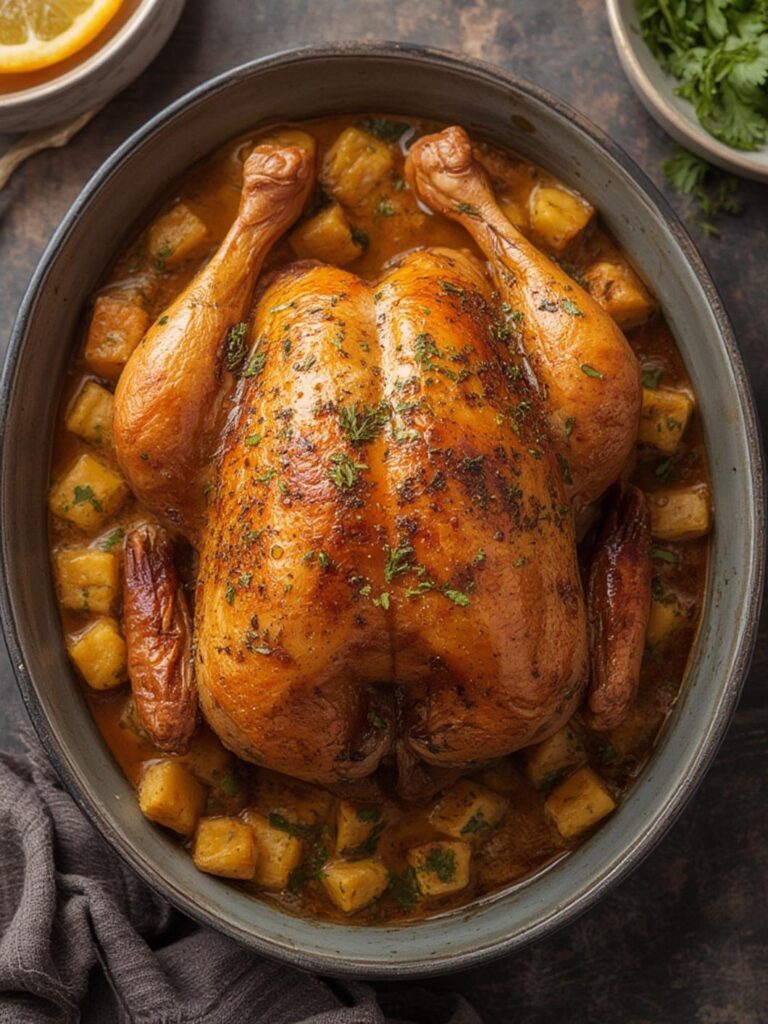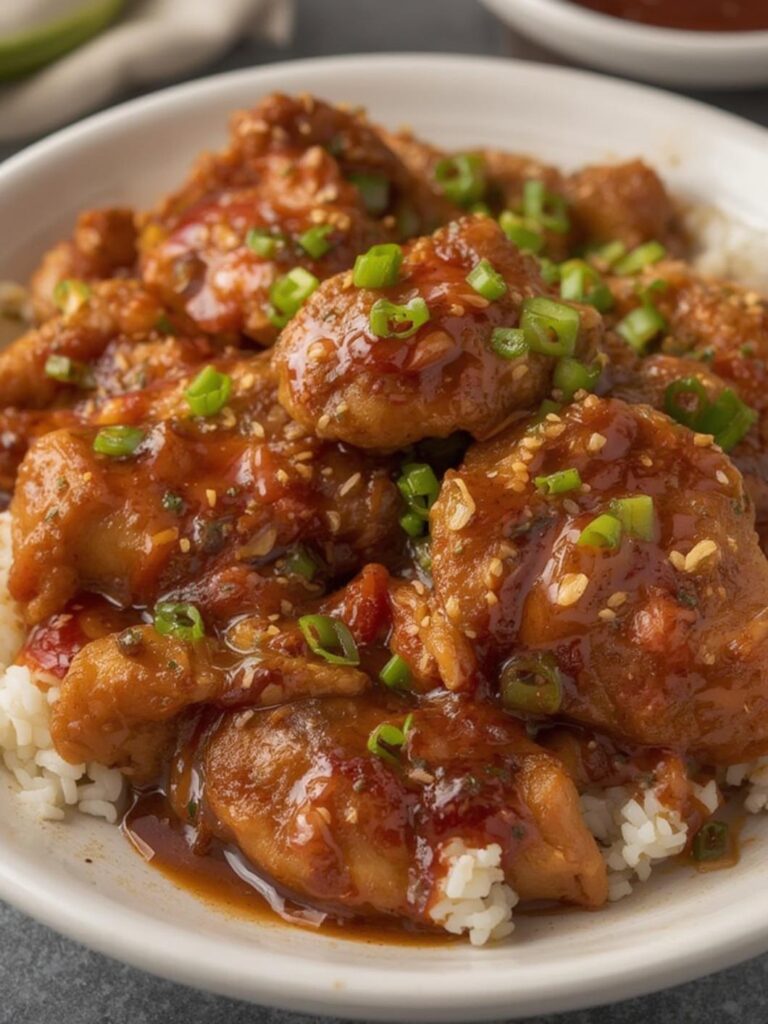
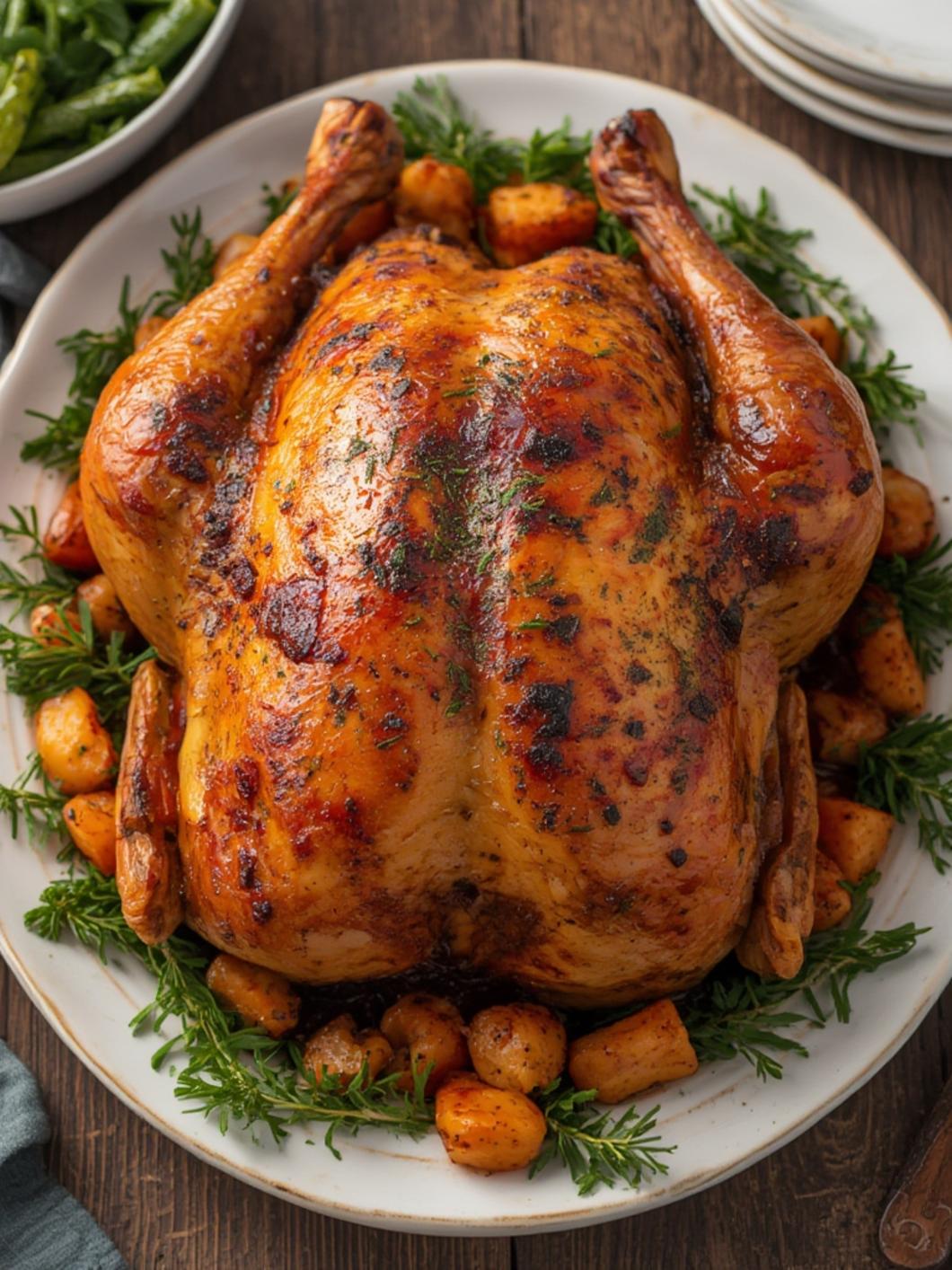
Quick way to make 7 delicious smoked turkey recipes
Table of Contents
Perfect Smoked Turkey for Festive Celebrations
Are you ready to elevate your holiday dinner game with a perfectly smoked turkey that will have your guests raving? The rich, smoky flavor combined with juicy, tender meat makes smoked turkey recipes a standout centerpiece for any special occasion. The secret to achieving that perfect balance of flavor and moisture often lies in the smoked turkey brining techniques you use before cooking. With the right preparation and method, you can transform an ordinary turkey into an extraordinary culinary masterpiece that your family will remember for years to come.
Thank you for reading this post, don't forget to subscribe!Ingredients List
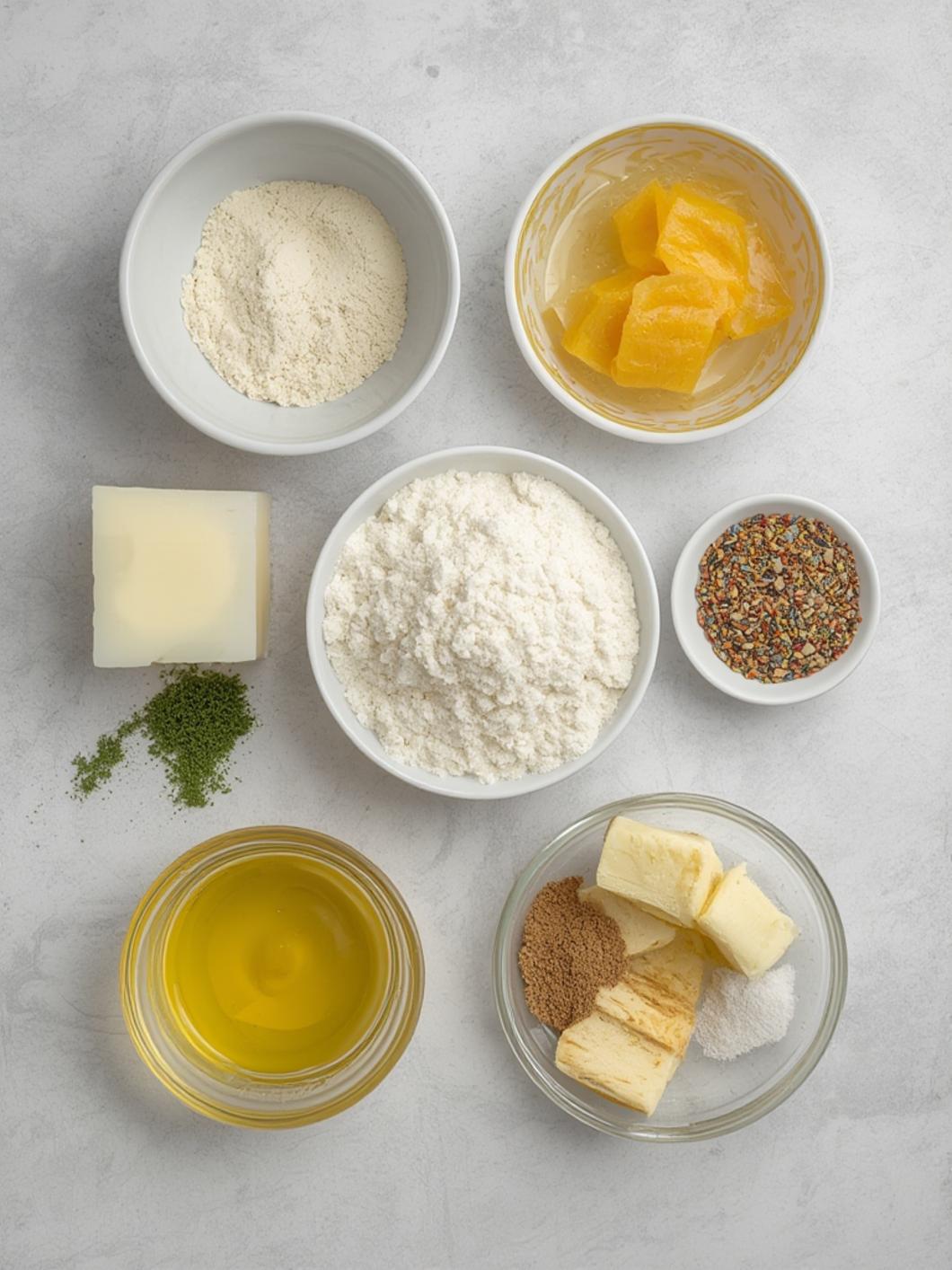
– 12-14 pound whole turkey, thawed and giblets removed
– 1 cup kosher salt
– 1/2 cup brown sugar
– 2 tablespoons black peppercorns
– 1 tablespoon allspice berries
– 5 bay leaves
– 1 gallon cold water
– 4 cloves garlic, crushed
– 2 oranges, quartered
– 3 sprigs fresh rosemary
– 3 sprigs fresh thyme
– 1/4 cup olive oil or butter
– 2 tablespoons poultry seasoning
– Apple or cherry wood chips (2-3 cups)
Timing / Cooking Schedule
– Brining time: 12-24 hours (overnight is ideal)
– Preparation time: 30 minutes
– Drying time: 1 hour
– Smoking time: Approximately 30 minutes per pound (6-7 hours for a 12-14 pound turkey)
– Resting time: 30 minutes
– Total time: 20-26 hours (including brining)
Step-by-Step Instructions
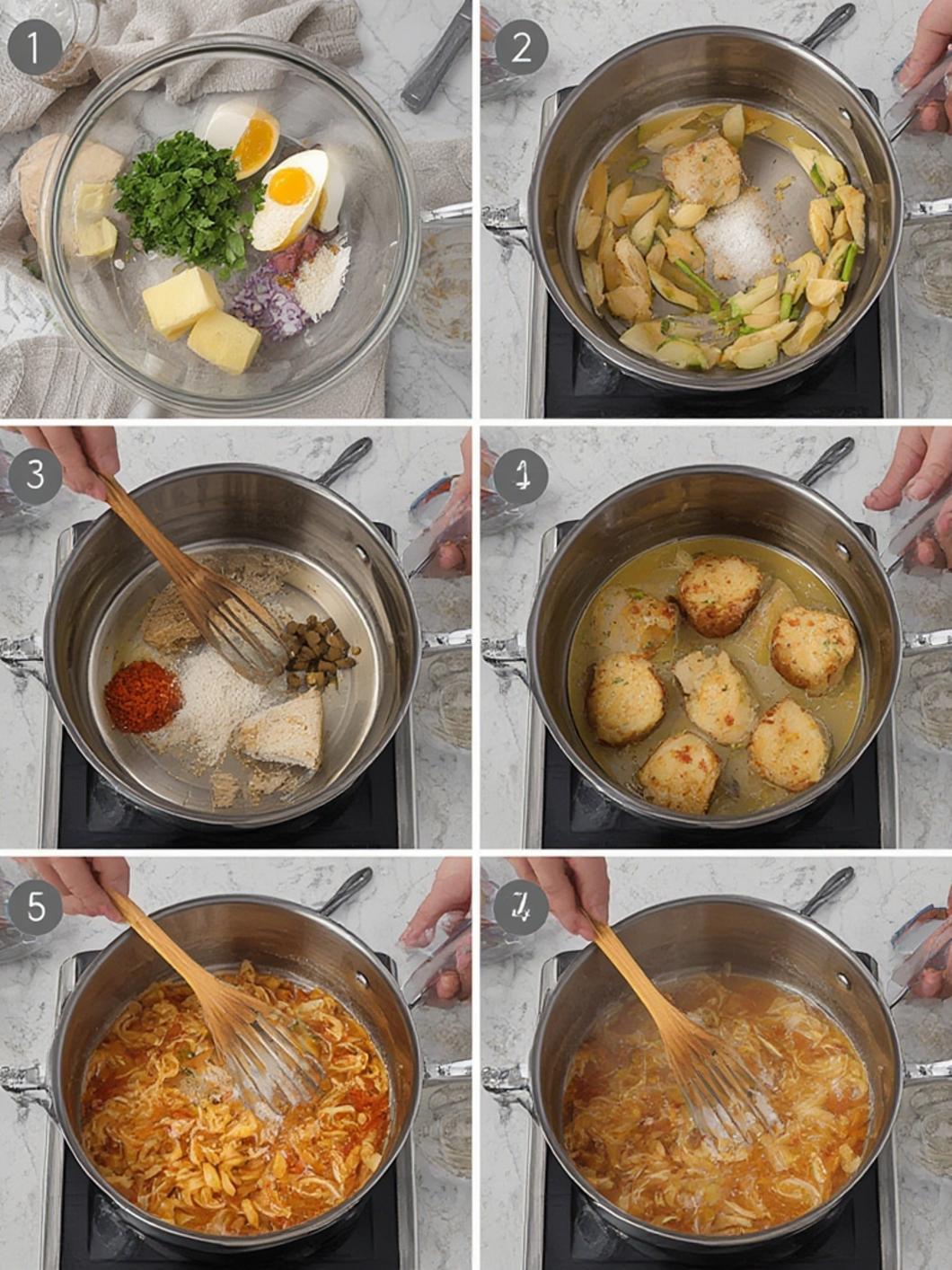
1. Create the brine: In a large pot, combine kosher salt, brown sugar, peppercorns, allspice berries, and bay leaves with 2 cups of hot water. Stir until salt and sugar dissolve completely. Add remaining cold water to cool the mixture.
2. Brine the turkey: Place your turkey in a brining bag or large container, then pour the brine solution over it. Make sure the turkey is fully submerged, adding more cold water if necessary. Refrigerate for 12-24 hours. Proper smoked turkey brining techniques involve keeping the turkey at a consistent temperature below 40°F throughout this process.
3. Prepare for smoking: Remove turkey from brine, rinse thoroughly inside and out with cold water, and pat dry with paper towels. Allow to air dry for about 1 hour to form a pellicle (a thin, tacky layer on the skin that helps smoke adhere).
4. Season the turkey: Rub the turkey with olive oil or softened butter, then apply poultry seasoning evenly over the entire bird. Stuff cavity with orange quarters, garlic, rosemary, and thyme.
5. Prepare the smoker: Preheat your smoker to 225-250°F. Add wood chips according to manufacturer’s instructions.
6. Smoke the turkey: Place the turkey breast-side up on the smoker rack. Most smoked turkey recipes recommend maintaining a consistent temperature of 225-250°F throughout the cooking process.
7. Monitor internal temperature: Smoke until the internal temperature reaches 165°F in the thickest part of the thigh (approximately 30 minutes per pound).
8. Rest before carving: Remove from smoker, tent loosely with foil, and let rest for 30 minutes before carving.
Nutritional Benefits / Advantages
A 6-ounce serving of smoked turkey (without skin) provides approximately:
– Calories: 220
– Protein: 42g
– Fat: 6g
– Carbohydrates: 0g
– Sodium: varies based on brining
– Rich source of niacin, vitamin B6, phosphorus, and selenium
– Excellent source of lean protein
Tips, Alternative Methods, or Cooking Advice
– For a spicier flavor profile, add cayenne pepper or red pepper flakes to your brine
– Consider an apple juice spray during smoking to enhance moisture and add subtle sweetness
– For crispier skin, increase smoker temperature to 350°F for the last 30 minutes
– Electric smokers offer more consistent temperature control for beginners
– Use a remote thermometer to monitor temperature without opening the smoker and losing heat
Common Mistakes to Avoid

1. Skipping the brine: The brine is crucial for a moist, flavorful turkey.
2. Opening the smoker too often: Each peek loses heat and extends cooking time.
3. Smoking at too high a temperature: This can dry out the meat quickly.
4. Not using a meat thermometer: Visual cues aren’t reliable for determining doneness.
5. Carving immediately: Letting the turkey rest allows juices to redistribute throughout the meat.
Storage / Maintenance Tips
– Refrigerate leftover smoked turkey within 2 hours of cooking
– Store in shallow, airtight containers for up to 4 days
– Freeze portions in freezer bags for up to 3 months
– For best texture, reheat with a splash of broth in a 325°F oven until reaching 165°F
– Save the carcass for making rich, smoky turkey stock
Conclusion
Mastering smoked turkey recipes can transform your holiday gatherings and special occasions into memorable culinary events. The key lies in patience, attention to temperature control, and perfecting your smoked turkey brining techniques to ensure maximum flavor and juiciness. With this comprehensive guide, you’re now equipped to create a show-stopping smoked turkey that will have everyone asking for seconds. We’d love to hear about your smoking adventures – share your results in the comments or tag us in your social media posts!
FAQs
Can I smoke a frozen turkey?
No, always fully thaw your turkey before smoking. A frozen turkey will cook unevenly and potentially create food safety issues.
How long should I soak wood chips before smoking?
Soak wood chips for at least 30 minutes before adding them to your smoker to prevent them from burning too quickly and to create more smoke.
Can I use a gas grill to smoke a turkey?
Yes, you can turn your gas grill into a smoker by creating a packet of soaked wood chips in aluminum foil with holes poked in it, placing it over one burner, and cooking the turkey on the unlit side.
Is it necessary to baste a smoked turkey?
Basting isn’t usually necessary when smoking a properly brined turkey, as the slow cooking process and brine help maintain moisture naturally.
What’s the best type of wood for smoking turkey?
Mild fruitwoods like apple, cherry, or peach complement turkey well without overpowering its flavor. Hickory and mesquite can be used sparingly as they produce a stronger smoke flavor.