Best way to make how to cook steak in stove: 5 steps
Table of Contents
Perfect Stovetop Steak Recipe: Ready in Minutes!
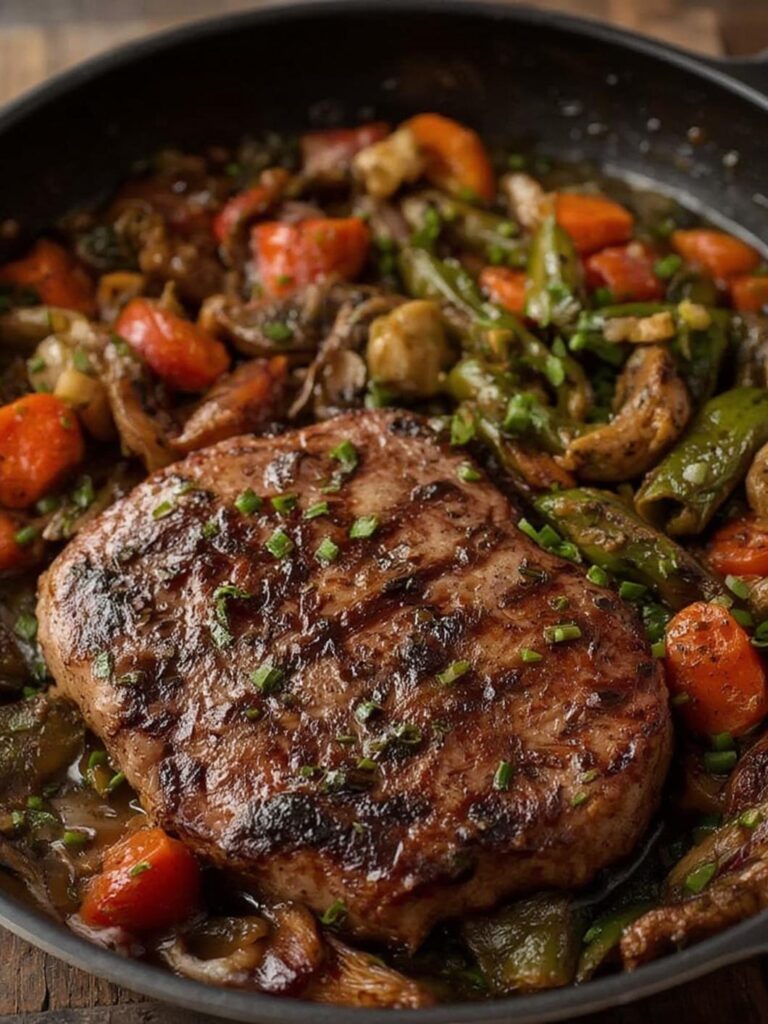
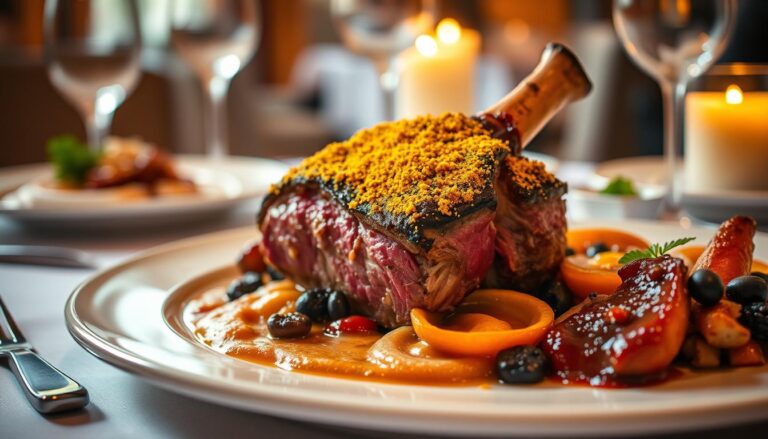
There’s something incredibly satisfying about cooking a restaurant-quality steak in your own kitchen. The sizzle of the meat hitting the hot surface, the rich aroma filling your home, and that first juicy bite – it’s an experience worth mastering. Learning how to cook steak in stove is surprisingly simple and delivers impressive results.
Thank you for reading this post, don't forget to subscribe!With just a few key techniques, you can create a pan-seared steak with a beautiful crust outside and perfect doneness inside. This method requires minimal ingredients, takes less time than firing up the grill, and gives you complete control over the cooking process. Whether it’s a special occasion or simply treating yourself to an excellent dinner, this recipe will make you feel like a professional chef.
Ingredients List
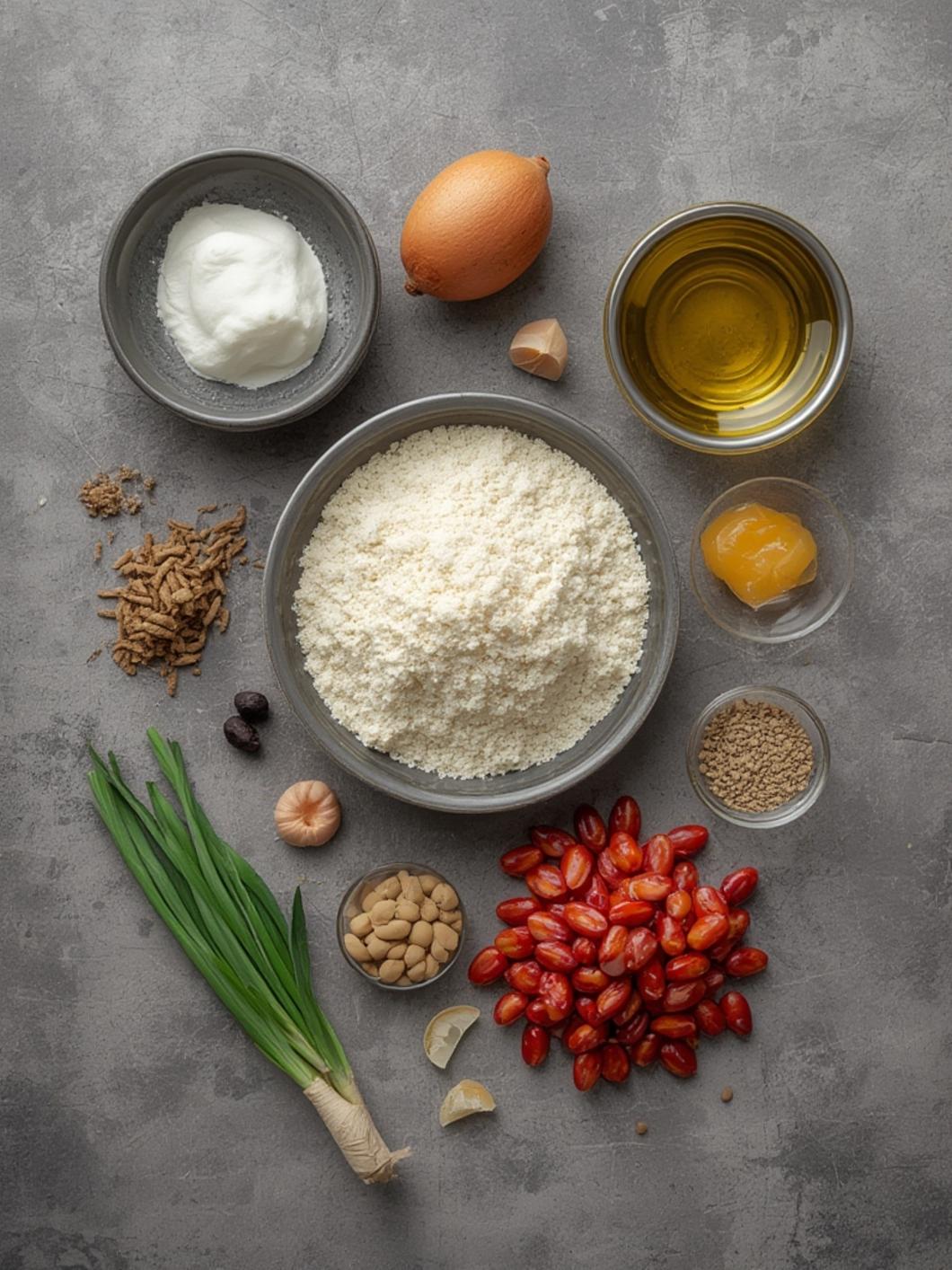
– 2 boneless ribeye or strip steaks (1½ inches thick, about 1 pound each)
– 2 tablespoons high smoke-point oil (canola, grapeseed, or avocado oil)
– 2 tablespoons unsalted butter
– 4 garlic cloves, peeled and lightly crushed
– 2-3 sprigs fresh rosemary or thyme
– 2 teaspoons kosher salt
– 1 teaspoon freshly ground black pepper
Optional ingredients:
– 1 tablespoon soy sauce (for added umami)
– 1 teaspoon Worcestershire sauce
– ¼ teaspoon crushed red pepper flakes (for heat)
Step-by-Step Instructions
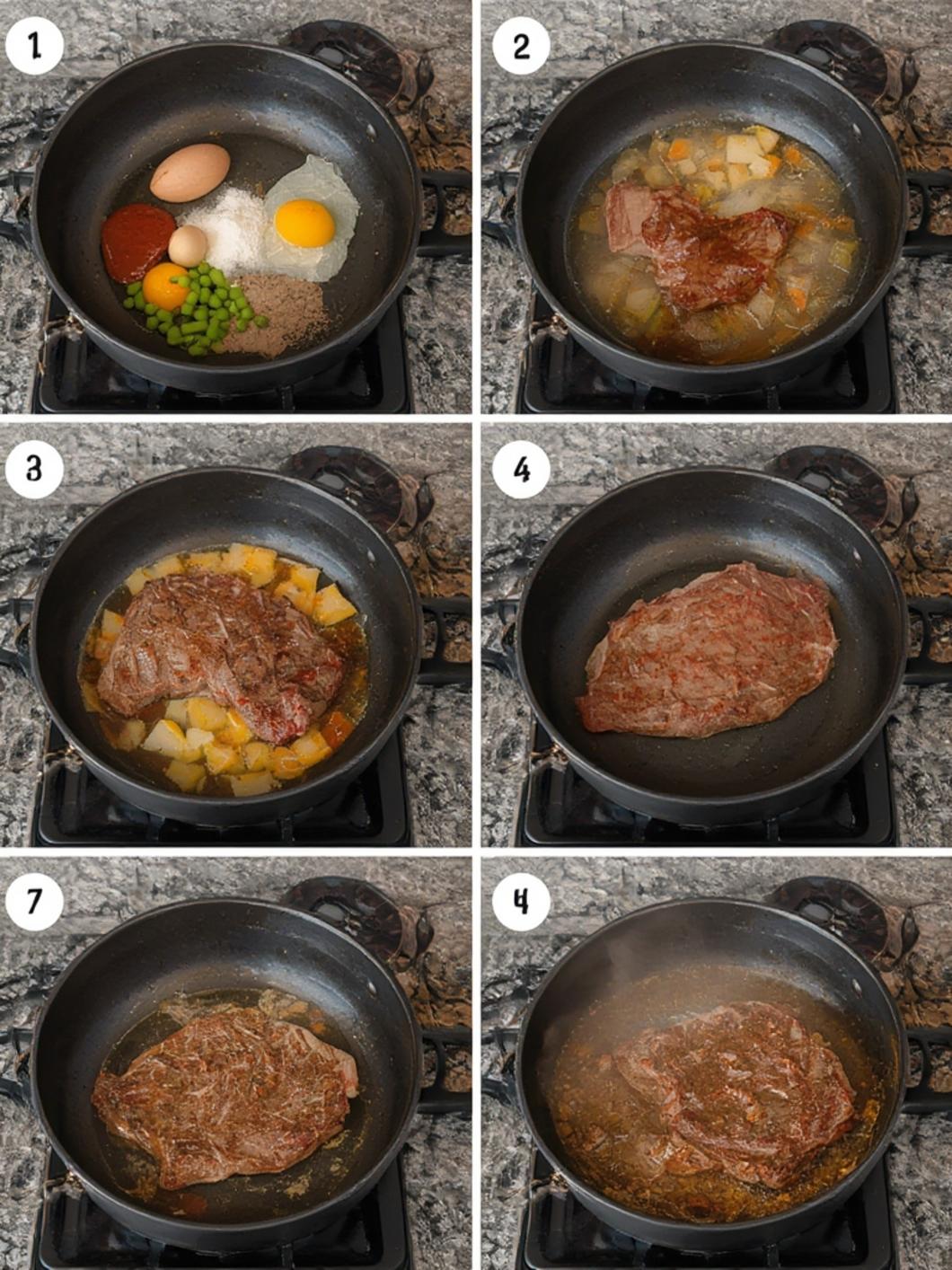
1. Remove steaks from refrigerator 30-45 minutes before cooking to bring them to room temperature. This ensures even cooking.
2. Pat the steaks completely dry with paper towels. Moisture is the enemy of a good crust.
3. Season both sides generously with salt and pepper, pressing the seasoning into the meat.
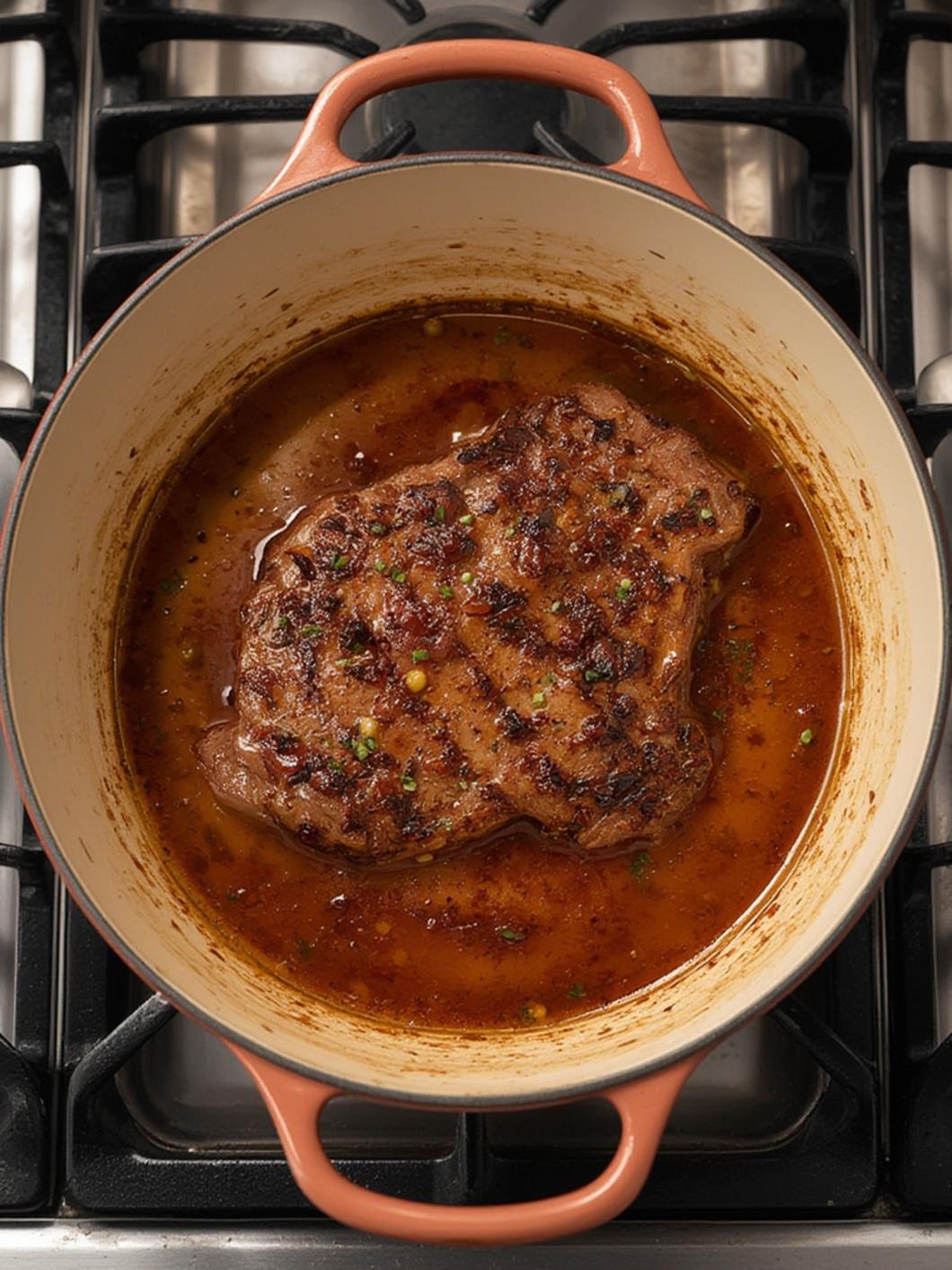
4. Heat a heavy cast-iron skillet over high heat until it’s smoking hot (about 5 minutes). The key to a successful how to cook steak in stove technique is getting your pan properly hot before adding the pan-seared steak.
5. Add oil to the pan and swirl to coat. Immediately place steaks in the pan, being careful not to overcrowd.
6. Cook undisturbed for 3-4 minutes until a deep brown crust forms on the bottom.
7. Flip steaks and add butter, garlic cloves, and herb sprigs to the pan. As the butter melts, tilt the pan slightly and use a spoon to baste the steaks with the aromatic butter for about 2-3 minutes.
8. For medium-rare (internal temperature of 135°F), cook for approximately 3-4 minutes on the second side. Add or reduce time depending on desired doneness and thickness.
9. Transfer steaks to a cutting board and let rest for 5-10 minutes before slicing. This allows juices to redistribute throughout the meat.
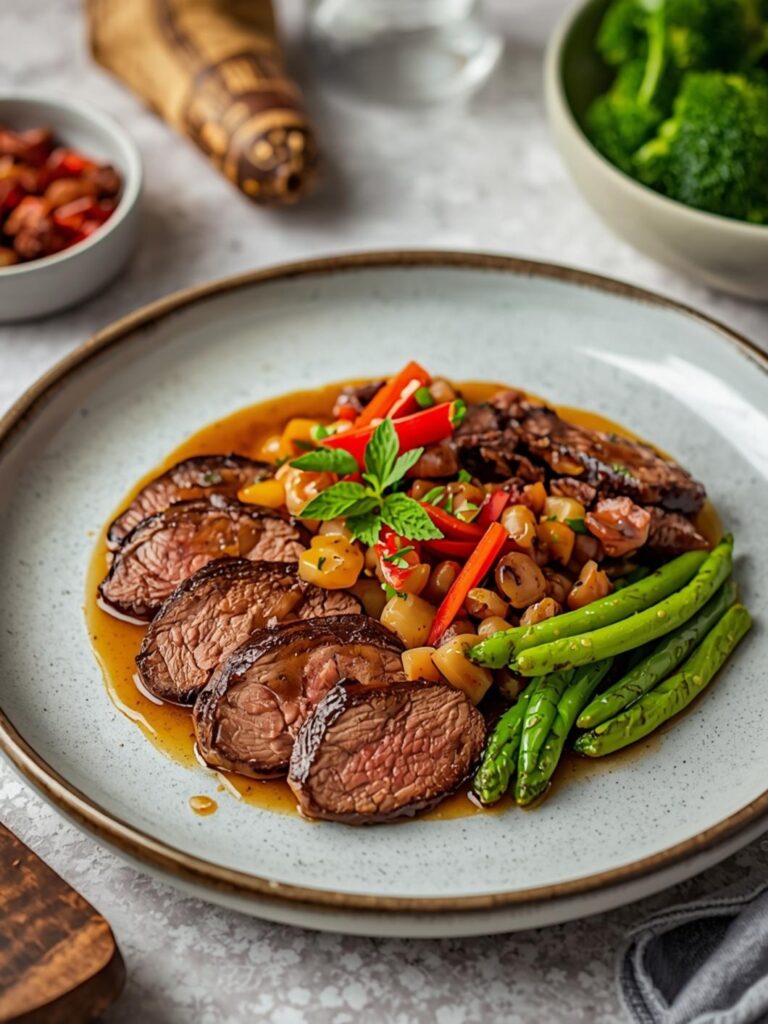
10. Slice against the grain and serve with the pan juices drizzled over the top.
Preparation & Cooking Time
– Preparation Time: 45 minutes (includes bringing steak to room temperature)
– Active Cooking Time: 10-12 minutes
– Resting Time: 5-10 minutes
– Total Time: 1 hour
– Servings: 2-4 people (depending on appetites)
Tips & Variations
Choose the Right Cut
The best steaks for stovetop cooking are well-marbled cuts like ribeye, New York strip, or top sirloin. The fat content helps keep the meat juicy during the high-heat cooking process.
Temperature Guide
– Rare: 125°F (bright red center, very soft)
– Medium-Rare: 135°F (warm red center, slightly firmer)
– Medium: 145°F (pink center, firm)
– Medium-Well: 150°F (slightly pink center, firmer)
– Well-Done: 160°F (little to no pink, very firm)
Flavor Variations
– Create a quick red wine sauce by removing the steaks, adding ¼ cup red wine to deglaze the pan, then reducing with ½ cup beef broth.
– Add a blue cheese topping by crumbling 2 ounces of blue cheese over steaks during the last minute of resting.
– For an Asian twist, use sesame oil in place of butter and add a tablespoon of minced ginger with the garlic.
Make it a Meal
Serve with roasted garlic mashed potatoes, steamed asparagus, or a simple arugula salad with lemon vinaigrette for a complete dinner.
Common Mistakes to Avoid
Cooking Cold Steak
Always bring your steak to room temperature before cooking. Cold steak will cook unevenly, with an overdone exterior and underdone interior.
Flipping Too Often
Resist the urge to constantly flip or move the steak. Let it develop a proper crust before turning it just once.
Skimping on Seasoning
Season generously with salt and pepper. The seasoning enhances the meat’s natural flavor and helps create that delicious crust.
Skipping the Rest Period
Never slice into a steak immediately after cooking. The resting period allows juices to redistribute, resulting in a more tender and flavorful steak.
Using the Wrong Pan
A lightweight or non-stick pan won’t provide the heat retention needed for a perfect sear. Invest in a heavy cast-iron skillet for best results.
Storage & Reheating Tips
Refrigeration
– Store leftover steak in an airtight container in the refrigerator for up to 3 days.
– For best quality, slice the steak before storing, as this makes reheating more effective.
Freezing
– Wrap cooled steak tightly in plastic wrap, then place in a freezer bag with air removed.
– Frozen steak remains good for up to 3 months but is best used within 1 month.
Reheating
– For the best texture, reheat steak gently. Avoid microwaving if possible.
– Preferred method: Wrap steak in foil with a tablespoon of beef broth or leftover juices and heat in a 275°F oven until warmed through (about 15-20 minutes).
– Quick method: Slice thinly and warm quickly in a skillet with a splash of broth or butter.
Conclusion
Mastering the art of how to cook steak in stove opens up a world of culinary possibilities that doesn’t require expensive equipment or professional training. The simplicity of a perfectly executed pan-seared steak is what makes this technique so valuable for home cooks. With practice, you’ll develop an intuitive sense for timing and temperature that will consistently deliver impressive results.
Whether you’re cooking for a special occasion or elevating a weeknight dinner, this method proves that sometimes the simplest techniques yield the most extraordinary flavors. Try this recipe tonight, and don’t be surprised if your home becomes the new favorite steakhouse among friends and family!
FAQs
Can I use frozen steak for this recipe?
Ideally, no. Frozen steak won’t cook evenly and won’t develop a proper crust. If you only have frozen steak, thaw it completely in the refrigerator for 24 hours before bringing it to room temperature and cooking.
What if I don’t have a cast-iron skillet?
While cast iron is ideal, any heavy-bottomed, oven-safe stainless steel pan will work. Avoid non-stick pans as they typically can’t handle the high heat needed for a proper sear.
How can I tell doneness without a meat thermometer?
Use the finger test: Touch your thumb to your index finger and press the fleshy part at the base of your thumb—that’s how medium-rare feels. Middle finger = medium, ring finger = medium-well, and pinky = well-done.
Can I add more garlic and herbs?
Absolutely! The aromatics can be adjusted to your preference. Just be careful not to burn them, as they can become bitter. Add them after flipping the steak when the initial high-heat searing is done.
My kitchen gets smoky when cooking steak. How can I prevent this?
Some smoke is unavoidable with high-heat cooking. Ensure good ventilation by turning on your range hood or opening windows. Using oils with higher smoke points (like avocado or grapeseed) instead of olive oil can also help reduce smoke.