How to Make Dry Brine Turkey Recipe in 3 Steps
Table of Contents
Mastering the Art of Dry Brining: A Game-Changer for Your Thanksgiving Turkey
Have you ever wondered why some people’s turkeys taste incredibly juicy and flavorful while yours turns out dry and bland? The secret might be in the preparation method! Using a dry brine turkey recipe can transform your holiday bird from ordinary to extraordinary with minimal effort. The beauty of dry brine turkey preparation is that it’s simpler than traditional wet brining yet delivers superior results. Let’s explore how this technique can elevate your Thanksgiving feast this year.
Thank you for reading this post, don't forget to subscribe!Ingredients List
- 1 whole turkey (12-14 pounds), thawed if frozen
- 3 tablespoons kosher salt (not table salt)
- 1 tablespoon brown sugar
- 1 tablespoon dried thyme
- 1 tablespoon dried rosemary
- 1 tablespoon ground black pepper
- 2 teaspoons garlic powder
- 2 teaspoons onion powder
- 1 teaspoon paprika
- ½ teaspoon cayenne pepper (optional)
- 2 tablespoons unsalted butter, softened
- 2 tablespoons olive oil
Timing / Cooking Schedule
- Prep Time: 15 minutes
- Brining Time: 24-72 hours (ideally 48 hours)
- Resting Time Before Cooking: 1 hour at room temperature
- Cooking Time: 13 minutes per pound (approximately 3-4 hours for a 14-pound turkey)
- Resting Time After Cooking: 30 minutes
- Total Time: 2-4 days (including brining)
Step-by-Step Instructions
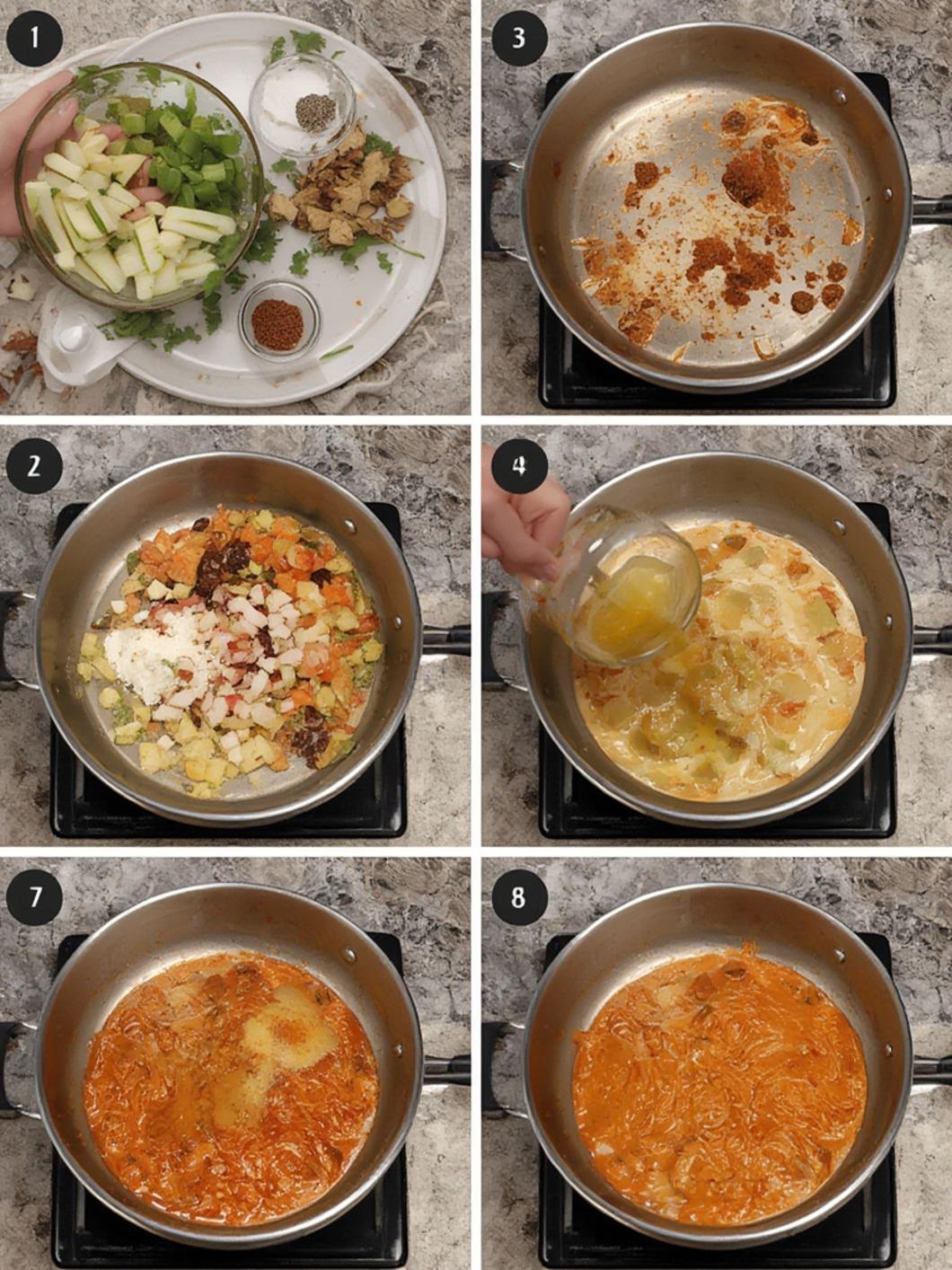
1. Prepare the Turkey: Remove giblets and neck from the cavity. Pat the turkey dry thoroughly with paper towels. The drier the skin, the more effective your dry brine turkey recipe will be.
2. Mix the Dry Brine: Combine kosher salt, brown sugar, and all herbs and spices in a small bowl.
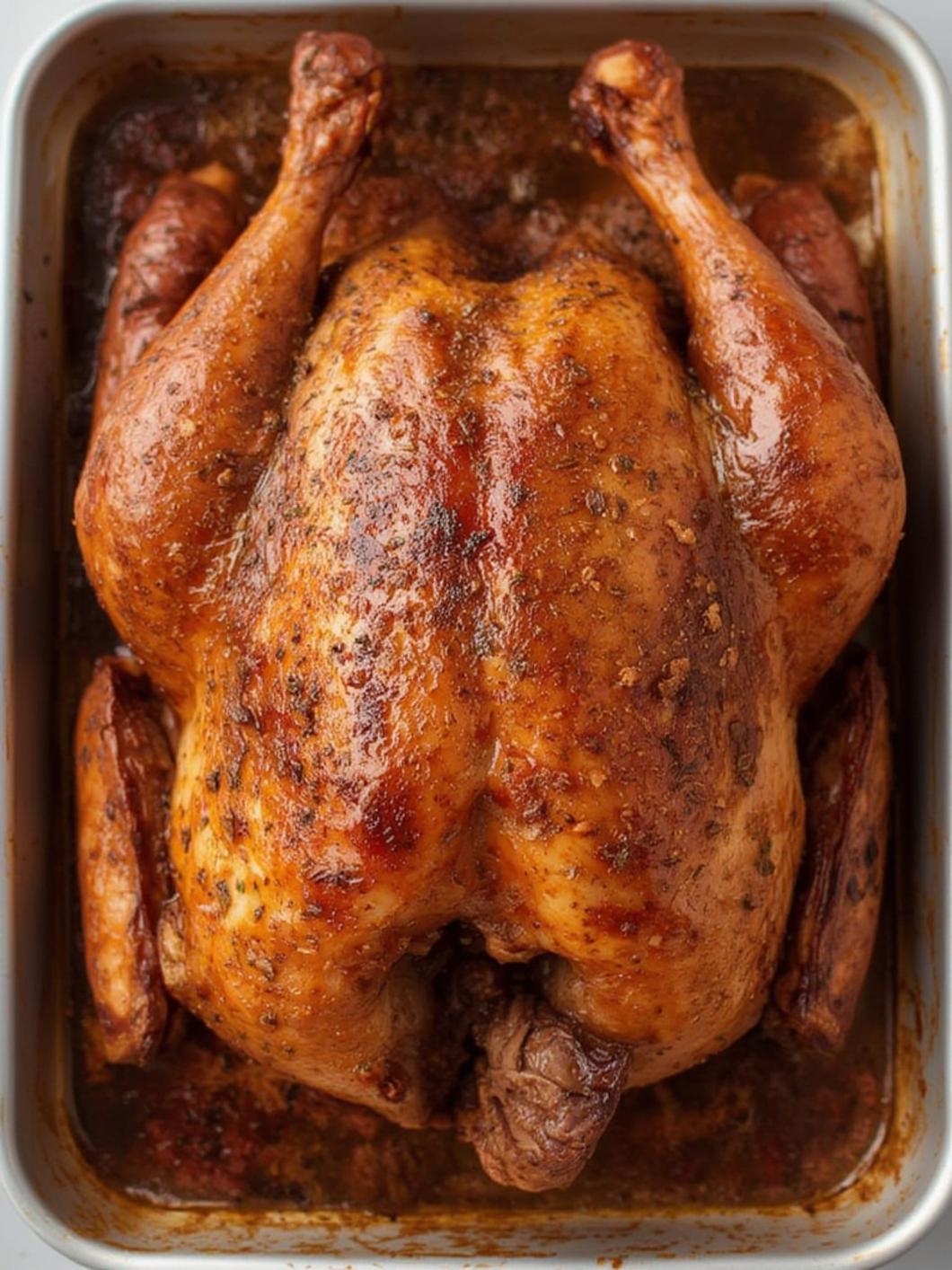
3. Apply the Brine: Sprinkle the mixture generously over all surfaces of the turkey, including inside the cavity. Concentrate a bit more on the thicker parts like the breast. Don’t worry about making it look perfectly even – the salt will dissolve and distribute over time.
4. Refrigerate: Place the turkey on a wire rack set inside a rimmed baking sheet. Leave it uncovered in the refrigerator for 24-72 hours. The uncovered air helps dry the skin, which leads to crispier results.
5. Before Cooking: Remove the turkey from the refrigerator about 1 hour before roasting to take the chill off. There’s no need to rinse off the dry brine turkey mixture – it has been absorbed into the meat.
6. Prepare for Roasting: Rub the softened butter and olive oil all over the skin.
7. Roast: Preheat your oven to 450°F. Place turkey in a roasting pan and put it in the oven for 30 minutes. Reduce heat to 350°F and continue cooking until an instant-read thermometer inserted into the thickest part of the thigh registers 165°F.
8. Rest: Allow the turkey to rest for at least 30 minutes before carving to redistribute juices.
Nutritional Benefits / Advantages
A 4-ounce serving of roasted turkey breast (without skin) provides:
- Calories: Approximately 130-150
- Protein: 24-30g
- Fat: 3-4g
- Carbohydrates: 0g
- Sodium: Varies based on brining
- Excellent source of B vitamins, particularly niacin and B6
- Good source of selenium, phosphorus, and zinc
Tips, Alternative Methods, or Cooking Advice
- Herb Variations: Try adding orange or lemon zest to your brine mixture for a citrusy note.
- Spatchcocking Option: For faster cooking, consider spatchcocking (butterflying) your turkey before brining.
- Air Fryer Method: For turkey breasts under 3 pounds, you can use the dry brine technique and then cook in a large air fryer.
- Dietary Modifications: For a lower-sodium version, reduce salt to 2 tablespoons and extend the brining time.
- Smoking Alternative: This dry brining method works exceptionally well for smoked turkey too!
Common Mistakes to Avoid
- Using Table Salt: Never substitute table salt for kosher salt without adjusting quantities (table salt is much saltier by volume).
- Brining Too Late: Starting the brine process the night before is insufficient. Allow at least 24 hours, ideally 48.
- Covering the Turkey: Don’t cover the turkey during brining, as air circulation helps dry the skin for better crisping.
- Skipping the Rest Time: Not allowing the turkey to rest before carving will result in dry meat and lost juices.
- Overcooking: Use a reliable meat thermometer rather than cooking by time alone.
Storage / Maintenance Tips
- Refrigeration: Leftover turkey can be stored in the refrigerator for up to 4 days in airtight containers.
- Freezing: For longer storage, wrap portions tightly in plastic wrap, then foil, and freeze for up to 3 months.
- Reheating: To maintain moisture, reheat with a splash of broth in a 325°F oven until it reaches 165°F internally.
- Repurposing: Use leftovers for sandwiches, soups, casseroles, or salads.
Conclusion
Mastering the dry brine turkey recipe technique revolutionizes how you’ll prepare turkey forever. The method requires minimal hands-on time yet delivers maximum flavor and juiciness that will impress your guests. The beauty of dry brine turkey is its simplicity and foolproof nature – perfect for both novice cooks and seasoned chefs. Give this method a try this holiday season, and you might never return to traditional roasting again. Share your results in the comments below, or tag us in your social media posts!
FAQs
Can I use this dry brining technique on turkey parts instead of a whole bird?
Yes! This method works excellently for turkey breasts, legs, or thighs. Reduce the brining time to 24-36 hours for smaller cuts.
Is it possible to over-brine a turkey?
While difficult to over-brine with a dry method, extending beyond 72 hours might make the turkey slightly too salty. The sweet spot is 48 hours.
Do I need to rinse the brine off before cooking?
No! Unlike wet brining, dry brining doesn’t require rinsing. The salt will have been absorbed properly, and rinsing would only make the skin less crispy.
Can I still stuff a dry-brined turkey?
Yes, but it’s better to cook stuffing separately