Best way to make cook a steak cast iron skillet at 500°
Table of Contents
Perfect Cast Iron Skillet Steak
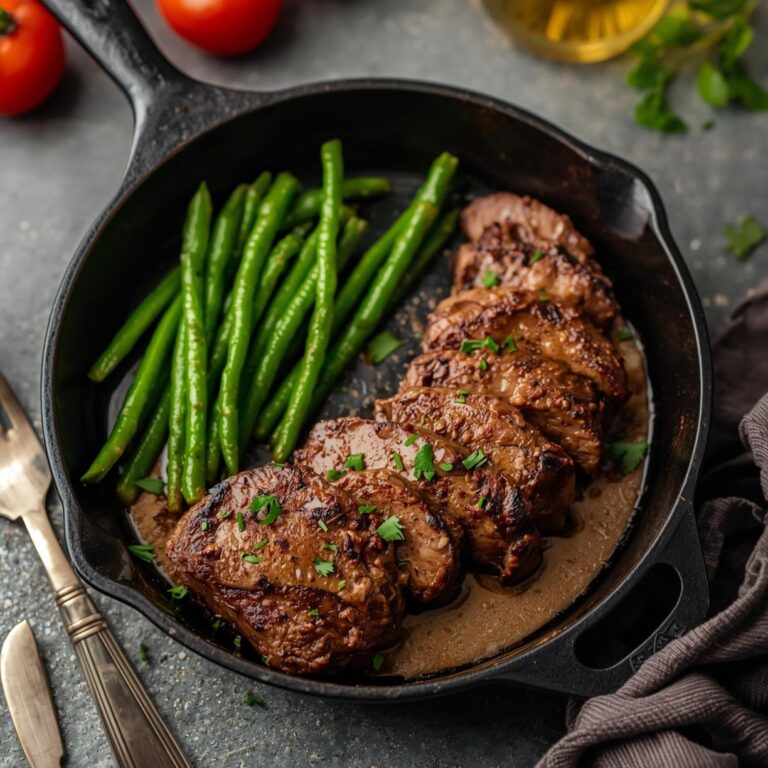
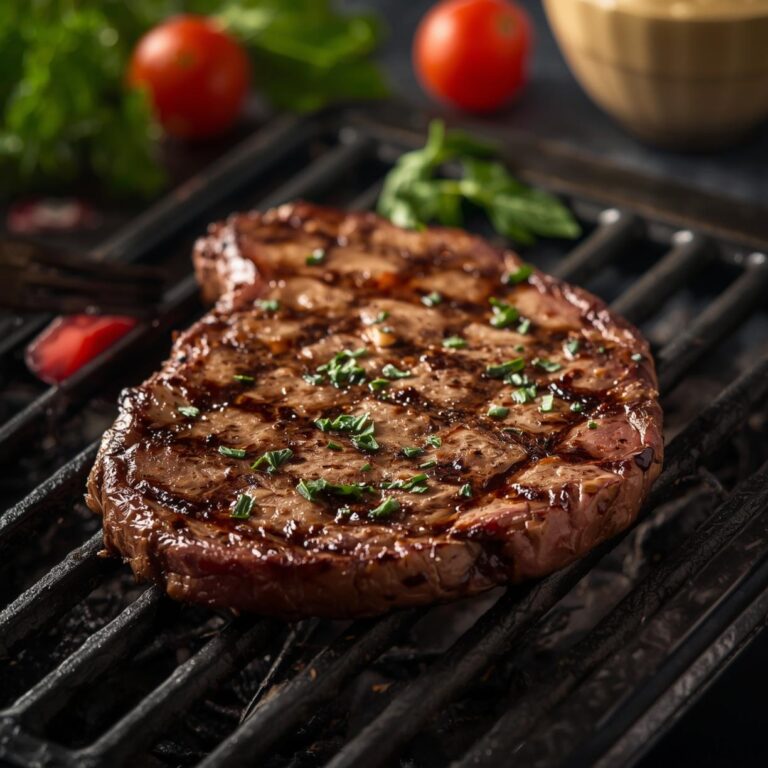
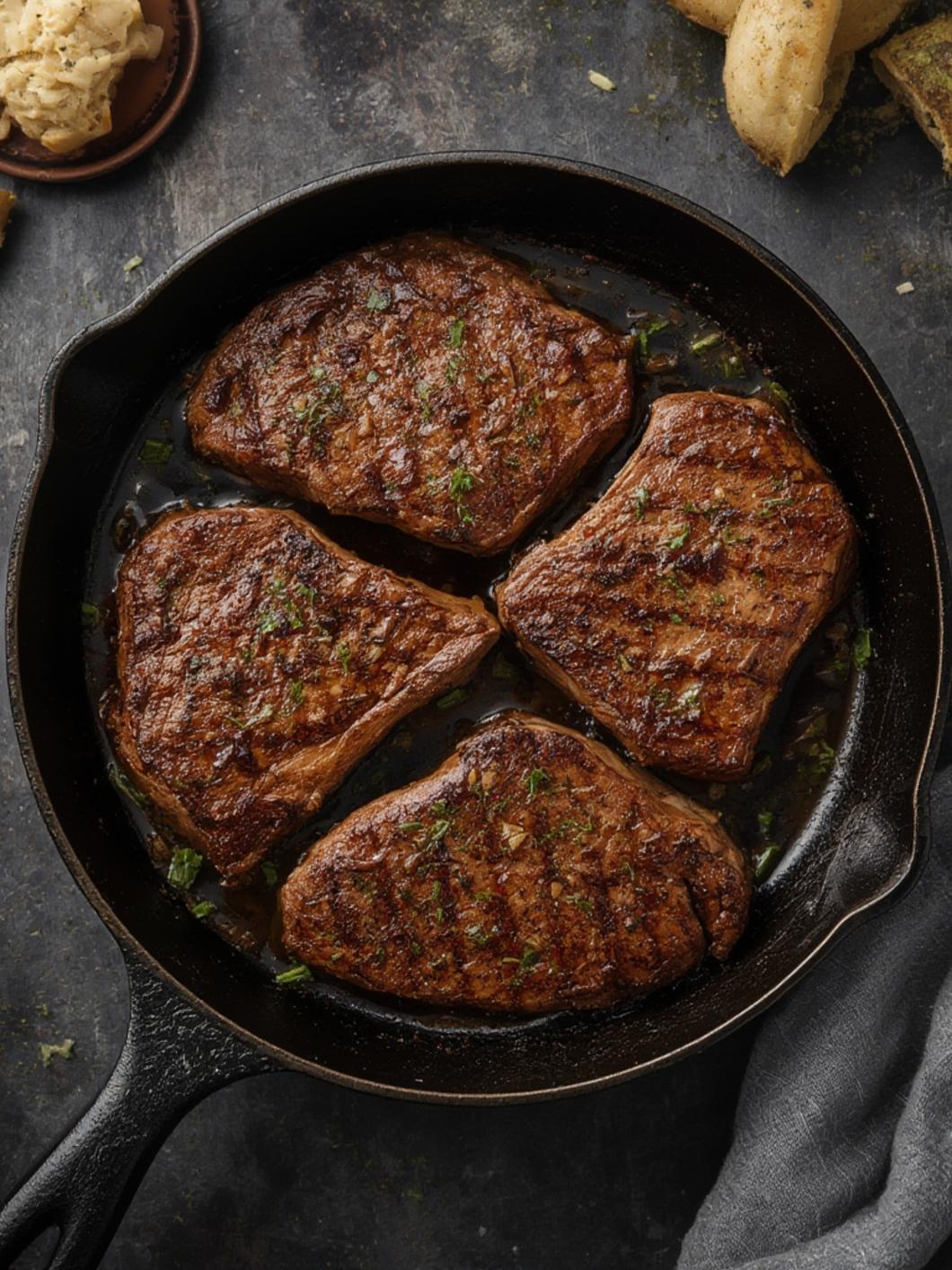
There’s something incredibly satisfying about the sizzle of a juicy steak hitting a hot surface in your own kitchen. When you cook a steak cast iron skillet style, you’re unlocking restaurant-quality results without leaving home. The beauty of this method lies in its simplicity and effectiveness—a properly heated cast iron pan creates the perfect environment for searing steak to develop a mouthwatering crust while maintaining a juicy, tender interior.
Thank you for reading this post, don't forget to subscribe!This technique gives you complete control over doneness, seasoning, and timing, making it ideal for special occasions or elevating an ordinary weeknight dinner. Even beginners can achieve impressive results with the right guidance and a quality cut of meat.
Ingredients List
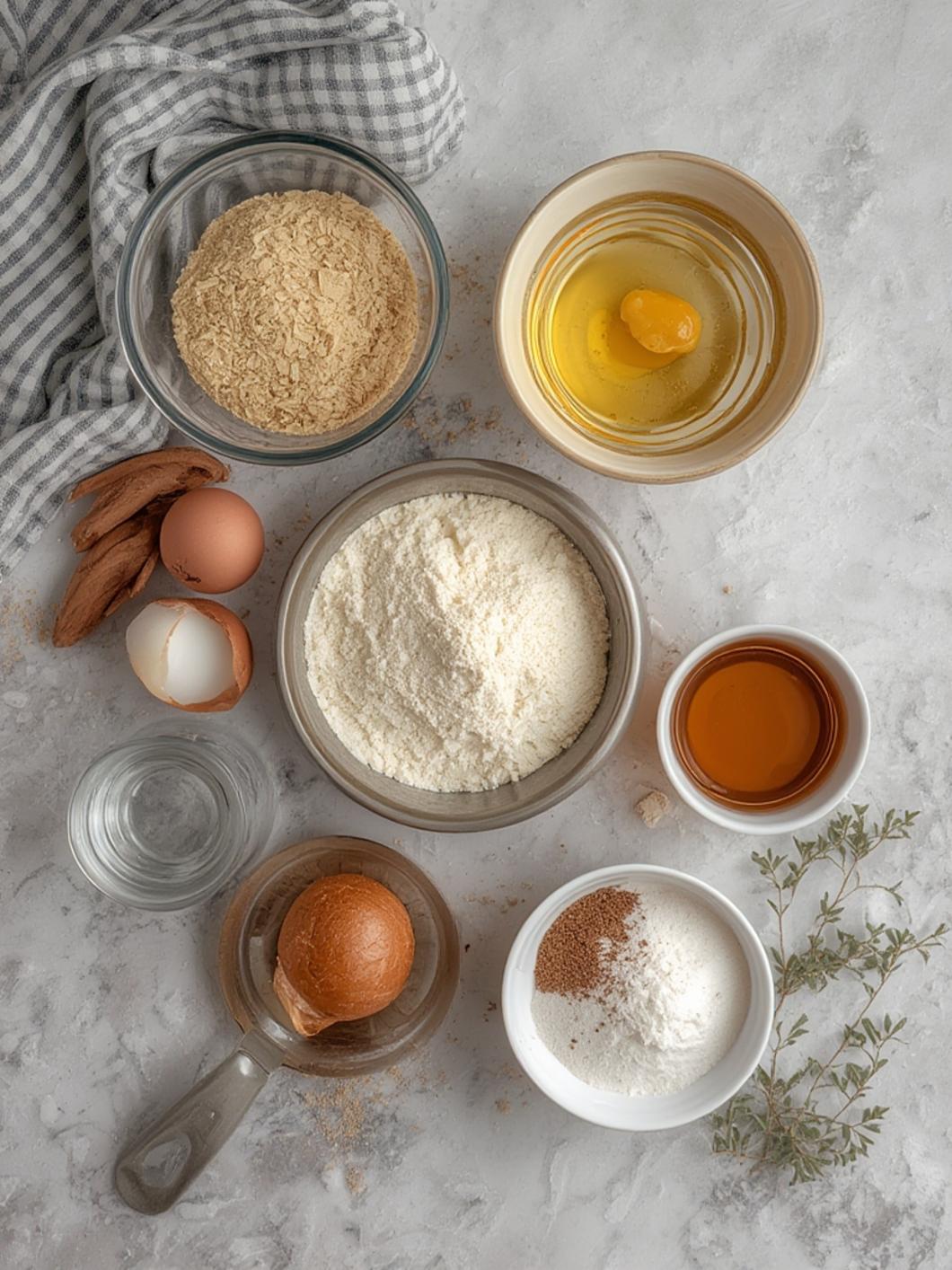
– 1 ribeye or New York strip steak (1½-2 inches thick, about 12-16 oz)
– 2 tablespoons vegetable oil or clarified butter
– 2 tablespoons unsalted butter
– 3 garlic cloves, smashed
– 2-3 sprigs fresh thyme or rosemary
– 1½ teaspoons kosher salt
– 1 teaspoon freshly ground black pepper
– ½ teaspoon garlic powder (optional)
Step-by-Step Instructions
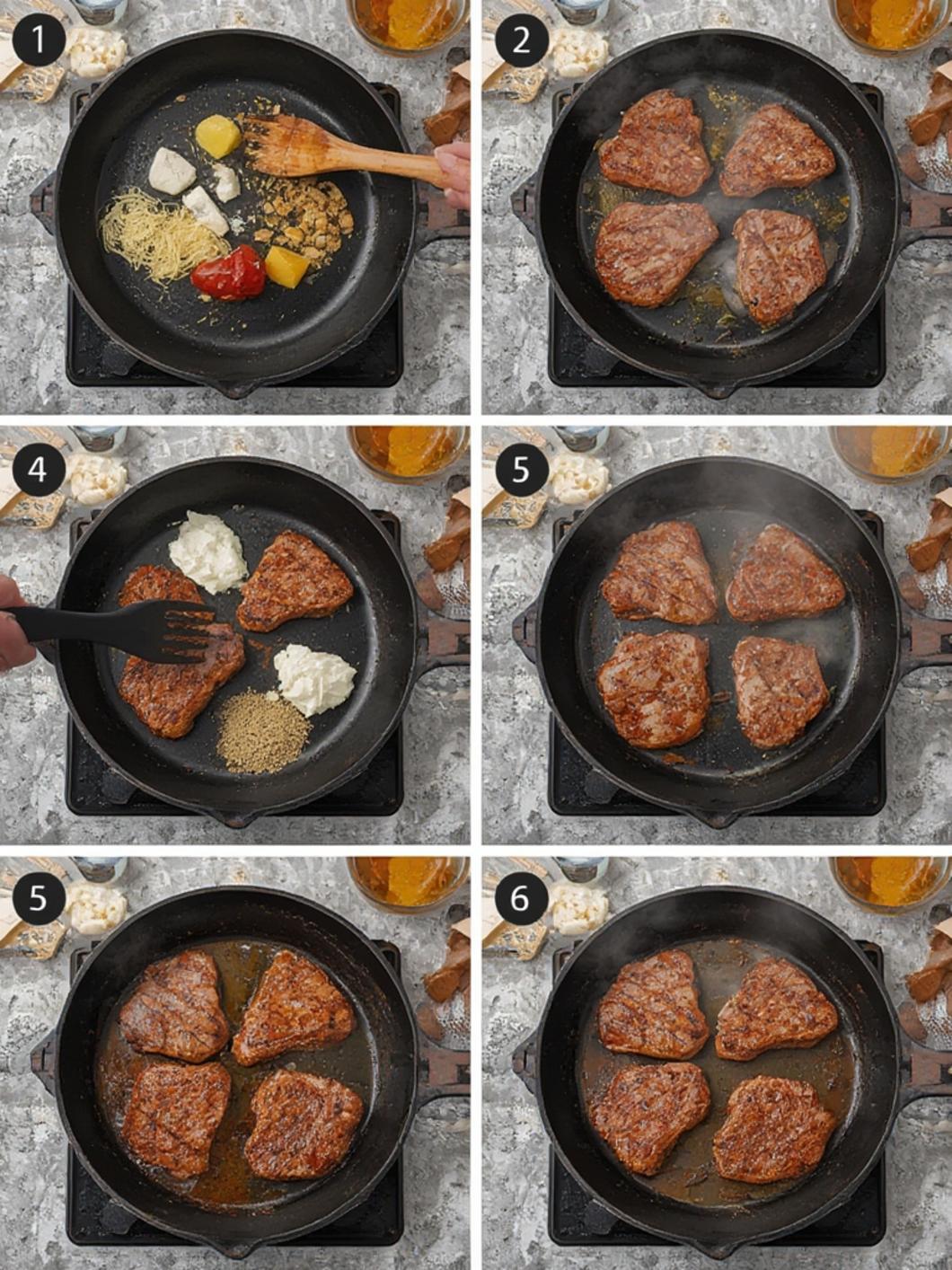
1. Remove the steak from the refrigerator 30-45 minutes before cooking to allow it to reach room temperature, which ensures even cooking.
2. Pat the steak completely dry with paper towels. Any excess moisture will prevent proper searing steak and could cause splattering when you cook a steak cast iron skillet method.
3. Season the steak generously on all sides with salt, pepper, and garlic powder (if using). Press the seasonings gently into the meat to help them adhere.
4. Place your cast iron skillet over high heat and allow it to become extremely hot, about 5-7 minutes. The pan should be smoking slightly.
5. Add vegetable oil or clarified butter to the hot pan and swirl to coat the surface evenly.
6. Carefully place the steak in the pan and let it cook undisturbed for 3-4 minutes until a deep brown crust forms.
7. Flip the steak using tongs (never pierce with a fork) and cook for an additional 3-4 minutes on the second side.
8. Reduce heat to medium-low, add the butter, garlic, and herb sprigs to the pan. As the butter melts, tilt the pan slightly and use a spoon to baste the steak with the flavored butter for about 1-2 minutes.
9. Check for doneness using an instant-read thermometer: 125°F for rare, 135°F for medium-rare, 145°F for medium, 155°F for medium-well, and 160°F+ for well-done.
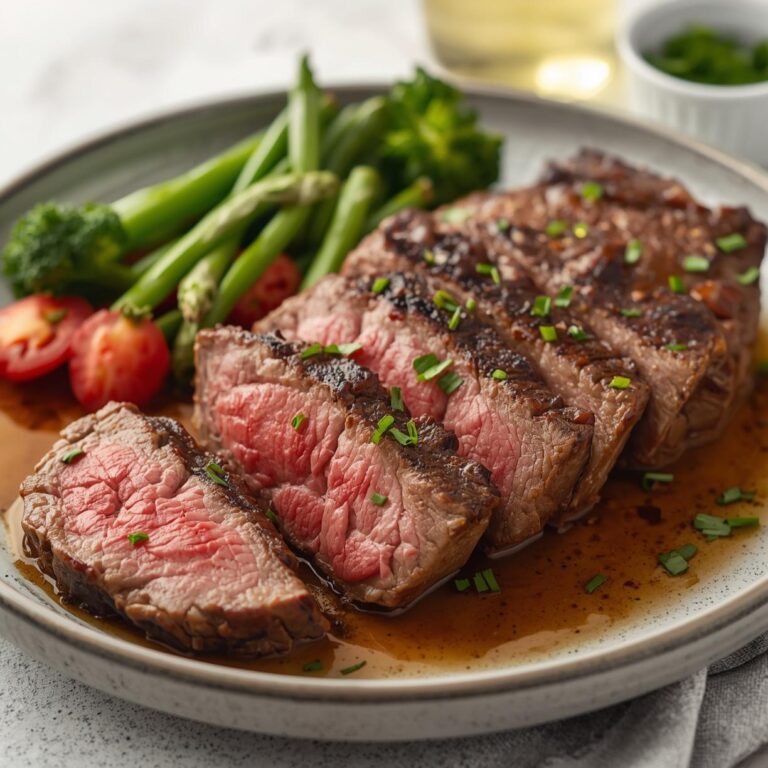
10. Transfer the steak to a cutting board and let it rest for 5-10 minutes before slicing to allow the juices to redistribute throughout the meat.
Preparation & Cooking Time
– Prep time: 5 minutes (plus 30-45 minutes for bringing steak to room temperature)
– Cooking time: 8-12 minutes (depending on thickness and desired doneness)
– Resting time: 5-10 minutes
– Total time: 50-70 minutes
– Servings: 1-2 people (depending on steak size and appetite)
Tips & Variations
– Choose the right steak: Ribeye, New York strip, and top sirloin work exceptionally well with the cast iron method due to their marbling and texture.
– Compound butter: Enhance flavor by topping the resting steak with a slice of homemade compound butter (mix softened butter with herbs, garlic, or blue cheese).
– Sauce options: Serve with béarnaise, peppercorn sauce, chimichurri, or a simple red wine reduction.
– Side dish pairings: Classic companions include roasted potatoes, creamed spinach, sautéed mushrooms, or a simple green salad.
– Reverse sear method: For very thick steaks (2+ inches), start in a 275°F oven until the internal temperature reaches 90-95°F, then finish with a hot sear in the cast iron skillet.
– Keto/low-carb adaptation: Skip any sauce with flour or sugar; focus on butter basting and herb infusions for flavor.
Common Mistakes to Avoid
– Cold steak: Starting with refrigerator-cold meat leads to uneven cooking with an overdone exterior and underdone center.
– Crowding the pan: Cook only one or two steaks at a time; overcrowding lowers the pan temperature and causes steaming instead of searing.
– Moving the steak too soon: Resist the urge to check or flip repeatedly. A properly searing steak will naturally release from the pan when ready.
– Under-seasoning: Steaks need generous seasoning as some falls off during cooking. Salt penetrates the meat while pepper and other spices create a flavorful crust.
– Cutting into the steak immediately: Skipping the resting period causes juices to flow out, resulting in a drier steak and wasted flavor.
– Using the wrong oil: Oils with low smoke points (like extra virgin olive oil) will burn at high temperatures needed for proper searing.
Storage & Reheating Tips
– Refrigerator storage: Wrap leftover steak tightly in plastic wrap or store in an airtight container for up to 3-4 days.
– Freezer storage: For longer storage, wrap steak portions individually in plastic wrap, then foil, and place in freezer bags for up to 3 months.
– Gentle reheating: To maintain texture and flavor, reheat steak in a 275°F oven until it reaches an internal temperature of 110-115°F (about 20-25 minutes).
– Quick reheating: For a faster option, slice the cold steak thinly and briefly warm in a skillet with a splash of beef broth to maintain moisture.
– Cold steak applications: Consider enjoying leftover steak cold in salads, sandwiches, or wraps to avoid the texture changes that come with reheating.
Conclusion
Mastering how to cook a steak cast iron skillet style is a culinary skill that pays dividends in satisfaction and flavor. The technique of searing steak to perfection creates an incredible dining experience that rivals expensive steakhouses, all from the comfort of your kitchen. With practice, you’ll develop an intuition for timing and temperature that makes this method second nature. We’d love to hear about your experiences with this recipe—whether you’re a cast iron cooking veteran or trying it for the first time. Share your results, questions, or personal variations in the comments below!
FAQs
Q: Can I use frozen steak with this method?
A: It’s not recommended. Always thaw your steak completely and bring it to room temperature before cooking for even results. Cooking frozen steak leads to an overdone exterior while the center remains undercooked.
Q: Which steaks work best in a cast iron skillet?
A: Steaks with good marbling like ribeye, New York strip, and top sirloin work exceptionally well. Thickness matters too—aim for cuts that are at least 1-1½ inches thick for best results.
Q: My kitchen gets smoky when searing steak. What can I do?
A: Some smoke is unavoidable with proper high-heat searing. Ensure good ventilation by turning on your range hood, opening windows, or using a fan. You can slightly reduce smoke by using oils with higher smoke points like avocado or grapeseed oil.
Q: How can I tell doneness without a meat thermometer?
A: The “finger test” is helpful: Touch your thumb to your index finger and press the fleshy part of your thumb—that firmness resembles rare steak. Middle finger is medium-rare, ring finger is medium, and pinky is well-done. Compare this to how your steak feels when pressed.
Q: Is it necessary to butter-baste the steak?
A: While not strictly necessary, butter basting adds tremendous flavor and helps achieve a beautiful crust. The infused butter with herbs and garlic creates an aromatic finish that elevates your steak from good to extraordinary.