How to Make Yuletide Camellia in 7 Simple Steps
Table of Contents
Growing the Beautiful Yuletide Camellia: A Complete Guide
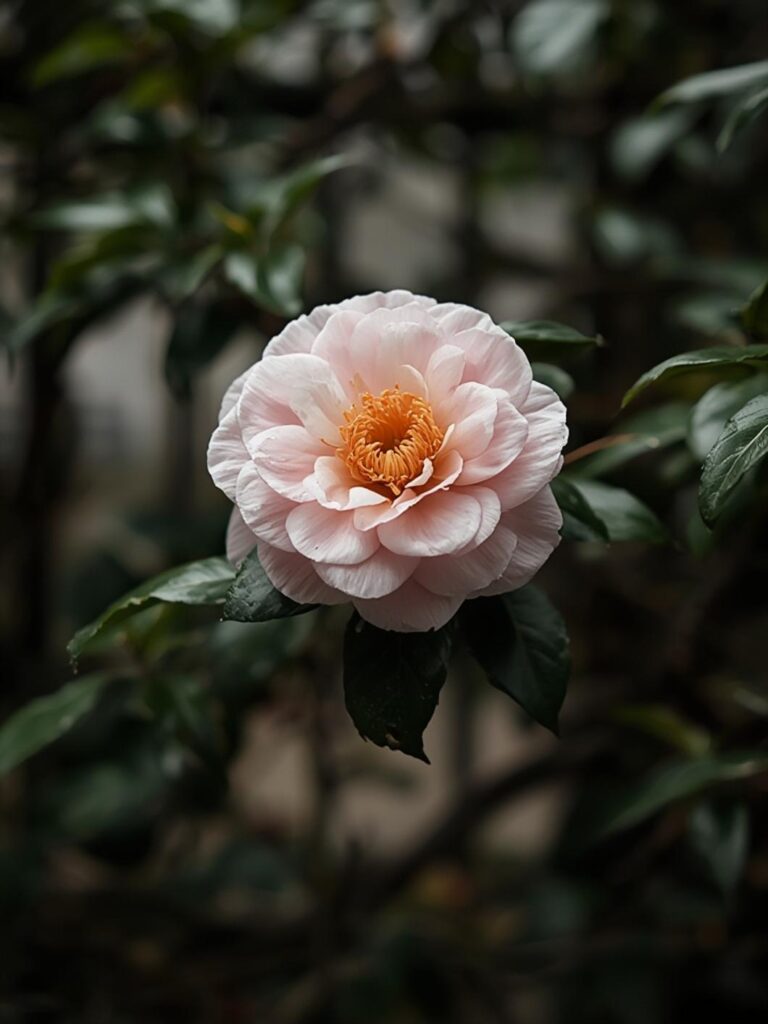
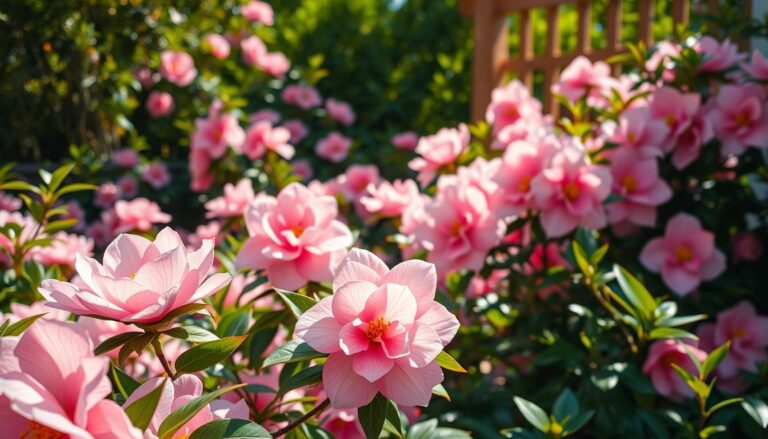
Have you ever dreamt of adding a splash of vibrant red to your winter garden? The yuletide camellia might be exactly what you’re looking for! This stunning evergreen shrub brings joy during the holiday season with its brilliant crimson blooms against glossy dark green foliage. The camellia sasanqua yuletide variety is particularly cherished for its ability to flower during winter months when most garden plants are dormant. Growing this seasonal beauty at home allows you to enjoy its festive appearance year after year, creating a living holiday tradition in your landscape.
Thank you for reading this post, don't forget to subscribe!Materials & Supplies
To successfully grow your own camellia, you’ll need:
– Young camellia plant or rooted cutting (preferably from a reputable nursery)
– Acidic potting mix or soil amendment (pH 5.5-6.5)
– Large container (if not planting in ground) with drainage holes
– Organic matter (compost, pine bark, or peat moss)
– Slow-release acidic fertilizer formulated for camellias or acid-loving plants
– Pruning shears (clean and sharp)
– Watering can or hose with gentle spray attachment
– Mulch (pine straw or bark works well)
– Optional: soil pH tester
– Optional: rain gauge to monitor watering needs
Timing / Growing Schedule
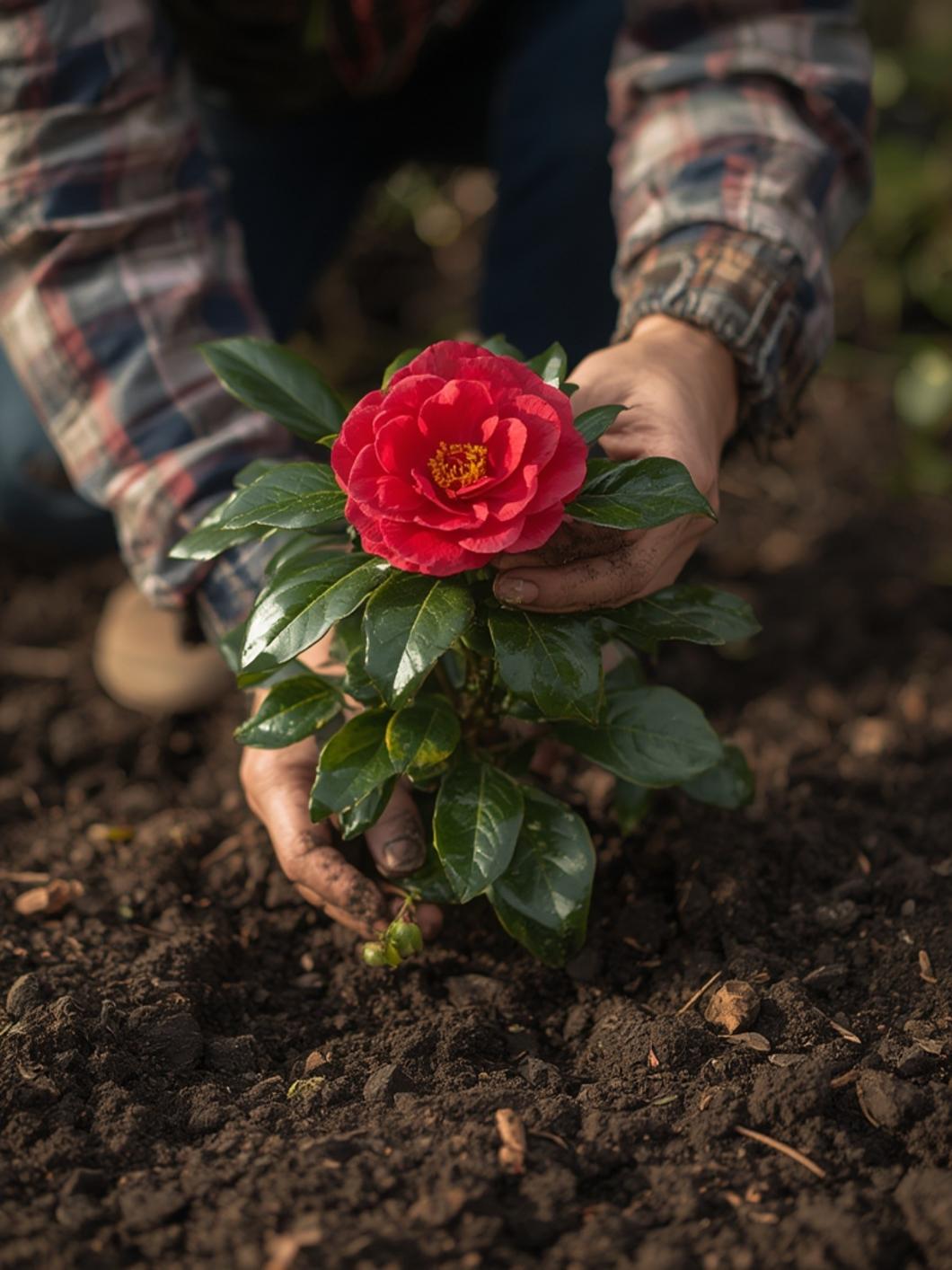
The optimal planting time for camellias is fall or early spring. When you plant a yuletide camellia, you’re beginning a long-term relationship, as these plants can live for decades! Here’s a timeline to expect:
– Planting to establishment: 6-12 months
– First blooms: Often 2-3 years after planting, depending on the age of your initial plant
– Blooming season: Typically November through January
– Growth rate: Slow to moderate, usually 6-12 inches per year
– Maturity: 10+ years to reach full size (6-10 feet tall and wide)
Unlike seasonal annuals, your camellia requires patience but rewards you with increasing beauty over many years.
Step-by-Step Instructions
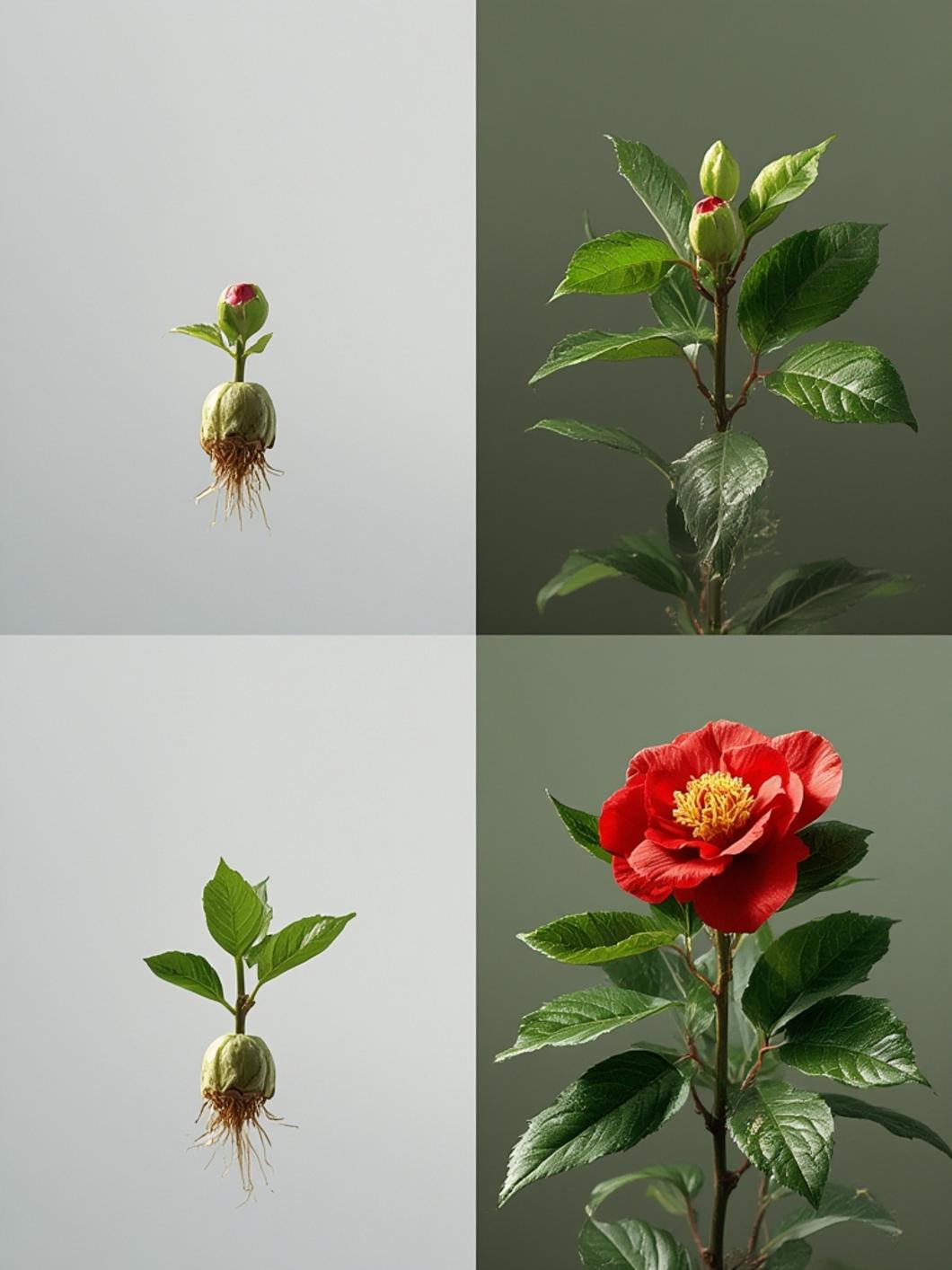
1. Select the perfect location: Choose a spot with morning sun and afternoon shade. The camellia sasanqua yuletide tolerates more sun than other camellia varieties but still appreciates protection from harsh afternoon rays.
2. Prepare the soil: Test and amend your soil to achieve the acidic pH these plants love. Mix in plenty of organic matter to improve drainage and moisture retention.
3. Dig an appropriate hole: Make it twice as wide as the root ball but no deeper. This encourages roots to spread outward rather than downward.
4. Plant carefully: Position the plant so the top of the root ball sits slightly above ground level. This prevents water from collecting around the trunk.
5. Backfill with care: Gently fill around the root ball with your amended soil, tamping lightly to remove air pockets without compacting.
6. Water thoroughly: Give your newly planted camellia a deep, slow watering to help settle the soil.
7. Apply mulch: Add 2-3 inches of mulch around the plant, keeping it a few inches away from the trunk to prevent rot.
8. Establish a watering schedule: Keep soil consistently moist but not soggy for the first year. Once established, water deeply when the top few inches of soil feel dry.
Nutritional Benefits / Advantages
While camellias aren’t edible plants, they offer numerous benefits:
– Air purification: Like many evergreens, they help clean the air in your garden
– Wildlife habitat: Provides shelter for birds and beneficial insects
– Psychological benefits: Winter-blooming plants like camellias have been shown to reduce seasonal depression
– Property value enhancement: Mature specimen plants can increase landscape appeal and property values
– Low maintenance: Once established, requires minimal care compared to many flowering shrubs
Tips, Alternative Methods, or Gardening Advice
– Container growing: Choose a pot at least 18 inches in diameter with excellent drainage. Use a high-quality acidic potting mix.
– Climate adaptations: In colder regions (USDA zones 6-7), plant near a south-facing wall for extra protection.
– Companion planting: Pair with other acid-loving plants like azaleas, rhododendrons, and Japanese maples.
– Indoor display: Cut blooms can last several days in shallow water as elegant holiday decorations.
– Propagation: Try rooting cuttings in summer from semi-hardwood growth for new plants.
Common Mistakes to Avoid
1. Planting too deeply: This common error can lead to rot and plant failure. Always plant with the root crown slightly above soil level.
2. Improper watering: Both overwatering and underwatering can stress camellias. Aim for consistently moist but not soggy soil.
3. Wrong timing for pruning: Pruning after buds have set will remove potential flowers. Prune immediately after flowering ends.
4. Using alkaline fertilizers: Regular garden fertilizers may raise soil pH above what camellias prefer, causing yellowing leaves.
5. Poor site selection: Planting in full sun or deep shade will result in poor performance and few flowers.
Storage / Maintenance Tips
– Watering: During drought periods, water deeply once a week. Established plants need about 1 inch of water weekly.
– Fertilizing: Apply acidic fertilizer after flowering ends in late winter. Follow package directions carefully.
– Pruning: Lightly shape after flowering finishes. Remove dead or crossing branches to improve air circulation.
– Pest monitoring: Check regularly for scale insects, spider mites, and aphids. Treat with horticultural oil if needed.
– Winter protection: Young plants may need protection in colder zones; consider burlap wrapping during extreme cold.
Conclusion
The magnificent yuletide camellia brings unparalleled beauty to winter gardens with its festive red blooms. While it requires some specific care, the rewards of growing this spectacular flowering evergreen far outweigh the effort. The camellia sasanqua yuletide has become a garden classic for good reason—its reliability, beauty, and perfect holiday timing make it an exceptional addition to any landscape. Why not start your own camellia journey this season? We’d love to hear about your experiences growing these beautiful plants—leave a comment below or check out our related posts on winter-flowering shrubs!
FAQs
How fast does a Yuletide camellia grow?
Yuletide camellias are moderate growers, typically adding 6-12 inches per year until reaching their mature size of 8-10 feet tall and 6-8 feet wide.
Can I grow Yuletide camellia in cold climates?
This variety is hardy in USDA zones 7-10. In zone 6, it can be grown with protection, such as planting near buildings or using winter coverings during extreme cold.
Why are my camellia buds dropping before opening?
Bud drop is often caused by drought stress, sudden temperature changes, or excessive nitrogen fertilizer. Consistent watering and proper feeding can prevent this issue.
How do I change the color of my camellia flowers?
Unlike hydrangeas, camellia flower colors cannot be changed by altering soil pH. The vibrant red color of Yuletide camellias is genetically determined and remains consistent.
When is the best time to transplant an established camellia?
Transplant during late fall or early spring when the plant is dormant but the ground isn’t frozen. Prepare the new site before disturbing the roots, and water thoroughly after replanting.