How to make Middlemist Red Camellia in 3 Steps
Table of Contents
How to Grow the Rare Middlemist Red Camellia: A Complete Guide
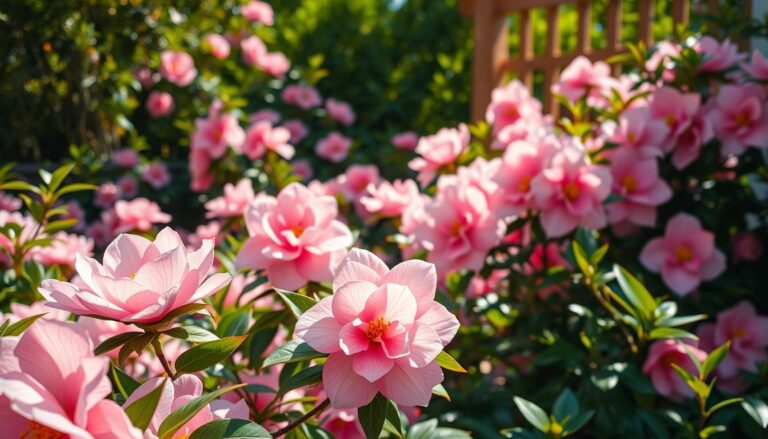
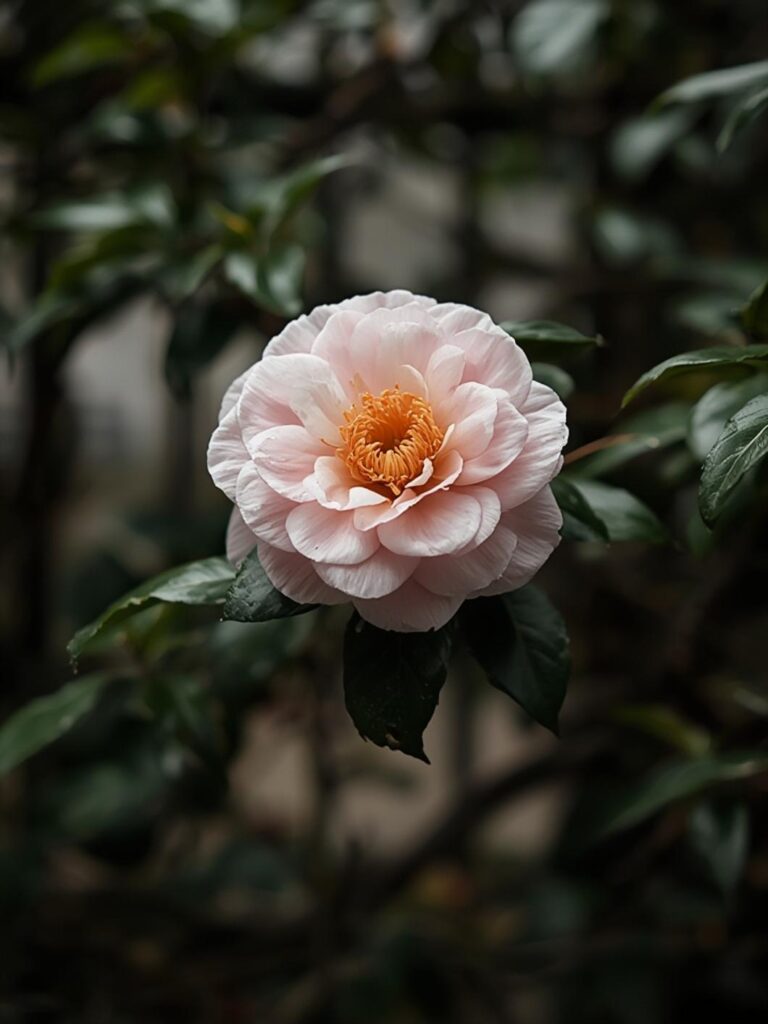
Have you ever dreamed of nurturing one of the world’s rarest flowering plants in your own garden? The middlemist red camellia represents the pinnacle of horticultural exclusivity, with only two known specimens existing in controlled environments today. This extraordinary flower, with its perfectly formed double blooms in a delicate pink hue (despite its “red” name), captivates plant enthusiasts worldwide. While truly authentic specimens remain elusive, cultivating similar camellia varieties can be deeply rewarding, especially when many endangered camellias need conservation efforts from dedicated gardeners like you.
Thank you for reading this post, don't forget to subscribe!Materials & Supplies
To begin your camellia cultivation journey, you’ll need:
1. Camellia Seeds or Young Plants: While genuine Middlemist specimens aren’t commercially available, similar varieties can be purchased from specialized nurseries.
2. Acidic Potting Soil: Camellias thrive in soil with a pH of 5.5-6.5.
3. Large Container or Garden Space: At least 16 inches in diameter if potting.
4. Slow-Release Acidic Fertilizer: Specially formulated for acid-loving plants.
5. Watering Can with Rain Attachment: For gentle watering.
6. Pruning Shears: High-quality, sharp tools for proper maintenance.
7. Mulch: Pine bark or similar acidic mulch.
8. pH Testing Kit: To monitor soil conditions.
9. Shade Cloth (optional): For protecting young plants from intense sun.
10. Rain Barrel (optional): Camellias prefer soft water.
Timing / Growing Schedule
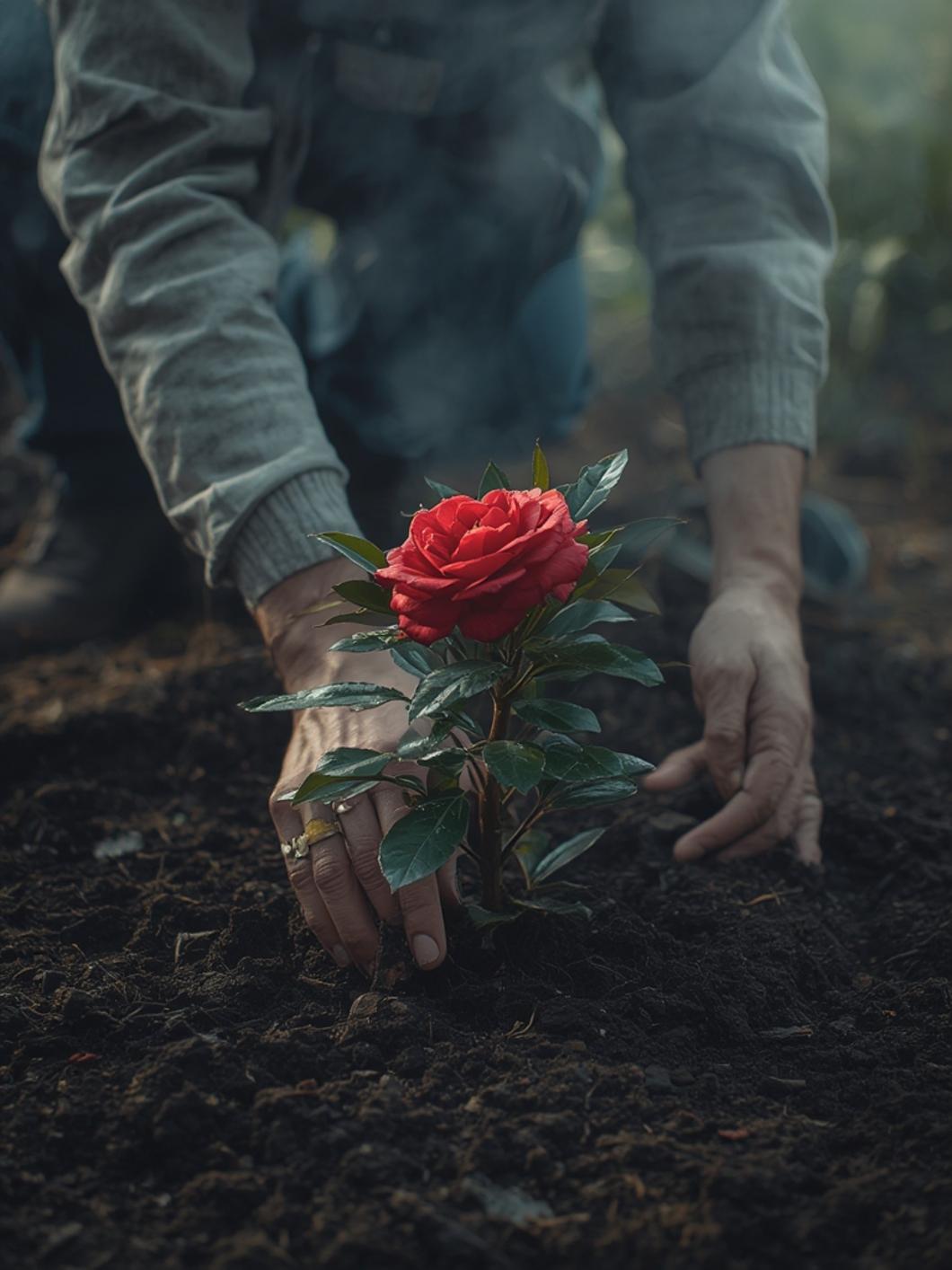
Camellias require patience and long-term commitment:
- Planting Time: Fall or early spring is ideal (avoid summer heat)
- Growth Rate: Slow to moderate; expect about 6-12 inches per year
- Maturation Period: 5-7 years before reaching full flowering potential
- Flowering Season: Typically winter to early spring, varying by variety
- Lifespan: With proper care, camellias can live for 50-150 years, making them true garden heirlooms
Unlike faster-growing ornamentals, camellias reward patience with decades of stunning blooms and increasing value as they mature.
Step-by-Step Instructions
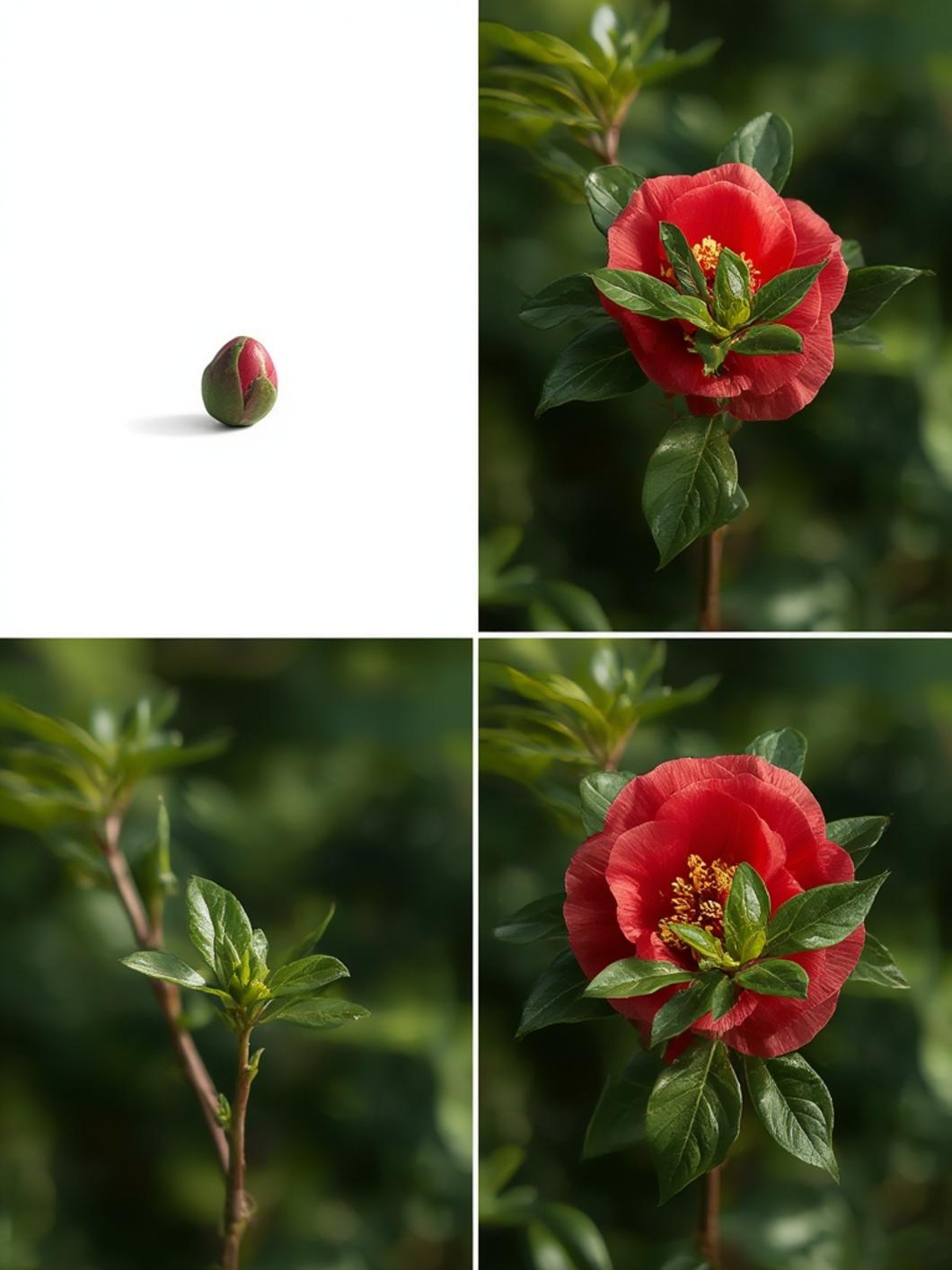
1. Select the Perfect Location
* Choose a spot with dappled sunlight or morning sun with afternoon shade
* Ensure protection from harsh winds and winter sun
* The middlemist red camellia and other endangered camellias prefer locations that mimic their native forest understory habitats
2. Prepare the Soil Thoroughly
* Test soil pH and amend to achieve 5.5-6.5
* Mix existing soil with acidic potting mix and organic matter
* Ensure excellent drainage by incorporating perlite if needed
3. Plant with Care
* Dig a hole twice as wide as the root ball and equally deep
* Position the plant so the root crown sits slightly above soil level
* Backfill carefully, firming but not compacting the soil
4. Establish a Watering Routine
* Keep consistently moist but never soggy for the first year
* Water deeply once weekly rather than frequent shallow watering
* Apply water at the base to avoid wetting foliage
5. Apply Mulch Appropriately
* Spread 2-3 inches of pine bark or acidic mulch
* Keep mulch 2 inches away from the stem to prevent rot
* Refresh annually in spring
6. Fertilize Strategically
* Apply camellia-specific fertilizer after flowering ends
* Follow with a second light application in mid-summer
* Avoid fertilizing after August to prevent tender new growth before winter
Nutritional Benefits / Advantages
While not typically grown for consumption, camellias offer remarkable benefits:
- Air Purification: Their abundant foliage excels at filtering pollutants
- Carbon Sequestration: Long-lived specimens capture carbon for decades
- Biodiversity Support: Provides habitat and food for beneficial insects
- Therapeutic Value: The process of nurturing rare plants reduces stress and anxiety
- Heritage Preservation: Growing rare camellia varieties contributes to botanical conservation
- Property Value: Mature specimen camellias can significantly enhance landscape value
Tips, Alternative Methods, or Gardening Advice
- Container Growing: Use large pots (minimum 18 inches) with excellent drainage for patio cultivation
- Indoor Care: Place in bright, indirect light and maintain high humidity for temporary indoor display during blooming
- Cold Climate Protection: Wrap with burlap and apply extra mulch in zones 6 and below
- Companion Planting: Pair with ferns, hostas, and other shade-loving perennials
- Propagation: Try air-layering rather than cuttings for better success rates
- Natural Pest Control: Introduce beneficial nematodes to soil to control root-damaging insects
Common Mistakes to Avoid
1. Improper Planting Depth: Setting camellias too deep leads to stem rot and eventual death
2. Overwatering: Waterlogged soil quickly kills camellias; ensure excellent drainage
3. Wrong Soil pH: Using alkaline soil or tap water high in calcium will cause yellowing leaves and poor growth
4. Excessive Pruning: Heavy pruning removes next year’s flower buds; prune minimally right after flowering
5. Sun Exposure: Too much direct sunlight burns foliage and reduces flowering
6. Inconsistent Watering: Drought stress during bud formation leads to bud drop before opening
Storage / Maintenance Tips
- Seasonal Pruning: Shape and thin only after flowering completes
- Pest Monitoring: Regularly check for scale insects and treat promptly with horticultural oil
- Winter Protection: Apply extra mulch before first freeze in borderline hardiness zones
- Flower Preservation: Cut blooms can be floated in shallow water for indoor display
- Soil Maintenance: Test pH annually and amend as needed with sulfur products
- Container Repotting: Repot container specimens every 3-4 years in early spring
Conclusion
Growing the middlemist red camellia or similar rare varieties offers a unique connection to horticultural history and conservation. Though challenging, the rewards of nurturing these living treasures extend far beyond their magnificent blooms. Your gardening efforts directly contribute to preserving botanical diversity, especially when focusing on endangered camellias that might otherwise disappear from cultivation. Start your camellia journey today, and join a worldwide community dedicated to protecting these irreplaceable living jewels for future generations.
FAQs
How can I tell if my camellia is suffering from nutrient deficiency?
Yellow leaves with green veins typically indicate iron deficiency due to high soil pH. Apply an acidifying fertilizer and iron supplements specifically formulated for acid-loving plants.
Why are my camellia buds dropping before opening?
Bud drop commonly results from environmental stress, particularly drought during bud formation or sudden temperature fluctuations. Maintain consistent soil moisture and protect plants from cold, drying winds.
Can camellias be grown from seeds?
Yes, but camellia seeds take 1-3 months to germinate and 5-7 years to produce flowers. Additionally, seedlings won’t possess the exact characteristics of the parent plant, making this method impractical for preserving specific varieties.
How do I protect my camellia from frost damage?
Cover plants with frost cloth (not plastic) when temperatures drop below 25°F (-4°C), especially when buds or flowers are present. Place mulch over the root zone and avoid fertilizing late in the growing season to prevent tender new growth.
Is it normal for camellias to drop their leaves in spring?
Yes, camellias naturally shed older leaves in spring as new growth emerges. Excessive leaf drop or yellowing throughout the plant, however, may indicate issues with watering, drainage, or pest problems that require attention.