How to Make Recipe Dry Brine for Turkey in 24h
Table of Contents
The Perfect Turkey Dry Brine Recipe: A Foolproof Method for Juicy Results
Have you ever struggled with dry, flavorless turkey at your holiday gathering? You’re not alone. The secret to a moist, flavorful bird might be simpler than you think. Using a recipe dry brine for turkey is a game-changer that requires minimal effort but delivers maximum flavor. Unlike wet brining, which can be messy and requires large containers, a dry brine salt mixture for turkey penetrates the meat deeply while keeping the skin perfectly crisp when roasted. Let’s explore this simple yet transformative technique that will elevate your turkey to restaurant-quality status.
Thank you for reading this post, don't forget to subscribe!Ingredients List
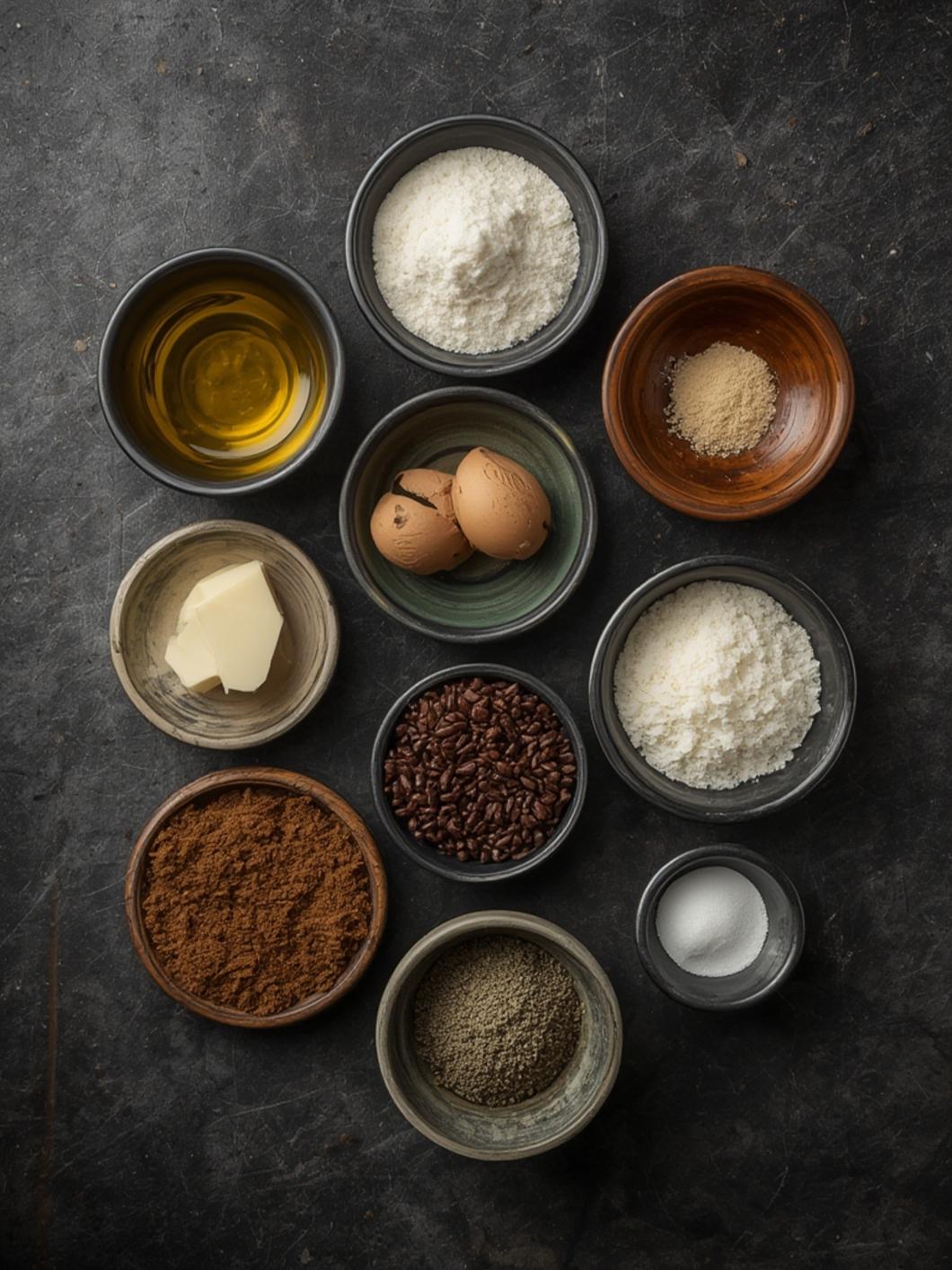
– 3 tablespoons kosher salt (Diamond Crystal recommended; use half if using Morton’s)
– 1½ tablespoons brown sugar
– 1 tablespoon dried herbs (combination of thyme, rosemary, and sage)
– 2 teaspoons black pepper, freshly ground
– 1 teaspoon garlic powder
– 1 teaspoon onion powder
– 1 teaspoon paprika
– ½ teaspoon dried citrus zest (optional)
– One 12-16 pound turkey, thawed if frozen
– 2 tablespoons unsalted butter, softened (for finishing)
Timing / Cooking Schedule
– Prep time: 15 minutes
– Brining time: 24-72 hours (ideally 48 hours)
– Air-drying time: 8-24 hours (optional but recommended)
– Roasting time: Approximately 13 minutes per pound
– Total time: 2-4 days (including brining and resting)
Step-by-Step Instructions
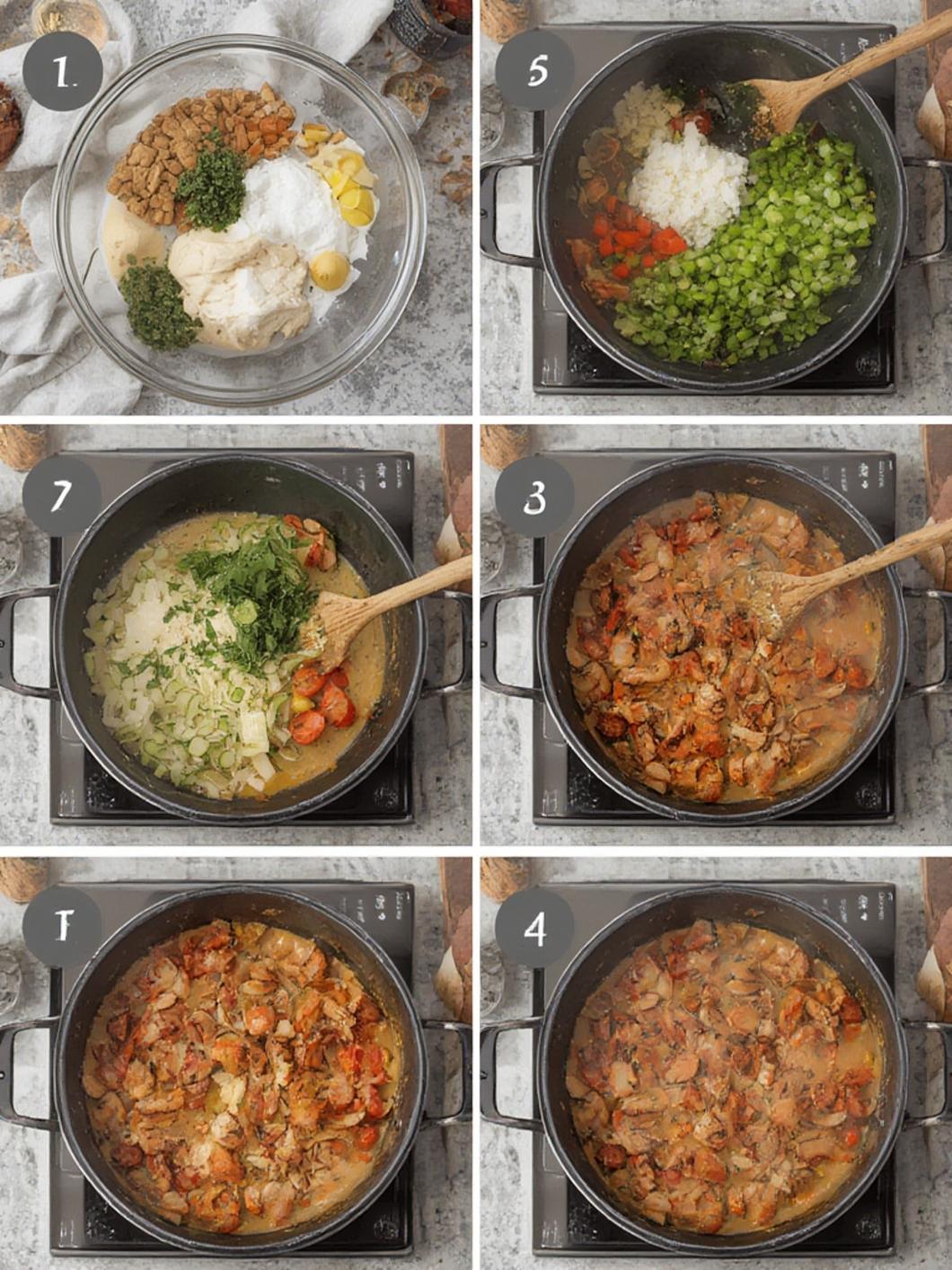
1. Prepare your turkey: Remove giblets and neck from the cavity. Pat the turkey dry with paper towels. This crucial step ensures the recipe dry brine for turkey adheres properly to the skin.
2. Mix the brine: In a small bowl, combine salt, brown sugar, herbs, and spices to create your dry brine salt mixture for turkey. Breaking up any clumps with your fingers ensures even distribution.
3. Apply the brine: Sprinkle the mixture generously over the entire turkey, focusing on the thicker parts like breasts and thighs. Use approximately 1 tablespoon per every 4 pounds of turkey. Don’t worry if it seems like too little—a little salt goes a long way!
4. Refrigerate: Place the turkey on a rimmed baking sheet or roasting pan and refrigerate, uncovered, for at least 24 hours and up to 72 hours. The longer it brines, the more flavorful it becomes.
5. Air-dry (optional): For extra-crispy skin, leave the brined turkey uncovered in the refrigerator for an additional 8-24 hours before cooking.
6. Prepare for roasting: When ready to cook, there’s no need to rinse off the brine. Simply pat the turkey dry if it appears moist, then proceed with your preferred roasting method.
Nutritional Benefits / Advantages
A properly brined turkey retains more moisture during cooking, resulting in juicier meat with enhanced flavor. The process doesn’t significantly alter the nutritional profile of the turkey itself, which provides:
– High-quality protein (approximately 29g per 3oz serving)
– B vitamins, especially niacin and B6
– Minerals including zinc, selenium, and phosphorus
– Lower fat content in white meat portions
– No added liquid weight that commercial brined turkeys often contain
Tips, Alternative Methods, or Cooking Advice
– For a citrus variation, add orange or lemon zest to your brine mixture
– Herbaceous option: Double the herbs and add fresh ones under the skin before roasting
– Spicy twist: Add cayenne or red pepper flakes to your brine for a subtle heat
– Sugar-free version: Omit the brown sugar entirely—the salt is the essential component
– For smaller turkeys or turkey breasts, reduce the brining time to 24-36 hours
Common Mistakes to Avoid
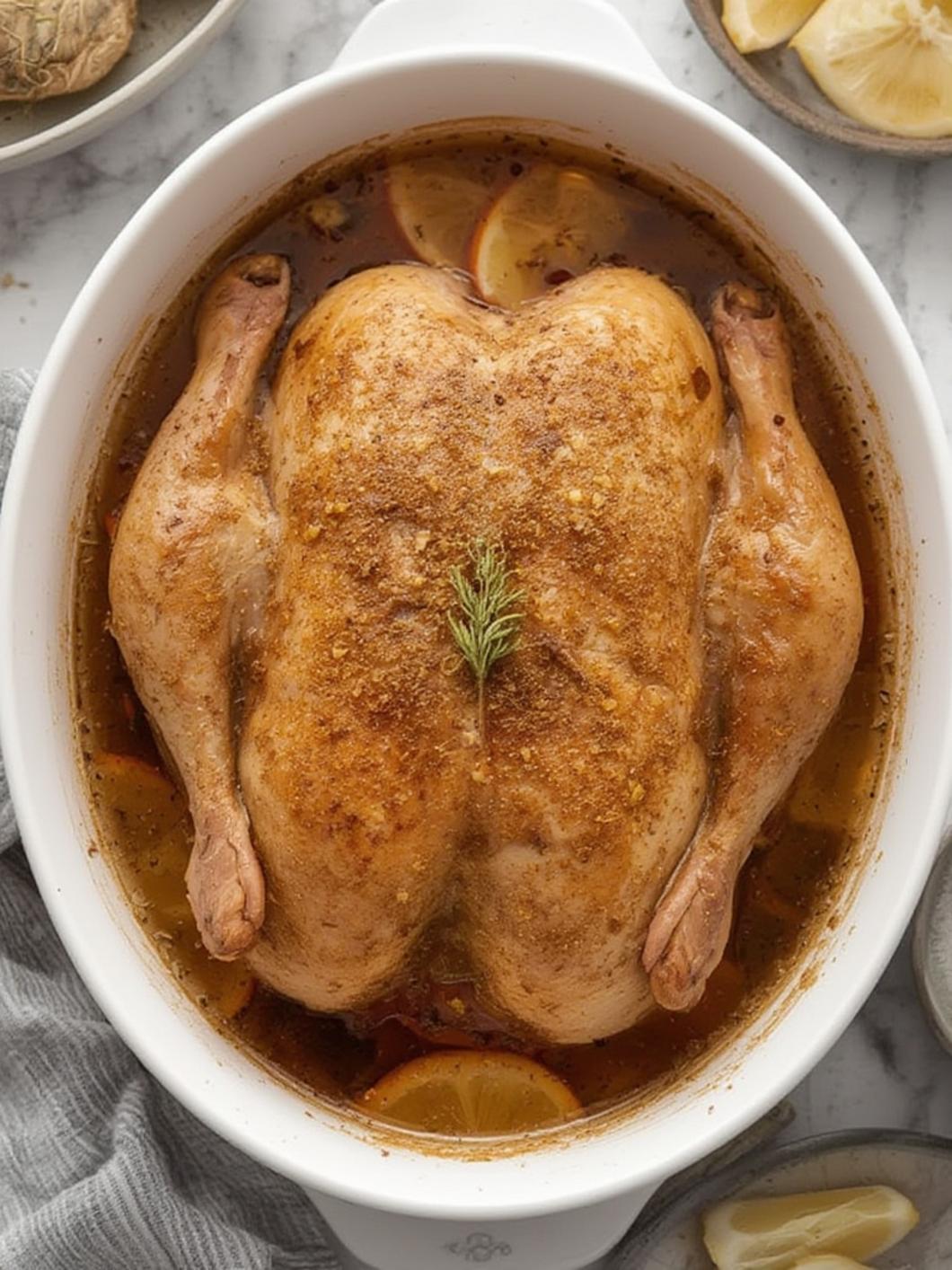
1. Using table salt: Regular table salt is too fine and will make your turkey too salty. Always use kosher salt for dry brining.
2. Brining a pre-seasoned turkey: Many store-bought turkeys are already injected with salt solutions. Check the label and reduce your brine salt if the turkey is pre-seasoned.
3. Covering during brining: Keeping the turkey uncovered allows moisture to evaporate, concentrating flavors and helping achieve crispy skin.
4. Rinsing after brining: This washes away surface flavor and creates food safety issues with splashing. Simply pat dry if needed.
Storage / Maintenance Tips
– Leftover brined turkey stays moist longer than non-brined turkey
– Refrigerate leftovers within two hours of serving
– Store in shallow, airtight containers for up to 4 days
– Freeze portions in freezer-safe containers for up to 3 months
– For best reheating results, add a splash of broth and cover loosely with foil
Conclusion
Mastering the recipe dry brine for turkey will transform your holiday meals forever. The beauty of this method lies in its simplicity—just a dry brine salt mixture for turkey and some patience yield spectacular results that will have guests raving. The technique requires minimal hands-on time but delivers restaurant-quality results anyone can achieve. Try this method for your next holiday gathering, and you’ll never return to traditional roasting methods again. Share your results and custom brine variations in the comments below!
FAQs
Can I dry brine a frozen turkey?
No, your turkey must be completely thawed before dry brining. The salt can’t penetrate frozen meat effectively.
How much salt should I use per pound of turkey?
As a general rule, use about ¾ teaspoon of kosher salt per pound of turkey. For a 16-pound turkey, that’s about 3 tablespoons.
Can I still stuff a dry-brined turkey?
Yes, but the stuffing will absorb some salt from the cavity. Consider using less salt in your stuffing recipe accordingly.
Will dry brining make my turkey too salty?
Not if done correctly. The salt redistributes throughout the meat rather than concentrating on the surface. Just don’t use additional salt in your seasoning before roasting.
Can I use the drippings from a dry-brined turkey for gravy?
Absolutely! The drippings may be slightly saltier, so taste before adding any additional salt to your gravy.