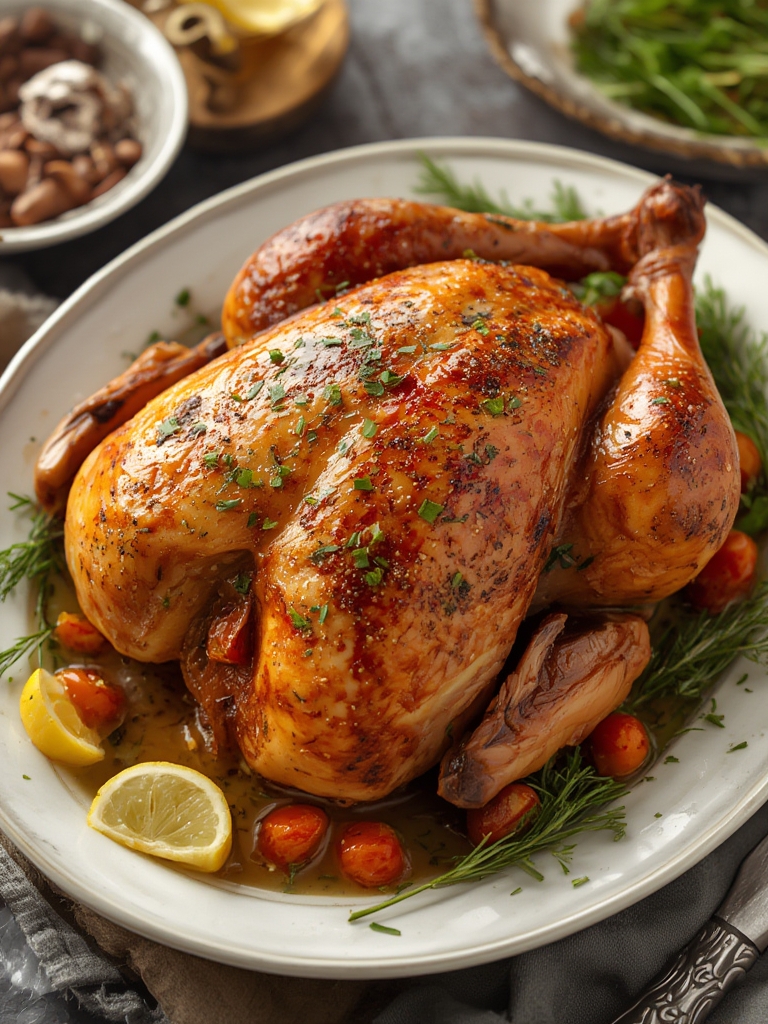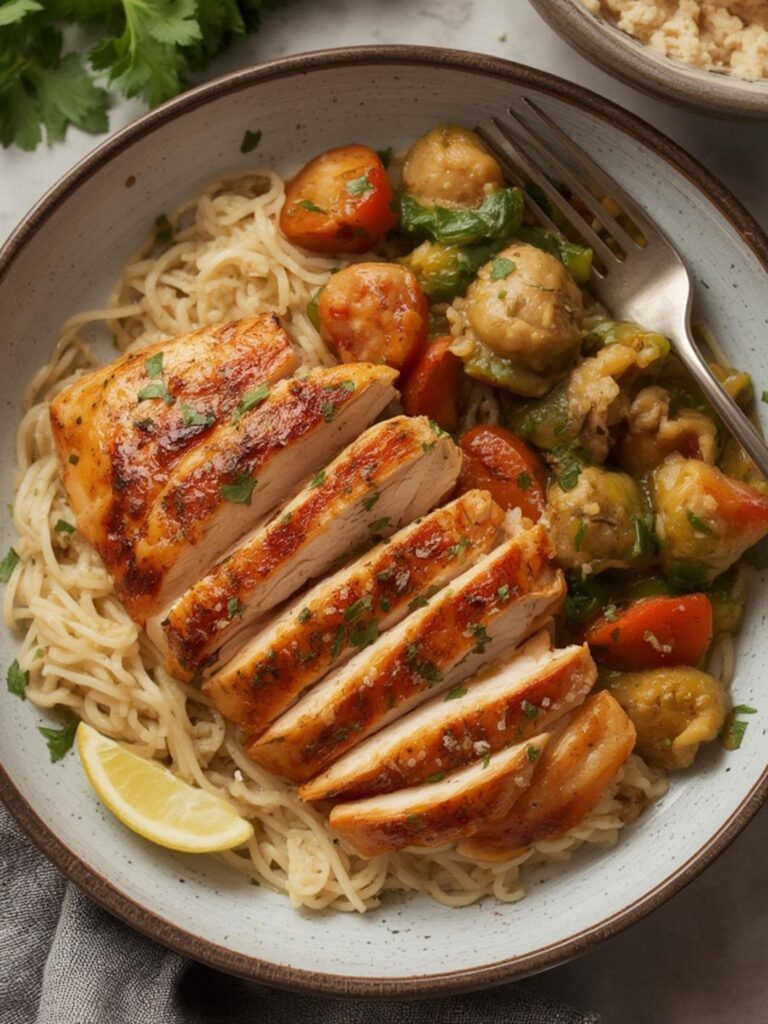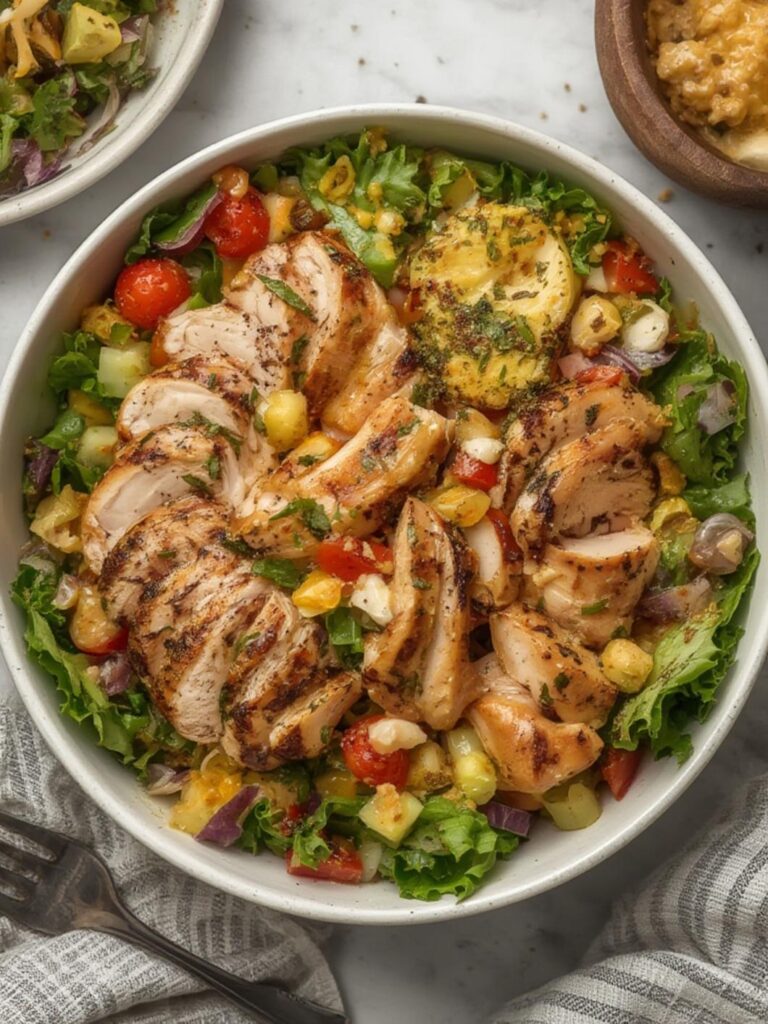
Quick way to make chicken adobo recipe in 5 steps
Table of Contents
The Perfect Chicken Adobo: A Traditional Filipino Delight
Simmered in a tangy marinade of vinegar, soy sauce, and aromatic spices, the chicken adobo recipe is a cornerstone of Philippine cuisine that brings a perfect balance of savory, tangy, and slightly sweet flavors to your dinner table. This one-pot wonder has earned international acclaim for its remarkable depth of flavor despite its surprisingly simple preparation.
Thank you for reading this post, don't forget to subscribe!What makes filipino chicken adobo so special is the magical transformation that happens when chicken slowly cooks in its distinctive marinade, resulting in tender meat that falls off the bone and a sauce so delicious you’ll want to drizzle it over rice again and again. Whether you’re new to Filipino cooking or looking to perfect your version of this beloved classic, this recipe promises an authentic taste of the Philippines with ingredients you likely already have in your pantry.
Ingredients List
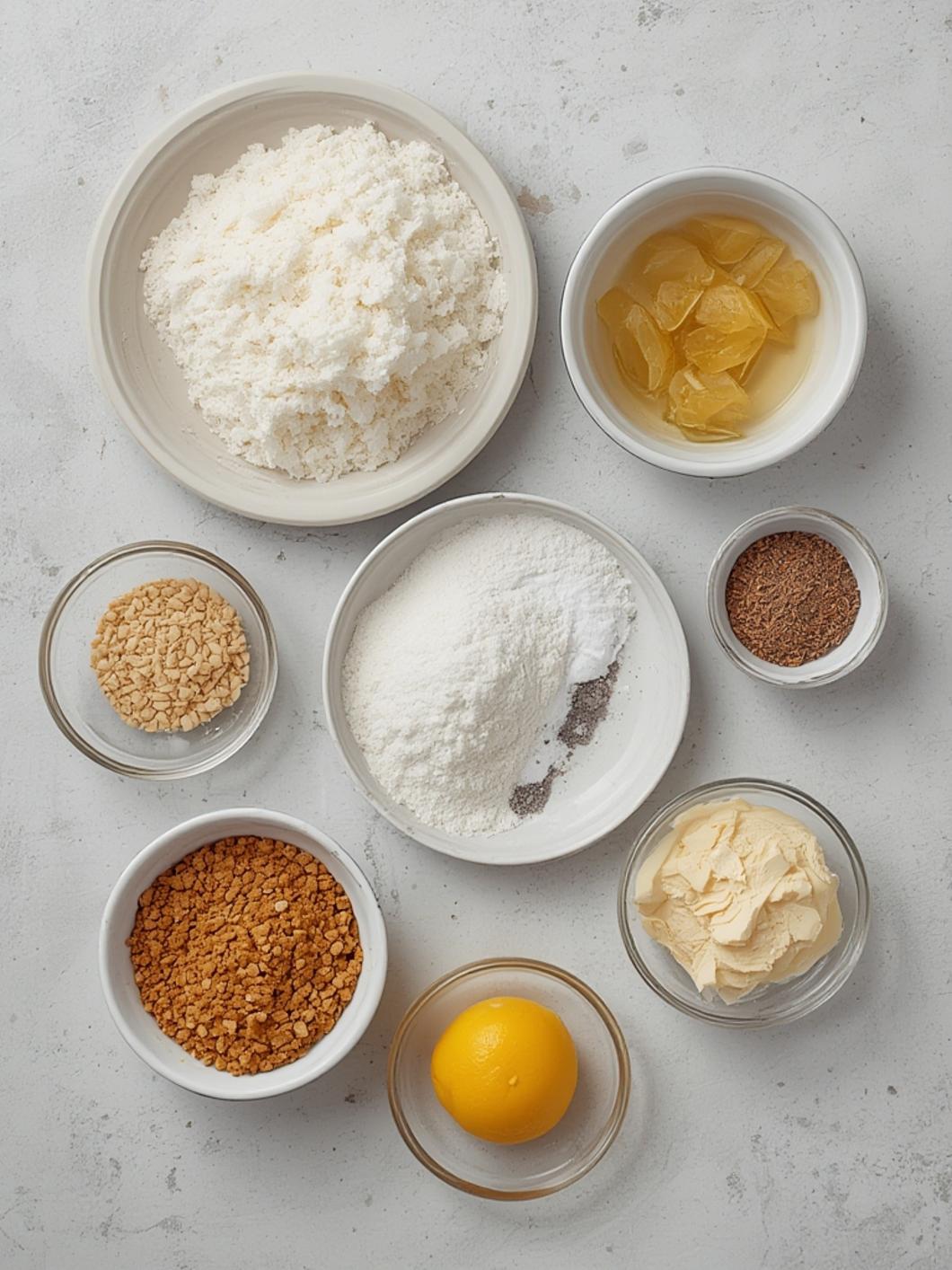
- 2 pounds (about 1 kg) chicken pieces, preferably thighs and drumsticks with skin on
- 1/2 cup white vinegar
- 1/3 cup soy sauce (traditional Filipino soy sauce preferred, but regular works too)
- 8 cloves garlic, crushed
- 2 bay leaves
- 1 tablespoon whole black peppercorns
- 3 tablespoons vegetable oil
- 2 tablespoons brown sugar (optional, for slight sweetness)
- 1/4 cup water
- 2 green onions, chopped (for garnish)
- Steamed white rice, for serving
Optional substitutions:
- Apple cider vinegar can replace white vinegar for a milder taste
- Boneless, skinless chicken pieces can be used, though the result will be less rich
- Coconut milk (1/4 cup) can be added for a creamier variation
- Add 1 sliced onion for more depth of flavor
Step-by-Step Instructions
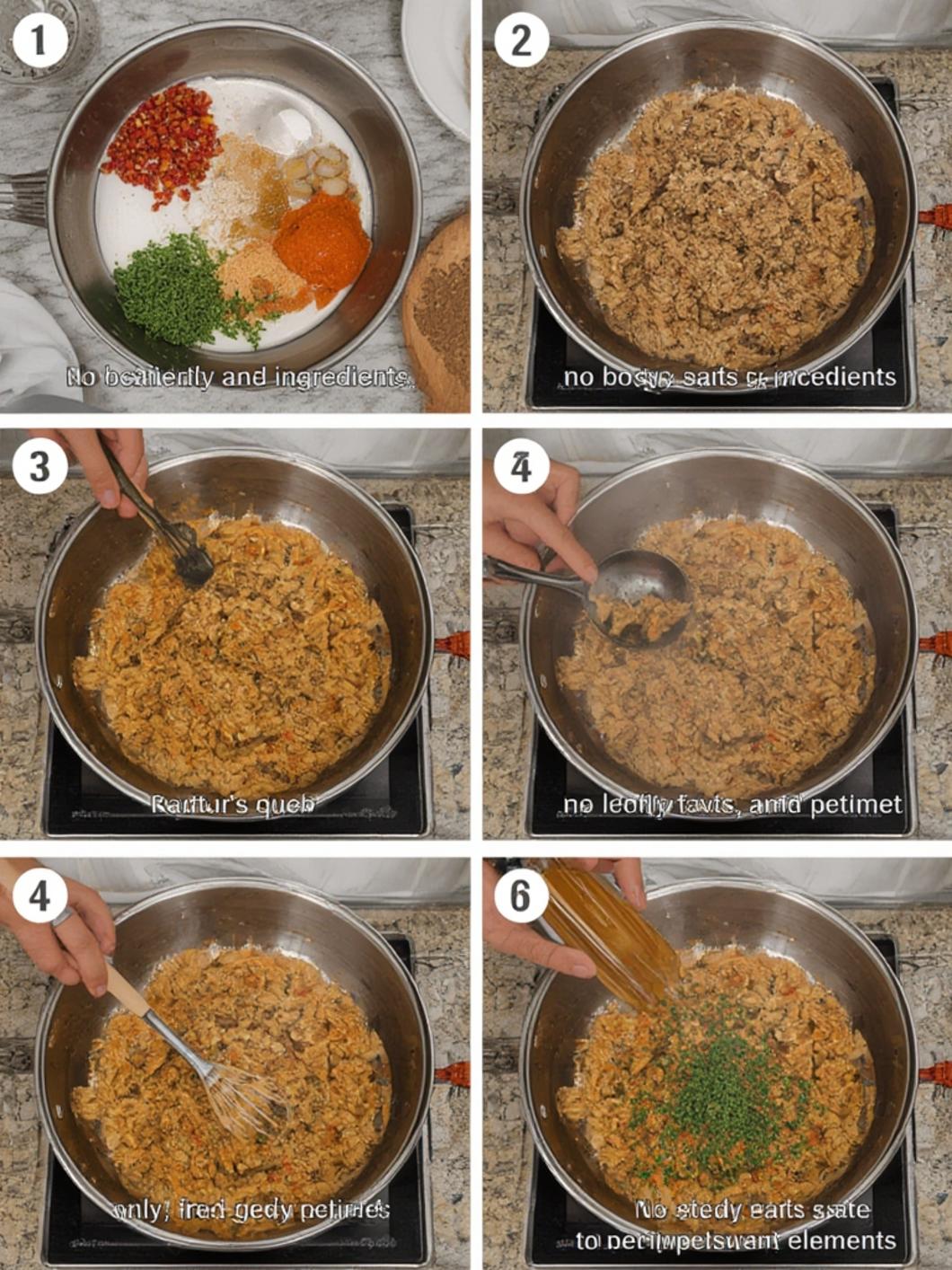
1. Prepare the chicken: Clean and pat dry your chicken pieces. If you’re using larger pieces, you may score them lightly to allow the marinade to penetrate more deeply.
2. Make the marinade: In a large bowl, combine the vinegar, soy sauce, crushed garlic, black peppercorns, and bay leaves. Stir well to mix all ingredients evenly.
3. Marinate the chicken: Add the chicken pieces to the marinade, making sure each piece is well-coated. Cover the bowl and refrigerate for at least 30 minutes, though overnight marination will yield the most flavorful chicken adobo recipe that authentic filipino chicken adobo is known for.
4. Prepare for cooking: Remove the marinated chicken from the refrigerator and allow it to come to room temperature for about 15 minutes.
5. Begin cooking: Heat the vegetable oil in a large, deep skillet or Dutch oven over medium-high heat. Remove the chicken pieces from the marinade (but save the marinade!) and brown them in the hot oil for about 2-3 minutes per side.
6. Simmer: Pour the reserved marinade over the chicken. Add water and brown sugar (if using). Bring to a boil, then reduce heat to low, cover, and simmer for 30-35 minutes until the chicken is very tender.
7. Reduce the sauce: Remove the lid and increase heat to medium. Allow the sauce to reduce and thicken slightly, about 5-10 minutes more. The chicken will take on a beautiful glazed appearance.
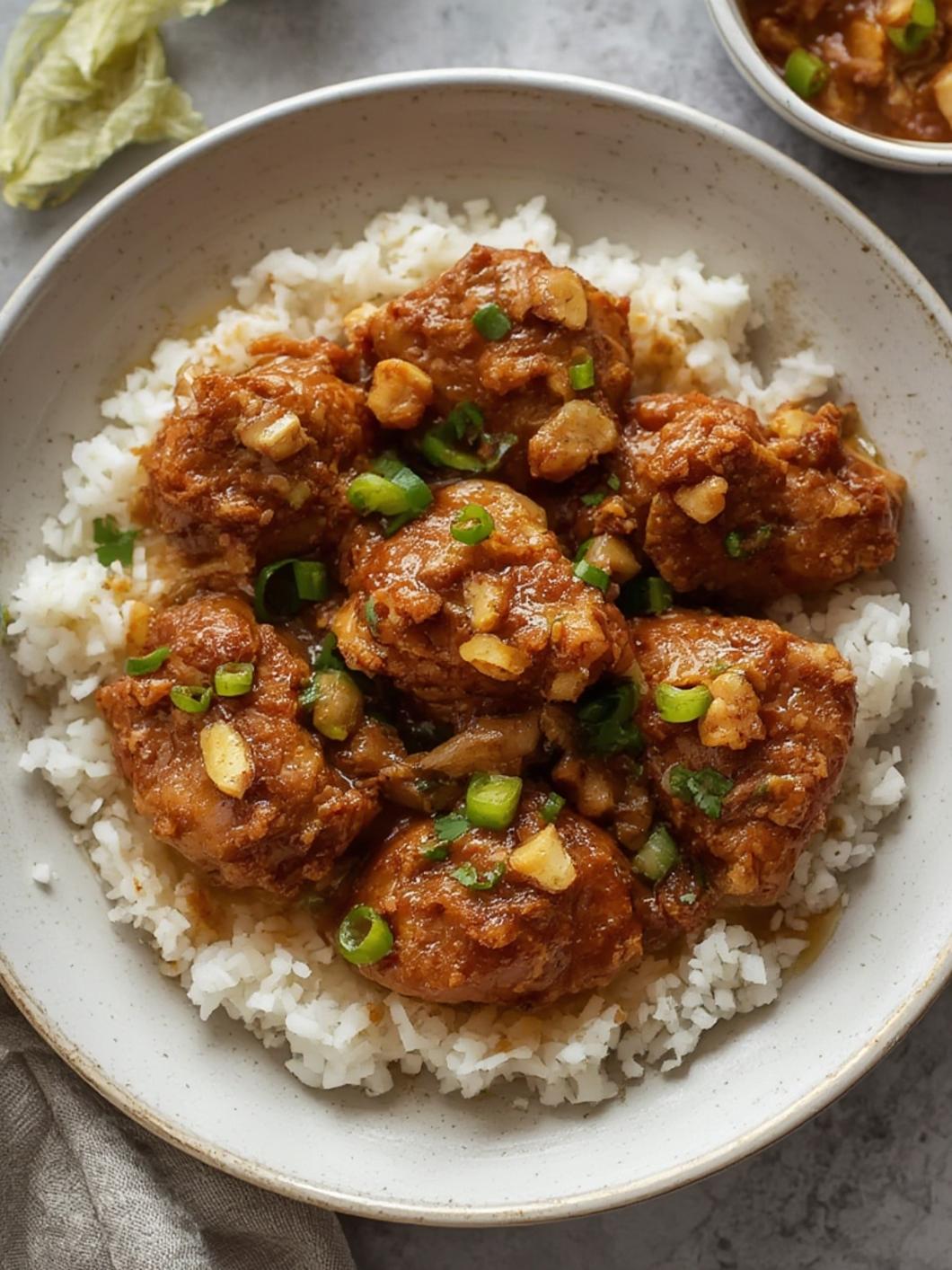
8. Serve: Transfer the chicken to a serving platter, spoon the sauce over the top, and garnish with chopped green onions. Serve hot with steamed rice.
Preparation & Cooking Time
- Preparation Time: 15 minutes (plus 30 minutes to overnight for marinating)
- Cooking Time: 45-50 minutes
- Total Time: 1 hour and 5 minutes (not including marinating time)
- Servings: 4-6 people
Tips & Variations
Flavor Enhancement Tips:
- For deeper flavor, toast the peppercorns in a dry pan before adding to the marinade
- Add a splash of calamansi juice (or lime juice) just before serving for brightness
- Throw in 1-2 star anise pods during simmering for complex, aromatic notes
- Allow the finished adobo to rest for a few hours or overnight – like many stewed dishes, it tastes even better the next day
Ingredient Substitutions:
- Pork can be used instead of chicken, or a combination of both for adobong manok at baboy
- Tamari or coconut aminos work well as gluten-free alternatives to soy sauce
- Rice vinegar offers a milder acidity compared to white vinegar
- Chicken breasts can replace dark meat, but reduce cooking time to avoid drying
Dietary Adaptations:
- For a lower-fat version, remove chicken skin before cooking
- Use low-sodium soy sauce and omit the brown sugar for a healthier option
- For paleo/keto versions, substitute coconut aminos for soy sauce and skip the sugar
Alternative Cooking Methods:
- Slow Cooker: Cook on low for 6-7 hours or high for 3-4 hours
- Instant Pot: Pressure cook for 10 minutes with a 10-minute natural release
- Oven-baked: After browning, transfer to a covered baking dish and cook at 350°F (175°C) for 45 minutes
Common Mistakes to Avoid
Using too little vinegar: The distinctive tangy flavor of adobo comes from vinegar. Don’t be shy with it, as it mellows during cooking.
Overcooking the chicken: While adobo should be tender, overcooking will make it fall apart too much and become mushy.
Not reducing the sauce enough: A proper adobo sauce should coat the back of a spoon. If it’s too watery, your dish will lack intensity.
Skipping the browning step: Browning the chicken before simmering develops crucial flavor compounds that make the dish richer.
Using non-traditional vinegar substitutes: While substitutions can work, extremely sweet or flavored vinegars can dramatically alter the authentic taste profile.
Insufficient marination time: For the best flavor penetration, allow at least 30 minutes, preferably longer, for the marinade to work its magic.
Storage & Reheating Tips
Refrigerator storage: Adobo actually improves with time! Store in an airtight container for up to 4 days in the refrigerator. The flavors will continue to meld and deepen.
Freezer storage: Portion into freezer-safe containers and freeze for up to 3 months. The sauce helps prevent freezer burn and preserves moisture.
Thawing method: Thaw overnight in the refrigerator for best results.
Reheating for best flavor:
- Stovetop: Reheat gently in a covered pan with a tablespoon of water to prevent drying out
- Microwave: Use medium power with a splash of water and cover the dish
- Oven: Place in a covered dish at 325°F (165°C) until heated through, about 15-20 minutes
Sauce separation: If the sauce separates after refrigeration, simply stir well while reheating to recombine.
Conclusion
The beauty of chicken adobo recipe lies in its perfect harmony of flavors and its ability to transform humble ingredients into something truly extraordinary. This dish exemplifies Filipino cooking philosophy – practical, flavorful, and deeply satisfying. Whether served for a weeknight family dinner or presented to guests, authentic filipino chicken adobo always impresses with its complex flavors despite its straightforward preparation. The leftovers, if you’re lucky enough to have any, taste even more divine as the flavors continue to develop overnight. We encourage you to make this recipe your own – adjust the vinegar-to-soy ratio to suit your taste preferences, experiment with different vinegar types, or try the regional variations that exist throughout the Philippines. Share your adobo experiences in the comments below – we’d love to hear how this beloved Filipino classic becomes part of your cooking repertoire!
FAQs
Can I use chicken breast instead of thighs for chicken adobo?
Yes, you can use chicken breast, but reduce the cooking time to about 20-25 minutes to prevent the meat from becoming dry. Thighs and drumsticks are traditionally preferred because they remain more tender and flavorful during the long simmering process.
Is chicken adobo spicy?
Traditional chicken adobo is not spicy. The dominant flavors are tangy, savory, and slightly sweet. If you enjoy heat, you can add bird’s eye chilies or red pepper flakes to the marinade.
Can I make chicken adobo without bay leaves?
While bay leaves contribute an important aromatic element to authentic adobo, you can still make a delicious version without them. Consider adding a pinch of dried oregano or a small cinnamon stick for alternative aromatic