
The Ultimate Short Rib Beef Ragu for Cozy Winter Nights 2025
There’s something magical about walking into a home filled with the aroma of a rich, slowly simmered sauce on a cold winter day. When the temperatures drop and the days get shorter, I find myself craving comforting dishes that warm both body and soul. That’s why this Short Rib Beef Ragu has become my go-to recipe for those chilly evenings when nothing but hearty, melt-in-your-mouth goodness will do
Have you ever had a meal that makes you close your eyes with that first bite, just to savor the moment? This ragu is exactly that kind of dish. Let me show you how to create this Italian-inspired masterpiece that transforms humble ingredients into something truly spectacular.
Table of Contents
What Makes This Short Rib Ragu Special
This isn’t just any pasta sauce. What sets this ragu apart is the use of beef short ribs, which bring an incredible depth of flavor and tenderness that regular ground beef simply can’t match. As the short ribs slowly cook, they release their rich juices and eventually become so tender they practically fall apart with the touch of a fork.
Think of it as the difference between a quick sketch and a masterpiece painting – both are nice, but one has layers of complexity that reward you with each bite. The slow cooking process allows all the flavors to meld together beautifully, creating a sauce that clings perfectly to your favorite pasta.
Ingredients List
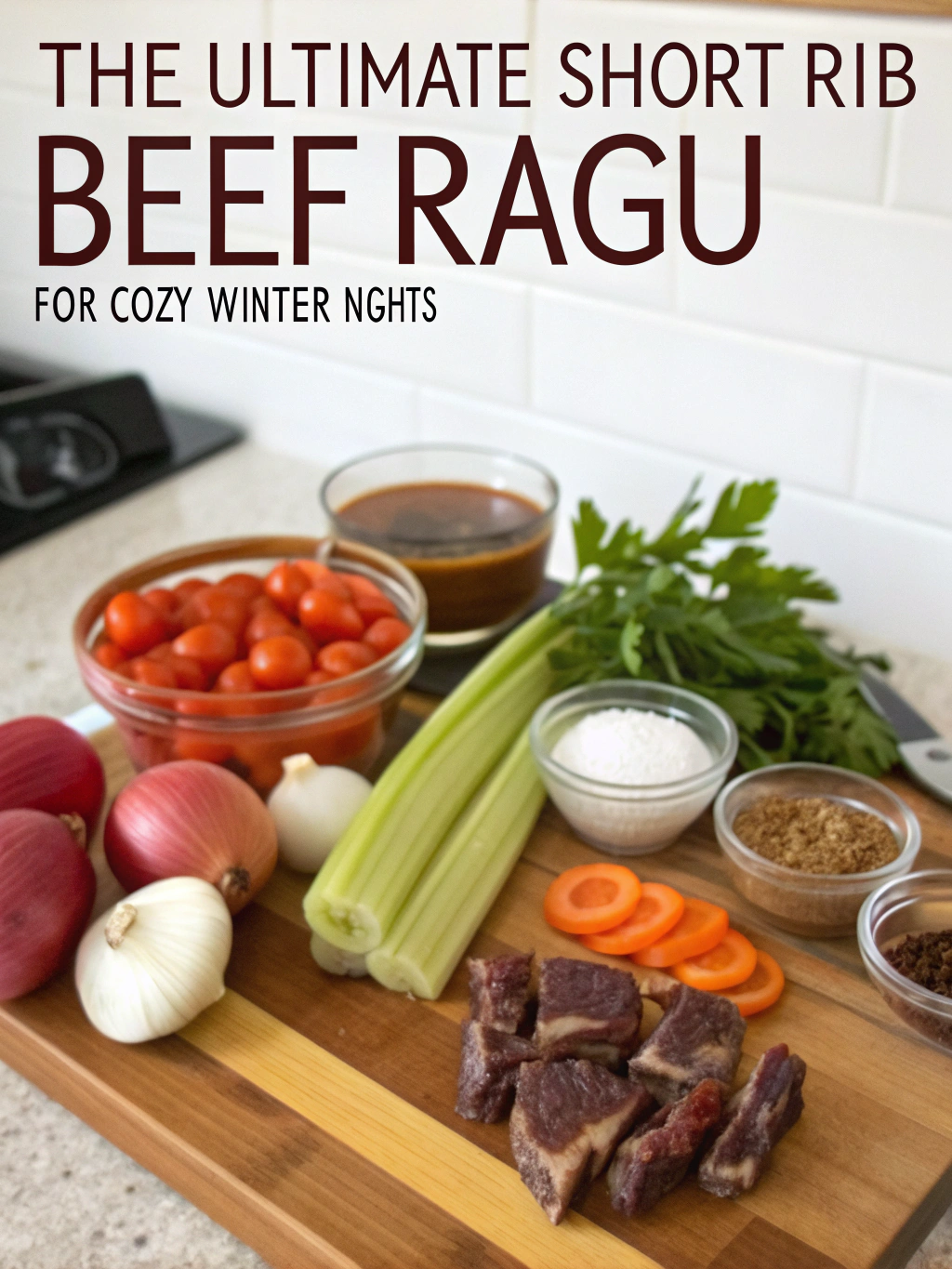
For the Ragu:
- 3 pounds beef short ribs
- 2 tablespoons olive oil
- 1 large onion, finely diced
- 2 medium carrots, diced
- 2 celery stalks, diced
- 4 garlic cloves, minced
- 2 tablespoons tomato paste
- 1 cup dry red wine (such as Cabernet Sauvignon or Merlot)
- 1 can (28 ounces) crushed tomatoes
- 2 cups beef broth
- 2 bay leaves
- 1 sprig fresh rosemary
- 3 sprigs fresh thyme
- Salt and freshly ground black pepper, to taste
For Serving:
- 1 pound pappardelle pasta (or tagliatelle)
- Freshly grated Parmesan cheese
- Chopped fresh parsley
Substitution Tips:
- No short ribs? Try using beef chuck roast cut into large chunks
- Red wine can be replaced with additional beef broth plus 1 tablespoon of balsamic vinegar
- Fresh herbs can be substituted with dried (use 1 teaspoon dried for each tablespoon of fresh)
- For a dairy-free option, skip the Parmesan or use nutritional yeast
The Magic Behind The Method
The secret to an amazing ragu lies in the technique. Unlike quick-cook pasta sauces, this dish embraces the “low and slow” approach. Remember when your grandmother would say the best things can’t be rushed? This is exactly what she meant!
Step 1: Searing for Flavor
First, we’ll season and sear those beautiful short ribs until they develop a deep brown crust. This step is absolutely crucial – it’s where we build the foundation of flavor through the Maillard reaction. Think of it as creating the flavor backbone of your sauce.
Pat the short ribs dry with paper towels (moisture is the enemy of a good sear!), then season generously with salt and pepper. Heat the olive oil in a large Dutch oven or heavy-bottomed pot over medium-high heat until it’s shimmering. Working in batches to avoid crowding, sear the short ribs on all sides until they’re deeply browned – about 3-4 minutes per side.
Step 2: Building Aromatic Layers
Once the meat is set aside, we’ll use the same pot (with all those wonderful browned bits!) to sauté our mirepoix – that’s the fancy French term for the onion, carrot, and celery mixture that forms the aromatic base of countless dishes.
Cook them until softened and the onions are translucent, about 5-7 minutes. Then add the garlic and tomato paste, cooking for another minute until fragrant. The tomato paste needs to caramelize slightly – this deepens its flavor and reduces any tinny taste.
Step 3: The Magic of Deglazing
Here comes a cook’s best friend: deglazing! Pour in that cup of red wine and watch as it sizzles, helping you scrape up all those flavorful browned bits from the bottom of the pot. Let it reduce by half, concentrating the flavor while the alcohol cooks off.
Step 4: Low and Slow Transformation
Now we add our crushed tomatoes, beef broth, bay leaves, rosemary, and thyme. Return the short ribs to the pot, bring everything to a gentle simmer, then cover and reduce the heat to low. This is where patience becomes your secret ingredient.
Let this mixture cook for about 2.5-3 hours, checking occasionally to ensure it’s maintaining a gentle simmer. Your kitchen will fill with an aroma so mouthwatering you’ll find family members mysteriously appearing to ask, “What’s for dinner?”
Step 5: The Final Touch
When the short ribs are fall-apart tender, remove them from the sauce and shred the meat, discarding the bones. Return the shredded meat to the sauce, discard the herb stems and bay leaves, and season to taste with salt and pepper.
Serving Your Masterpiece
Cook your pappardelle according to package instructions until al dente. Remember to save a cup of pasta water before draining – this starchy liquid is liquid gold for adjusting the consistency of your sauce.
Toss the pasta directly with some of the ragu, adding a splash of pasta water if needed to help the sauce cling to every strand. Serve in warmed bowls, topped with additional ragu, a generous sprinkle of Parmesan, and fresh parsley.
Why Make This For Your Next Gathering
Beyond being utterly delicious, this ragu has practical advantages for entertaining. You can make it a day ahead – in fact, it actually tastes better the next day after the flavors have had time to meld. Simply reheat gently while you cook the pasta, and dinner is served!
This dish has been my secret weapon for dinner parties where I want to impress without being stuck in the kitchen all evening. The rich, complex flavors make guests think you’ve been cooking all day (well, technically you have, but the actual hands-on time is minimal).
So the next time winter winds howl outside your window, consider this your invitation to create something truly special that will fill your home with warmth, incredible aromas, and the promise of a meal that nourishes both body and spirit. Isn’t that what cooking is really all about?