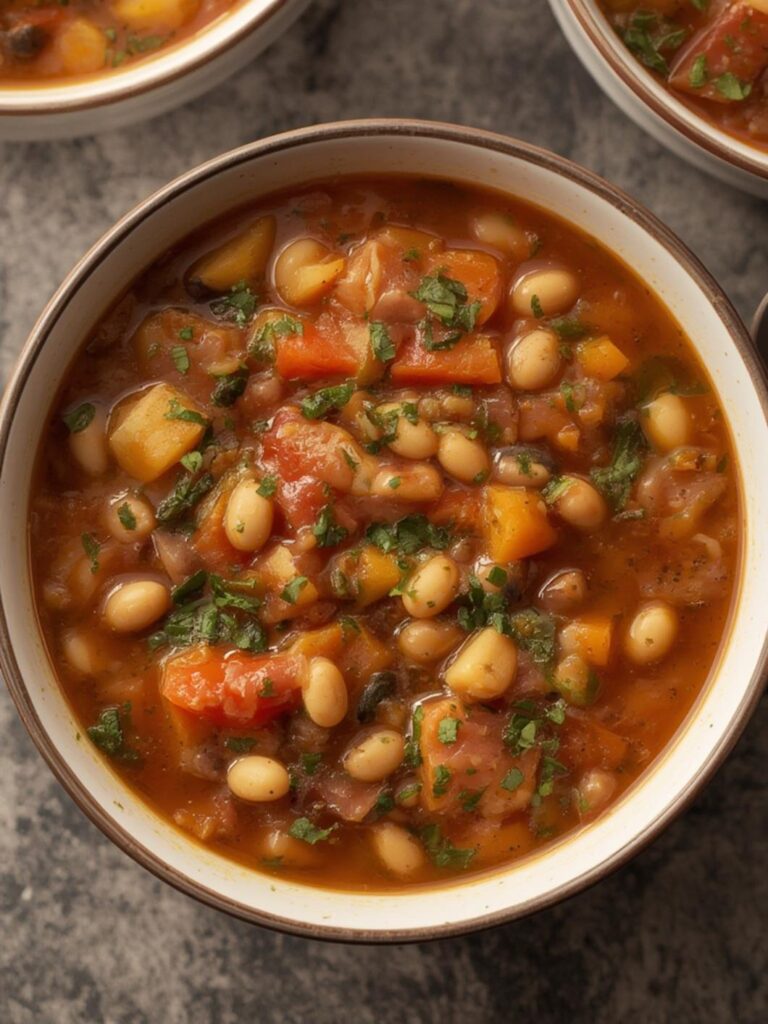
Best Way to Make 5-Ingredient Creamy Tomato Soup Recipe
Table of Contents
A Delightful Homemade Soup for Any Occasion
There’s something incredibly comforting about a bowl of warm, velvety soup on any day of the year. Whether you’re fighting off a winter chill or looking for a light yet satisfying summer lunch, this creamy tomato soup recipe delivers pure comfort in every spoonful. The rich, tangy sweetness of ripe tomatoes blended with aromatic herbs and a silky cream finish creates a restaurant-quality dish right in your home kitchen.
Thank you for reading this post, don't forget to subscribe!This easy creamy tomato soup recipe transforms simple pantry ingredients into an elegant meal that’s perfect for family dinners, casual entertaining, or solo indulgence. The beauty of this soup lies in its versatility and simplicity—it pairs wonderfully with grilled cheese sandwiches for a nostalgic combination or stands alone as a sophisticated first course.
Ingredients List
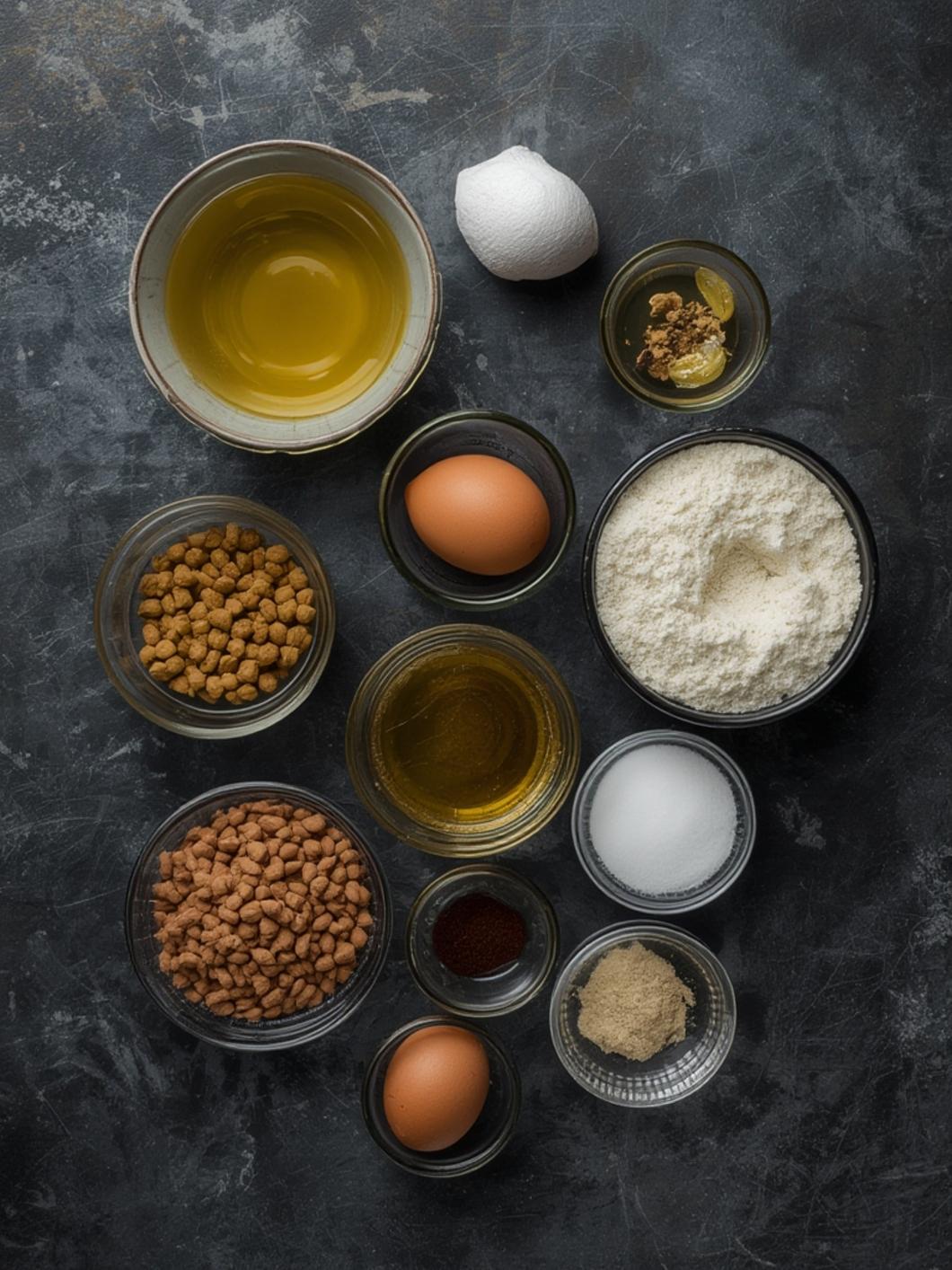
For the Base:
– 2 tablespoons olive oil
– 1 large onion, finely chopped (about 1 cup)
– 3 garlic cloves, minced
– 2 tablespoons tomato paste
– 2 pounds fresh ripe tomatoes, chopped (or 2 28-oz cans whole peeled tomatoes)
– 4 cups vegetable or chicken broth
– 1 teaspoon dried basil (or 1 tablespoon fresh, chopped)
– 1 teaspoon dried oregano
– 1 bay leaf
– 1 tablespoon sugar (optional, to reduce acidity)
– Salt and freshly ground black pepper to taste
For the Creamy Finish:
– 1/2 cup heavy cream (substitute with coconut cream for dairy-free option)
– 2 tablespoons butter (optional)
– Fresh basil leaves for garnish
– Croutons or parmesan cheese for serving (optional)
Step-by-Step Instructions
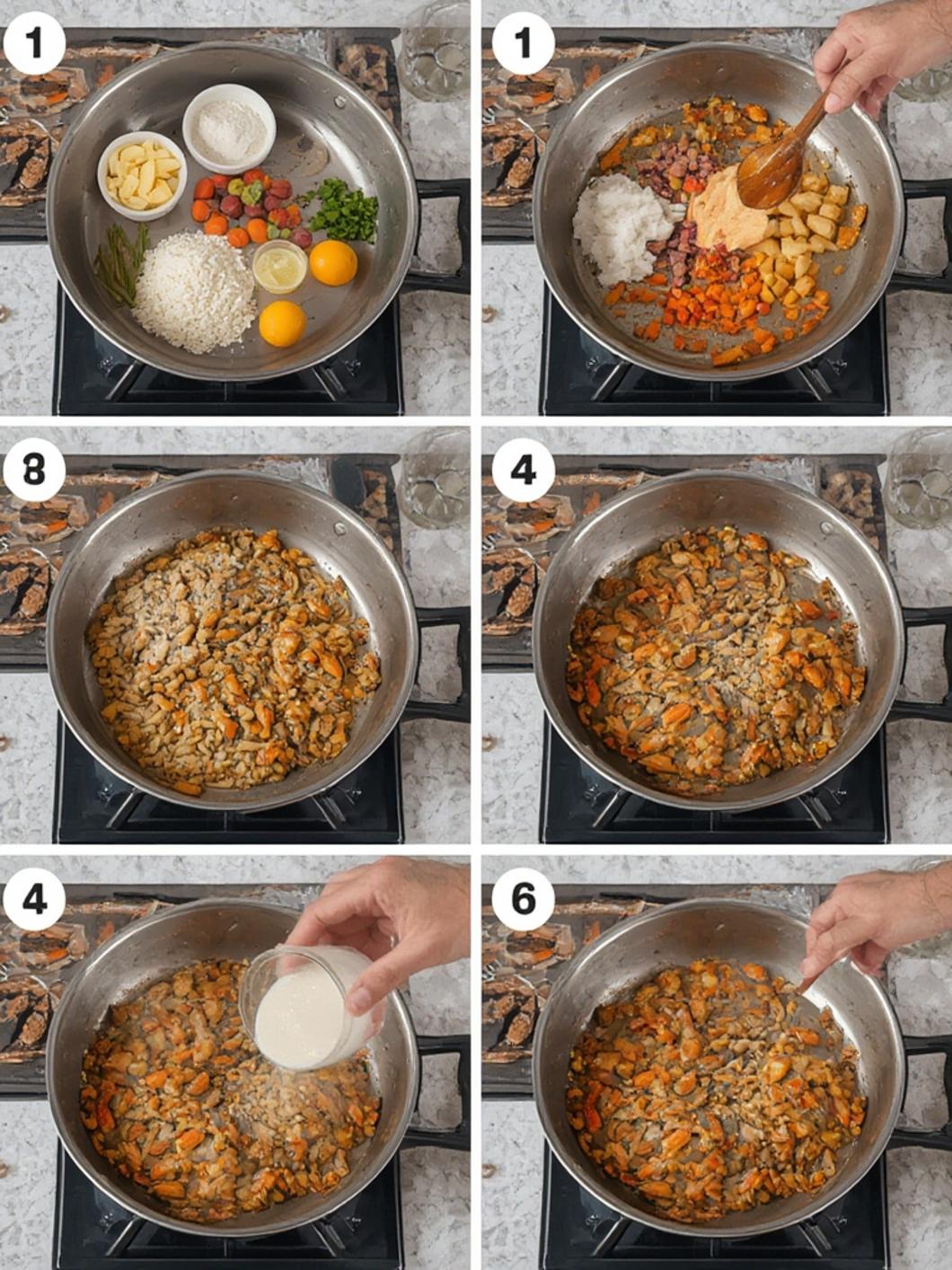
1. Heat the base: In a large pot or Dutch oven, heat the olive oil over medium heat until shimmering. Add the chopped onions and cook until soft and translucent, about 5 minutes. Add the minced garlic and cook for another 30 seconds until fragrant.
2. Build flavor: Stir in the tomato paste and cook for 1-2 minutes until it darkens slightly, which helps develop a deeper flavor in your creamy tomato soup recipe.
3. Add tomatoes and seasonings: Add the chopped fresh tomatoes (or canned tomatoes with their juices), vegetable broth, dried basil, oregano, bay leaf, and sugar if using. Season with salt and pepper.
4. Simmer: Bring the mixture to a boil, then reduce heat to maintain a gentle simmer. Cover partially and cook for about 25-30 minutes, until the tomatoes are very soft and breaking down.
5. Blend the soup: Remove the bay leaf. Using an immersion blender, carefully purée the soup until smooth. Alternatively, let the soup cool slightly and blend in batches in a regular blender (be careful with hot liquids).
6. Strain for extra smoothness: For a silky-smooth texture, strain the puréed soup through a fine-mesh sieve back into the pot, pressing with a spoon to extract all the liquid. This step is optional but recommended for this easy creamy tomato soup recipe.
7. Add creaminess: Return the soup to low heat. Stir in the heavy cream and butter (if using) until fully incorporated and heated through. Do not boil after adding cream.
8. Adjust seasoning: Taste and adjust salt and pepper as needed. A pinch more sugar can help balance acidity if your tomatoes are particularly tart.
9. Serve: Ladle into warm bowls, garnish with fresh basil leaves, and serve with croutons or a sprinkle of parmesan cheese if desired.
Preparation & Cooking Time

– Preparation time: 15 minutes
– Cooking time: 40 minutes
– Total time: 55 minutes
– Servings: 4-6 bowls
Tips & Variations
Flavor Enhancements:
– Roast your fresh tomatoes in the oven before adding them to intensify their flavor
– Add a pinch of red pepper flakes for a subtle heat
– Include a parmesan rind while simmering for added depth (remove before blending)
– A splash of balsamic vinegar adds wonderful complexity
Ingredient Substitutions:
– Use fire-roasted canned tomatoes for a smoky twist
– Replace heavy cream with half-and-half for a lighter version
– Greek yogurt can substitute for cream (stir in at the end, off heat)
– Vegetable broth makes this soup fully vegetarian
Dietary Adaptations:
– Vegan version: Use coconut cream and vegetable broth, omit butter
– Gluten-free: The base recipe is naturally gluten-free (check broth ingredients)
– Low-calorie: Use milk instead of cream and reduce or omit the butter
– Keto-friendly: Reduce onion amount and omit sugar
Serving Suggestions:
– Pair with a grilled cheese sandwich for a classic combination
– Serve in bread bowls for an impressive presentation
– Top with homemade garlic croutons and a drizzle of olive oil
– Add cooked small pasta or rice to make it more substantial
Common Mistakes to Avoid
Not cooking the tomato paste: Skipping the step of cooking the tomato paste results in a raw, acidic taste. Always sauté it briefly to develop deeper flavor.
Boiling after adding cream: This can cause the cream to curdle. Always keep the heat low when incorporating dairy.
Underseasoning: Tomato soups need adequate salt to shine. Season in layers throughout cooking and adjust at the end.
Rushing the simmer time: Giving the soup enough time to simmer develops flavor. Don’t rush this crucial step.
Skipping the blending/straining: For truly creamy results, thorough blending and optional straining make all the difference in texture.
Not balancing acidity: If your soup tastes too acidic, a pinch of sugar or baking soda can help neutralize it without affecting flavor.
Storage & Reheating Tips
Refrigeration:
– Store cooled soup in airtight containers for up to 4 days
– If possible, store the base soup and add cream only when reheating for better texture
– Leave soup uncovered while cooling to prevent condensation before refrigerating
Freezing:
– For best results, freeze the soup before adding cream
– Freeze in portion-sized containers for up to 3 months
– Leave about an inch of space at the top of containers to allow for expansion
– Label containers with date and contents
Reheating Methods:
– Stovetop: Reheat slowly over medium-low heat, stirring occasionally
– Microwave: Use 50% power in 1-minute intervals, stirring between each
– Add a splash of cream or broth when reheating if the soup has thickened
– Do not bring to a boil if cream has been added
Conclusion
This creamy tomato soup recipe proves that homemade is infinitely better than anything from a can. The rich depth of fresh tomatoes combined with aromatic herbs and velvety cream creates a soup that’s both nostalgic and sophisticated. The beauty of this easy creamy tomato soup recipe lies in its simplicity and adaptability—perfect for beginners yet impressive enough for seasoned cooks. Whether you’re serving it as a starter for a special dinner or enjoying it as a comforting lunch with a crusty bread roll, this soup delivers satisfaction in every spoonful. We’d love to hear how this recipe turned out for you and any personal touches you added to make it your own!
FAQs
Can I use canned tomatoes if fresh ones aren’t in season?
Yes! High-quality canned whole peeled tomatoes often make better soup than out-of-season fresh tomatoes. San Marzano tomatoes are particularly good for soup because of their sweet flavor and low acidity.
How can I make this soup dairy-free?
Replace the heavy cream with coconut cream or full-fat coconut milk for a dairy-free alternative that maintains creaminess. Skip the butter or use a plant-based butter substitute.
My soup is too acidic. How can I fix it?
Add 1/4 teaspoon of baking soda to neutralize acidity, or increase the sugar slightly. A bit more cream can also help balance acidity. Roasting the tomatoes first can also reduce acidic notes.
Can I make this soup in advance for a dinner party?
Absolutely! In fact, the flavor improves after a day in the refrigerator. Make the base soup and refrigerate. When ready to serve, reheat gently and add the cream just before serving.
What’s the best way to achieve a super smooth texture?
First, ensure thorough blending with either an immersion blender or stand blender. Then strain the blended soup through a fine-mesh sieve, pressing with a spoon to extract all the liquid while leaving solids behind.