Best way to make 15 Asian soup recipes
Table of Contents
Delicious Vietnamese Beef Noodle Soup
In the vast culinary landscape of Eastern cuisine, few dishes offer the perfect balance of complex flavors and comforting warmth like a steaming bowl of Vietnamese beef noodle soup. This aromatic broth, laden with tender slices of beef, fresh herbs, and rice noodles, delivers an explosion of umami that transforms ordinary ingredients into an extraordinary meal.
Thank you for reading this post, don't forget to subscribe!What makes this dish particularly appealing is its versatility—it can be enjoyed as a hearty breakfast, satisfying lunch, or nourishing dinner. If you’re eager to explore asian soup recipes at home, Vietnamese pho recipes offer an excellent starting point, combining accessible techniques with unforgettable flavor profiles that will impress both family and guests alike.
Ingredients List
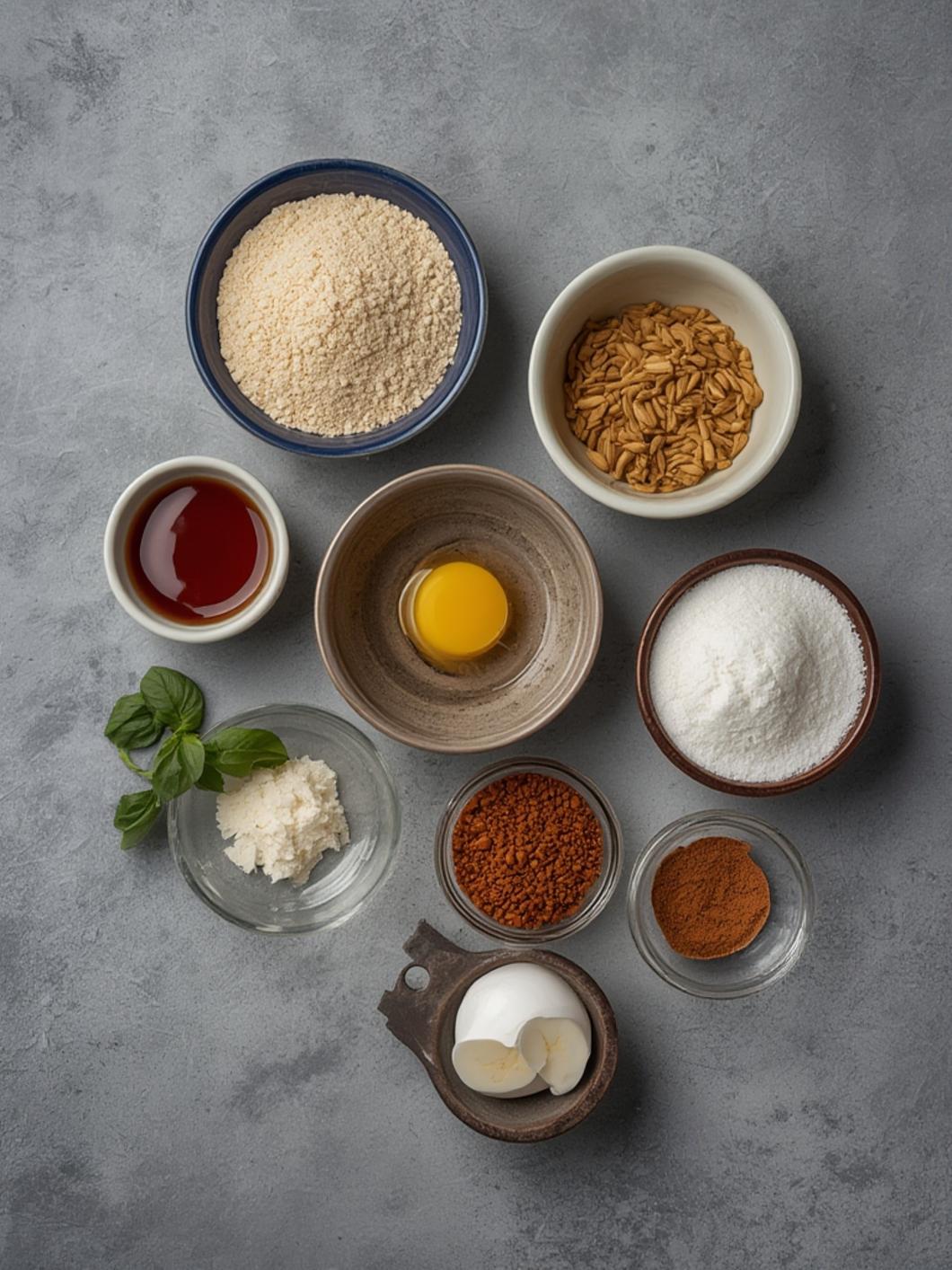
For the broth:
– 2 pounds beef bones (preferably knuckle and marrow bones)
– 1 pound beef brisket
– 2 onions, halved
– 1 4-inch piece of ginger, sliced
– 5 star anise pods
– 4 cloves
– 1 cinnamon stick
– 1 tablespoon coriander seeds
– 2 tablespoons fish sauce
– 1 tablespoon sugar
– 1 teaspoon salt (or to taste)
– 10 cups water
For serving:
– 8 ounces rice noodles (banh pho), dried or fresh
– 8 ounces beef sirloin, thinly sliced
– 1 cup bean sprouts
– 1/2 cup fresh cilantro, roughly chopped
– 1/2 cup fresh basil leaves
– 1/4 cup green onions, sliced
– 1/4 cup fresh mint leaves
– 2 limes, cut into wedges
– 2 jalapeños, thinly sliced
– Hoisin sauce and sriracha for serving
Step-by-Step Instructions
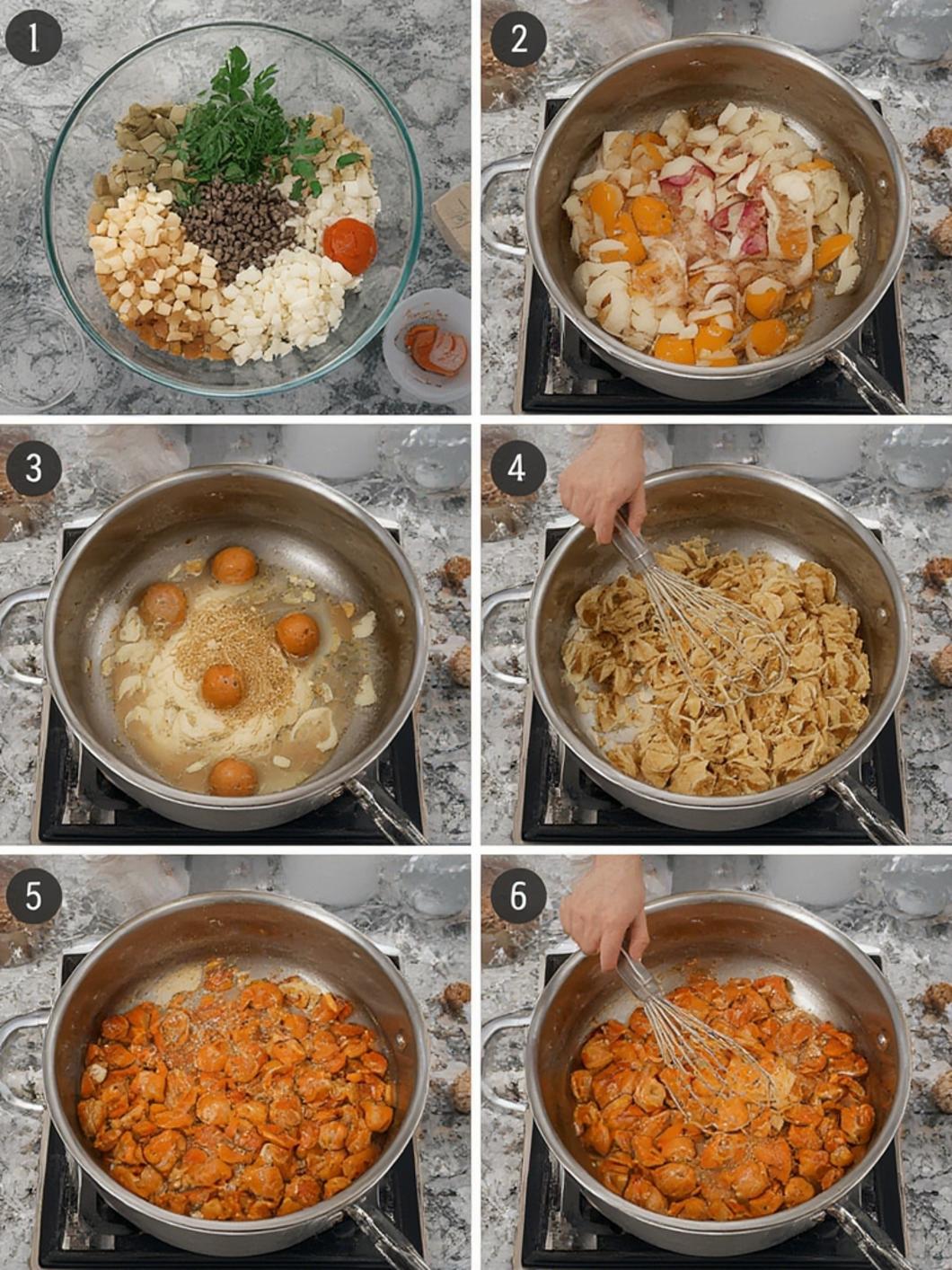
1. Prepare the bones: Rinse the beef bones and brisket under cold water. Place in a large pot, cover with cold water, and bring to a boil. Boil for 5 minutes, then drain and rinse thoroughly. This step removes impurities and ensures a clear broth.
2. Toast the spices: In a dry skillet over medium heat, toast the star anise, cloves, cinnamon stick, and coriander seeds until fragrant (about 2-3 minutes). This releases their essential oils for a more aromatic broth.
3. Char the aromatics: Place the halved onions and ginger slices on a baking sheet and broil for 5-7 minutes until charred. This adds depth and smoky notes to the broth.
4. Simmer the broth: Return the cleaned bones and brisket to a large pot with 10 cups of water. Add the charred onions, ginger, and toasted spices. Bring to a boil, then reduce heat and simmer for at least 3 hours (preferably 5-6 hours for deeper flavor).
5. Season the broth: When your base broth has developed a rich flavor, add fish sauce, sugar, and salt. This delicate balance of sweet, salty, and savory creates the distinctive profile of authentic asian soup recipes like traditional pho recipes.
6. Prepare the noodles: Cook rice noodles according to package directions, typically soaking in hot water for 15-20 minutes until tender. Drain and rinse with cold water to prevent sticking.
7. Prepare garnishes: Arrange bean sprouts, herbs, lime wedges, and jalapeños on a serving plate, allowing diners to customize their soup.
8. Assemble the soup: Place cooked noodles in bowls. Layer with very thin slices of raw sirloin beef. The hot broth will cook the beef when poured over.
9. Serve immediately: Strain the hot broth and ladle it over the noodles and beef. Serve with garnishes on the side, allowing each person to add their preferred amount of herbs, sprouts, lime juice, and sauces.
Preparation & Cooking Time
– Preparation Time: 30 minutes
– Cooking Time: 3-6 hours (broth simmering)
– Total Time: 3.5-6.5 hours
– Servings: 4-6 portions
Tips & Variations
– Flavor Enhancement: For deeper flavor, roast the beef bones in the oven at 400°F for 20 minutes before starting the broth.
– Protein Variations: Substitute beef with chicken thighs and bones for chicken pho, or use mushrooms and vegetable stock for a vegetarian version.
– Time-Saving Option: Use a pressure cooker to reduce broth cooking time to about 1 hour while maintaining rich flavor.
– Dietary Adaptations: Make this gluten-free by ensuring your fish sauce contains no wheat derivatives and serving with gluten-free hoisin sauce.
– Spice Adjustment: Create a spice bag using cheesecloth to contain the spices, making them easier to remove later.
– Noodle Options: Rice noodles of different widths can be used based on preference—thinner for a lighter soup, wider for more substance.
Common Mistakes to Avoid
1. Skipping the pre-boil: Not parboiling and rinsing the bones results in a cloudy, impure broth. Always complete this step for a clear, clean-tasting soup.
2. Boiling instead of simmering: Keeping the broth at a rolling boil can make it cloudy and bitter. Maintain a gentle simmer for best results.
3. Under-seasoning: The broth should have a pronounced flavor that balances sweet, salty, and savory elements. Don’t be shy with fish sauce and salt.
4. Overcooking the noodles: Rice noodles cook quickly and continue softening in hot broth. Slightly undercook them for the perfect texture when served.
5. Adding too many garnishes at once: Allow diners to build their soup gradually, adding herbs as they eat to preserve the freshness and varied textures.
Storage & Reheating Tips
– Broth storage: Store cooled broth separately from noodles and garnishes in airtight containers in the refrigerator for up to 3 days or freeze for up to 3 months.
– Noodle storage: Keep cooked noodles in cold water in the refrigerator for up to 2 days to prevent sticking. Drain before reheating.
– Freezing method: For meal prep, freeze broth in portion-sized containers. Do not freeze cooked noodles or garnishes as they’ll become mushy.
– Reheating: Bring broth to a full boil before serving. If using refrigerated noodles, briefly dip in hot water to warm through before adding broth.
– Garnish freshness: Always use fresh herbs and bean sprouts when serving leftover soup—never store these prepared.
Conclusion
Congratulations on mastering this traditional Vietnamese soup that stands as one of the most beloved asian soup recipes worldwide. The process of creating authentic pho recipes at home may seem involved, but the layers of flavor that develop through each careful step deliver immense culinary satisfaction that far surpasses restaurant versions. This soul-warming dish brings together the essence of Vietnamese cooking—the balance of herbs, spices, savory elements, and textures—in a single memorable bowl. We invite you to share your experience with this recipe and any personal touches you’ve added to make it your own. Your feedback helps our community of home cooks continue to grow and learn together.
FAQs
Can I make this soup with store-bought broth to save time?
While homemade broth is ideal for authentic flavor, you can use store-bought beef broth enhanced with charred onions, ginger, and traditional spices simmered for 30 minutes as a shortcut.
What cut of beef works best for the thin slices?
Beef sirloin, eye of round, or ribeye work excellently. For easier slicing, freeze the meat for about 20 minutes until firm but not frozen solid, then slice against the grain as thinly as possible.
Is there a vegetarian alternative to fish sauce?
Yes, substitute with a mixture of soy sauce and a small amount of mushroom powder, or use commercially available vegetarian “fish sauce” made from seaweed or fermented soybeans.
How can I make this soup less spicy for children?
Omit the jalapeños from the garnish plate and serve sriracha on the side for adults. The base soup itself isn’t spicy, allowing for customization at the table.
Why is my broth cloudy despite following all the steps?
Ensure your simmer is very gentle—barely bubbling. Even a moderate boil can cause cloudiness. Also, avoid stirring the broth frequently, as this can release particles from the bones and meat.