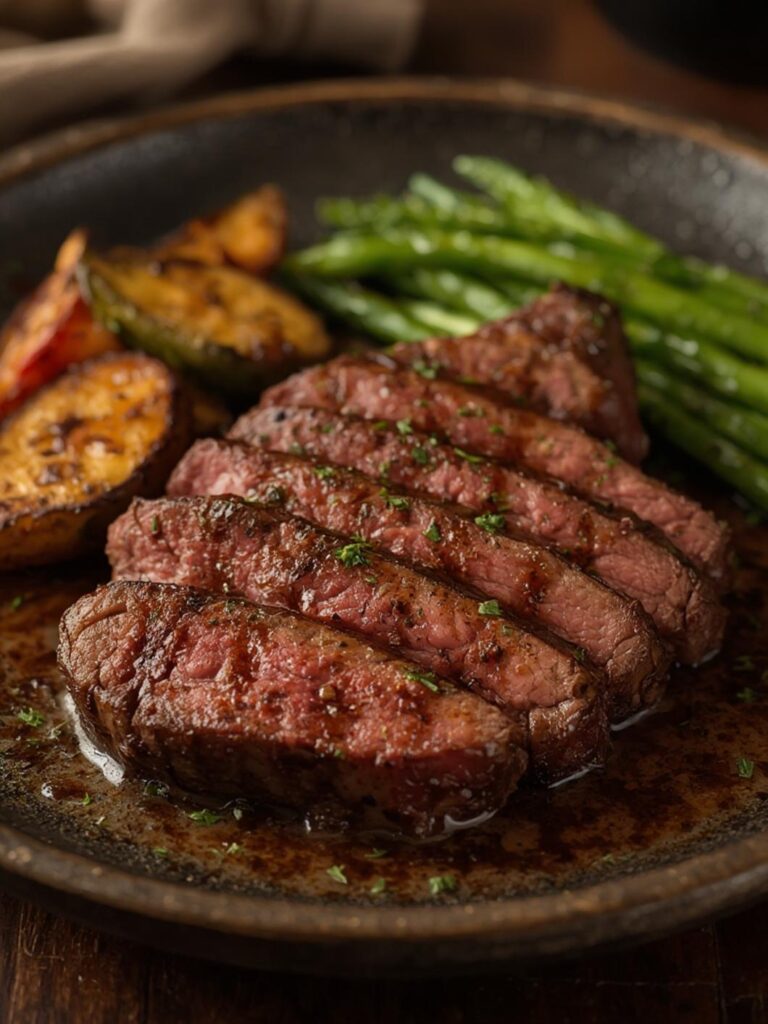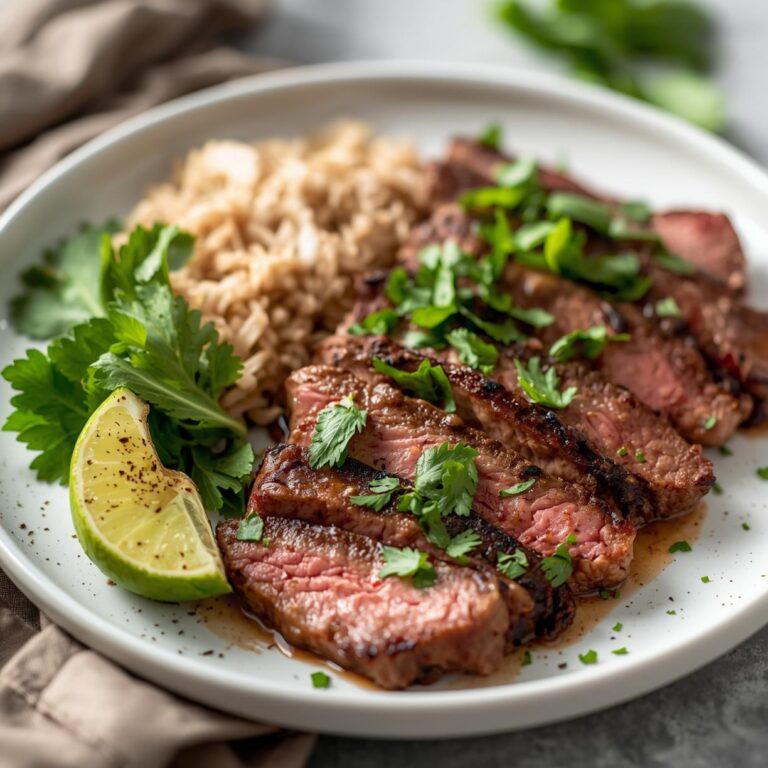
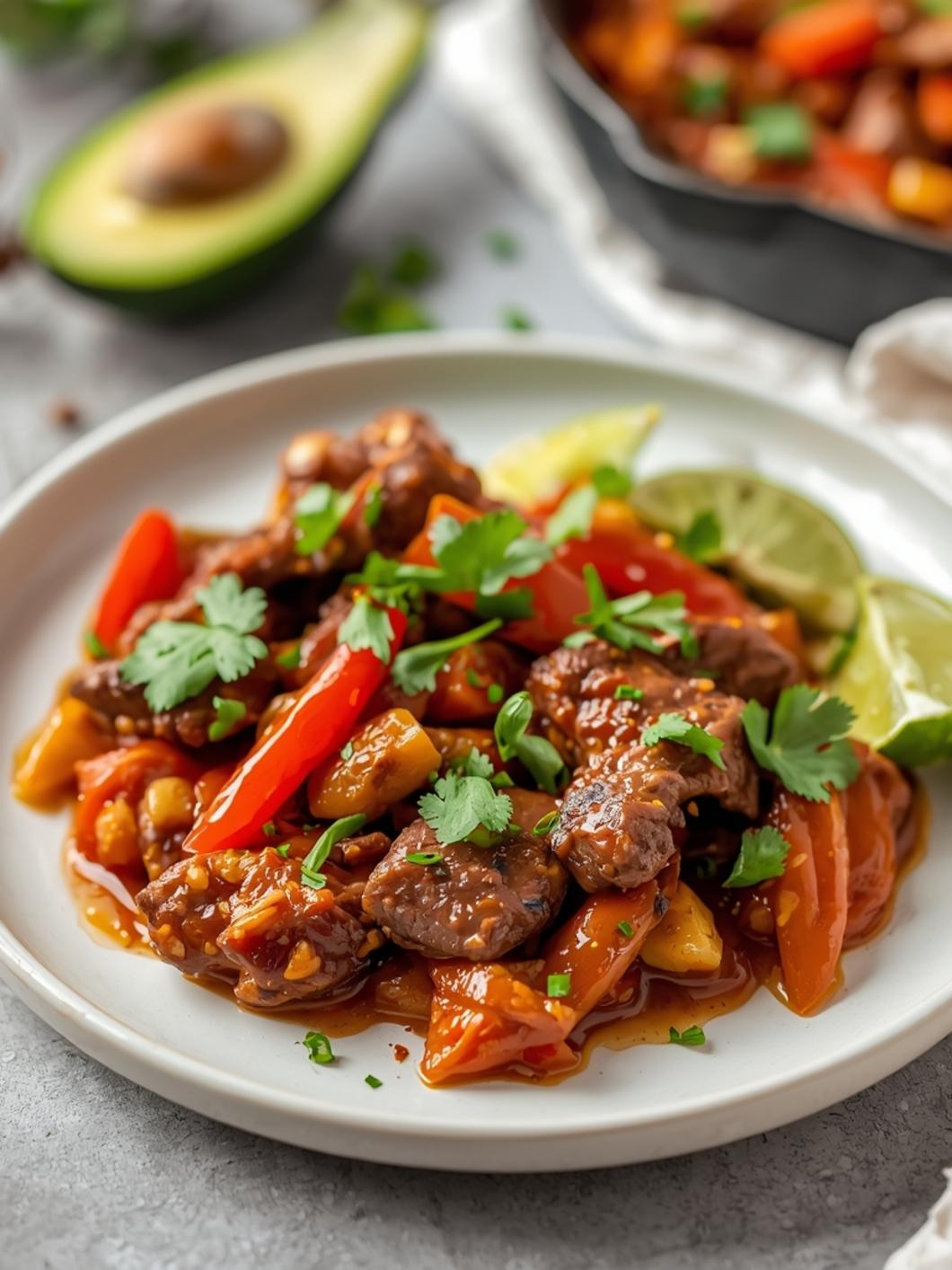
Beef Fajitas Recipe – Sizzling & Flavorful
Table of Contents
Sizzle and Spice: The Ultimate Steak Fajita Experience
There’s something magical about that sizzling sound when a platter of tender marinated steak strips hits your table at your favorite Mexican restaurant. The aroma of caramelized onions and bell peppers, the steam rising from freshly warmed tortillas, and the anticipation of that first perfect bite…
Thank you for reading this post, don't forget to subscribe!beef fajitas recipe. But why wait for a restaurant visit when you can create this sensory experience in your own kitchen? This restaurant-quality dish brings together juicy steak, colorful vegetables, and warm spices for an easy dinner that’s sure to impress.
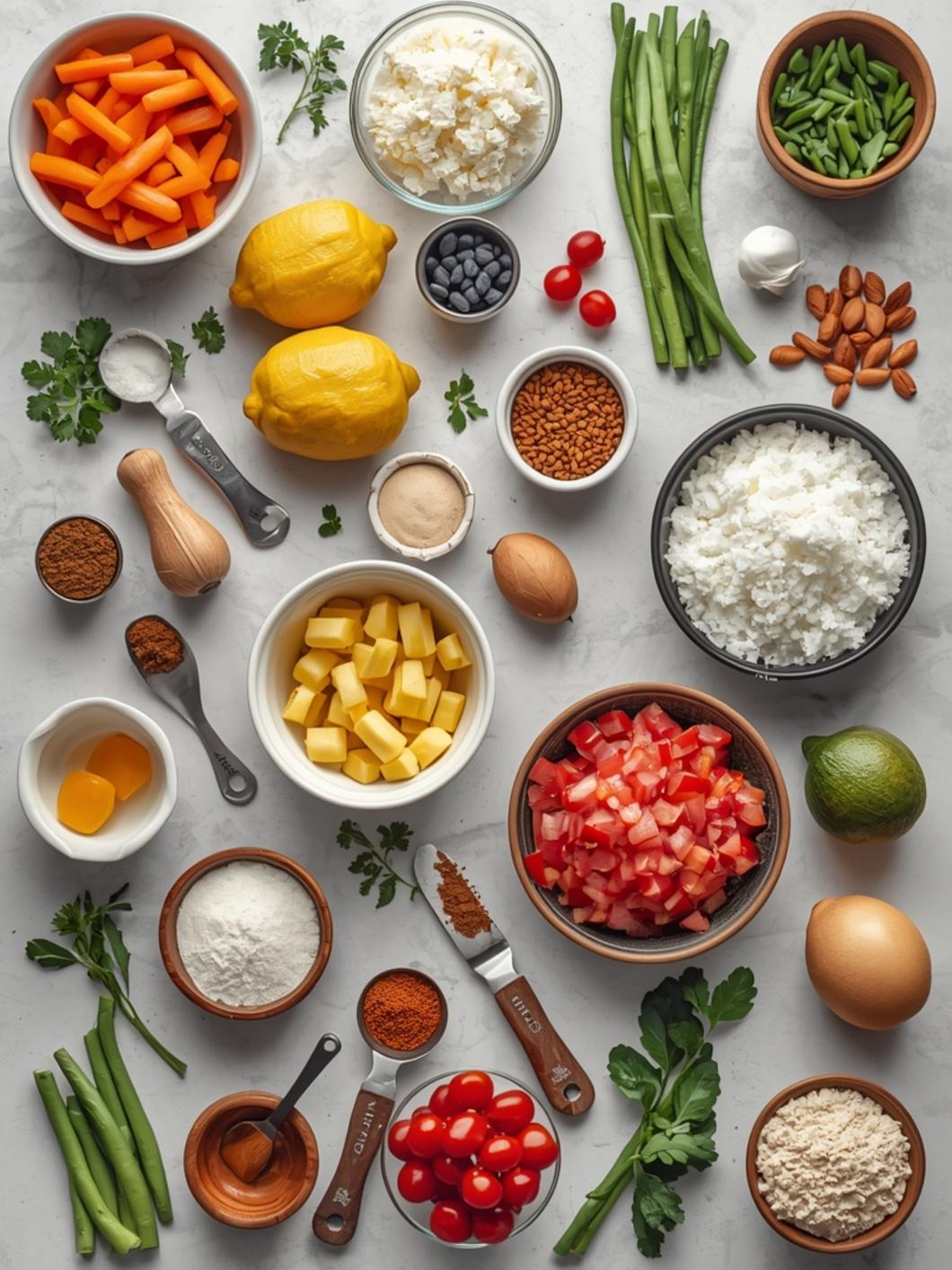
Ingredients
For the Marinade:
– 2 pounds flank steak or skirt steak
– 4 tablespoons olive oil
– 4 cloves garlic, minced
– 2 tablespoons lime juice
– 2 teaspoons ground cumin
– 1 teaspoon chili powder
– 1 teaspoon smoked paprika
– 1 teaspoon dried oregano
– 1/2 teaspoon cayenne pepper (adjust to taste)
– 1 teaspoon salt
– 1/2 teaspoon black pepper
For the Fajitas:
– 3 bell peppers (red, yellow, and green), sliced
– 2 large onions, sliced
– 2 tablespoons vegetable oil
– 8-10 flour tortillas (8-inch)
For Serving:
– 1 cup sour cream
– 1 cup guacamole
– 1 cup pico de gallo or salsa
– 1 cup shredded cheese (Monterey Jack or cheddar)
– Fresh cilantro, chopped
– Lime wedges
Instructions
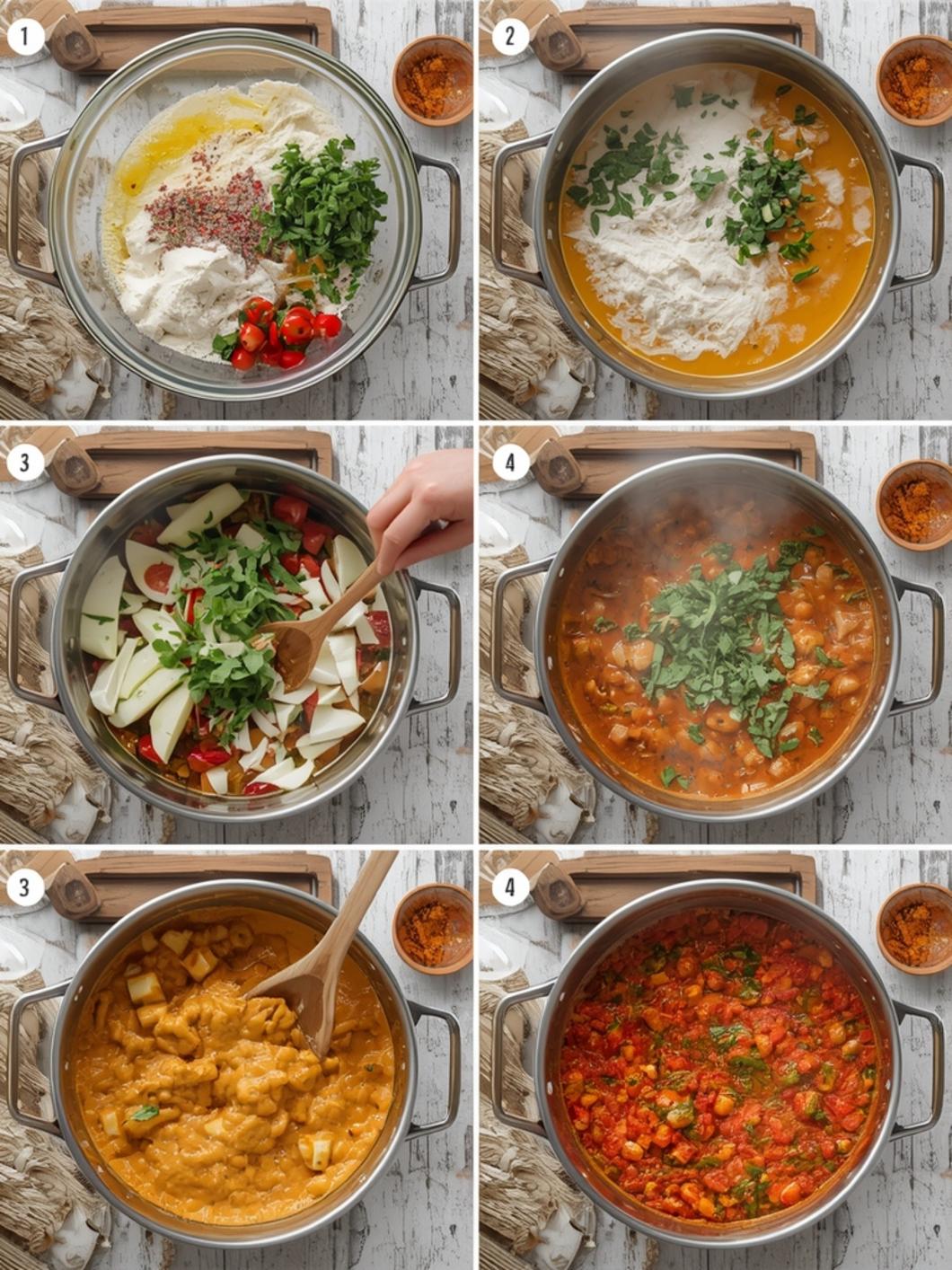
Step 1: Marinate the Beef
1. In a large bowl, combine all marinade ingredients (olive oil, garlic, lime juice, cumin, chili powder, smoked paprika, oregano, cayenne pepper, salt, and black pepper).
2. Slice the steak against the grain into thin strips, about 1/4 inch thick.
3. Add the steak strips to the marinade, tossing to coat thoroughly.
4. Cover and refrigerate for at least 2 hours, preferably 4-6 hours for best flavor. For deeper flavor penetration, you can marinate overnight.
Step 2: Prepare the Vegetables
1. Slice bell peppers into thin strips.
2. Cut onions into half-moons.
3. Set aside until ready to cook.
Step 3: Cook the Fajitas
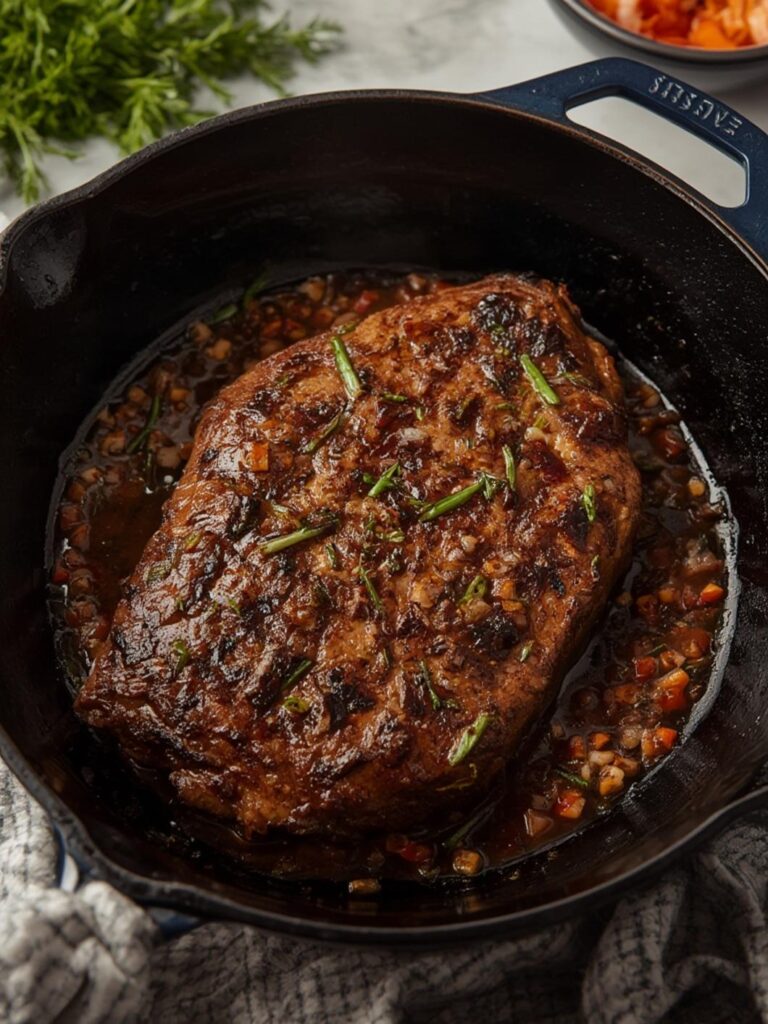
1. Heat a large cast-iron skillet or heavy-bottomed pan over high heat until smoking hot.
2. Add 1 tablespoon of vegetable oil to the pan.
3. Remove the steak from the marinade (discard used marinade) and cook in batches to avoid overcrowding the pan. Sear for 2-3 minutes total, turning occasionally, until browned on all sides.
4. Transfer cooked meat to a plate and cover loosely with foil.
5. In the same pan, add the remaining tablespoon of oil.
6. Add the sliced peppers and onions to the pan, cooking for 4-5 minutes until slightly charred but still crisp.
7. Return the meat to the pan, stir to combine with the vegetables, and cook for another minute.
8. Remove from heat and serve immediately.
Step 4: Warm the Tortillas
1. Warm tortillas in the microwave (covered with a damp paper towel) for 30 seconds, or heat individually on a dry skillet for 15-20 seconds per side.
2. Keep warm by wrapping in a clean kitchen towel.
Step 5: Serve
1. Bring the sizzling pan to the table (with a protective trivet).
2. Allow everyone to assemble their own fajitas with their preferred toppings.
If you love creating authentic Mexican cuisine at home, you might enjoy this comprehensive Mexican cookbook with 50+ traditional recipes perfected for home cooks.
Time & Servings
Prep Time: 20 minutes (plus 2-6 hours marinating)
Cook Time: 15 minutes
Total Time: 35 minutes (plus marinating)
Servings: 4-6 people
Calories: Approximately 450-500 calories per serving (with 2 fajitas)
Tips & Variations
For Perfect Beef Fajitas:
– The Right Cut: Skirt steak is traditional for authentic beef fajitas, but flank steak works wonderfully too. Both have great beefy flavor perfect for this recipe.
– Slicing Technique: Always slice your meat against the grain for maximum tenderness. This is crucial for the perfect texture in your tortilla filling.
– Temperature Matters: Get your pan screaming hot before adding the meat. This creates that desirable restaurant-style sear and smoky flavor.
– Rest Your Meat: After cooking, let the meat rest for 5 minutes before slicing to retain juices.
Variations:
– Chicken Fajitas: Substitute boneless, skinless chicken breasts or thighs for the beef.
– Shrimp Fajitas: Use large peeled shrimp instead of beef, reducing the marinade time to just 30 minutes.
– Vegetarian Option: Replace the meat with portobello mushrooms and add zucchini to the vegetable mix.
– Low-Carb: Serve in lettuce cups instead of tortillas for a carb-conscious option.
– Spice Levels: Adjust the cayenne pepper to match your heat preference. For more information on balancing spices, check out our comprehensive guide.
Common Mistakes
1. Overcrowded Pan: Cooking too much meat at once lowers the pan temperature, resulting in steaming rather than searing. Work in batches for best results.
2. Overcooked Meat: Beef fajitas are best when the meat is medium-rare to medium. Overcooking makes the meat tough.
3. Under-seasoned Marinade: Don’t be shy with seasonings. The bold flavors are what make this dish special.
4. Cutting With The Grain: Always slice against the grain for tender meat.
5. Soggy Vegetables: Don’t overcook the peppers and onions – they should still have some crunch and character.
6. Cold Tortillas: Serving fajitas with cold tortillas is a missed opportunity. Always warm them for the full experience.
Storage
– Refrigeration: Store leftover meat and vegetables separately from toppings in airtight containers for up to 3 days.
– Freezing: The cooked meat and vegetable mixture can be frozen for up to 3 months. Thaw overnight in the refrigerator before reheating.
– Reheating: For best results, reheat the meat and vegetable mixture in a hot skillet with a splash of water to restore moisture. Microwave reheating works but may result in slightly tougher meat.
– Make-Ahead Options: You can prep all the components separately up to a day ahead. Store marinating meat, sliced vegetables, and prepared toppings separately until ready to cook.
According to FDA guidelines, cooked meat should be refrigerated within two hours of cooking to prevent bacterial growth.
Why These Fajitas Will Become Your Family Favorite
There’s something uniquely satisfying about a meal that brings people together around the table, encouraging interaction and customization. This beef fajitas recipe delivers not just on flavor but creates an experience – the assembly, the choices of toppings, and the hands-on nature make dinner more than just a meal.
The balance of savory marinated steak, sweet caramelized vegetables, and fresh garnishes creates a perfect harmony of flavors and textures that satisfies even the pickiest eaters. Plus, the versatility means you can easily adjust elements to suit different dietary needs without creating separate meals.
When you bring this sizzling platter to your table, you’re not just serving dinner – you’re creating a memorable dining experience that rivals any Mexican restaurant. And isn’t that what home cooking is all about?
FAQs
What is the best cut of beef for fajitas?
Skirt steak is the traditional choice for authentic beef fajitas because of its rich flavor and tender texture when properly prepared. Flank steak is an excellent alternative that’s often more readily available. Both cuts should be sliced against the grain after cooking to ensure tenderness.
Can I make beef fajitas ahead of time?
Yes! You can marinate the meat up to 24 hours in advance and slice all vegetables the day before. Store everything separately in the refrigerator. For the best texture and flavor, cook just before serving. The sizzling effect is part of the experience!
How do I get that restaurant-style sizzle?
The signature sizzle comes from using an extremely hot cast-iron skillet or fajita pan. Heat your pan on high heat for 3-5 minutes before adding oil and meat. For extra effect, you can warm your serving platter in the oven, add the hot fajitas, and squeeze fresh lime juice over everything just before bringing it to the table.
Are beef fajitas spicy?
The spice level is entirely adjustable. As written, this recipe has a moderate heat that most people enjoy. For milder fajitas, reduce or omit the cayenne pepper. For spicier fajitas,