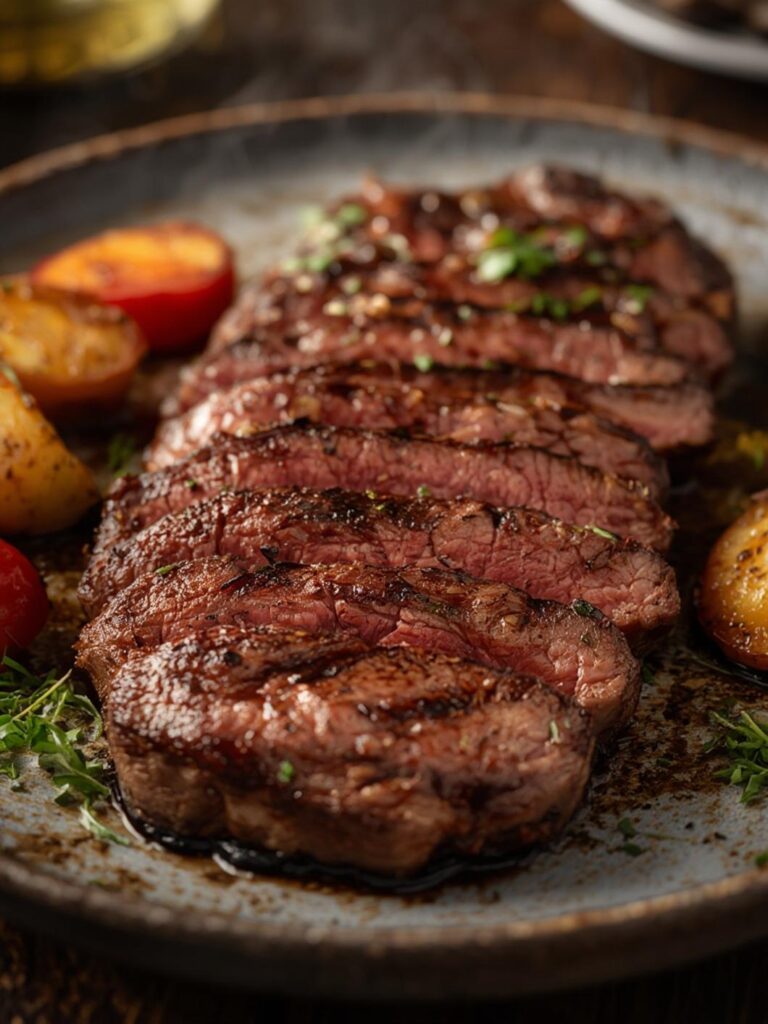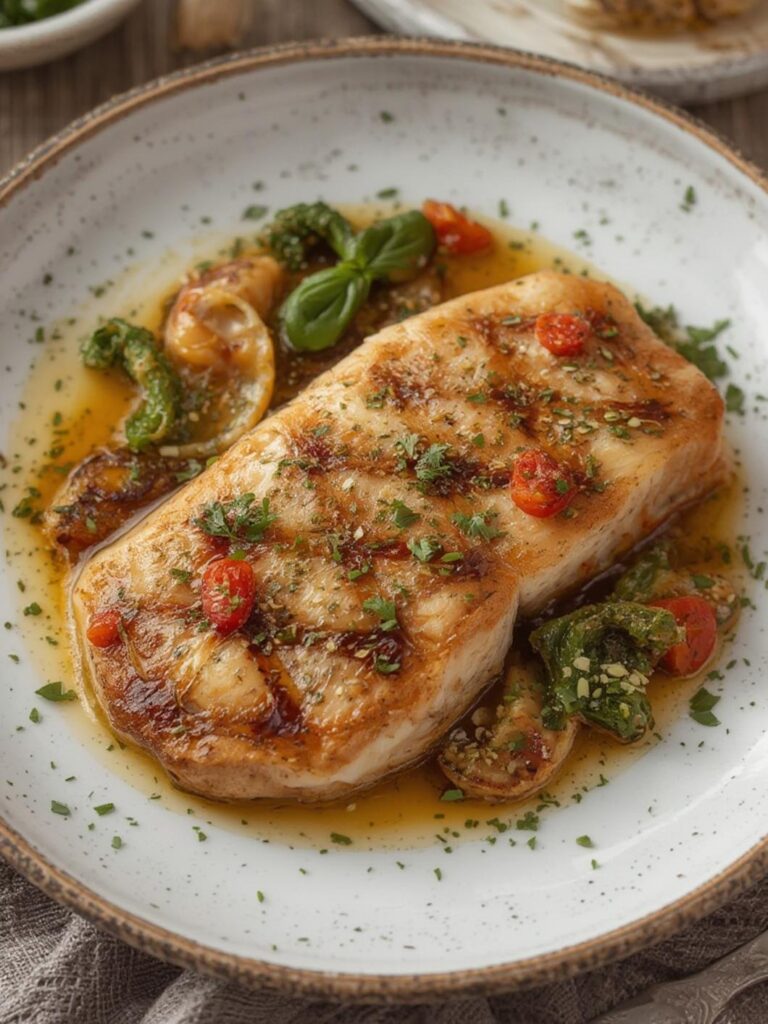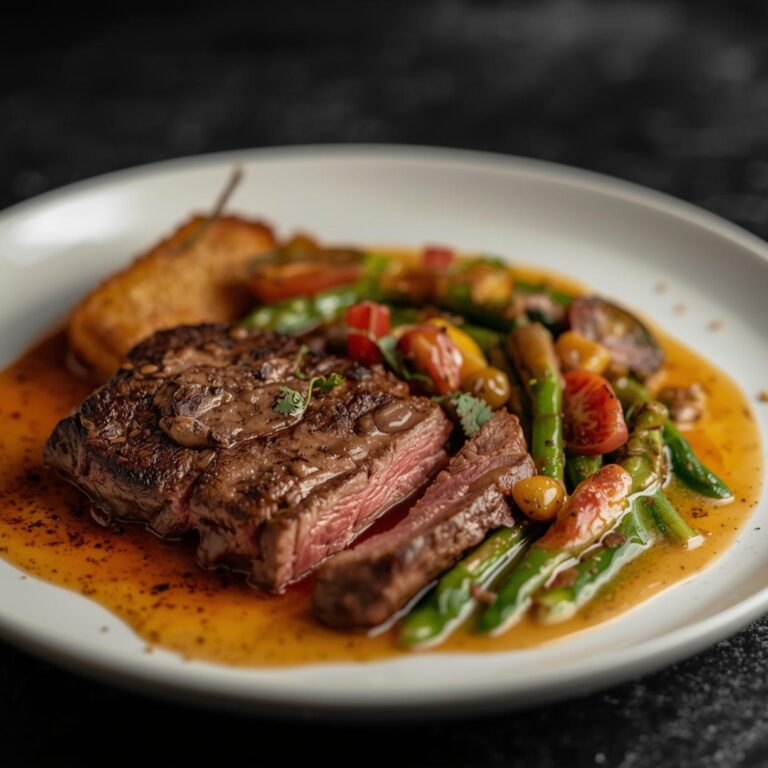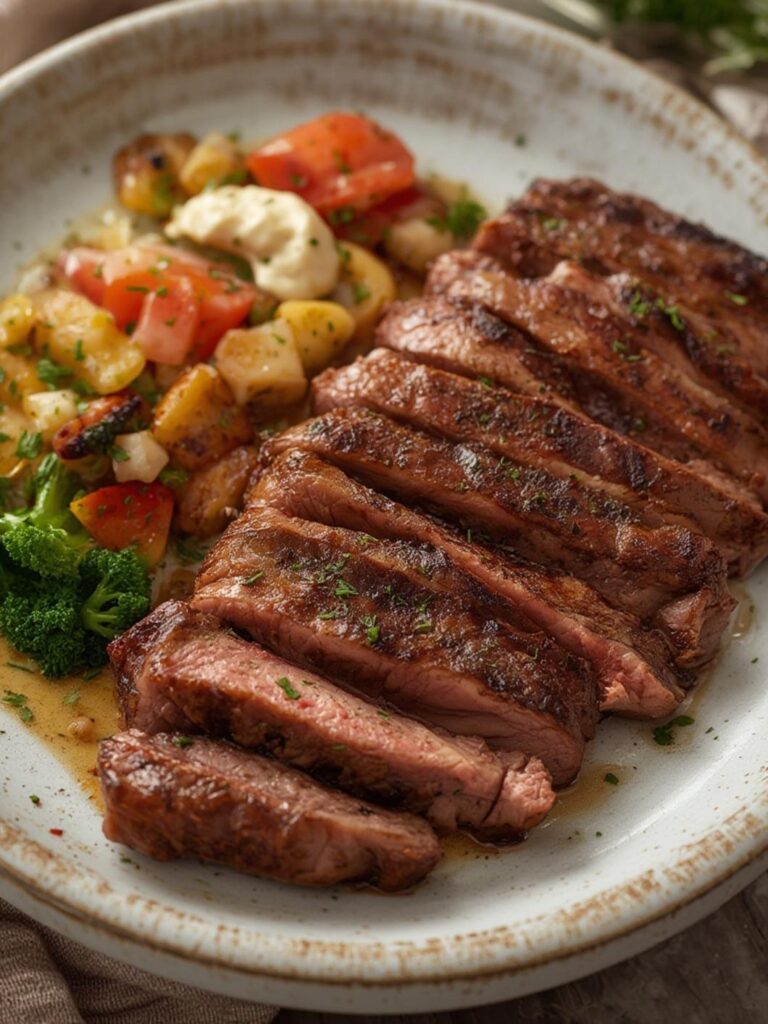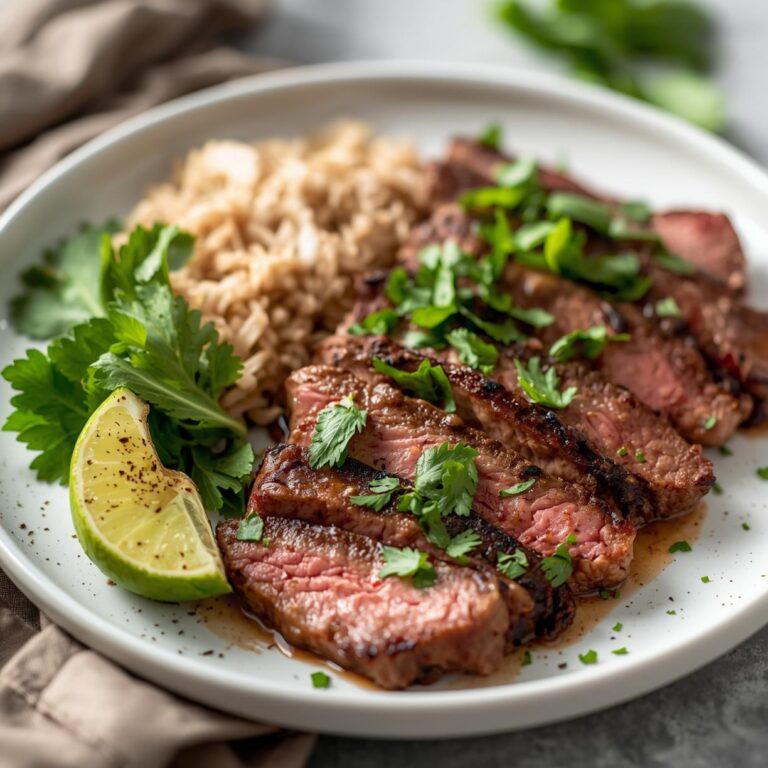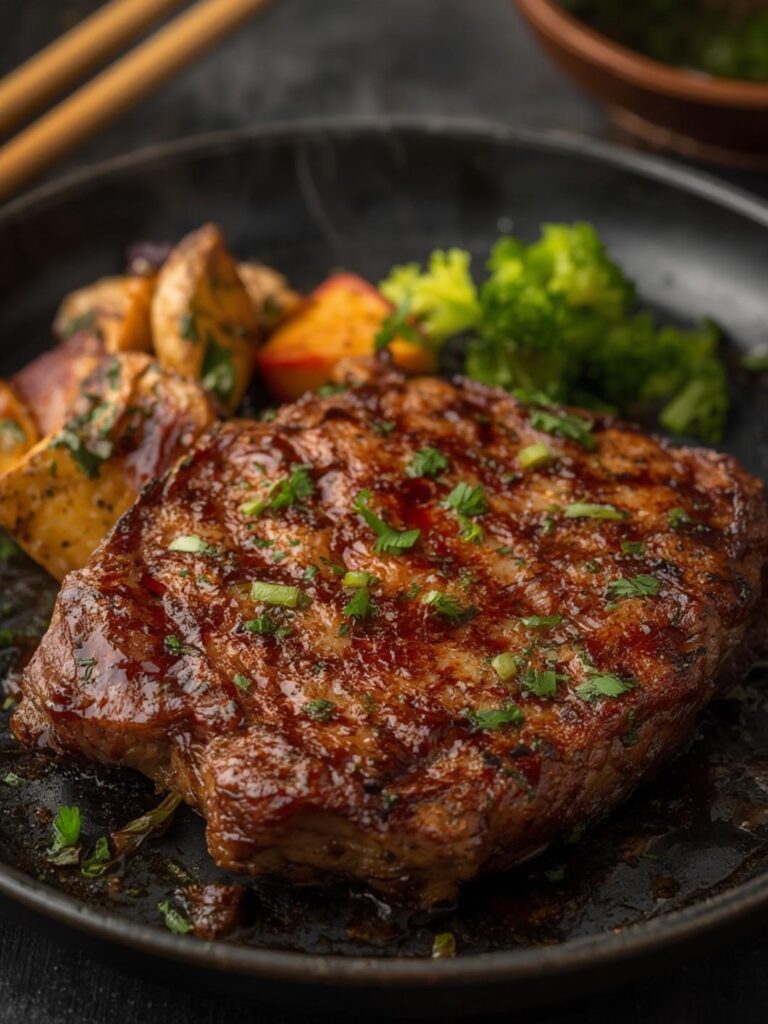
Quick way to make 5-Minute Pan Seared Steak Recipe
Table of Contents
Restaurant-Quality Steak at Home
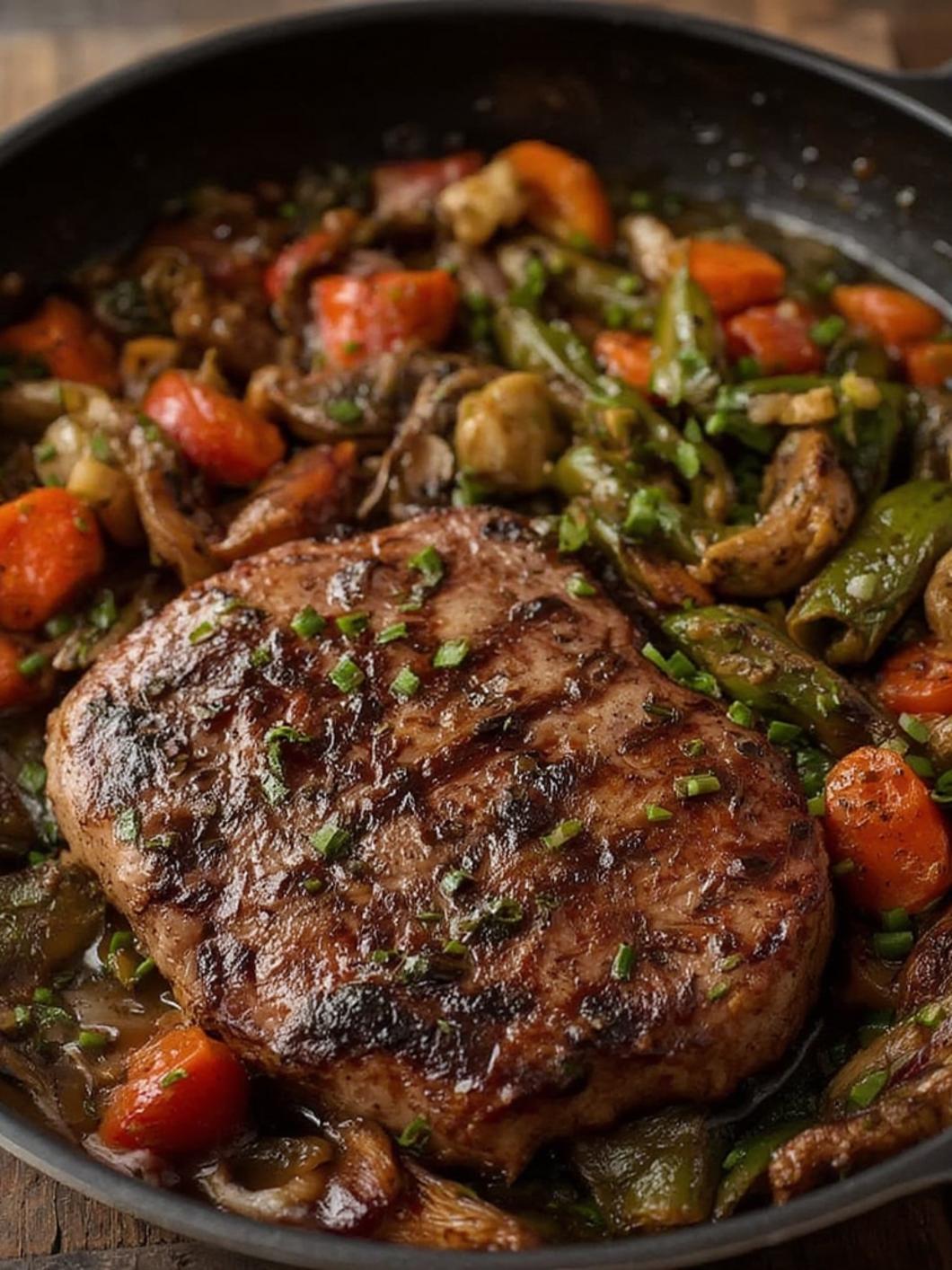
Cooking a perfect steak at home doesn’t need to be intimidating. With the right technique, you can create a restaurant-worthy meal right in your own kitchen. The key to incredible steak lies in getting that beautiful golden-brown crust while maintaining a juicy, tender interior. This pan seared steak recipe delivers amazing results every time.
Thank you for reading this post, don't forget to subscribe!If you’ve ever wondered how to pan sear steak properly, you’re in the right place. The technique is surprisingly straightforward but yields impressive results that will have your family and guests thinking you’ve taken professional cooking classes. Plus, this method works for various cuts, from ribeye to strip steak, making it a versatile cooking skill worth mastering.
Ingredients List
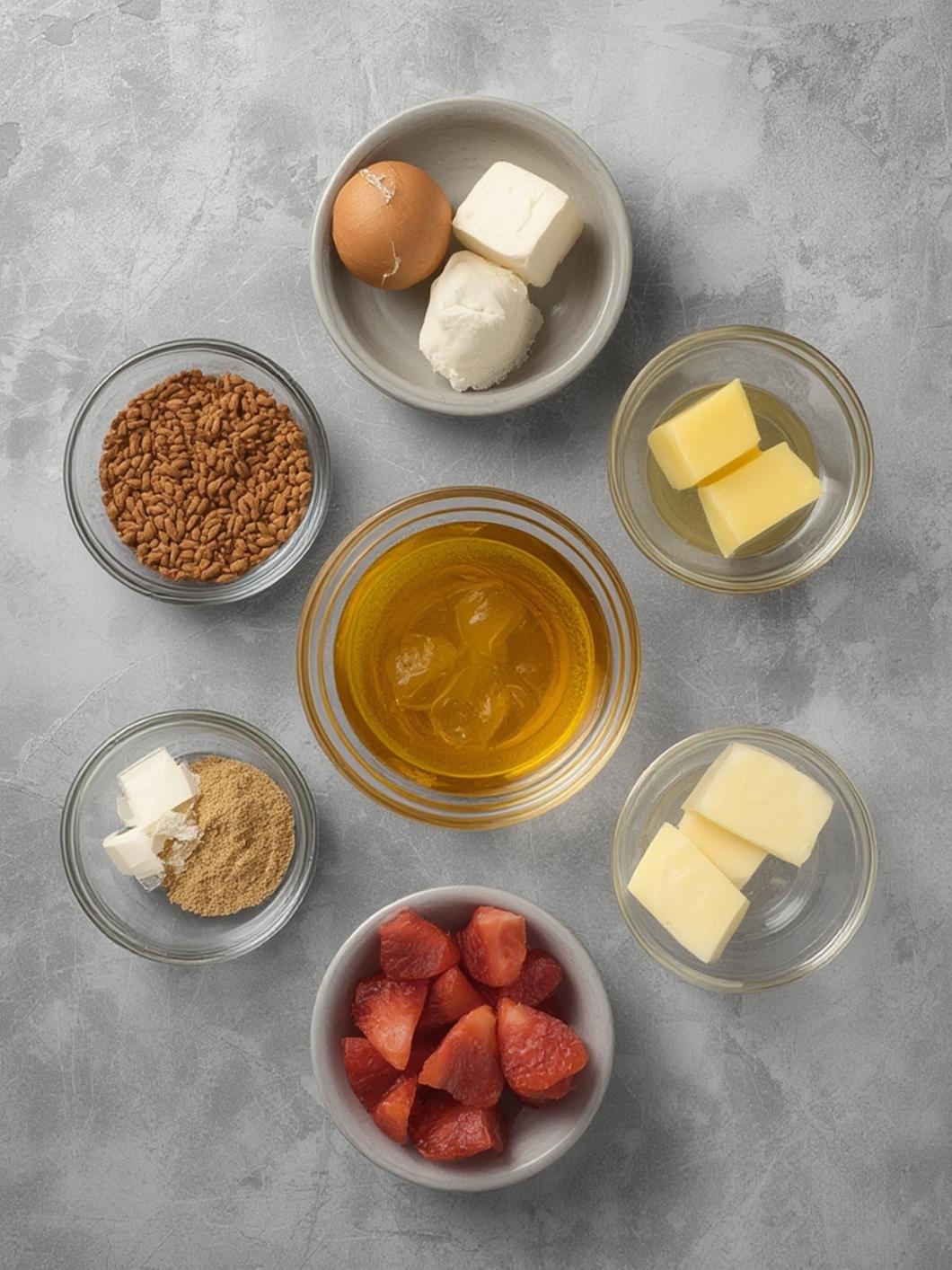
– 2 steaks (ribeye, New York strip, or sirloin), 1-1½ inches thick
– 2 tablespoons high smoke point oil (avocado, grapeseed, or canola)
– 2 tablespoons unsalted butter
– 3 cloves garlic, peeled and smashed
– 2-3 sprigs fresh thyme or rosemary
– 1½ teaspoons kosher salt
– 1 teaspoon freshly ground black pepper
Optional ingredients for compound butter:
– 4 tablespoons softened butter
– 1 tablespoon fresh herbs (parsley, thyme, or rosemary), finely chopped
– 1 small garlic clove, minced
– ½ teaspoon lemon zest
– Pinch of salt
Step-by-Step Instructions
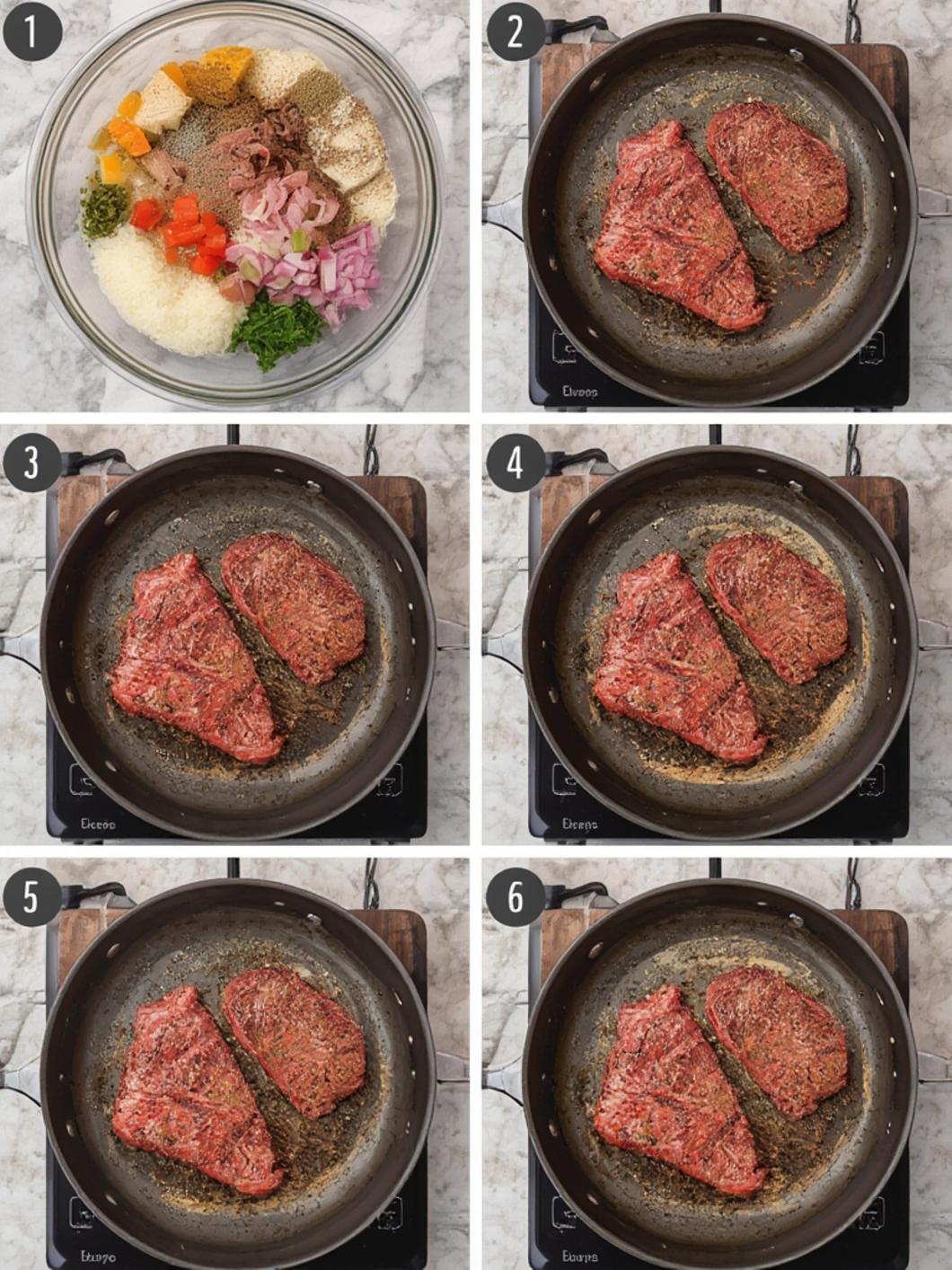
1. Remove the steaks from the refrigerator 30-45 minutes before cooking to allow them to come to room temperature. This ensures even cooking.
2. Pat the steaks thoroughly dry with paper towels. Any moisture on the surface will prevent proper searing.
3. Season both sides generously with salt and pepper, pressing the seasonings into the meat.
4. Heat a large cast-iron skillet over high heat until it’s very hot, about 5 minutes. A properly heated pan is essential for a pan seared steak recipe that delivers that perfect crust. Many home cooks don’t realize how to pan sear steak properly, but the secret is getting your pan hot enough before adding the meat.
5. Add the oil to the hot pan and swirl to coat. When the oil begins to shimmer, carefully place the steaks in the pan, making sure they don’t touch each other.
6. Cook the steaks without moving them for 3-4 minutes (for medium-rare) to develop a deep golden crust.
7. Flip the steaks and add the butter, garlic, and herb sprigs to the pan. As the butter melts, tilt the pan slightly and use a spoon to baste the steaks continuously with the butter mixture for 2-3 minutes.
8. Check the internal temperature with an instant-read thermometer: 125°F for rare, 135°F for medium-rare, 145°F for medium, 150°F for medium-well, and 160°F for well-done.
9. Transfer the steaks to a cutting board and let them rest for 5-10 minutes before slicing or serving. This allows the juices to redistribute throughout the meat.
Preparation & Cooking Time
– Preparation time: 10 minutes (plus 30-45 minutes for bringing steak to room temperature)
– Cooking time: 8-10 minutes
– Resting time: 5-10 minutes
– Total time: 55-75 minutes
– Servings: 2
Tips & Variations
Flavor Enhancement Tips:
– For enhanced flavor, dry brine your steak by salting it and leaving it uncovered in the refrigerator for 24 hours before cooking.
– Try different compound butters like blue cheese butter or chipotle butter to add complexity.
– Deglaze the pan with red wine or beef stock after cooking to create a quick pan sauce.
Ingredient Substitutions:
– No fresh herbs? Use 1 teaspoon of dried herbs instead.
– Replace butter with 1 tablespoon olive oil for a dairy-free option.
– For a leaner option, use sirloin or tenderloin instead of ribeye.
Alternative Cooking Methods:
– Reverse sear method: Cook the steak in a 275°F oven until it reaches 15°F below your target temperature, then sear it in a hot pan to finish.
– Sous vide then sear: Cook the steak in a water bath at your desired temperature, then quickly sear in a very hot pan for the crust.
– Grill-seared: Start the steak on a very hot grill, then move to indirect heat to finish cooking.
Common Mistakes to Avoid
1. Not letting the steak come to room temperature: Cold steaks cook unevenly. Allow 30-45 minutes of resting time before cooking.
2. Overcrowding the pan: Give each steak plenty of space. Overcrowding causes steaming instead of searing.
3. Constantly flipping the steak: Resist the urge to keep flipping. Let it develop a crust before turning.
4. Cutting into the steak immediately after cooking: This releases all the juices. Let your steak rest for at least 5 minutes after cooking.
5. Starting with a cool pan: The pan must be properly heated to achieve a good sear. Wait until it’s smoking hot before adding the steak.
6. Seasoning too early or too late: Season just before cooking, or if using salt, either 40+ minutes before or immediately before cooking to avoid drawing moisture to the surface.
Storage & Reheating Tips
Refrigerator Storage:
– Store leftover steak in an airtight container in the refrigerator for up to 3-4 days.
– For best results, slice the steak before storing to make reheating easier.
Freezer Storage:
– Wrap cooled steak tightly in plastic wrap, then place in a freezer bag with air removed.
– Frozen steak remains good for up to 3 months.
Reheating Methods:
– For best results, reheat steak in a 275°F oven until it reaches about 110°F (5-8 minutes), then quickly sear in a hot pan to refresh the crust.
– Alternatively, slice the steak thinly and warm it gently in a skillet with a bit of butter.
– Avoid microwave reheating if possible, as it can make the meat tough and rubbery.
Conclusion
Mastering the pan seared steak recipe we’ve shared today opens up endless opportunities to create restaurant-quality meals at home. The beauty of this technique is its simplicity—with just a few quality ingredients and proper technique, you can achieve incredible results. Now that you know how to pan sear steak like a professional chef, you’ll save money while impressing family and friends with your culinary skills.
Remember that practice makes perfect, so don’t be discouraged if your first attempt isn’t flawless. Each time you prepare this dish, you’ll develop a better understanding of timing, temperature, and technique. We’d love to hear about your steak-cooking adventures in the comments below!
FAQs
Q: Can I use this method for thinner steaks?
A: Yes, but you’ll need to reduce the cooking time significantly. For steaks thinner than 1 inch, sear for about 2 minutes per side and keep a close eye on the internal temperature to avoid overcooking.
Q: What’s the best steak cut for pan-searing?
A: Ribeye, New York strip, and top sirloin all work excellently for pan-searing due to their good marbling and thickness. Filet mignon also works well but requires even more careful temperature monitoring.
Q: My steak always sets off the smoke alarm. How can I prevent this?
A: Use a high smoke-point oil like avocado or grapeseed oil instead of olive oil. Also, ensure your kitchen is well-ventilated by turning on the exhaust fan and opening windows before you start cooking.
Q: Is it necessary to use a cast-iron skillet?
A: While cast iron is ideal because it retains heat well, any heavy-bottomed stainless steel pan will also work. Avoid non-stick pans as they typically shouldn’t be heated to the high temperatures required for a good sear.
Q: How can I tell if my steak is done without a meat thermometer?
A: The finger test is a good alternative: Touch your thumb and index finger together and feel the fleshy part at the base of your thumb—that’s how rare steak feels. Middle finger is medium-rare, ring finger is medium, and pinky is well-done. Compare this to how your steak feels when pressed with tongs.