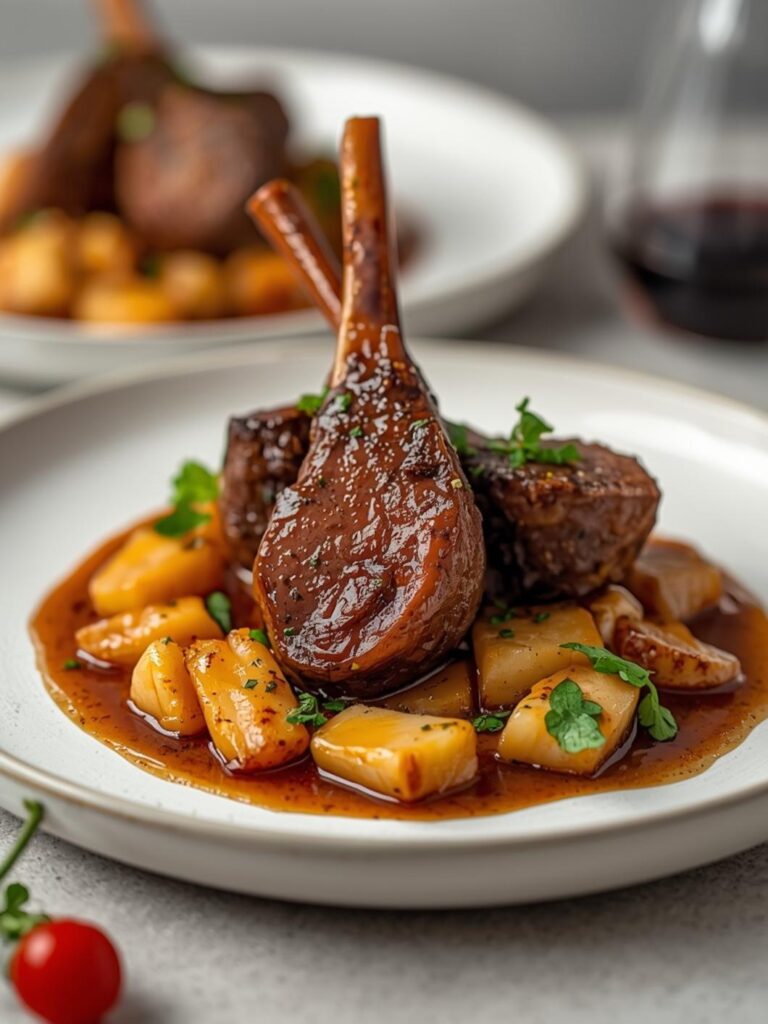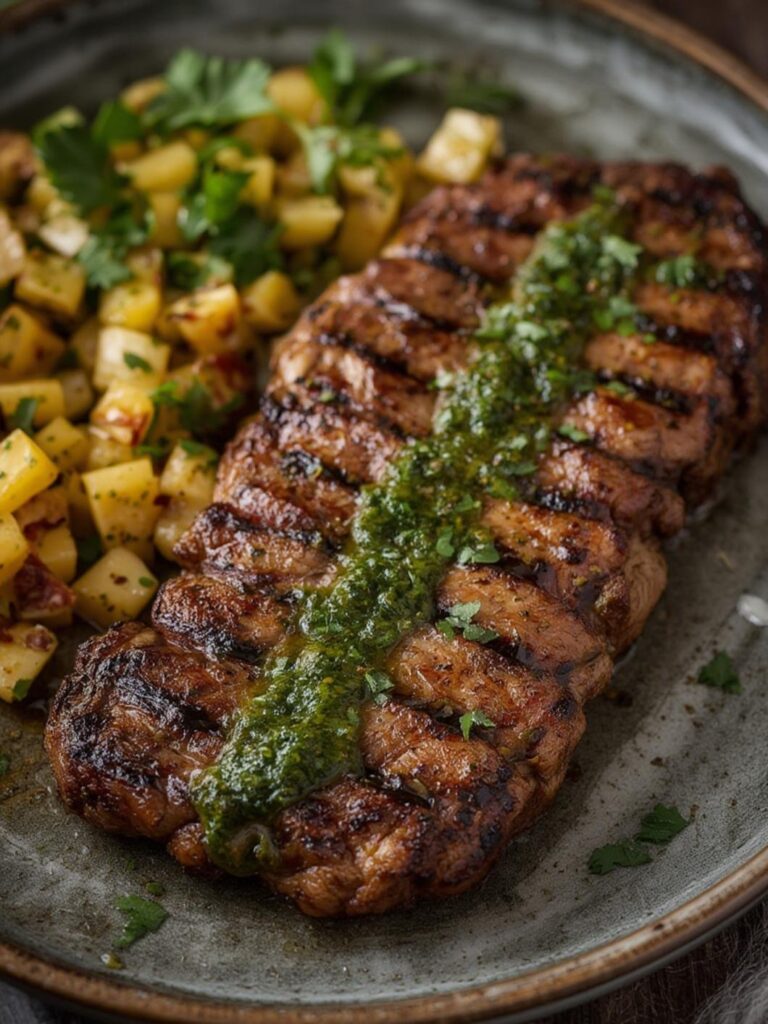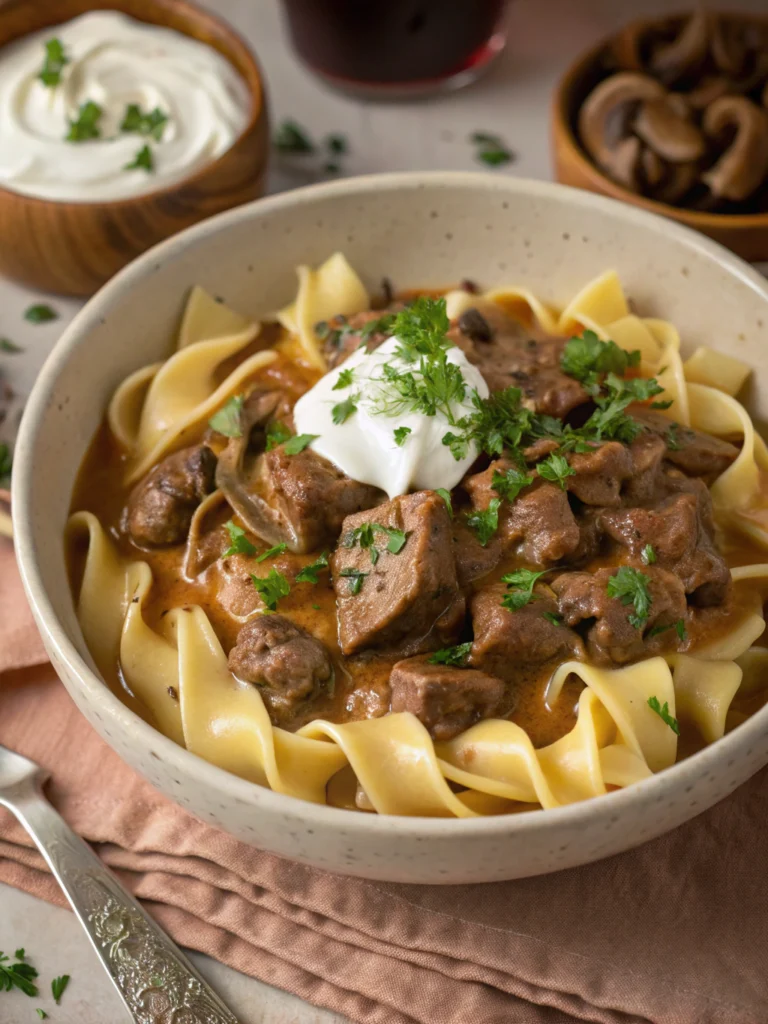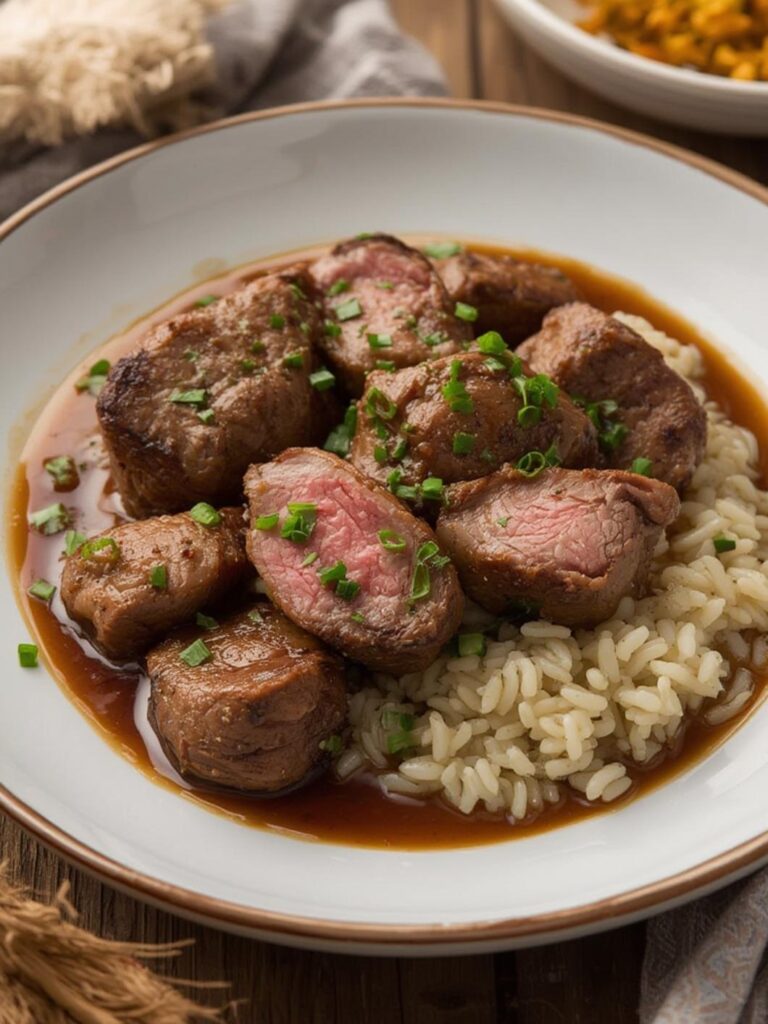
Quick way to make perfect steak in 8 minutes | how long to cook steak on stove
Table of Contents
Mastering the Perfect Stovetop Steak
When it comes to cooking a restaurant-quality steak at home, the stovetop method offers exceptional results when done correctly. Many home cooks struggle with achieving that perfect balance of a caramelized crust while maintaining a juicy, tender interior.
Thank you for reading this post, don't forget to subscribe!Understanding how long to cook steak on stove makes all the difference between a mediocre meal and an extraordinary dining experience. This technique doesn’t require fancy equipment—just a good pan, quality meat, and proper timing. The beauty of mastering stovetop steak cooking time is that you’ll save money while enjoying restaurant-quality results right in your own kitchen.
Ingredients List
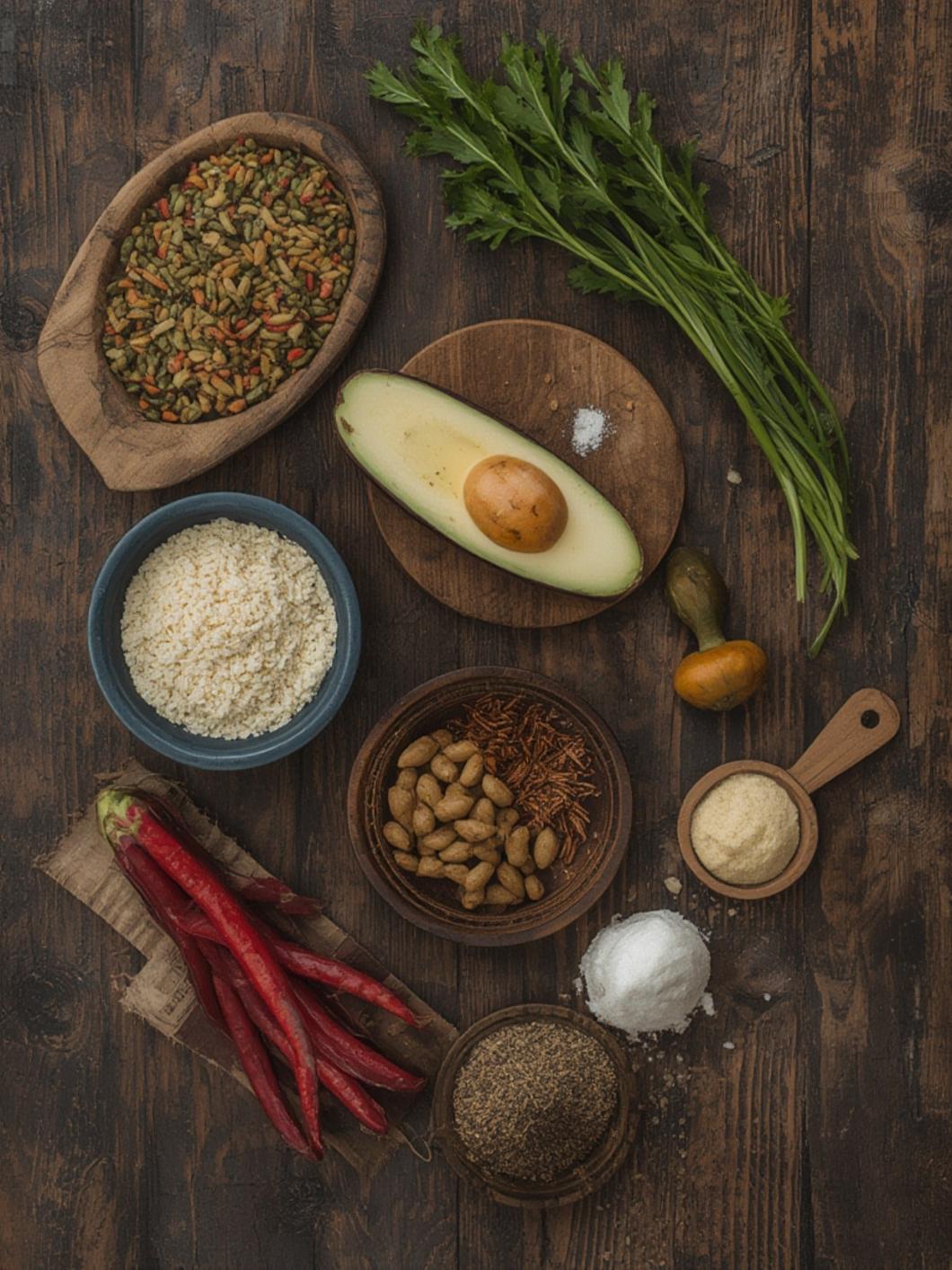
– 2 steaks (ribeye, strip, or sirloin), 1-1.5 inches thick
– 2 tablespoons high-heat cooking oil (avocado, grapeseed, or canola)
– 2 tablespoons unsalted butter
– 3-4 garlic cloves, peeled and smashed
– 2-3 sprigs fresh rosemary or thyme
– 1 tablespoon kosher salt
– 1 teaspoon freshly ground black pepper
– 1/2 teaspoon garlic powder (optional)
Optional flavor enhancers:
– 1 tablespoon Worcestershire sauce
– 1 tablespoon soy sauce (reduced-sodium recommended)
– 1/2 teaspoon crushed red pepper flakes
Step-by-Step Instructions
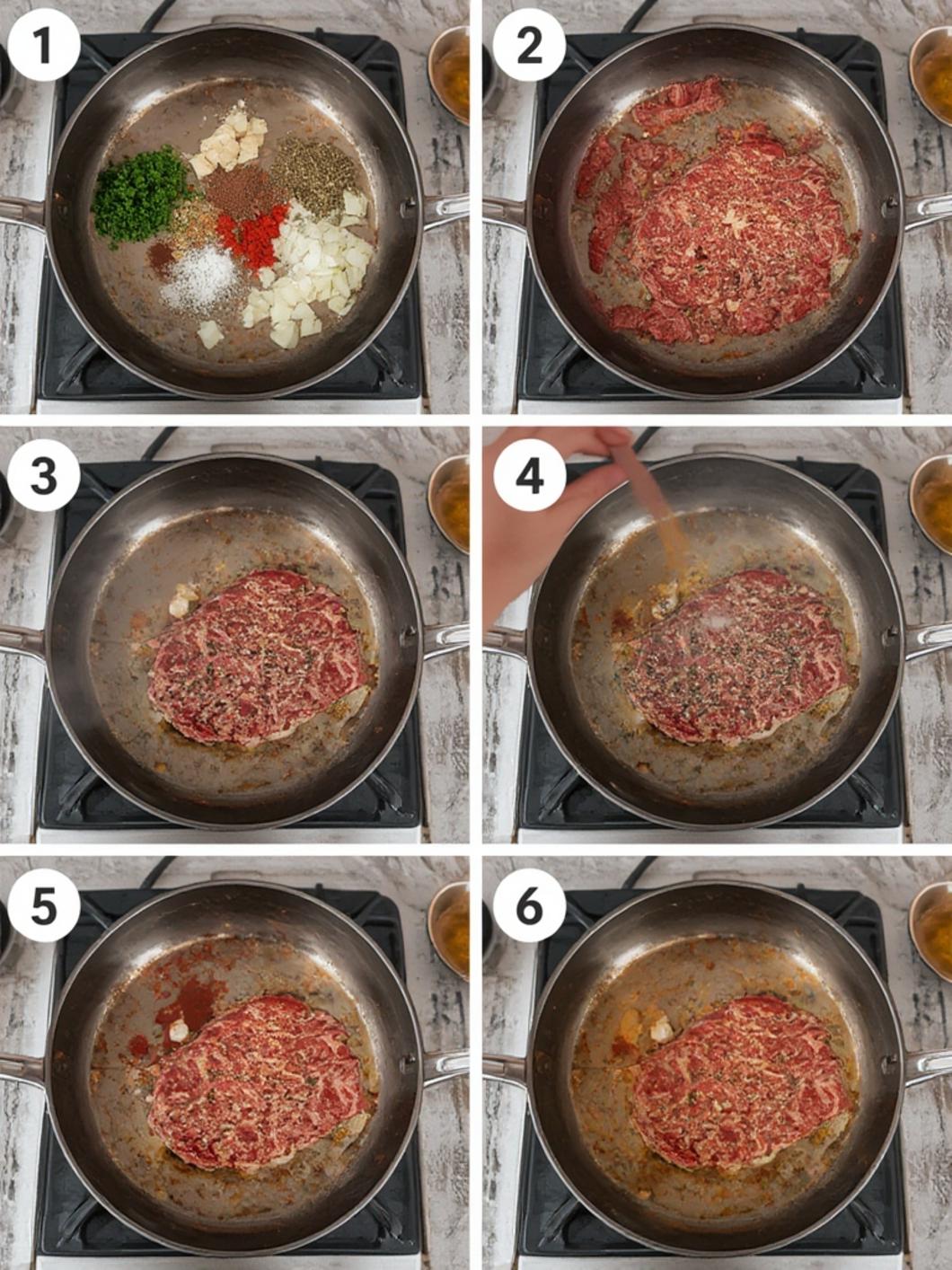
1. Prepare the steaks: Remove steaks from refrigerator 30-45 minutes before cooking to bring them to room temperature. Pat dry thoroughly with paper towels to ensure proper searing.
2. Season generously: Season both sides of your steaks with salt, pepper, and optional garlic powder. Press seasonings into the meat to adhere properly.
3. Heat your pan: Place a heavy cast iron skillet or heavy-bottomed pan over high heat until it’s smoking hot, about 3-5 minutes. A properly preheated pan is crucial for a good sear.
4. Add oil: Add high-heat cooking oil to the pan and swirl to coat evenly. The oil should shimmer but not smoke excessively.
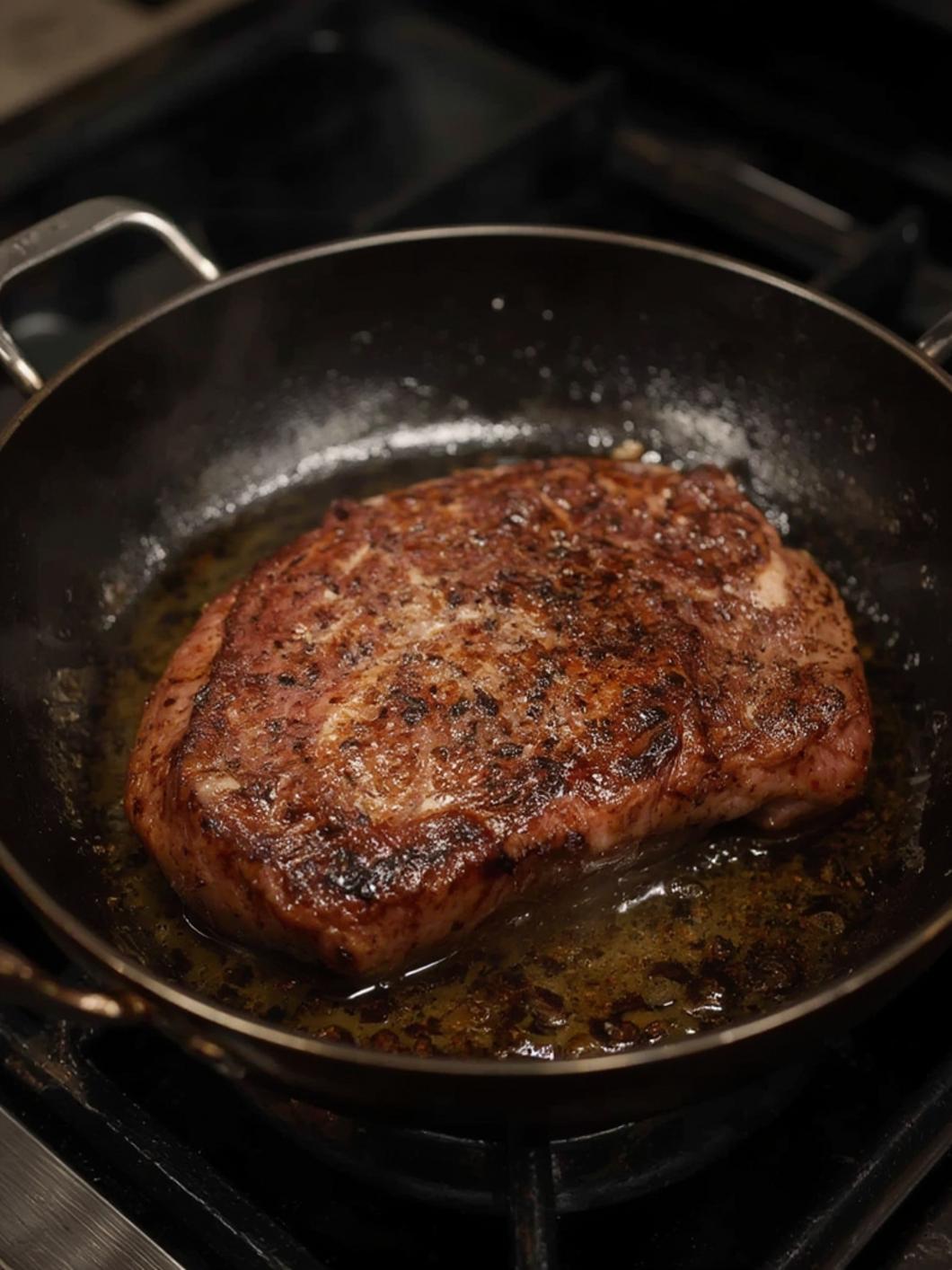
5. Start cooking: Carefully place steaks in the hot pan, ensuring they don’t touch. Press down lightly to maximize contact with the pan. This initial sear is where many get confused about how long to cook steak on stove, but patience is key. For medium-rare, sear for 3-4 minutes without moving.
6. Flip and continue cooking: Flip steaks only once and cook for another 3-4 minutes. Accurate stovetop steak cooking time depends on thickness and desired doneness.
7. Add aromatics and basting fat: Reduce heat to medium. Add butter, garlic, and herbs to the pan. Once butter melts, tilt the pan and spoon the aromatic butter over the steaks continuously for 1-2 minutes.
8. Check temperature: Use a meat thermometer to check internal temperature: 125°F for rare, 135°F for medium-rare, 145°F for medium, 155°F for medium-well, or 160°F for well done. Remember that temperature will rise about 5°F during resting.
9. Rest the meat: Transfer steaks to a cutting board or warm plate. Tent loosely with aluminum foil and rest for 5-10 minutes to allow juices to redistribute.
10. Slice and serve: Cut steaks against the grain and serve with pan drippings spooned over the top for maximum flavor.
Preparation & Cooking Time
– Prep time: 35-45 minutes (including bringing steak to room temperature)
– Cooking time: 8-12 minutes (depending on thickness and desired doneness)
– Resting time: 5-10 minutes
– Total time: 50-65 minutes
– Servings: 2-3 people (depending on steak size)
Tips & Variations
Flavor Enhancement Tips:
– For extra flavor, create a compound butter with herbs, garlic, and lemon zest to melt over resting steaks
– Try a quick pan sauce by deglazing with red wine or beef broth after removing steaks
– Finish with flaky sea salt just before serving for enhanced texture and flavor
– Experiment with dry brining by salting steaks 24 hours before cooking and leaving uncovered in the refrigerator
Ingredient Substitutions:
– Replace fresh herbs with 1/2 teaspoon dried herbs if fresh aren’t available
– Olive oil can substitute for other oils, but watch carefully as it has a lower smoke point
– If butter isn’t an option, try ghee for a similar flavor profile with higher smoke point
– For dairy-free options, finish with infused olive oil instead of butter
Alternative Cooking Methods:
– For extra-thick steaks, try the “reverse sear” method: start in a 275°F oven until 15°F below target temperature, then finish with a quick sear
– If you have a sous vide machine, cook steaks to perfect doneness before a final stovetop sear
– For leaner cuts, try a quick marinade with acidic ingredients like lemon juice or vinegar before cooking
Common Mistakes to Avoid
1. Cooking cold steak: Always bring steaks to room temperature before cooking for even heat distribution.
2. Overcrowding the pan: Cook steaks one or two at a time to maintain proper temperature and prevent steaming.
3. Flipping too early or too often: Wait for the crust to form before flipping and only flip once if possible.
4. Cutting immediately after cooking: Skipping the resting period causes juices to run out, leaving dry meat.
5. Using the wrong pan: Lightweight pans don’t retain enough heat. Always use heavy-bottomed or cast iron pans.
6. Under-seasoning: Steaks need generous seasoning as much of it falls off during cooking.
7. Relying on timing alone: Use a meat thermometer instead of timing exclusively, as thickness and starting temperature affect cooking times.
Storage & Reheating Tips
Storage:
– Refrigerate leftover steak within two hours of cooking
– Wrap tightly in plastic wrap or store in an airtight container
– Properly stored, cooked steak lasts 3-4 days in the refrigerator
– For longer storage, freeze for up to 2-3 months in freezer-safe containers or heavy-duty freezer bags
Reheating:
– For best results, slice steak thinly before reheating to prevent overcooking
– Reheat gently in a pan with a splash of beef broth over low heat until just warm
– Alternatively, wrap in foil and heat in a 275°F oven until warmed through (about 15-20 minutes)
– Avoid microwave reheating if possible, but if necessary, use 50% power in short intervals
– Consider enjoying leftover steak cold in salads to preserve texture and flavor
Conclusion
Perfecting your stovetop steak is an invaluable culinary skill that elevates your home cooking to professional levels. With practice, you’ll develop an intuitive sense of how long to cook steak on stove for your preferred level of doneness.
The combination of high heat, proper seasoning, and careful timing delivers restaurant-quality results at a fraction of the cost. Remember that mastering stovetop steak cooking time takes practice, but the reward of a perfectly cooked steak makes the learning process enjoyable. We’d love to hear about your experiences with this method and any personal touches you’ve added to make it your own!
FAQs
Q: Can I use this method for thinner steaks?
A: Yes, but reduce the cooking time considerably. For steaks less than 1 inch thick, aim for 2-3 minutes per side for medium-rare results and adjust accordingly for other levels of doneness.
Q: Why is my steak not developing a good crust?
A: There are three likely causes: the pan wasn’t hot enough before adding the steak, the steak wasn’t properly patted dry, or the pan was overcrowded. Ensure your pan is smoking hot, the steak is completely dry, and cook one or two steaks at a time.
Q: Is it necessary to use butter for basting?
A: While butter adds flavor and helps develop a beautiful crust, it’s not absolutely necessary. You can achieve good results with oil alone, though the flavor profile will be different.
Q: Can I marinate the steak before cooking with this method?
A: Yes, but pat the steak very dry before cooking, as excess moisture will interfere with proper searing. Also, be aware that acidic marinades can affect texture if left too long, so marinate for no more than 4 hours for most cuts.
Q: How can I tell doneness without a meat thermometer?
A: While a thermometer is most accurate, you