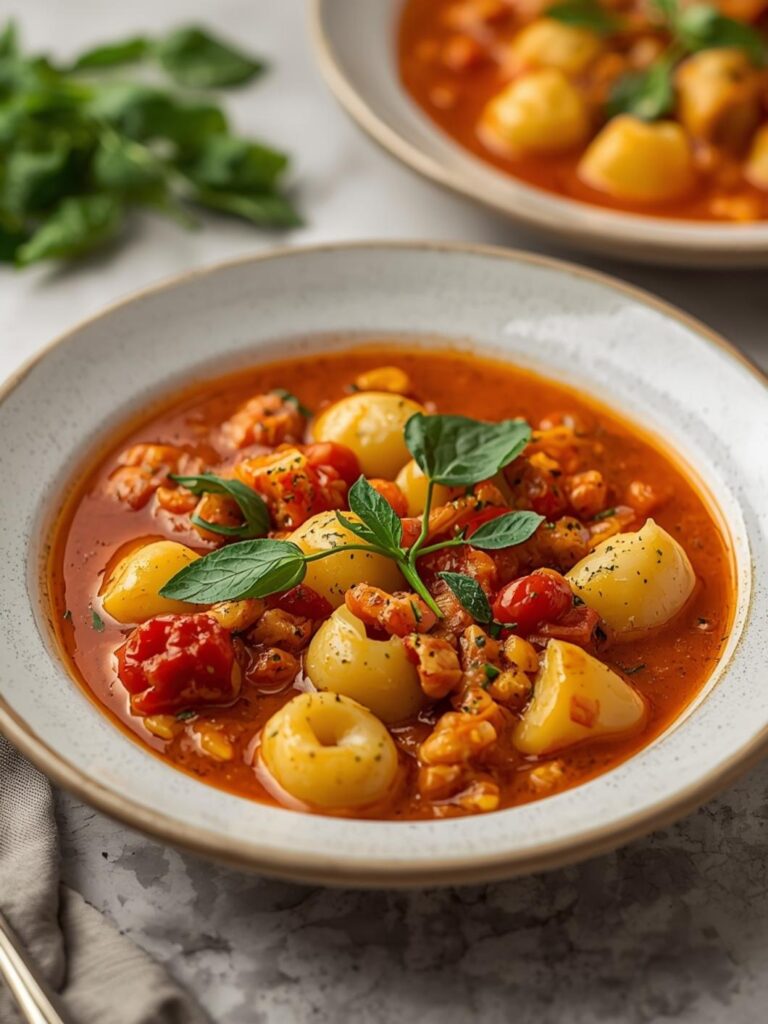
Quick way to make 10 winter soup recipes
Table of Contents
Hearty Italian Minestrone Soup: A Comforting Classic
As winter’s chill settles in, nothing satisfies the soul quite like a steaming bowl of homemade soup. This traditional Italian minestrone is the perfect addition to your collection of winter soup recipes when you’re craving something both nourishing and delicious.
Thank you for reading this post, don't forget to subscribe!Packed with seasonal vegetables, beans, and pasta, this hearty winter soup delivers incredible flavor while providing a complete meal in a bowl. What makes minestrone special is its wonderful versatility – you can adapt it based on what’s in your pantry or what looks fresh at the market. Perfect for family dinners, meal prep, or anytime you need warming comfort food that doesn’t skimp on nutrition.
Ingredients List
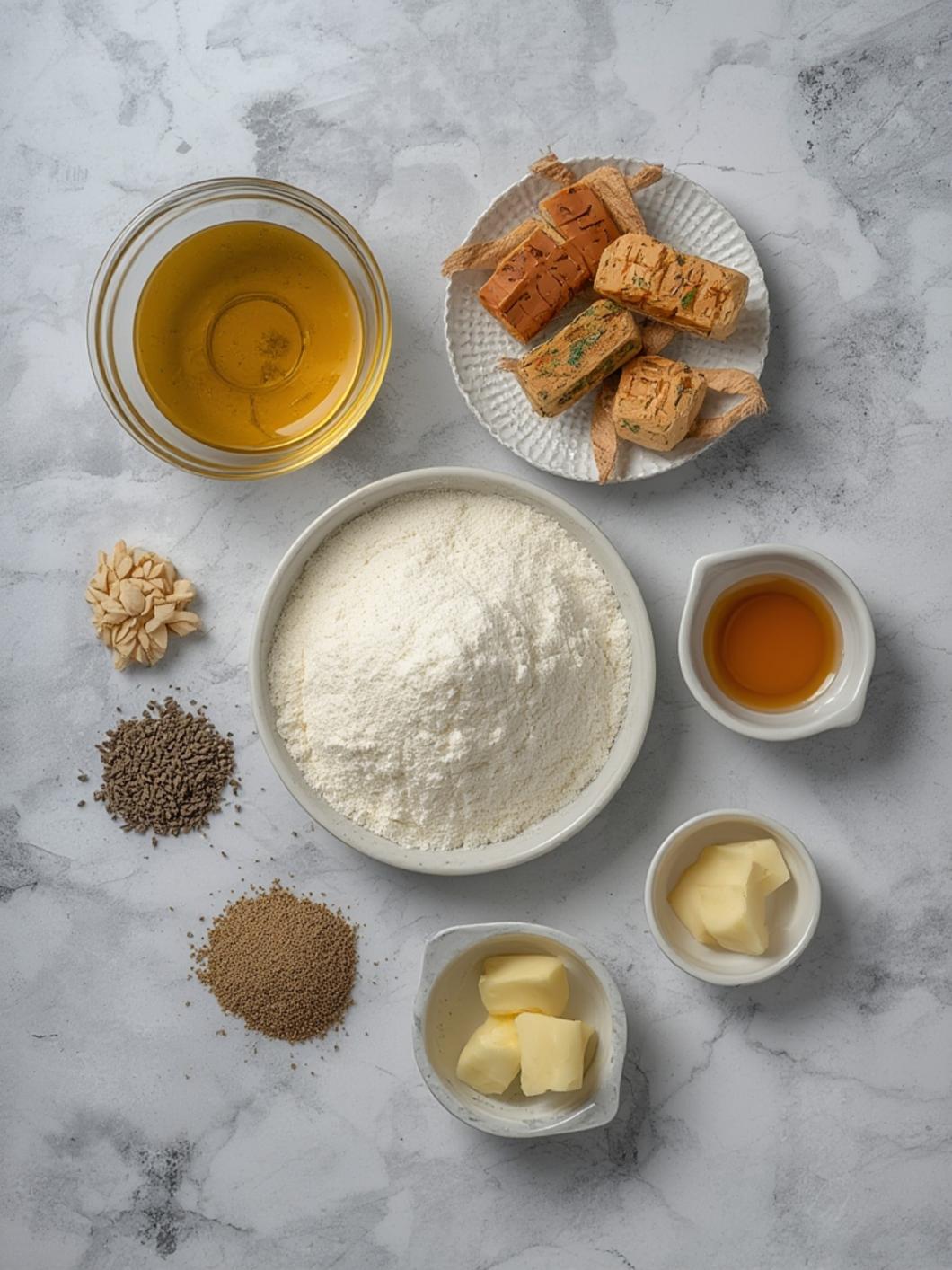
- 2 tablespoons olive oil
- 1 large onion, diced
- 2 medium carrots, diced
- 2 celery stalks, diced
- 3 cloves garlic, minced
- 1 medium zucchini, diced
- 1 cup green beans, trimmed and cut into 1-inch pieces
- 1 can (14.5 oz) diced tomatoes
- 6 cups vegetable or chicken broth
- 1 can (15 oz) cannellini beans, drained and rinsed
- 1 can (15 oz) kidney beans, drained and rinsed
- 2 bay leaves
- 1 teaspoon dried oregano
- 1 teaspoon dried basil
- 1/2 teaspoon dried thyme
- 1/2 teaspoon red pepper flakes (optional)
- 3/4 cup small pasta (like ditalini, elbow, or small shells)
- 2 cups fresh spinach, roughly chopped
- 1/4 cup fresh parsley, chopped
- Salt and freshly ground black pepper, to taste
- Freshly grated Parmesan cheese, for serving (optional)
Step-by-Step Instructions
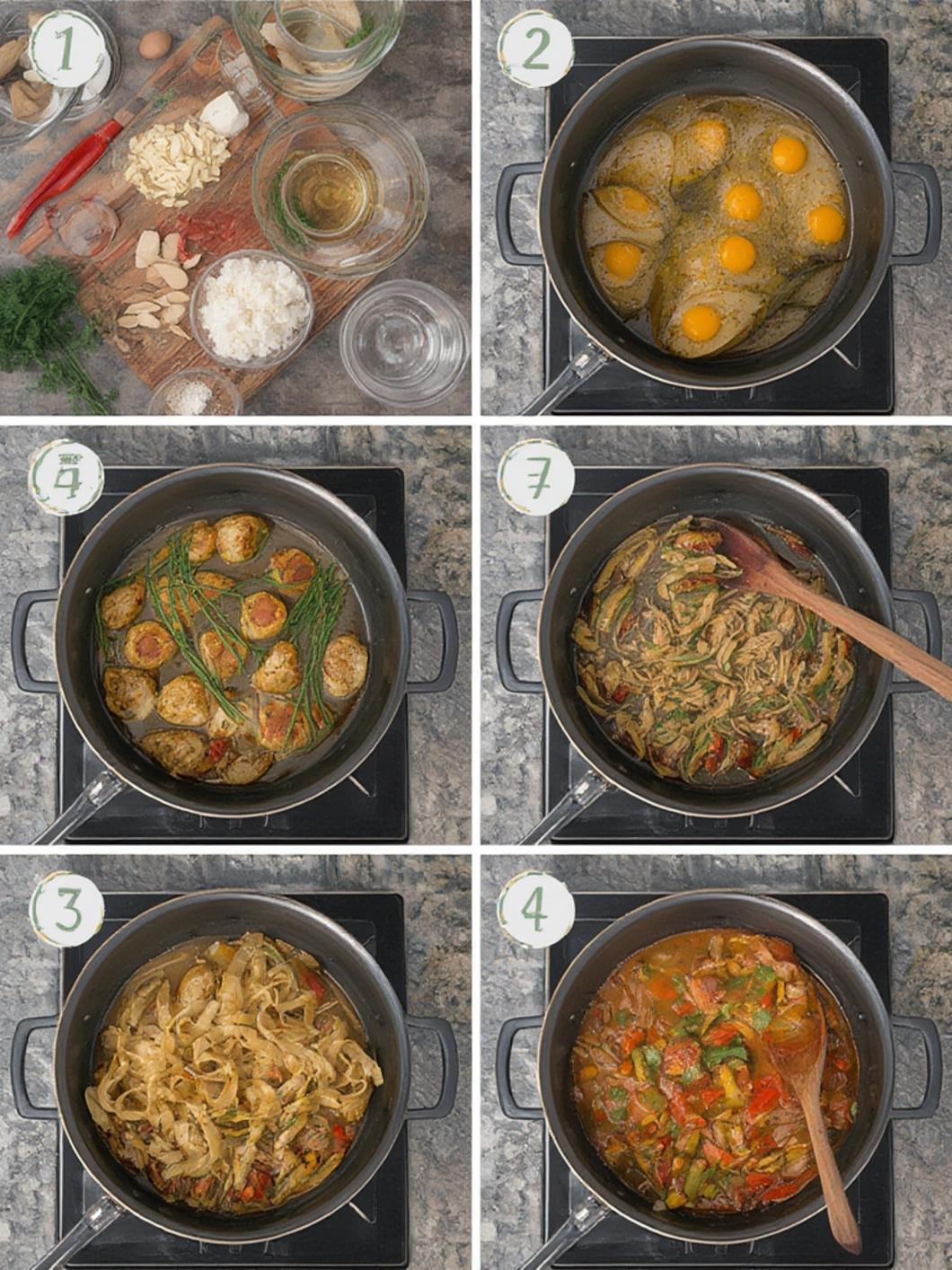
1. Heat olive oil in a large pot or Dutch oven over medium heat. Add the diced onion, carrots, and celery (this trio is called “soffritto” in Italian cooking). Cook for 5-7 minutes until vegetables begin to soften.
2. Add the minced garlic and cook for another 30 seconds until fragrant, being careful not to burn it.
3. Stir in the zucchini and green beans, cooking for 3-4 minutes until they start to soften.
4. Pour in the diced tomatoes with their juice and stir well, scraping up any browned bits from the bottom of the pot.
5. Add the broth, both types of beans, bay leaves, dried herbs, and red pepper flakes if using. Season with salt and pepper. When searching for winter soup recipes, you’ll find that this hearty winter soup stands out for its rich vegetable stock base that develops incredible flavor during simmering.
6. Bring the mixture to a boil, then reduce heat to maintain a gentle simmer. Cover partially and cook for about 20 minutes, allowing the flavors to meld.
7. Add the pasta to the pot and cook according to package directions, usually 8-10 minutes, until al dente. Stir occasionally to prevent sticking.
8. When pasta is nearly done, stir in the chopped spinach and cook until just wilted, about 1-2 minutes.
9. Remove from heat, discard the bay leaves, and stir in the fresh parsley.
10. Taste and adjust seasoning as needed before serving in warm bowls, topped with freshly grated Parmesan cheese if desired.
Preparation & Cooking Time

- Prep time: 20 minutes
- Cooking time: 40 minutes
- Total time: 1 hour
- Servings: 6-8 bowls
Tips & Variations
- Vegetable Variations: Feel free to use seasonal vegetables like butternut squash, cabbage, or potatoes.
- Protein Options: Add browned Italian sausage, shredded chicken, or ground beef for a meatier version.
- Gluten-Free Adaptation: Simply substitute the regular pasta with gluten-free pasta or add extra beans instead.
- Dairy-Free/Vegan: Skip the Parmesan cheese or use a plant-based alternative.
- Freezer-Ready Tip: If planning to freeze, consider cooking and storing the pasta separately to prevent it from becoming mushy.
- Flavor Boost: Add a Parmesan cheese rind while simmering for incredible depth of flavor.
- Slow Cooker Method: Combine all ingredients except pasta, spinach, and parsley in a slow cooker. Cook on low for 6-8 hours, adding pasta during the last 30 minutes and spinach/parsley just before serving.
Common Mistakes to Avoid
- Overcooking the pasta: Add pasta toward the end of cooking time to avoid mushy results. If making ahead, consider cooking pasta separately.
- Under-seasoning: Taste before serving and adjust seasonings. Vegetables and beans need proper seasoning to shine.
- Rushing the soffritto: The onion, carrot, and celery base needs time to develop flavor. Don’t rush this initial cooking step.
- Using low-quality broth: Since broth forms the soup’s base, use homemade or high-quality store-bought for best results.
- Forgetting acid balance: If your soup tastes flat, add a splash of red wine vinegar or lemon juice to brighten flavors.
- Not allowing time for flavor development: Soup tastes even better the next day, so consider making it ahead when possible.
Storage & Reheating Tips
- Refrigerator Storage: Store cooled soup in airtight containers for up to 4 days in the refrigerator.
- Freezer Storage: Freeze in portion-sized containers for up to 3 months. For best texture, freeze before adding pasta.
- Thawing Method: Thaw overnight in the refrigerator or use the defrost function on your microwave.
- Reheating on Stovetop: Reheat gently over medium-low heat, stirring occasionally until hot throughout.
- Microwave Reheating: Microwave in a covered container, stirring halfway through heating time.
- Freshening Up Leftovers: Add fresh herbs, a drizzle of olive oil, or a sprinkle of Parmesan when serving leftover soup.
- Texture Fixes: If the soup thickens too much during storage, add a splash of broth when reheating.
Conclusion
This classic Italian minestrone is more than just a meal – it’s a celebration of fresh ingredients coming together in perfect harmony. Whether you’re looking for winter soup recipes to feed a crowd or simply craving a hearty winter soup to enjoy throughout the week, this versatile dish delivers incredible flavor while being adaptable to your preferences. The beauty of minestrone lies in its forgiving nature – each batch tells the story of the season and your pantry’s treasures. We hope this recipe becomes a cherished part of your cooking repertoire, bringing comfort and nourishment to your table throughout the colder months and beyond.
FAQs
Can I make this soup ahead of time?
Yes, minestrone actually improves with time as the flavors meld. Make it a day ahead for the best flavor, but add the pasta when reheating to prevent it from becoming too soft.
How can I make this soup thicker?
For a thicker consistency, mash some of the beans before adding them, use an immersion blender to partially blend the soup, or add a parmesan rind during cooking which releases starch and adds richness.
Can I use frozen vegetables?
Absolutely! Frozen vegetables work well in this recipe. Add them directly to the pot without thawing, but you may need to adjust cooking times slightly.
What can I substitute for pasta to make this low-carb?
Try adding extra beans, cauliflower florets, or zucchini noodles in place of the pasta. For zucchini noodles, add them just before serving as they cook very quickly.
My soup tastes bland. How can I enhance the flavor?
Try adding more salt (soup often needs more than you think), a splash of balsamic vinegar or lemon juice for acidity, extra herbs, or a drizzle of good quality olive oil when serving. A sprinkle of grated Parmesan also adds wonderful umami flavor.