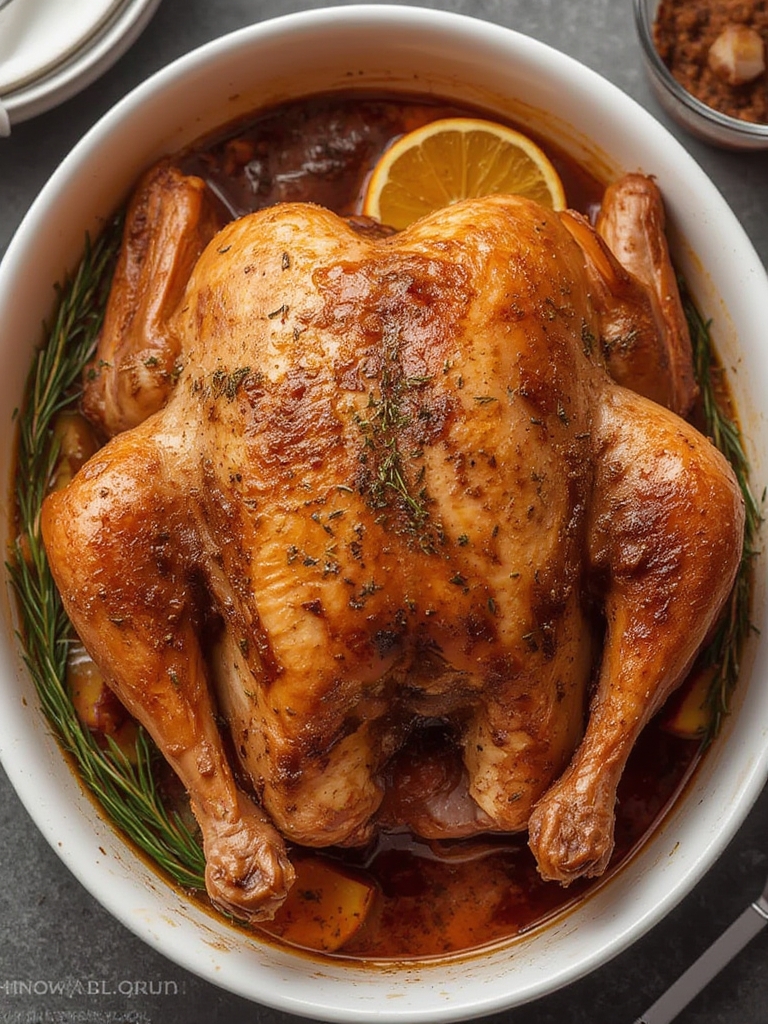
The Ultimate Brine Turkey Recipe for Juicy, Flavorful Meat
Table of Contents
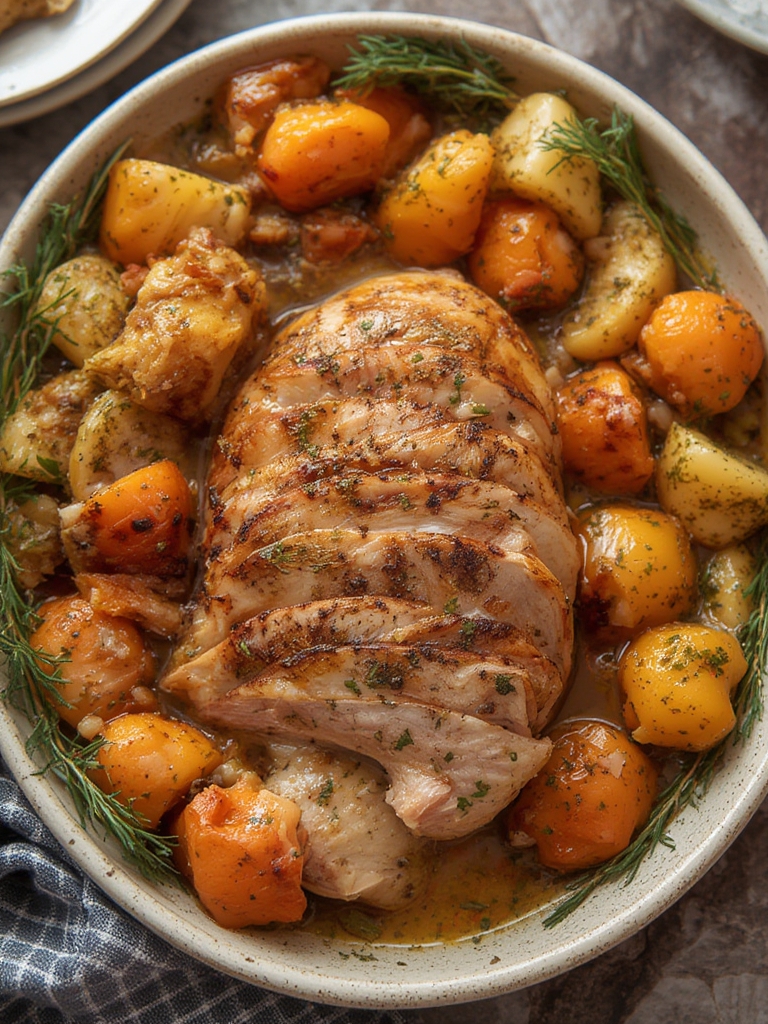
Ever wondered why restaurant turkeys always seem more succulent and flavorful than homemade ones? The secret lies in a technique that professional chefs swear by – brining! Using a proper brine turkey recipe transforms an ordinary bird into a mouthwatering centerpiece that will have your guests raving. This age-old technique infuses moisture and flavor throughout the meat, ensuring that even the breast meat stays juicy. Today, I’ll share my perfected method for turkey brine, best turkey brine, wet brine turkey that has never failed me during holiday seasons.
Ingredients List
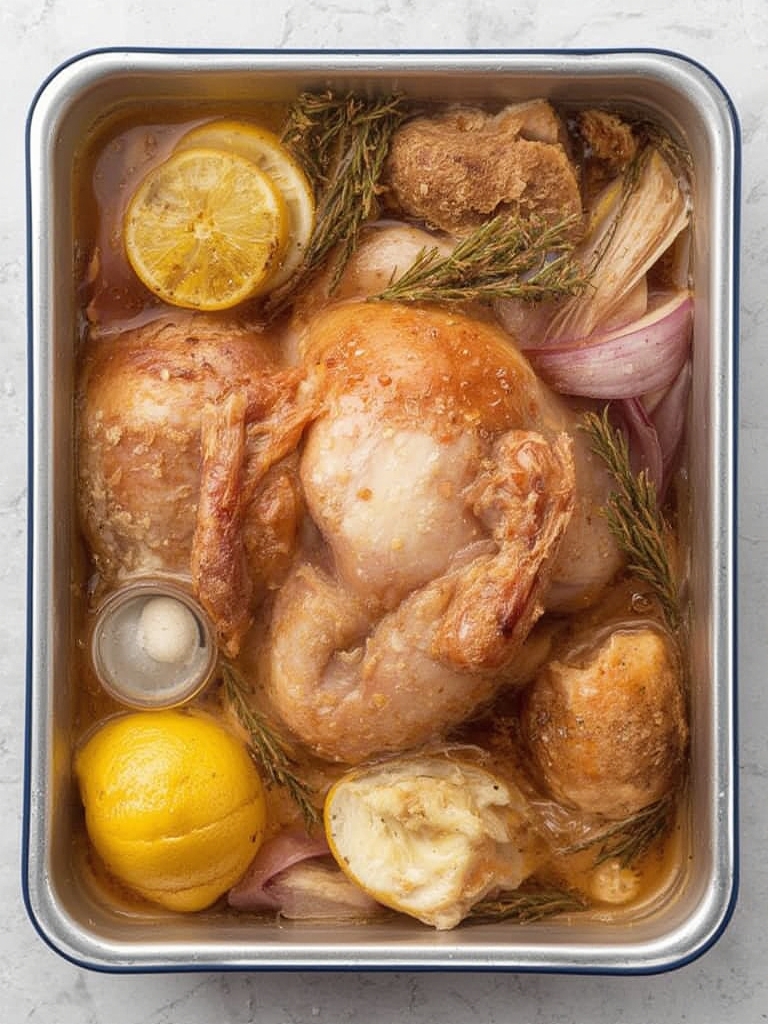
For a 12-14 pound turkey:
- 1 gallon cold water
- 1 cup kosher salt (not table salt)
- ½ cup brown sugar
- 3 bay leaves
- 5 cloves garlic, crushed
- 2 tablespoons whole black peppercorns
- 2 tablespoons whole allspice berries
- 1 tablespoon juniper berries (optional)
- 3 sprigs fresh rosemary
- 5 sprigs fresh thyme
- Peel of 1 orange
- 2 cups apple cider (optional for added sweetness)
- 3 cups ice cubes
Substitution tips: No juniper berries? Use additional allspice. Brown sugar can be replaced with maple syrup or honey for different flavor profiles.
Timing
Prep Time: 15 minutes (active)
Brine Time: 12-24 hours (inactive)
Total Time: 12-24 hours 15 minutes
This timing allows the salt to fully penetrate the meat fibers, requiring at least 12 hours for optimal results. Plan ahead, but know that this advance preparation saves troubleshooting time during the actual roasting process and virtually guarantees a juicy outcome.
Step-by-Step Instructions
Step 1: Prepare Your Brining Container
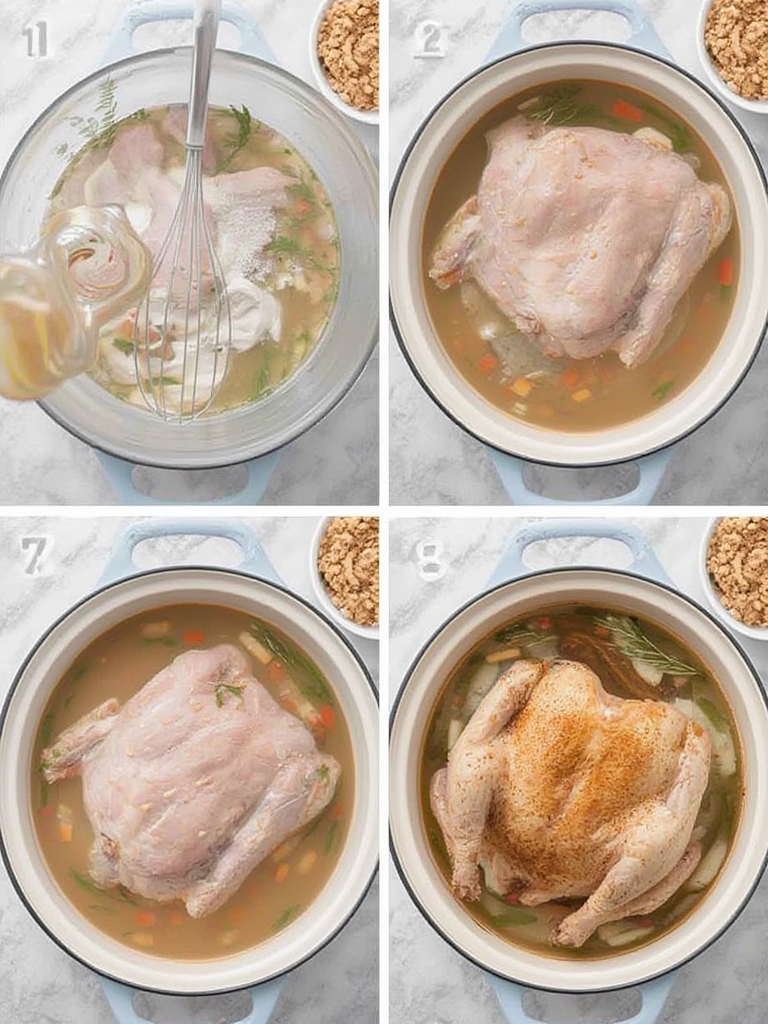
Select a container large enough to submerge your turkey completely. A food-grade bucket, large stockpot, or brining bag placed in a roasting pan works well. Pro tip: Clear space in your refrigerator beforehand or prepare a cooler with ice if fridge space is limited.
Step 2: Create Your Brine Solution
In a large pot, combine 4 cups of water with salt and sugar. Heat while stirring until completely dissolved. Add all herbs and spices, then remove from heat. Allow to steep for 10 minutes, infusing the liquid with flavors.
Step 3: Dilute and Cool the Brine
Add remaining cold water and ice to the flavor base. The brine MUST be completely cold before adding the turkey to prevent bacterial growth. Test with a thermometer – it should be below 40°F (4°C).
Step 4: Prepare and Submerge the Turkey
Remove giblets and neck from the turkey cavity. Rinse the bird inside and out, then slowly lower it into the cold brine solution. Ensure it’s completely submerged, placing a heavy plate on top if necessary.
Step 5: Refrigerate
Cover and refrigerate for 12-24 hours. The rule of thumb is approximately 1 hour per pound, but not exceeding 24 hours to prevent the meat from becoming too salty.
Nutritional Information
Per 4 oz serving of brined turkey (white meat, without skin):
- Calories: Approximately 140
- Protein: 26g
- Carbs: 0g
- Fat: 3g
- Sodium: Slightly higher than unbrined turkey
Healthier Alternatives for the Recipe
- Lower sodium: Reduce salt to ¾ cup and brine for less time
- Sugar-free: Omit brown sugar and use herbs for flavor
- Gluten-free: This recipe is naturally gluten-free
- Alternative sweeteners: Use monk fruit sweetener instead of brown sugar
Serving Suggestions
Pair your brined turkey with classic sides like garlic mashed potatoes and cranberry sauce. For a stunning presentation, garnish the serving platter with fresh herb sprigs, orange slices, and cranberries. Consider serving with a light Pinot Noir or unoaked Chardonnay to complement the enhanced flavors.
Common Mistakes to Avoid
- Using table salt instead of kosher salt (it’s much saltier)
- Brining for too long (makes the meat too salty and mushy)
- Not keeping the brine cold (creates food safety issues)
- Brining a pre-seasoned or kosher turkey (results in over-salted meat)
Storing Tips for the Recipe
Store leftover brined turkey in airtight containers for up to 4 days in the refrigerator. For freezing, wrap portions tightly in plastic wrap then foil and freeze for up to 3 months. Reheat with a splash of broth to maintain moisture.
Conclusion
This brining method transforms an ordinary turkey into a show-stopping centerpiece with minimal extra effort. The technique works by changing the protein structure of the meat, helping it retain moisture during cooking while infusing it with subtle flavors. Give this recipe a try for your next holiday gathering and experience the difference that proper brining makes!
FAQs
Can I use this brine for other poultry?
Absolutely! This brine works wonderfully for chicken, duck, and even pork, though you’ll need to adjust brining times based on weight.
Do I need to rinse the turkey after brining?
Yes, rinse thoroughly to remove excess salt from the surface, then pat completely dry for crispy skin when roasting.
Will brining make my turkey too salty?
Not if you follow the time guidelines. The salt equalizes throughout the meat rather than concentrating on the surface.
Can I add different flavors to the brine?
Definitely! Experiment with ingredients like star anise, cinnamon sticks, citrus peels, or apple cider for unique flavor profiles.